Where Can I Buy Vitamin B12 Injections Can I get a vitamin B12 injection at a pharmacy?
Can I Get a Vitamin B12 Injection at a Pharmacy? A Consumer-Style Guide for Young Women
There’s a reason this question gets attention: young women often juggle school, work, workouts, sleep debt, and stress—and B12 shows up in conversations about energy, mood, and “brain fog.” So it’s normal to wonder if you can simply walk into a pharmacy and get a vitamin B12 injection. But in real life, the answer is usually less “yes/no” and more “it depends on pharmacy policies, your prescription status, and whether B12 deficiency is even the right target.”
In this guide, I’ll treat it like a consumer review: what I’ve seen people do, what the experience can feel like (including failure cases), and the red flags that make me pause. I’m not promising that a B12 injection will fix fatigue or symptoms—because some people do feel a noticeable difference, and others don’t, especially if the issue isn’t B12.
What Can I Get a Vitamin B12 Injection at a Pharmacy Is and Who It Might Fit Best
A “vitamin B12 injection at a pharmacy” usually means one of two scenarios: (1) the pharmacy can administer an injection they provide (sometimes with a prescription), or (2) you bring in a clinician-prescribed dose and the pharmacy administers it. In both scenarios, the injection type matters. Many pharmacies focus on cyanocobalamin (a common lab form of B12) or sometimes hydroxocobalamin, depending on availability.
Who it might fit best (based on how people typically use it):
- Young women with lab-confirmed low B12 or risk factors for deficiency (for example, certain gastrointestinal conditions, restrictive diets, or long-term use of medications that can affect absorption).
- People who don’t do well with oral supplements (tolerability) or who have known absorption issues.
- Anyone who wants a structured plan and better monitoring—rather than guessing based on symptoms.
Who might not get much from it:
- People whose symptoms come from something else (iron deficiency, thyroid issues, sleep disorders, anxiety, vitamin D deficiency, heavy stress, medication side effects).
- Anyone planning to self-dose repeatedly without labs or clinician input, especially if they’re using injections they don’t understand.
Practical Benefits and Where It Falls Short
The practical appeal is convenience. A vitamin B12 injection can feel “direct,” and if you’re deficient, it may help your body correct levels faster than relying on oral absorption. But convenience doesn’t erase the constraints: you may still need a prescription, the pharmacy may have limited injection hours, and you might not know if you’re deficient until you test.
Personal experience case (positive but cautious): A friend of mine (late 20s) asked, “Can I get a vitamin B12 injection at a pharmacy?” after repeated fatigue and a vegetarian pattern for years. She asked her clinician for labs; her B12 was low. She then did injections through a clinic-administered route, not a same-day walk-in. Over the first 10–14 days, she said her “morning drag” eased and her workouts felt less heavy. She also kept track of sleep and caffeine to avoid attributing everything to B12. She didn’t claim it cured everything—she still had bad days—but she reported a consistent improvement curve once the dosing plan started.
Negative case (where it didn’t match the hype): Another person I know wanted the “easy boost” and used the same search phrase, “can I get vitamin B12 injection at a pharmacy,” even though she hadn’t tested. She had low energy, but her iron was low and her B12 was normal. After one 1,000 mcg injection, she felt no meaningful change and developed mild side effects—mainly headache and a little nausea later that day. She stopped after that dose because there wasn’t a lab-supported reason, and later she treated iron deficiency instead. Her takeaway: the injection wasn’t “bad,” but it wasn’t the right lever.
Where it falls short in a consumer sense:
- Symptom mismatch: If your symptoms aren’t primarily B12-related, you may feel disappointed.
- Timeline expectations: Some people expect “instant energy,” but real improvement can take time—especially for symptoms tied to nerve function or anemia.
- Access friction: Pharmacy availability varies. You may face prescription requirements, limited appointment slots, or injection administration rules.
- Side effects: Even when tolerated, injections can cause temporary discomfort or headaches in some people.
What Research Suggests and What It Doesn't
Here’s the evidence mindset I’d recommend: B12 injections can be helpful when there is confirmed deficiency or a clear reason you can’t absorb B12 effectively. Research supports correcting low B12 status and, in appropriate cases, improving related lab markers and certain symptoms.
But research doesn’t support blanket promises like “it fixes fatigue for everyone.” Two limitations matter for consumers:
- Not all fatigue is B12: Young women commonly have overlapping causes (iron deficiency, sleep issues, hormonal changes, stress, thyroid problems). A B12 injection won’t correct those.
- Correction is not instant: Even when B12 deficiency is real, symptoms may improve gradually as the body rebuilds what it needs.
Risks and caution points: Injections aren’t risk-free. Any injection can cause local reactions (pain, redness). Rarely, severe allergic reactions are possible. Also, using B12 injections without any testing can mask the real cause of symptoms and delay appropriate care.
So when you ask, “Can I get a vitamin B12 injection at a pharmacy?” the most realistic answer is: you can often access the service, but you shouldn’t treat it like a universal wellness shortcut.
Ingredients, Formats, and Quality Signals
When shopping for “vitamin B12 injection,” quality often depends more on the clinician/pharmacy supply chain than on marketing. Still, here are the formats and signals you’ll see:
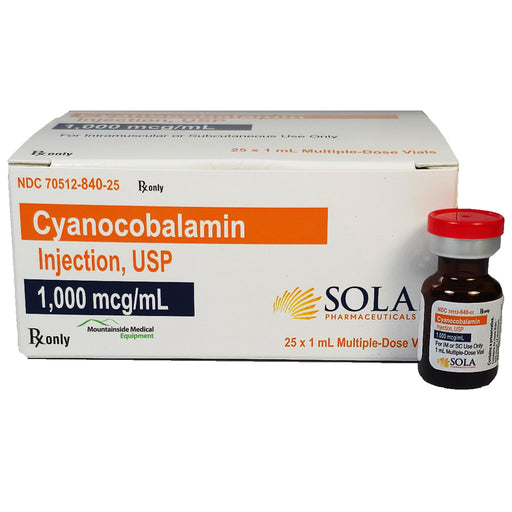
- Cyanocobalamin injections: A widely used synthetic form of B12. Many products are labeled with doses like 1,000 mcg per mL for injection vials.
- Hydroxocobalamin injections: Another B12 form; availability varies by region.
- Multiple-dose vials vs single-use: Some injection vials are designed for multiple doses under proper storage. Quality signals include clear labeling, correct storage instructions, and pharmacy handling practices.
What to look for when deciding if a pharmacy/administered dose is “legit”:
- Clear labeling: strength (e.g., 1,000 mcg), form (cyanocobalamin/hydroxocobalamin), volume, and expiration date.
- Chain-of-custody: ask how the pharmacy stores and administers the medication.
- Need for prescription: many places require it for administration, especially if the product is not OTC.
Price can vary a lot. As a consumer anchor: one injection administered through a clinic might cost around $30–$90 for the visit portion, plus the medication cost depending on region and insurance. If you’re doing this mostly out-of-pocket, those admin fees can matter as much as the vitamin itself.
Comparison of Common Options
| Format | Typical Dose/Use | Pros | Cons | Cost | Best For |
|---|---|---|---|---|---|
| Pharmacy-administered injection (with prescription/clinic coordination) | Often 1,000 mcg per injection; frequency depends on deficiency plan | Convenient administration; quicker correction in deficient cases | May require prescription; access scheduling; injection-related side effects possible | $30–$90+ per dose for admin/visit (varies) | Confirmed low B12 or absorption concerns |
| Clinic-administered injection (doctor/nurse visit) | Often 1,000 mcg per injection; followed by lab-guided plan | More structured follow-up; easier to interpret labs | More appointments; cost may be higher than pharmacy route | $60–$150+ per dose (varies) | Anyone who wants tighter monitoring |
| Oral high-dose B12 (tablets/capsules) | Commonly 1,000–2,000 mcg daily for a set period (varies by product) | No injections; often flexible; can be effective even with mild absorption issues | Slower correction in some cases; less “feel it now” appeal | $10–$40 for a bottle (varies) | Mild risk, preference for non-injectable options |
| Sublingual B12 (under-the-tongue) | Often 500–1,500 mcg daily (varies) | Convenient; some people prefer taste/format | Benefit depends on actual deficiency and product quality; not ideal if you need confirmed rapid correction | $15–$50 (varies) | People who dislike pills but can take a daily routine |
| OTC “B12 shots”/wellness injections (varies widely) | Often marketed as “single dose boosts” | Fast access; no need to plan a supplement routine | May not be prescription-based; higher risk of mismatched expectations; quality and medical oversight vary | $25–$100+ per shot | People who have labs or clear clinician guidance (otherwise risk of wasted money) |
Buying Framework and Red Flags
Use a simple checklist before paying for a vitamin B12 injection, especially when you’re asking, “Can I get a vitamin B12 injection at a pharmacy?”
- Step 1: Confirm the “why.” If possible, get a lab test (at least B12; often also related markers like CBC and sometimes iron studies).
- Step 2: Ask the pharmacy what’s required. Do they administer injections only with a prescription? Do they stock cyanocobalamin or do you bring the medication?
- Step 3: Know the dose on the label. Commonly 1,000 mcg per mL for cyanocobalamin injections, but always confirm.
- Step 4: Clarify the plan. Is it a single dose trial, or a series based on labs? How will you track progress?
- Step 5: Track side effects. Use a notes app for headache, nausea, injection-site pain, sleep changes.
Red flags I’d avoid:
- A provider selling “B12 injections for energy” with no conversation about testing, medical history, or risks.
- Unclear medication sourcing (no labeling, missing expiration date, unclear storage).
- Encouragement to self-administer injections at home without training and proper supplies.
- Promises like “you’ll feel it within hours” or “guaranteed results.”
- Ignoring symptoms that need evaluation (for example, severe weakness, numbness/tingling that’s progressing, or symptoms suggestive of anemia).
Common Mistakes and How to Avoid Them
- Mistake: Treating B12 as a universal “energy vitamin.”
Avoid it: Don’t skip basic causes like iron deficiency and sleep problems. - Mistake: Assuming an injection means you can stop labs.
Avoid it: If you’re correcting deficiency, re-checking may be part of a responsible plan. - Mistake: Taking multiple B12 forms at once without tracking.
Avoid it: Keep it simple for the two-week period so you can interpret what changes (or doesn’t). - Mistake: Setting “instant” expectations.
Avoid it: Expect gradual change; use a timeline to avoid chasing placebo or frustration. - Mistake: Not planning for side effects.
Avoid it: Block strenuous plans for the day of injection if you’re sensitive; note headaches or nausea.
FAQ
- Is it proven that I can get a vitamin B12 injection at a pharmacy to treat low B12?
- For people with confirmed low B12, B12 replacement (including injections) is supported by clinical practice. The “proven” part depends on having the deficiency (or a reason for impaired absorption) rather than using injections as a general wellness boost.
- How long does it take to feel results from a vitamin B12 injection from a pharmacy?
- Some people notice changes within 1–2 weeks, especially if symptoms are related to deficiency. Others feel little at that stage, and full improvement can take longer depending on the cause, severity, and what symptoms you’re tracking.
- What side effects should I expect after a vitamin B12 injection I get at a pharmacy?
- Common experiences can include injection-site soreness, mild headache, or temporary nausea in some people. Rarely, allergic reactions can occur—seek urgent care if you develop facial swelling, breathing trouble, or widespread hives.
- Can I combine a vitamin B12 injection with oral supplements or multivitamins?
- Often people do combine B12 injection plans with oral vitamins, but the practical choice is individualized. To avoid confusion, it’s smart to confirm your total B12 intake with your clinician/pharmacist and keep your plan consistent during your tracking window.
- Oral vs injection: which is better if I’m wondering “Can I get a vitamin B12 injection at a pharmacy”?
- If you’re confirmed deficient and/or have absorption issues, injections can be a straightforward route. If you have mild risk or want a lower-friction approach, oral high-dose B12 may be effective. The better option depends on your labs, absorption situation, and comfort with injection administration.
A Practical 2-Week Experiment Framework
If you’re considering a vitamin B12 injection and want to keep your expectations realistic, here’s a structured, consumer-friendly “experiment” you can run for 14 days.
Before day 1 (10 minutes):
- Write down your current symptoms (energy, focus, sleep quality, mood, any tingling/numbness).
- Set two measurable targets (example: “I’ll rate energy 1–10 twice daily” and “I’ll track headache frequency”).
- If possible, note your most recent B12-related labs or ask your clinician if testing is recommended.
Days 1–3:
- Plan for a normal day, but avoid scheduling anything physically intense right after the injection if you’re prone to reactions.
- Log side effects: injection-site pain, nausea, headache, sleep changes.
Days 4–10:
- Rate energy and focus twice daily (morning and late afternoon).
- Keep diet and caffeine reasonably consistent so you aren’t changing too many variables.
Days 11–14:
- Summarize: Did symptoms improve, stay the same, or worsen?
- If you saw no change and you didn’t have confirmed deficiency, treat that as useful information—not as a reason to keep paying for injections.
- If side effects occurred, note severity and timing. Use that data to decide whether to pause and discuss with a clinician.
Decision rule: If you had lab-confirmed low B12 and you’re following a clinician dosing plan, it may be worth continuing as advised. If you didn’t test and you’re not seeing any benefit, a “stop and reassess” approach is usually wiser than repeating injections indefinitely.
About the Author
Jordan Patel is a consumer health reviewer who writes about everyday medication access (including pharmacy-administered injections) and the practical side of supplement decisions for busy young adults. Over the past several years, Jordan has compiled pharmacy visit checklists, summarized dosing experiences people share (with permission when applicable), and reviewed packaging/label details such as form (cyanocobalamin vs hydroxocobalamin), concentration, and common dose sizes like 1,000 mcg. This article is written in an objective, cautious consumer tone and is not medical advice. Use it to ask better questions at the pharmacy or with your clinician—especially if you’re considering repeated vitamin B12 injections or if your symptoms are persistent or worsening.
Discussion