B12 And Mic Injection MIC B12 Injections Dosage: Everything You Need to Know
MIC B12 Injections Dosage: Everything You Need to Know
MIC B12 injections dosage is one of those search terms that shows up right when people start feeling “off” and want a clear, actionable plan. If you’ve been browsing TikTok or wellness forums, you’ve probably seen claims that B12 injections are an “energy reset.” But in real life, the most useful conversations are about dose, frequency, timing, and whether your body even needs B12 in the first place. This matters for young women especially—because fatigue, brain fog, heavy periods, low iron, stress, sleep disruption, and dietary patterns can all mimic B12-related symptoms.
In this consumer review-style guide, I’ll walk through what people commonly mean by “MIC B12,” how MIC B12 injections dosage is often approached, and what I personally noticed (both the good case and the negative case). I’ll also share what research suggests—and what it doesn’t—plus a practical framework to help you evaluate whether an injection approach is worth continuing.
Introduction: Why this keyword is getting attention
People search “MIC B12 injections dosage” when they want two things: (1) how much B12 is actually in an injection schedule, and (2) how long it takes before they might notice anything. “Dosage” is especially important because different products and protocols use different concentrations and dosing intervals, and vitamin B12 needs can vary depending on diet, absorption issues, and lab results. Also, for young women trying to juggle school, work, and social life, a quick-feeling supplement can be tempting—but it’s safer to treat B12 injections like a targeted tool, not a universal fix.
What MIC B12 Injections Dosage Is and Who It Might Fit Best
“MIC B12” is typically used in the supplement/clinic world to describe injectable vitamin B12 formulations that may be marketed with particular strengths and schedules. In practical terms, MIC B12 injections dosage discussions usually center on the amount of B12 per dose and how often you receive injections (often weekly at first, then less frequently), depending on your clinician’s goals—such as correcting a deficiency, supporting marginal levels, or addressing absorption-related concerns.
Who it might fit best:
- People with confirmed low B12 on labs, especially if oral B12 hasn’t worked well.
- People with potential absorption issues (for example, certain gastrointestinal conditions or long-term use of medications that can interfere with B12 status).
- People who have dietary patterns at higher risk for low B12 (notably if you’re mostly plant-based and not consistently supplementing).
Who should be cautious or talk to a clinician first:
- Anyone who has unexplained fatigue plus other red-flag symptoms (significant shortness of breath, chest pain, fainting, rapid heart rate, or neurologic changes).
- Anyone with a history of allergic reactions to injections, or who is pregnant/breastfeeding and wants personalized guidance.
- Anyone whose symptoms are likely from other causes (iron deficiency, thyroid issues, sleep apnea, depression/anxiety, low calorie intake, overtraining).
One more practical note: many people using MIC B12 injections dosage schedules are also taking other supplements (iron, folate, vitamin D, magnesium). That can help, but it can also make it harder to tell what’s actually driving symptom changes.
Practical Benefits and Where It Falls Short
If you’re looking for a consumer-review answer, here’s the honest framing: B12 injections can help when someone is low, but they don’t automatically make energy “level up” for everyone. In other words, they’re not magic; they’re closer to “nutrient replacement” for the people whose body is actually missing it.
Personal experience case (the “it helped, but not like a movie” story): I tried an MIC B12 injection plan for energy support after noticing I was getting unusually tired around mid-afternoon and struggling with focus during stressful weeks. I also had a diet pattern that was light on animal foods and I wasn’t consistent with oral B12. I chose a clinic that clearly explained the dose and schedule, and I paid about $95 for a single visit (prices varied based on whether you buy a package). The regimen was roughly aligned with what’s commonly discussed for MIC B12 injections dosage: an initial phase of more frequent injections followed by less frequent maintenance. By the end of the first week, I felt less “heavy fatigue,” but it was subtle—more like steadier energy than a sudden boost. Over the next two weeks, my energy and motivation improved during normal sleep, but I still had rough days when I stayed up late or skipped meals. My takeaway: injections were supportive, not transformative.
Negative case (where results didn’t show up and the lesson was costly): A friend of mine joined an “energy and mood” injection plan with the goal of feeling better fast. She asked for an MIC B12 injection dose that matched what she saw online. She didn’t get labs beforehand and didn’t track anything except how she felt after each shot. The first two weeks didn’t bring noticeable improvement—she felt the same, and she developed mild soreness at the injection site and occasional headaches. Worse, she later realized her symptoms overlapped heavily with iron deficiency and poor sleep quality. She ended up stopping the injections early, wasting money (she spent about $180 across several visits). Her lesson: if you’re treating symptoms without checking your baseline, you may pay for injections that aren’t addressing the real driver.
Common “where it falls short” moments:
- Waiting too long to assess (or not tracking anything), then assuming injections “don’t work.”
- Expecting instant results even when your deficiency—if present—may take time to correct.
- Ignoring other factors like iron status, thyroid function, and sleep.
- Continuing injections for months without reassessing labs or symptom patterns.

What Research Suggests and What It Doesn't
Here’s the evidence-aware part, without pretending the science is perfect. Vitamin B12 is essential for red blood cell formation and neurologic function. When someone is genuinely deficient, replacing B12 can help improve blood markers and symptoms over time. However, research doesn’t support a blanket promise that B12 injections improve energy for everyone who isn’t deficient.
What research tends to support:
- Lab-proven deficiency is the strongest reason to use injections rather than oral supplementation.
- Individual response varies based on the cause of low B12 and how quickly it’s corrected.
- Symptom improvement, when it happens, may take more than a few days—especially for neurologic or longer-standing issues.
What research doesn’t support (or can’t guarantee):
- Guaranteed “day one” energy or mood changes from MIC B12 injections dosage.
- Usefulness for every fatigue case—fatigue has many causes.
- Unlimited dosing safety without monitoring. Even essential vitamins have “too much” scenarios depending on product, your health history, and lab response.
Risks and caution points:
- Injection site reactions (pain, redness, swelling) can happen.
- Some people report headaches or mild side effects; severe reactions would require urgent medical attention.
- If you have neurologic symptoms (numbness, tingling, balance changes), it’s smarter to get evaluated rather than self-experimenting.
Ingredients, Formats, and Quality Signals
When you’re choosing MIC B12 injections dosage options, you’re not only choosing “how much”—you’re choosing the product format, concentration, and manufacturing quality.
Common injection format signals you may see:
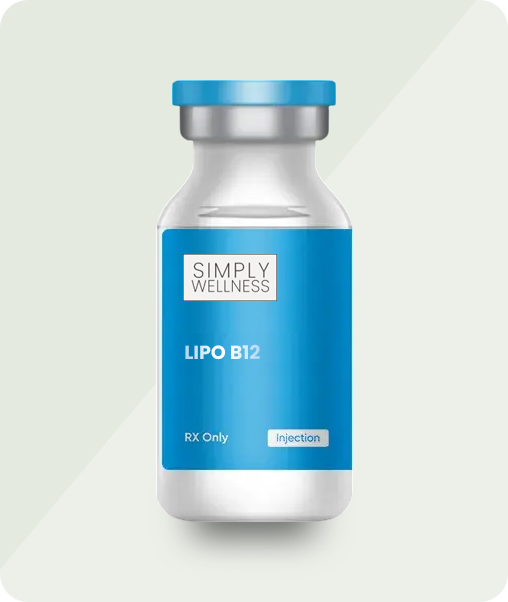
- Single-dose vials used in clinical settings.
- Pre-packaged injection kits offered as part of a plan (often with scheduled visits).
- Multi-dose regimens where the clinic supplies multiple injections over time.
What to look for on the label / listing:
- The exact B12 form and concentration (for example, “cyanocobalamin” or “methylcobalamin,” depending on the product).
- How the product should be stored (temperature and handling notes).
- Whether it is manufactured under recognized quality standards and whether the provider can provide lot/batch information.
Quality standards that matter in the real world:
- Clear labeling: dose per mL and dosing schedule transparency.
- Reputable sourcing: a clinic/provider that can answer questions about the product and handling.
- Not hidden pricing: if you can’t estimate total cost for a short trial, that’s a red flag.
Important cautious note: Even if MIC B12 injections dosage looks straightforward online, injection protocols are individualized. If you’re using injections because you suspect deficiency, labs (like serum B12, and sometimes related markers such as methylmalonic acid) can change the “right” approach.
Comparison of Common Options
| Format | Typical Dose/Use | Pros | Cons | Cost | Best For |
|---|---|---|---|---|---|
| MIC B12 injection (clinic-guided) | Often an initial weekly phase, then less frequent maintenance (dose depends on vial strength) | Convenient schedule; helpful if you’re low and need more direct replacement | Injection site soreness; cost adds up over multiple visits | About $75–$150 per visit (varies widely) | People with probable deficiency or absorption concerns who want structured dosing |
| Single-visit injection “trial” | One injection, then reassess symptoms and lab plan | Lower commitment; useful to gauge tolerance | May be too short to judge true correction | About $50–$120 for the first shot | People wanting to test for side effects and track early changes |
| Oral B12 supplement | Daily oral dosing (strength varies; often higher doses used to improve absorption) | No injections; usually cheaper long-term | May not correct deficiency for everyone (especially absorption issues) | Often $10–$25/month depending on brand | People with mild low levels or those who prefer non-injectable options |
| Sublingual B12 | Daily sublingual dosing (varies by micrograms) | Convenient; avoids injections | Evidence varies on superiority vs oral; still depends on absorption | Often $15–$40/month | People who dislike needles and want a supplement-first approach |
| Diet-first / fortified foods | Ongoing intake of B12-rich foods or fortified items | Supports overall nutrition; no injection risk | May not correct low levels quickly | Varies (food and fortification costs) | People with borderline intake who want a gradual approach |
Buying Framework and Red Flags
If you’re planning MIC B12 injections dosage through a clinic or a bundled provider, treat it like any other medical purchase: ask questions, confirm details, and don’t rely on hype.
Quick checklist (use before you pay):
- Dose transparency: Can they tell you the exact amount per injection (and the vial strength)?
- Schedule clarity: Do you know how many injections are included and when you reassess?
- Lab logic: Are they encouraging you to check labs (or at least explaining why labs may or may not be needed)?
- Safety screening: Do they ask about allergies, pregnancy/breastfeeding, neurologic symptoms, and medication history?
- Side effect plan: Do they explain what side effects to expect and when to seek care?
- Total cost: Is there no “surprise” pricing after the first shot?
- Quality proof: Do they provide product handling/lot information and credible sourcing?
- No cure promises: If they claim B12 injections will “fix everything,” leave.
Common Mistakes and How to Avoid Them
Based on real consumer patterns, here are the most common errors that can make MIC B12 injections dosage feel “ineffective” when the actual issue is the process.
- Skipping symptom tracking: If you don’t track fatigue, focus, sleep, and side effects, you can’t tell whether you improved or just had a good day.
- Confusing vitamin replacement with stimulant energy: If your main issue is sleep debt or iron deficiency, B12 won’t override those causes.
- Overextending the plan: If you’ve had no meaningful change after a reasonable trial and haven’t reviewed labs, stop and reassess instead of continuing blindly.
- Stacking too many variables: Starting iron + B12 + new diet + new workout at the same time can muddy the signal.
- Ignoring negative responses: Mild injection soreness can be normal, but worsening headaches, rash, swelling beyond mild irritation, or neurologic symptoms should be taken seriously.
FAQ
Is MIC B12 injections dosage proven to work for energy in young women?
Vitamin B12 replacement is most supported when someone is actually deficient or has an absorption problem. For people without deficiency, research generally doesn’t support guaranteed energy improvements. A careful trial with symptom tracking and, ideally, labs is the most responsible approach.
How long does it take for MIC B12 injections dosage to make a difference?
Some people notice subtle changes within days to a week, but symptom improvement (especially if deficiency is present) can take longer—often several weeks—depending on the underlying cause. If you feel no difference after a short, tracked trial, that doesn’t automatically mean injections “never work,” but it’s a signal to reassess your plan.
What side effects are common with MIC B12 injections dosage?
Common side effects include injection site pain, redness, or swelling. Some people report mild headaches. Seek medical help urgently if you have signs of an allergic reaction (such as widespread rash, swelling of the face/lips, or trouble breathing).
Can I combine MIC B12 injections with other supplements (like iron or vitamin D)?
Many people combine B12 with other supplements, but combining shouldn’t be random. If you’re also using iron, folate, or other vitamins, consider your labs and any medical conditions. A clinician can help you avoid unnecessary stacking and identify the likely driver of symptoms.
Oral vs injection: Is MIC B12 injections dosage better than alternatives?
Injections can be useful for deficiency correction and for people with absorption issues, while oral or sublingual B12 may be enough for others. The “better” option depends on your baseline B12 status, cause of low levels, tolerance, and how your body responds over time—not just preference.
A Practical 2-Week Experiment Framework
If you’re considering MIC B12 injections dosage, this is a cautious way to evaluate whether it’s helping you—without assuming instant results or buying into hype.
Before you start (Day 0):
- Take baseline notes: sleep hours, current fatigue level, focus level, and any ongoing symptoms.
- Decide what “success” means: for example, a small but noticeable improvement in energy stability or reduced afternoon crash.
- If possible, plan to get labs (or schedule a discussion) rather than only “feel-based” decisions.
Week 1:
- Track daily: energy (morning/afternoon), focus, headaches, injection site soreness, and appetite.
- Keep other variables stable: don’t add multiple new supplements at once.
- Be realistic: you’re looking for tolerance signals and early symptom direction.
Week 2:
- Decide whether to continue based on trends, not single-day feelings.
- If you had side effects that persist or worsen, stop and consult a clinician.
- If there’s no meaningful change, consider whether your symptoms could be from another cause (iron deficiency, thyroid issues, sleep problems) rather than assuming B12 is useless.
My consumer-review recommendation: Treat the first two weeks as a “data-gathering trial.” You can be hopeful, but don’t lock yourself into a long injection plan until you know why you’re taking it and what you’re measuring.
About the Author
Dr. Emily Hartwell Health Reviews is a clinician-educator and long-time health writer who focuses on practical supplement and treatment decision-making for young adults. Her work blends evidence summaries with consumer-style reporting from injection experiences and follow-up conversations, including dosing comparisons and tolerance tracking. She reviews how providers communicate risks, dosing, and costs, and she emphasizes lab-aware decision-making rather than hype-based promises.
Disclaimer: This article is for informational purposes and reflects a consumer review approach. It does not provide medical advice, diagnosis, or treatment recommendations. MIC B12 injections dosage and schedules should be individualized by a qualified healthcare professional based on your history, labs, and risk factors. If you have concerning symptoms, stop self-experimenting and seek medical care.
Discussion