Pay in installments of $6.00 with
 ,
,
 and
and

Shipping Estimate
USA
- USA
- CAN
- USA
- CAN
Ships within 48 hours · Estimated delivery Jul 23 - Jul 28
 Promo Codes Available:
For Your Every Summer RSVP, with Code: SUMMER15
Description
succulent titties Buy 'Boobie Cactus - Myrtillocactus geometrizans fukurokuryuzinboku' OnlineIntroducing the rare Boobie cactus, known as Myrtillocactus geometrizans fukurokuryuzinboku a stunning monstrose variety of the known Blue myrtle cactus. This unusual nursery produced cultivar is also known as a boob cactus, a breast cactus, booby cactus, or a titty cactus because of its weird shape, which resembles a woman's breast. The Boobie Cactus has a columnar growth habit, with multiple branches that resemble the curves of a womans boobs. It is
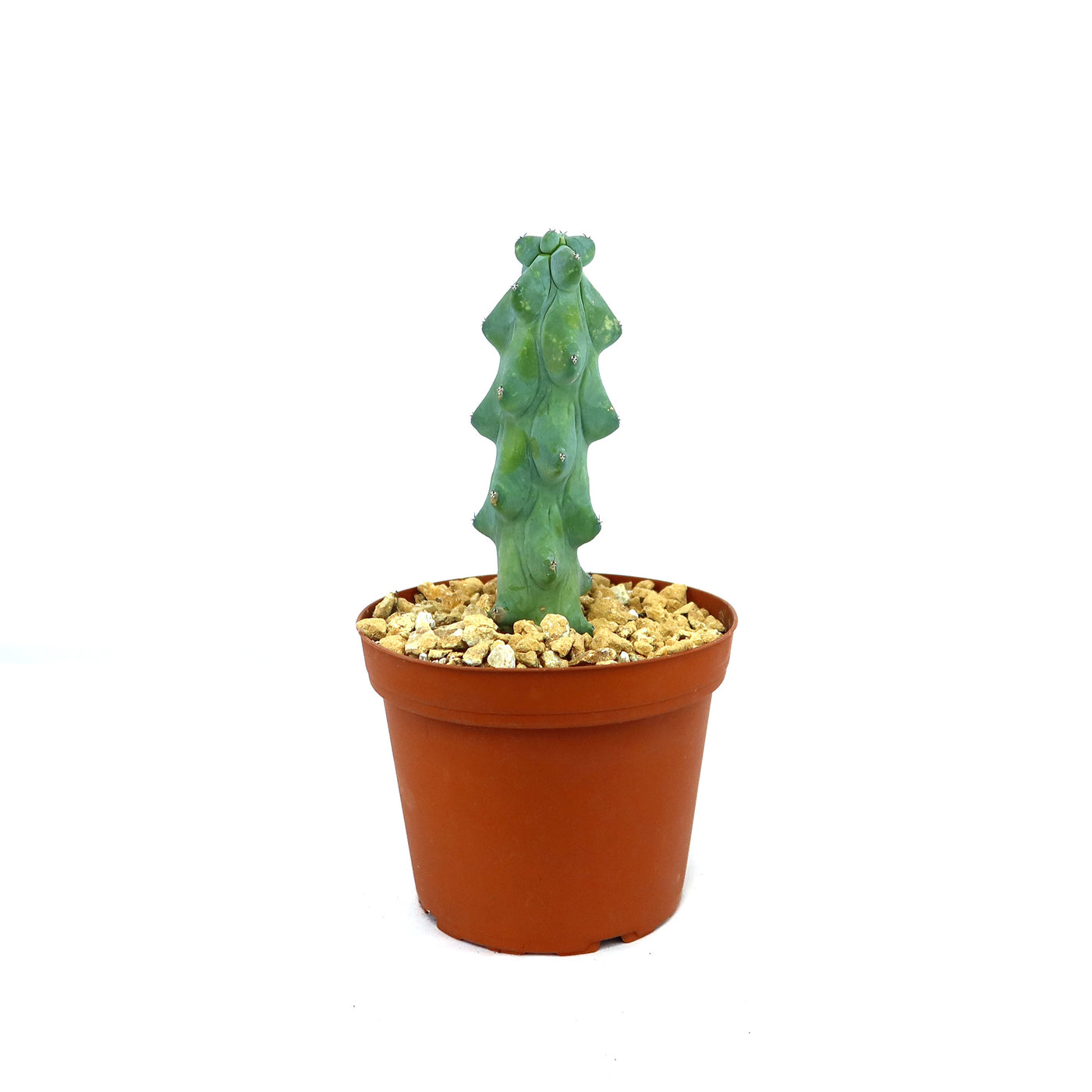
Introducing the rare Boobie cactus, known as Myrtillocactus geometrizans fukurokuryuzinboku a stunning monstrose variety of the known Blue myrtle cactus. This unusual nursery-produced cultivar is also known as a boob cactus, a breast cactus, booby cactus, or a titty cactus because of its weird shape, which resembles a woman's breast.
The Boobie Cactus has a columnar growth habit, with multiple branches that resemble the curves of a woman’s boobs.
It is a slow-growing cactus species, but it can reach impressive heights of up to 13 feet when fully mature.
The booby cactus's blue-grey thick trunk supports these branching arms, giving it a sturdy and striking appearance. Its overall structure adds an intriguing element to any cactus collection or garden.
The flowers of the Boobie cactus typically bloom in the spring or summer, showcasing vibrant colors such as pink, red, greenish-white, or yellow. The flowers are pollinated by bees, butterflies, and other insects, adding to the plant's ecological value.
Native to Northern Central Mexico, while the Booby Cactus is a captivating and unique addition to any cactus collection, it's important to note that it may not be suitable for all environments. The boobie plant is more commonly found in arid regions and requires warm temperatures to thrive and for healthy growth.
When and How to Water Your Boobie Cactus
The Boobie Cactus is a drought-tolerant and low-maintenance cactus, naturally adapted to hot, arid environments. It stores moisture in its thick, sculptural stems and requires minimal watering. The Boobie cactus prefers watering once every 10-14 days in growing season, and once every 4-6 weeks in dormant season.
From spring through early fall, during the growing season, water deeply using the soak-and-dry method once every 10–14 days. Allow the soil to dry out completely between waterings. Always check the soil about an inch deep; if it feels dry, it's time to water. If there’s any moisture, wait a few more days.
From late fall through winter, in the dormant season, the cactus significantly reduces its water needs to once every 4–6 weeks, or just enough to prevent the plant from shriveling. The soil should remain dry for extended periods, as excess moisture during dormancy can lead to rot. With careful attention, your Boobie Cactus will stay healthy and continue growing slowly but steadily.
Light Requirements - Where to Place Your Boobie Cactus
When growing indoors, this rare boobie cactus thrives in a bright, indirect sunny spot. It prefers a spot near a window where it can receive several hours of bright, filtered light each day.
If you don't have a suitable south-facing window with bright, indirect light, you can also provide artificial light using grow lights. LED grow lights are a popular choice, as they provide the necessary spectrum of light for Myrtillocactus geometrizans fukurokuryuzinboku cactus plant growth without generating excessive heat.
For outdoor cultivation, the Boobie Cactus enjoys full sun, it's important to protect it from intense, direct sun for more than 5 hours, especially during the hottest parts of the day.
Too much direct sunlight can cause sunburn and damage the booby cactus. If you notice the cactus starting to turn yellow or brown, it may be a sign that it's receiving too much direct sunlight.
Optimal Soil & Fertilizer Needs
The Boobie cactus likes very airy, porous, nutrient-rich, soggy soil that mimics their natural habitat with a pH of 5.6 - 6.5. Cacti require fast-draining soil that dries completely between waterings. A cactus mix or a blend of potting soil, sand, and perlite works well. Instead, make or buy a well-draining soil mix, or ideally, use our specialized cactus potting mix that contains 5 natural substrates and mycorrhizae to promote the development of a strong root system that helps your cactus to thrive.
When it comes to fertilizer, the Boobie Cactus is not a heavy feeder. It generally thrives in nutrient-poor conditions. It's best to use a balanced (5-10-5) NPK fertilizer specifically formulated for cacti once a year during the growing season in the spring. However, during the dormant period in winter, it's best to avoid fertilizing altogether. Overfertilizing can lead to salt buildup in the soil, which can harm the booby cactus.
Indoor Growing Boobie Cactus Requirements
When growing indoors, your Boobie Cactus plant thrives in temperatures between 65-80°F, which is the typical range for most indoor environments. It can tolerate slightly cooler temperatures during the winter months, but it's important to protect it from frost or extreme cold.
Hardiness Zone & More
In the United States, this is mostly an indoor plant, but if you live in southern Florida or Hawaii, then you can cultivate it outdoors in USDA zones 9-11.
If you live in a colder climate, it's best to keep the Boobie Cactus as an indoor plant or provide it with protection during the colder months.
It can tolerate high temperatures during the summer, but it's important to protect it from frost or temperatures that drop below 40°F, as it is not cold-hardy.
In terms of humidity, the Boobie Cactus is adapted to low-humidity environments in its original natural habitat. It can tolerate dry air and does not require high levels of humidity. In fact, excessive humidity can lead to issues such as fungal diseases or rot. It's best to provide good air circulation around the cactus to prevent any moisture buildup.
Wildlife - Boobie Cactus Attracts the Following Friendly Pollinators
The Boobie Cactus is known to attract a variety of pollinators such as bees, butterflies, and hummingbirds due to its bright flowers and sweet nectar. These friendly pollinators play a crucial role in the cactus's reproduction and overall ecosystem health.
According to ASPCA, Myrtillocactus geometrizans fukurokuryuzinboku is considered mildly toxic to pets and humans if ingested in large amounts. However, it is safe to touch and handle, making it completely safe for use in gardens or as a decorative plant indoors.
How to Propagate Boobie Cactus
Boobie cactus can be propagated through stem cuttings. To do this, simply cut a healthy stem from the mother plant and allow it to callous over for a few days before planting it in well-draining soil. Water sparingly until roots develop, and then gradually increase watering as the plant establishes itself.
Key Takeaways
- This variety is a rare, highly sought-after Japanese mutation of Myrtillocactus geometrizans, known for its unusual, ribbed stem segments that resemble human breasts—hence the nickname “Boobie Cactus.”
- It is a very slow-growing cactus, often prized for its sculptural, art-like appearance, making it a favorite among collectors and succulent enthusiasts.
- The Boobie Cactus thrives in bright, direct sunlight but is not frost-tolerant. It should be protected or brought indoors when temperatures drop below 40°F.
- Unlike many cacti, this form doesn’t produce offsets readily, and propagation is usually done by grafting, which adds to its rarity and value in cultivation.
Final Thoughts
Overall, the Boobie Cactus can be a conversation piece that attracts attention and may elicit some laughter from friends. Its unique shape, reminiscent of a woman's breast, has indeed contributed to its popularity. People are often drawn to unusual and distinctive plants, and the Boobie Cactus's playful appearance adds a touch of whimsy to any collection. To care for your Boobie Cactus, provide it with bright, indirect light and well-draining soil. Avoid overwatering to prevent root rot. Maintain a temperature range of 65-80°F indoors and USDA hardiness zones 9-11 for outdoor growth. With a little care and attention, your Boobie Cactus will thrive and bring joy to your space.
We think you will love this plant – order your very own Myrtillocactus geometrizans fukurokuryuzinboku -boobie cactus for sale online today and start enjoying its beauty in no time!
Shipping Notes
- Free Standard Shipping on $100+ Orders to the USA.
- Except Preorder products are shipped in 48 hours.
- Delivery to the USA:
- Standard Shipping : 3-10 business days
- If time is of the essence, please consider selecting expedited delivery for faster service.
Exchange/Return Notes
- We offer a 30-day return/exchange service after receiving.
- Final sale items are not eligible for returns or exchanges.
- To process your return/exchange, please contact us at [email protected]
- Please click here for more details>>> Return & Exchange Policy