Pay in installments of $5.80 with
 ,
,
 and
and

Shipping Estimate
USA
- USA
- CAN
- USA
- CAN
Ships within 48 hours · Estimated delivery Sep 28 - Oct 3
 Promo Codes Available:
For Your Every Summer RSVP, with Code: SUMMER15
Description
planting birch tree seeds River Birch Tree Seeds — Betula nigraFast. Native. The most beautiful bark in any backyard. Betula nigra, the River Birch, is the most popular native tree in American landscaping for a reason. Its exfoliating bark peels back in papery layers of cinnamon, cream, and salmon that no other tree replicates, creating year round visual interest that is spectacular in winter when the rest of the landscape goes gray. It grows faster than any other native birch, tolerates wet and dry soils with
Fast. Native. The most beautiful bark in any backyard.
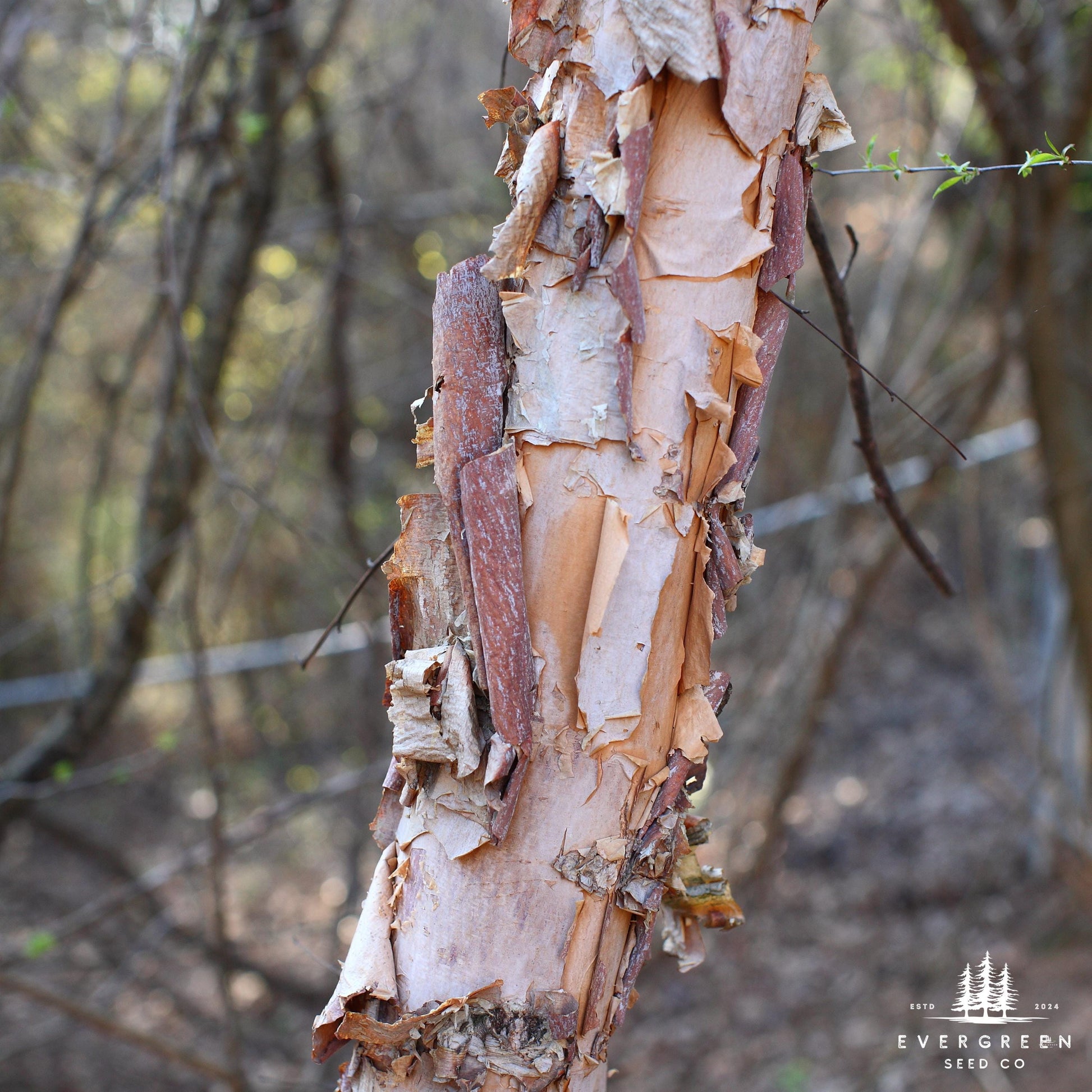
Betula nigra, the River Birch, is the most popular native tree in American landscaping for a reason. Its exfoliating bark peels back in papery layers of cinnamon, cream, and salmon that no other tree replicates, creating year-round visual interest that is spectacular in winter when the rest of the landscape goes gray. It grows faster than any other native birch, tolerates wet and dry soils with equal success, and resists the bronze birch borer that kills most other birch species. Plant it near water or in the middle of a lawn, in sun or partial shade, in the deep South or the upper Midwest. River Birch does not care. It grows. If you are looking to buy River Birch seeds or grow this native birch from seed, this is the most adaptable and visually distinctive birch available in North American horticulture.
- Spectacular exfoliating bark in layers of cinnamon, cream, and salmon, the most ornamental bark of any native birch
- The fastest-growing native birch in North America, gaining 1.5 to 3 feet per year
- Naturally resistant to bronze birch borer, which kills most other birch species in eastern North America
- Tolerates both wet soils and moderate drought, exceptionally adaptable compared to other birches
- Native across the eastern United States, important for bank stabilization along streams and rivers
Things you probably did not know about the River Birch
It is the only birch native to the southeastern United States.
All other native birches are cold-climate species that need long winters and cool summers. River Birch is unique in being comfortable in the heat and humidity of the Deep South, growing naturally along stream banks from Massachusetts to Florida and west to Kansas. This adaptability is why it succeeds in climates where other birches simply cannot survive.
The bark peels for structural reasons.
The papery exfoliating layers of River Birch bark are shed continuously as the tree grows, preventing the accumulation of lichens, mosses, and fungi that colonize the rough bark of slower-growing trees. The constant shedding is essentially the tree keeping its own skin clean. Each new layer beneath is smooth, fresh, and beautifully colored.
It was used for medicinal purposes by many Indigenous cultures.
The inner bark of River Birch was used by various Native American nations to treat fever, stomach complaints, and as a diuretic. The sap was consumed fresh in spring similarly to other birches. The bark oil contains methyl salicylate, a compound chemically related to aspirin that accounts for some of its traditional medicinal applications.
Planted in multiples it becomes architectural.
Landscape designers frequently specify River Birch in clumps of three or five stems to create a grove effect that accelerates the development of the distinctive multi-stemmed natural form. A clump planting reaches its full ornamental impact within 10 to 15 years and creates a focal point that defines the entire landscape around it.
Growing Details
- Botanical Name: Betula nigra
- Stratification: Required, surface sow on moist medium immediately after collecting, or 30 to 60 days cold stratification, seeds need light to germinate
- USDA Zones: 4 to 9
- Soil: Adaptable, prefers moist, slightly acidic soil but tolerates average to dry conditions
- Light: Full sun to partial shade
- Height: 40 to 70 feet
- Spread: 40 to 60 feet
- Growth Rate: Fast, 1.5 to 3 feet per year
Plant it near water if you have it, or anywhere else if you do not. Either way, when the afternoon sun hits that cinnamon bark in October you will be glad you did.
Shipping Notes
- Free Standard Shipping on $100+ Orders to the USA.
- Except Preorder products are shipped in 48 hours.
- Delivery to the USA:
- Standard Shipping : 3-10 business days
- If time is of the essence, please consider selecting expedited delivery for faster service.
Exchange/Return Notes
- We offer a 30-day return/exchange service after receiving.
- Final sale items are not eligible for returns or exchanges.
- To process your return/exchange, please contact us at [email protected]
- Please click here for more details>>> Return & Exchange Policy