SKU: 16708719014
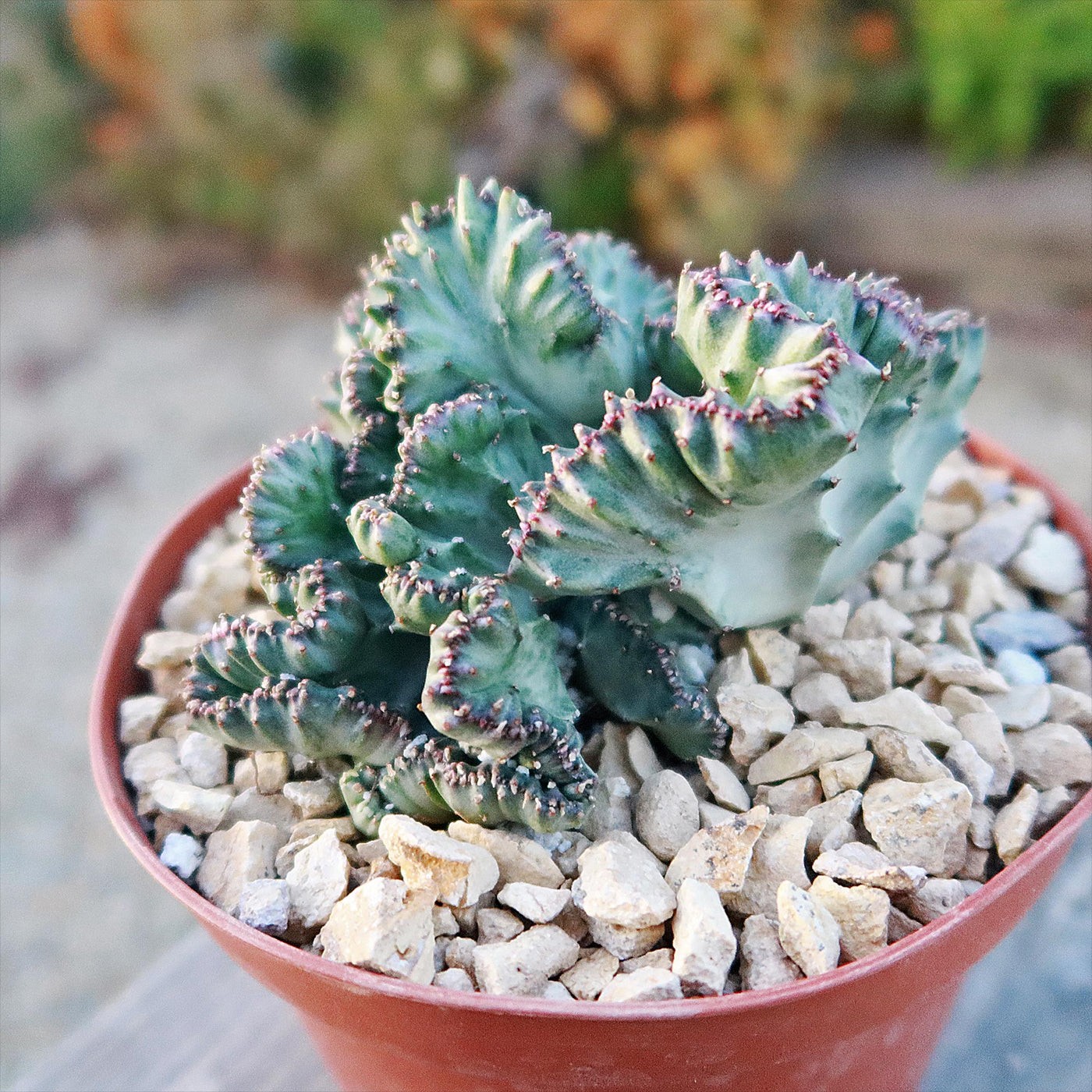
succulent coral plant

succulent coral plant Shop 'Coral Cactus - Euphorbia lactea cristata'

Sale price$18.50 Regular price$20.56
Save 10%

Pay in installments of $5.14 with ShopPay, AfterPay and Klarna

Shipping Estimate
USA
  • USA
  • CAN

Ships within 48 hours · Estimated delivery Sep 13 - Sep 18

Promo Codes Available:

For Your Every Summer RSVP, with Code: SUMMER15

Description

succulent coral plant Shop 'Coral Cactus - Euphorbia lactea cristata'The coral cactus, known as Euphorbia lactea 'cristata' despite its name, isnt a cactus but a unique hybrid of two succulent species. With its striking appearance in shades of green, blue grey, or whitish green, this low maintenance plant is an eye catching and easy to care for houseplant. Hailing from Africa, this fan shaped succulent is sure to make a statement wherever it's planted. It can grow up to 2 feet tall and 16 inches wide. Euphorbia plants

The coral cactus, known as Euphorbia lactea 'cristata' despite its name, isn’t a cactus but a unique hybrid of two succulent species. With its striking appearance in shades of green, blue-grey, or whitish-green, this low-maintenance plant is an eye-catching and easy-to-care-for houseplant. 

Hailing from Africa, this fan-shaped succulent is sure to make a statement wherever it's planted. It can grow up to 2 feet tall and 16 inches wide.

Euphorbia plants can probably be successfully grown if you've previously grown any other perennial succulent species.

Furthermore, if you are just starting out, you should know that many succulent species can tolerate neglect. In that situation, a coral cactus is a fantastic option for you.  

The coral cactus flowers are small and inconspicuous, typically vibrant pink and purple blooms in the summer and spring. The flowers appear in clusters along the edges of the crested stems, adding a unique touch to this unusual plant. 

This drought-tolerant species is low maintenance and easy to care for. These succulents require some initial care, but once established, they are self-sufficient. Contrary to neglect, excessive care and watering often result in the death of succulents.  

When and How to Water Your Coral Cactus 

This coral cactus plant can withstand droughts and doesn't need to be watered frequently to survive. Let the soil completely dry out between waterings, and if in doubt, give it a little more time before watering again. Less water is needed if living in a humid location and indoor space. Pay attention to how the plant looks and adjust the watering accordingly. 

In the spring and summer, during the active growing seasons, water the plant deeply once the top 2 to 3 inches of soil feel dry, typically every 1 to 2 weeks. Ensure the pot has drainage holes to prevent root rot, as coral cacti are highly sensitive to standing water.

In the fall and winter, the plant enters dormancy and requires much less water. You can reduce watering to once every 3 to 4 weeks, or only when the soil is completely dry. Overwatering during this period can cause root rot and damage to the plant.

When watering, always avoid splashing water on the ruffled top (crest), as moisture trapped here can lead to fungal issues. Use a watering can to direct water toward the soil, ensuring thorough hydration without pooling. Monitor your plant for signs of stress—wilting or shriveling leaves indicate underwatering while yellowing or soft stems suggest overwatering. Maintaining a consistent but cautious watering routine is key to keeping your coral cactus healthy.

Light Requirements - Where to Place Your Coral Cactus 

When growing indoors, the coral cactus thrives in bright, indirect light, making it perfect for placement near an east- or south-facing window where it can receive 4 to 6 hours of filtered sunlight daily. Direct sun for prolonged periods can scorch the ruffled crest, so diffuse the light using sheer curtains if needed.

Artificial grow lights can also supplement its light needs in rooms with limited natural light. Rotate your plant occasionally to ensure even light exposure and prevent leaning.

For outdoor cultivation, the coral cactus can be placed in a shaded or partially shaded area where it receives morning sunlight and is protected from intense afternoon rays.

A spot with 3 to 4 hours of gentle sun works best, especially during summer.

Direct exposure to harsh sunlight for extended periods can burn the crest and cause discoloration.

If growing outdoors, gradually acclimate the plant to sunlight to prevent shock.

Optimal Soil & Fertilizer Needs 

If you're looking to grow some gorgeous crested Euphorbia succulent you'll need to make sure you have the right soil and fertilizers. Instead, make or buy a well-draining potting mix, or ideally use our specialized potting mix that contains over 10 natural substrates and mycorrhizae to promote the development of a strong root system that helps your plants to thrive. 

When it comes to fertilizing, remember that less is more. A small amount of NPK fertilizer once a year in spring will do wonders for your plant's health and growth. Using 100% organic fertilizers also ensures that other beneficial compounds and microbes are added to the soil, without the use of harsh chemicals.    

Hardiness Zones & More 

When growing indoors, coral cacti thrive at consistent temperatures between 60°F to 85°F, which aligns with most typical household conditions. They prefer moderate humidity but adapt well to lower-humidity environments, making them ideal for indoor spaces. Avoid placing the plant near cold drafts, air conditioners, or heaters, as sudden temperature fluctuations can stress the plant. To keep the plant healthy indoors, ensure bright indirect light and avoid overly humid areas like bathrooms unless there is sufficient airflow.

For outdoor cultivation, coral cacti grow well in USDA hardiness zones 10-11, only in specific regions like southern Florida and Hawaii, where the warm, tropical climate matches their needs.

In these regions, the plant can tolerate outdoor humidity levels but still requires protection from heavy rain and extreme sun. 

Place it in a spot with partial shade and well-draining soil to prevent root rot. If temperatures drop below 50°F, bring the plant indoors to protect it from cold damage, as coral cacti are not frost-tolerant.

Wildlife - Coral Cactus Attracts the Following Friendly Pollinators

The Coral Cactus can attract pollinators such as bees, butterflies, hummingbirds, and other beneficial insects when it produces small blooms under the right conditions. Its unique crested shape and striking appearance can make it a visually intriguing feature in gardens or patios, drawing in wildlife that helps sustain a balanced ecosystem.

Butterflies
Bees
Hummingbirds
Lady Bugs
Multi Pollinators
Other Birds

According to ASPCA, ingesting this coral cactus in large amounts can be mildly toxic to humans, cats, and dogs. While it is safe to touch and handle, precautions should be taken to avoid accidental ingestion.

How to Propagate Your Coral Cactus

To propagate your coral cactus, you can take stem cuttings from the plant and allow them to callus over before planting them in well-draining soil. Make sure to keep the cuttings in a warm, bright location and water sparingly until roots develop. You can also propagate your coral cactus by division, separating offsets from the main plant and replanting them in their own containers.

Key Takeaways

  1. The Coral Cactus thrives in arid conditions and requires minimal watering, making it an ideal choice for low-maintenance gardens and indoor spaces.
  2. Its striking fan-like, wavy shape resembles coral, giving it a sculptural and artistic appeal that stands out in any setting.
  3. While it thrives as an indoor plant across most of the United States, it can only grow outdoors in specific regions like southern Florida and Hawaii, where the warm, tropical climate aligns with its natural habitat.
  4. The Coral Cactus grows well with bright, indirect light and adds a touch of modern elegance to any home or office space.

The Bottom Line

Overall, the Coral Cactus (Euphorbia lactea 'cristata') is a unique and eye-catching plant with its coral-like appearance and crested growth pattern. This succulent requires bright, indirect light and well-draining soil to thrive, making it a low-maintenance option for indoor gardens. With its striking beauty and easy care requirements, the Coral Cactus is sure to be a standout addition to any plant collection.

Shipping Notes
  • Free Standard Shipping on $100+ Orders to the USA.
  • Except Preorder products are shipped in 48 hours.
  • Delivery to the USA:
  1. Standard Shipping : 3-10 business days
  • If time is of the essence, please consider selecting expedited delivery for faster service.
Exchange/Return Notes
  • We offer a 30-day return/exchange service after receiving.
  • Final sale items are not eligible for returns or exchanges.
  • To process your return/exchange, please contact us at [email protected]
  • Please click here for more details>>> Return & Exchange Policy
SKU: 16708719014

Discover Niche Categories That Outsell succulent coral plant

Top-Converting Item to Boost Your Average Order

4.3 ★★★★★
Based on 29 reviews
Sort
Highest Rating
Newest First
Oldest First
Product Reviews
S
Verified Purchase
shaleah newmam
Dallas, US
★★★★★ 5
No regets
Format: Paperback
This was a good book to read! In school you only learn the male prospective during slavery! I know feel I can say white woman played a major role during slavery times. I like that fact that the Author put in the information to where we can go srwcah and read for ourselves. The visuals where an added touch. I feel like because alot of women of that time couldn't write so alot of information was missing. I feel like this is a must read.
WAS THIS REVIEW HELPFUL?YesReportShare
Reviewed in the United States on April 9, 2025
A
Verified Purchase
AuthorAnnaBella
Boise, US
★★★★★ 5
One of the most poignant books I have read in a long time.
Format: Paperback
One of the most poignant books I have read in a long time. “Southern communities, lawmakers, and courts recognized slave-owning women as individuals able to acquire and exercise mastery over enslaved people, s is evident from laws passed throughout the South. Laws dating back to the colonial period routinely recognized the mistresses owned enslaved people in their own right, and these same laws acknowledged the fact that these women were capable of exercising mastery over the enslaved people they owned.” Stephanie E. Jones - Rogers. They were referred to as Southern Belles’. Revered for their ladylike daintiness. But… there was nothing dainty about their dealings for they too, owned human property. These white southern mistresses were heavily involved and often owned more property than their male counterparts even being the breadwinners. These women were barbaric and wore the crown of cruelty. Dr. Rogers gave the enslaved a voice in this text – allowing our ancestors to share with us their story and experiences under the thumb of white mistresses. This text uncovers the extent of the involvement that white women had with slave ownership. There was discord in marriages due to white women struggles to maintain control of their financial gains of human property. These women utilized the judicial system to protect their pecuniary interests. The parents of these white girls/women bequeathed slaves to white females i.e. as young as newborns – which leads us to mistresses in the making – that is the education of young white women of the mastery of slave ownership. My heart broke as I was able to envision the accounts of atrocities inflicted upon our ancestors. Our people were raped and forced into being breeders and wet nurses to ensure the livelihood of these white mistresses and their families. The evidence is insurmountable in all the ways slave-owning women invested in, and profited from their financial ties to American slavery and its marketplace. Most importantly, there was testimony from formerly enslaved people of their experiences within slavery. This text is a mandatory read for all and in my opinion, must be included as part of the curriculum in schools.
WAS THIS REVIEW HELPFUL?YesReportShare
Reviewed in the United States on October 16, 2020
U
Verified Purchase
Urban Professor
Chelsea, US
★★★★★ 5
Slave Trade was not only a White Man's Affair
Format: Kindle
The book is an excellent read particularly in today's climate. Why 53% of white women would put a vile man in office is explained in the pages of this book. White women held positions of power in the America slave trade, a fact overlooked in history. These southern bell's represented as the gold standard of woman hood in the antebellum south were anything but, and they for the most part showed as much, business savvy as down right cruelty in the slave trade. They benefited in every conceivable way from this free labor market. They were no advocates for the kind humane treatment of slaves. In many cases they were as vicious as their counterpart and just as committed to a keeping Blacks marred in the system of bondage. They are in most cases depicted as silent partners and where that might be the case many white women had full command and knowledge of the value of a slave they invested in and they wanted a hefty return. In fact they used every means on the table to keep these black, men, women and children bound to their wealth creation. These co-conspirators had more than a hand in the cookie jar, they enjoyed the power and did not hesitate to support the maintenance of this inhumane institution.
WAS THIS REVIEW HELPFUL?YesReportShare
Reviewed in the United States on April 24, 2019
T
Verified Purchase
The Gypsy Reader
San Leandro, US
★★★★★ 5
Excellent book, not only for lawyers or law students
To begin with, I am neither a lawyer, a law student, nor even a prospective law student. I am, however, someone who has always been interested in the law, primarily for two reasons. First, the law is the principal formal means a society uses to try to resolve conflict among the society's members. Second, and closely related to the first reason, the sum shape, both of content and procedure of the law, is an expression of exactly what a society's values are and the goals a society sets for itself or the standards by which it ideally wishes to be judged. I found this book to be excellent, informative, well written, and even at parts entertaining. Although meant as a guide for law students to use to prepare for the strenuous exams that are associated with each course they will take in law school, the book provides much, much more, and hence my belief that it can profitably be read by a far larger readership than its ostensible audience. One of the key elements stressed throughout, and exemplified by numerous enlightening examples, is that there usually is no one correct answer to any given legal question. Arguments can be made on at least two sides of any matter based upon, for example, a "plain reading" of the text of a relevant law and the reasonably understandable intent of those who made the law (e.g., a legislature). The authors bring out clearly such sources of legal precedent as laws, government regulations, individual case law decisions by judges, common law, government policy, and specific codes (e.g., the Uniform Commercial Code, or UCC) and show how differing results to a case can readily come about based upon arguments using the different sources to bolster respective cases. In reality, although by minimal definition a book designed, as said above, to prepare for the taking of law school tests, the book actually also is a good guideline on how to think (not necessarily what to think) about many larger issues in society, including politics and policy issues of all sorts. Finally, the first two thirds of the book discuss ways to think about the wide range of questions that can be posed to aspiring lawyers and introduces the reader to understanding such distinctions as "forks in the law" and "forks in the facts" (a quite useful distinction to keep in mind). The final part of the book provides solid test taking strategies that are applicable to a wide range of academic testing (e.g., answer the question the professor actually asked and avoid wasting time or effort on ancillary matters not really germane to helping to resolve the issue.) Although some of these may seem obvious once read, the tips are the type of thing that, under pressure of exams, many students often forget to apply. In sum, I highly recommend this book to those interested in life in the modern world.
WAS THIS REVIEW HELPFUL?YesReportShare
Reviewed in the United States on August 29, 2015
A
Verified Purchase
Amazon User
Whiting, US
★★★★★ 5
Must read for 1L or Incoming Law Student! So helpful!!!
Format: Paperback
Any 1L or incoming law student needs to read this book! So, I took the BARBI Law Preview before law school began to get an overview of what law school was like and a heads up on how to do things. During this program I had read just two chapters of the book- and these two chapters alone put me in a crucial mind frame to understand the importance of what your professors are looking for. It is not just about distinguishing the right issues and facts, because there is truly no such thing, but distinguishing both sides of an issue, and of course you have to read the book to get more info, but I feel like it has helped me understand what success sounds like in exams. I am only going into my third week of 1L, but I can tell the book has given me a leg up. I recommend that you read this book before you start, or in the first two weeks (though you'll be burdened with a lot of reading then- so before is best) so you can get into the mindset, instead of doing it right before exams and feeling like you have to rewire your brain to everything you thought you understood. I guess I'll have to update you guys once I see my exams, but so far so good!
WAS THIS REVIEW HELPFUL?YesReportShare
Reviewed in the United States on September 4, 2015

recommand products