Pay in installments of $5.19 with
 ,
,
 and
and

Shipping Estimate
USA
- USA
- CAN
- USA
- CAN
Ships within 48 hours · Estimated delivery Sep 6 - Sep 11
 Promo Codes Available:
For Your Every Summer RSVP, with Code: SUMMER15
Description
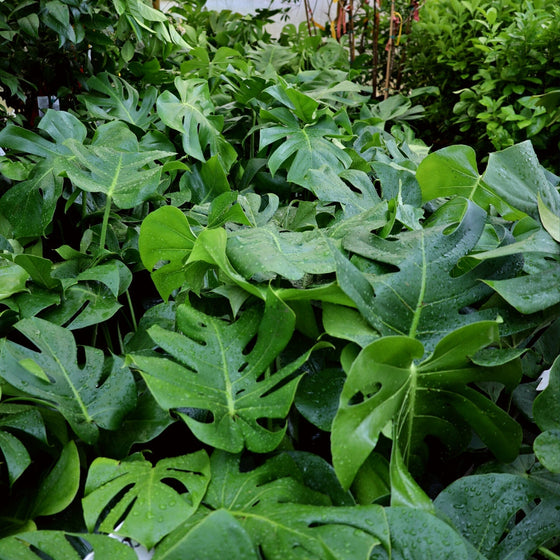
large tropical house plants for sale Monstera deliciosa (6in+) 6inIconic Split Leaves That Create Instant Tropical Impact Monstera deliciosa has become one of the most sought after foliage houseplants because its leaves bring unmistakable tropical character indoors. As the plant matures, the broad green leaves develop dramatic splits and natural holes known as fenestrations, giving the foliage that instantly recognizable Swiss cheese plant look. Those openings are part of what makes Monstera deliciosa feel so
Iconic Split Leaves That Create Instant Tropical Impact
Monstera deliciosa has become one of the most sought-after foliage houseplants because its leaves bring unmistakable tropical character indoors. As the plant matures, the broad green leaves develop dramatic splits and natural holes known as fenestrations, giving the foliage that instantly recognizable Swiss cheese plant look. Those openings are part of what makes Monstera deliciosa feel so sculptural and high-impact in a room. Even a single plant can change the mood of a space, making it feel more layered, lush, and alive without relying on flowers or seasonal color.
The beauty of this plant is not just in its size, but in the way its foliage evolves over time. Younger plants often start with smoother, more solid leaves, then gradually develop the bold cutouts that indoor gardeners are waiting for. That growth progression adds excitement and gives the plant a sense of maturity and personality as it settles into your home. The foliage is glossy, rich green, and substantial enough to hold its own in almost any interior style, from modern to collected and organic. For plant lovers looking for a houseplant that feels both trendy and timeless, Monstera deliciosa remains one of the most rewarding indoor foliage plants you can grow.
A Statement Houseplant for Stylish Rooms and Large Containers
Monstera deliciosa is a natural fit for plant lovers who want more than a tabletop accent. This is the kind of houseplant that works beautifully as a living focal point in bright living rooms, offices, sunrooms, bedrooms with filtered light, or spacious entryways. Its broad leaves and upright-to-climbing habit help fill visual space in a way that feels intentional and luxurious. In the right decorative container, Monstera deliciosa can soften hard corners, bring warmth to minimalist interiors, and add a relaxed tropical mood that still feels refined.
It is also one of the most versatile large houseplants for styling. Left to grow naturally, it can develop a broad, spreading presence with dramatic foliage at different levels. Given a moss pole, plank, or other sturdy support, it takes on a more vertical look and often produces larger, more impressive leaves over time. That flexibility gives homeowners more control over how they want the plant to behave in a room. It can serve as a floor plant, a greenery anchor in a plant grouping, or a design-forward statement piece on its own. If your goal is to create a room that feels fresh, grounded, and full of life, Monstera deliciosa is one of the strongest foliage choices available.
Easy Indoor Care With High Visual Reward
Part of the reason Monstera deliciosa has become such a favorite is that it offers impressive size and dramatic foliage without requiring a difficult care routine. It performs best in bright indirect light, where it can grow steadily and produce healthy, well-formed leaves without the scorch that strong direct sun can cause. Watering is also straightforward when the plant is potted correctly: allow the top portion of the potting mix to dry slightly, then water thoroughly and let the excess drain away. This rhythm helps support healthy roots while reducing the risk of soggy soil and overwatering problems.
Monstera deliciosa also adapts fairly well to everyday indoor life. It appreciates moderate humidity and warm temperatures, but it is often more flexible than many people expect, especially once established in a stable environment. A rich, well-draining soil mix and a container with drainage go a long way toward keeping it healthy. During the growing season, regular feeding can help fuel larger leaves and fuller growth, while occasional pruning keeps the plant tidy and encourages better shape. For indoor gardeners who want a tropical statement plant with a manageable learning curve, Monstera deliciosa offers a strong combination of beauty, reliability, and long-term satisfaction.
A Great Fit for Plant Lovers Ready to Grow Into Bigger Greenery
Monstera deliciosa is especially appealing for indoor gardeners who want a plant with room to grow, both literally and aesthetically. It makes an excellent upgrade from smaller starter houseplants because it delivers that next-level indoor jungle feel without becoming impossibly difficult to manage. It is also a memorable gift plant for housewarmings, birthdays, office openings, or anyone building a more plant-filled home. The large, evolving foliage gives it a premium feel, while the care routine remains approachable enough for beginners ready to try something more dramatic.
The main practical consideration with Monstera deliciosa is placement and safety. It is not pet-safe, so households with cats, dogs, or curious children should place it carefully out of reach of pets and curious children. It also benefits from room to spread and enough overhead or surrounding space to show off its mature form. For plant lovers who want a bold indoor plant that feels lush, current, and lasting, Monstera deliciosa brings strong design value and long-term growing satisfaction. It is one of those rare houseplants that can start as a stylish accent and grow into a true signature piece for the home.
If you fell in love with the Swiss Cheese Plant, check out its sister—the Swiss Cheese Vine! Botanically referred to as Monstera adansonii, this tropical plant is like a Deliciosa Monstera shrunk down and vining.
Shipping Notes
- Free Standard Shipping on $100+ Orders to the USA.
- Except Preorder products are shipped in 48 hours.
- Delivery to the USA:
- Standard Shipping : 3-10 business days
- If time is of the essence, please consider selecting expedited delivery for faster service.
Exchange/Return Notes
- We offer a 30-day return/exchange service after receiving.
- Final sale items are not eligible for returns or exchanges.
- To process your return/exchange, please contact us at [email protected]
- Please click here for more details>>> Return & Exchange Policy