Pay in installments of $5.76 with
 ,
,
 and
and

Shipping Estimate
USA
- USA
- CAN
- USA
- CAN
Ships within 48 hours · Estimated delivery Sep 30 - Oct 5
 Promo Codes Available:
For Your Every Summer RSVP, with Code: SUMMER15
Description
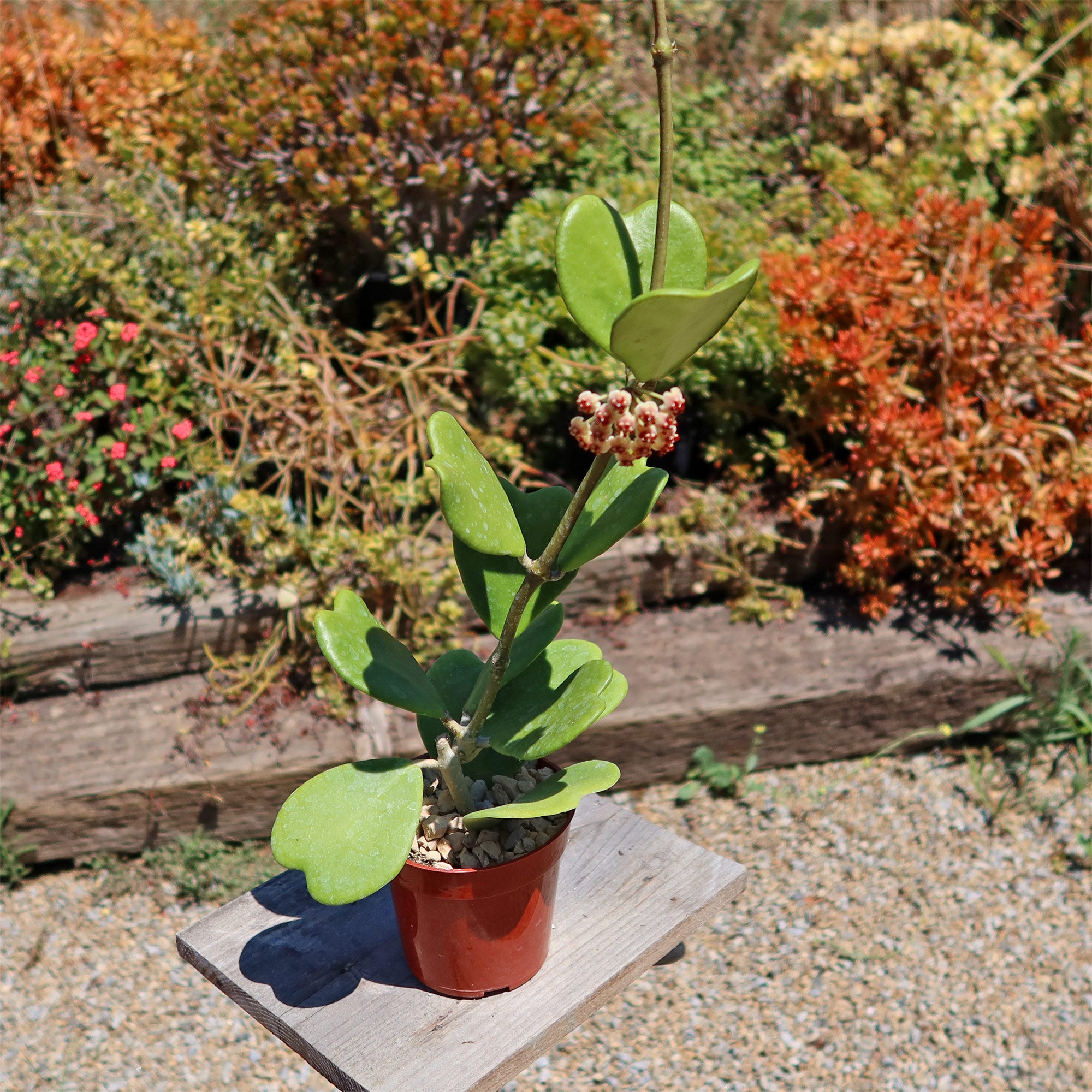
succulent with heart shaped flowers Hoya kerrii TrailingIntroducing the stunning Hoya Kerrii known for its heart shaped succulent leaves. This trailing Hoya kerrii plant with heart shaped leaves is a thoughtful and easy to care for plant; ideal for anniversaries, Valentine's Day, or any occasion to express love and growth. Hoya kerrii has thick, fleshy waxy leaves that are typically bright green on one side and pale green on the other. They can vary in size, with some leaves being small and others growing
Introducing the stunning Hoya Kerrii known for its heart-shaped succulent leaves. This trailing Hoya kerrii plant with heart-shaped leaves is a thoughtful and easy-to-care-for plant; ideal for anniversaries, Valentine's Day, or any occasion to express love and growth.
Hoya kerrii has thick, fleshy waxy leaves that are typically bright green on one side and pale green on the other. They can vary in size, with some leaves being small and others growing quite large.
Native to Asia, this compact Hoya kerrii plant is known for its tropical succulent vines that can grow up to 13 feet long, making it a popular choice for small indoor spaces or hanging baskets.
Hoya kerrii has several interesting varieties, including Hoya kerrii variegated. Unlike this trailing Hoya kerrii, the particular Hoya heart plant variety stays as a single-leaf Hoya kerrii, adding a touch of charm and symbolism to any space.
It's a symbol of love and affection, making it a popular choice as a gift for loved ones.
The Hoya kerrii flowers bloom during the summer with a cluster of small, star-shaped blooms.
The Hoya kerrii blooms are typically fragrant and come in shades of white or pink. While this lush hoya kerrii can bloom, it may take 2-3 years for it to reach maturity and produce flowers.
If you haven't noticed any bloom, here are a few tips to speed up the process.
Pro Tip
Keeping hoya root-bound encourages the plant to focus its energy on flowering rather than growing new foliage. This can result in more frequent and abundant blooms, making for a visually stunning and healthy plant. Ensure your hoya receives several hours of direct sunlight daily and avoid overwatering, as it can cause the soil to become too damp, hindering the blooming process.
The Hoya Kerrii is a popular plant known for its heart-shaped leaves. Also popular for valentines and relationships is the single heart leaf version that comes in two variations: the solid green Single Heart Hoya Kerrii and the variegated Single Heart Hoya Kerrii, both stunning additions to any plant collection.
Interestingly, both the single-heart and variegated single-heart Hoya Kerrii are actually the same plant. At Planet Desert we take cuttings from the original plant and cultivate them to produce the single-heart-shaped leaf that people love the most. It's amazing how we can create different variations of the same plant through propagation.
Propagation of the Hoya kerrii can be done through stem cuttings. When hoyas are getting ready to sprout new leaves or blooms, they send out long vines that are often bare for a period of time. Unless you are attempting to limit growth, never cut these hoya vines. Eventually, mature plants will start to sprout leaves or flowers.
Additionally, hoyas put out long vines that are often bare during their preparation for new growth. It's crucial not to cut these vines unless you're trying to control their growth. They serve as an energy source for your Hoya kerrii plant's future growth, and allowing them to flourish ensures a healthy and robust hoya with beautiful foliage or blossoms in due time. It's essential to resist the temptation to trim these Hoya kerrii vines during this period.
Watering Needs
When it comes to watering your Hoya kerrii, it's important to find the right balance. For Hoya plants, very little water is needed. You should never oversaturate the soil because their leaves are thick and waxy, which allows them to store plenty of water. Therefore, it's important to keep the moisture in the soil to a minimum.
Make sure to thoroughly soak the soil, allowing the excess water to drain out completely. It's best to water from the bottom by placing the pot in a tray of water and letting the hoya kerrii absorb the moisture through its roots. This helps prevent water from sitting on the leaves, which can cause rot.
In the spring and summer, during the growing season, you can water your Hoya heart plants about once every 1-2 weeks or whenever the top inch of soil feels dry to the touch. In the cooler months, when your hoya plant is in its resting period, you can reduce the frequency of watering to once every 2-3 weeks.
For Hoya heart plant growth, it's always better to underwater than to overwater. This Hoya plant is quite resilient and can tolerate a bit of drought, but it's sensitive to excessive moisture. So, keep an eye on the soil moisture and adjust your watering schedule accordingly.
Remember to keep an eye on the leaves to determine if your hoya sweetheart plant needs water; if they are still full, then it doesn't, but if they are thinner and slightly wrinkled, then it's time for a good drink.
Light Requirements
For indoor growing, the Hoya kerrii tolerate bright, indirect light. Place it near a south-facing window where it can receive plenty of filtered sunlight throughout the day. Avoid exposing your Hoya kerrii plant to direct sunlight, as it can scorch the leaves.
If you notice that the leaves are turning yellow or pale, it might be an indication that your hoya plant needs more bright light. If you lack natural light, you can consider supplementing with artificial grow lights to provide the necessary brightness.
When growing the Hoya hearts trailing plant outdoors, it thrives in partial shade. Too much direct light can be too intense for the mature plant, especially during the hottest parts of the day. Morning or late afternoon sun is ideal. If you live in a region with intense sunlight, providing some protection, such as a sheer curtain or shade cloth, can help filter the light and prevent leaf burn.
Remember, your Hoya kerrii leaves will be a vivid dark green if they receive enough sunlight. The Hoya plant will stop growing and develop thin, undernourished leaves if not provided with enough light. So, avoid dark areas or shady places to keep this hoya kerrii succulent heart healthy.
Optimal Soil & Fertilizer Needs
Hoya kerrii prefers a sandy, well-drained soil mix, as excess moisture can promote root and stem rot. Planet Desert specializes in succulents and has a specialized succulent potting soil that includes an organic substrate with mycorrhizae to help with the growth of a healthy root system to help your Hoya heart succulents thrive. As an okay alternative, you can create your own well-draining potting mix by combining equal portions of perlite, coarse sand, and good natural potting soil for the hoya plant.
The Hoya kerrii doesn't require a lot of fertilizer, but a little boost can certainly help it grow and bloom. During the growing season, which is typically spring, you can feed your trailing plant with a balanced (5-10-5), water-soluble NPK fertilizer to encourage flowering. Dilute the fertilizer to half or quarter strength and apply it once a year.
During the cooler months, when your hoya kerrii is in its resting period, you can reduce or even stop fertilizing altogether. This allows the Hoya kerrii to take a break and prepare for new growth in the following season.
Remember, it's always better to under-fertilize than to over-fertilize your Hoya kerrii. Too much fertilizer can cause salt buildup in the soil, which can harm the roots. So, follow the recommended guidelines and enjoy watching your plant thrive!
Hardiness Zones & More
When grown indoors, the Hoya kerrii can tolerate a wide range of temperatures, but it generally prefers warm temperatures between 60°F and 75°F. It's important to avoid exposing the plant to extreme temperature fluctuations or drafts, as they can stress the plant.
The average household humidity should be sufficient for the plant's growth. However, if you live in a particularly dry climate or your home has low humidity, you can increase the humidity around the plant by using a humidifier, placing a tray of water nearby, or misting the leaves with water. These methods can help create a more favorable environment for your Hoya kerrii.
If you are living in USDA zones 10–12, you can grow your Hoya kerrii outdoors year-round. Just make sure not to let them get too chilly; anything below 50 degrees Fahrenheit could spell disaster for your lovey-dovey Hoya heart plant. However, it's important to protect the Hoya kerrii hearts from frost and extreme heat for long periods of time. If you live in a colder climate, you can still enjoy your Hoya kerrii outdoors during the warmer months and bring it indoors when temperatures drop.
Final Thoughts
Overall, the Hoya kerrii is a delightful houseplant with heart-shaped leaves that symbolize love and affection. Its fleshy, thick leaves and clusters of fragrant, star-shaped flowers make it a charming addition to any indoor space. The Hoya kerrii trailing plant is ideal for hanging baskets, providing greenery and a beautiful display for adding greenery to your space. Its trailing nature allows it to gracefully drape down from hanging baskets, while its vines can be trained to climb up trellises, adding a beautiful touch to your home or garden. Propagation is possible through stem cuttings, and it's worth noting that this young plant is non-toxic to humans and pets.
Whether you're a plant enthusiast or looking for a meaningful gift, the Hoya Kerrii are sure unique vining succulents to bring joy and beauty to your home.
Shipping Notes
- Free Standard Shipping on $100+ Orders to the USA.
- Except Preorder products are shipped in 48 hours.
- Delivery to the USA:
- Standard Shipping : 3-10 business days
- If time is of the essence, please consider selecting expedited delivery for faster service.
Exchange/Return Notes
- We offer a 30-day return/exchange service after receiving.
- Final sale items are not eligible for returns or exchanges.
- To process your return/exchange, please contact us at [email protected]
- Please click here for more details>>> Return & Exchange Policy