Pay in installments of $5.38 with
 ,
,
 and
and

Shipping Estimate
USA
- USA
- CAN
- USA
- CAN
Ships within 48 hours · Estimated delivery Oct 21 - Oct 26
 Promo Codes Available:
For Your Every Summer RSVP, with Code: SUMMER15
Description
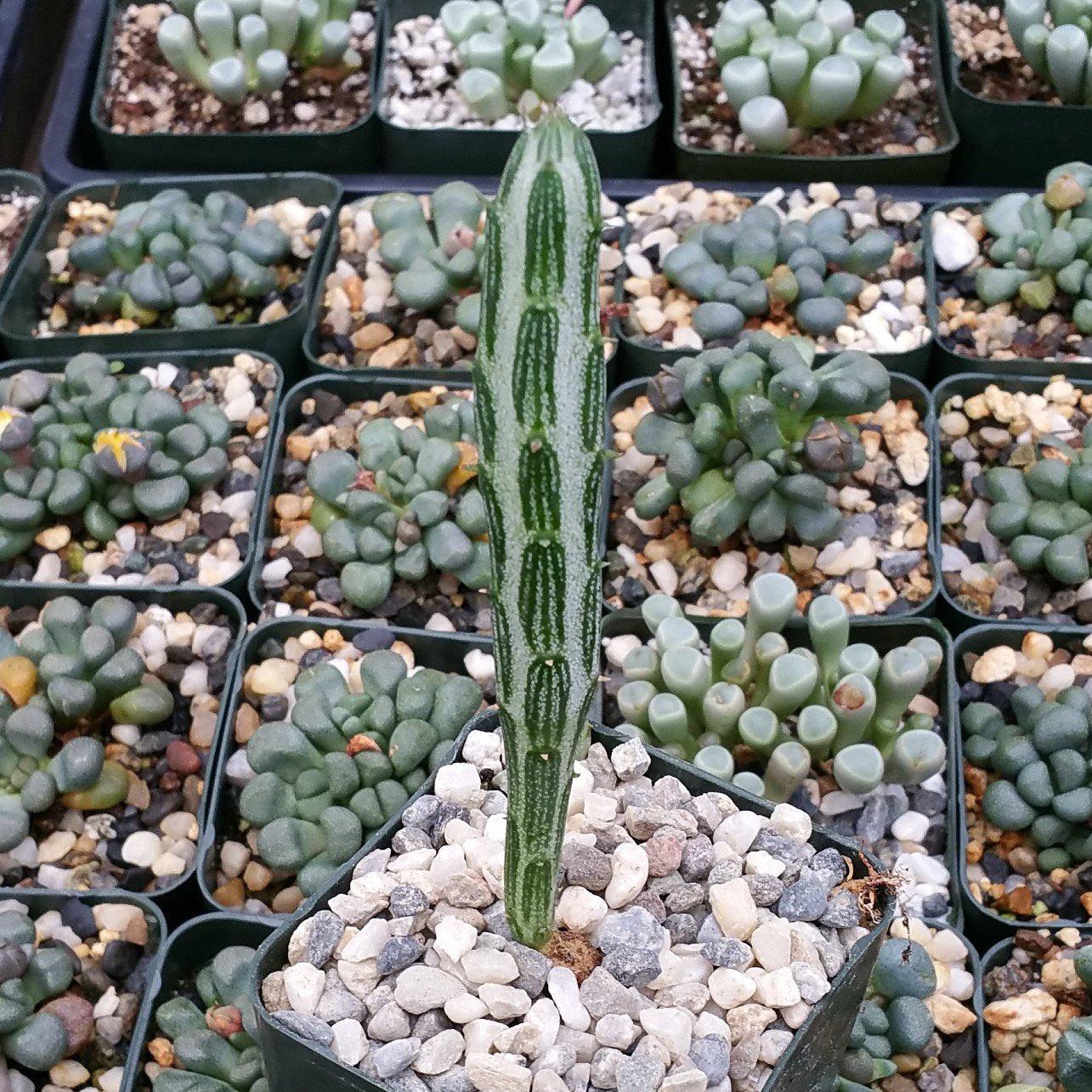
candlestick succulent Senecio stapeliiformis 4" PotIntroducing the Senecio stapeliiformis, which is a low maintenance succulent that belongs to the Senecio, opens in a new tabGo to ragworts senecio genus. Native to South Africa, the Senecio stapeliifomis has several other common names such as candle stick plant, Inch Worms, spider plant, Kleinia stapeliiformis, and candle plant. The Senecio stapeliiformis is also called the "pickle plant," but the real pickle plant is actually the Delosperma
Introducing the Senecio stapeliiformis, which is a low-maintenance succulent that belongs to the Senecio, opens in a new tabGo to ragworts senecio genus. Native to South Africa, the Senecio stapeliifomis has several other common names such as candle stick plant, Inch Worms, spider plant, Kleinia stapeliiformis, and candle plant.
The Senecio stapeliiformis is also called the "pickle plant," but the real pickle plant is actually the Delosperma echinatum, opens in a new tabGo to delosperma echinatum pickle plant. It gets its name "pickle plant" because its elongated, cylindrical, and segmented stems bear a striking resemblance to pickles or gherkins.
The Senecio stapeliiformis is a unique and attractive succulent that has erected, leafless stems with soft spines and a green-and-white pattern that looks similar to a cucumber.
Its stems are soft, fleshy, and brittle, up to 12 inches tall, and spread out to form dense clusters.
However, when cultivated as a houseplant, it usually stays smaller, reaching around 6-8 inches in height.
Its scale leaves are dark green, often pinkish, and have silvery-green striations and purple arrowhead markings below each node.
The Senecio stapeliiformis flowers bloom during the summer months, with small, star-shaped showy red flowers. These flowers have a unique fragrance that is often described as similar to that of cloves.
The propagation can be easily achieved through stem cuttings. Simply take a healthy stem cutting, allow it to be callous for a few days, and then place it in well-draining soil. Keep the soil lightly moist until the cutting establishes roots. Additionally, the plant can also produce new shoots from the base, which can be separated and replanted to create new plants.
The Senecio stapeliiformis are beneficial for outdoor cultivation due to their quick spread and dense foliage mats, making them ideal ground cover for rock gardens or sunny slopes requiring erosion control.
Watering Needs
Like other succulents, opens in a new tab, it's important not to overwater your Senecio stapeliiformis. Overwatering or too much moisture can lead to root rot and other issues. The key is to let the soil dry out completely between waterings. This usually means watering the plant deeply, allowing the water to soak through the soil, and then waiting until the top inch or so of the soil is dry before watering again.
In the winter and spring, during the active growing season, you can water your Senecio stapeliiformis pickle plant about once every two weeks. However, it's always a good idea to check the moisture level of the soil before watering. Stick your finger into the soil up to your knuckle—if it feels dry, it's time to water.
In the summer, during the dormant season, the pickle plant requires less water. You can reduce the frequency to once a month or even less, as the plant goes into a rest period and doesn't need as much hydration.
Remember, it is well-adapted to living in dry environments with limited water availability. Make sure the pot has drainage holes, and use a well-draining soil mix specifically designed for succulents. This will help prevent water from pooling around the roots and causing damage.
Light Requirements
When growing indoors, the Senecio stapeliiformis enjoys bright, indirect light. Place it near a south-facing window where it can receive a few hours of indirect natural light each day. Avoid placing it in direct sunlight, especially during the hottest hours of the day, as this can scorch the leaves. If you notice the plant stretching or leaning toward the bright light source, it may be an indication that it needs enough light. In that case, you can consider supplementing with a grow light to provide the necessary brightness.
For outdoor cultivation, it can thrive in a location that receives partial shade to full sun. However, it's important to acclimate the plant gradually to prevent sunburn. Start by placing it in a shaded spot and gradually expose it to increasing amounts of sunlight over a week or two. Once acclimated, you can position it in a sunny spot where it can receive at least six hours of direct sunlight daily. Just keep an eye on the temperature, as excessive exposure can stress the plant. If the weather gets too hot, you may want to provide some shade during the hottest part of the day.
Remember, each plant is unique, so it's essential to observe how your pickle plant responds to the light conditions and make adjustments accordingly. With the right balance of indoor or outdoor lighting, your Senecio stapeliiformis will thrive and display its charming pickle-like leaves.
Optimal Soil & Fertilizer Needs
The Senecio stapeliiformis favors very airy, sandy soil that drains well. Planting them in ordinary wet soil will result in compacted roots, stunted growth, and most likely root rot. Instead, make or buy a well-draining cactus soil, or ideally use our specialized succulent potting mix, opens in a new tab that contains 5 natural substrates including coarse sand and mycorrhizae to promote the development of a strong root system that helps your succulent to thrive.
When it comes to fertilizing, the pickle plant doesn't require excessive amounts of nutrients. It's best to use a balanced, water-soluble NPK fertilizer specifically formulated for succulents. During the active growing season, which is typically spring, you can fertilize your pickle plant once a year. Dilute the fertilizer to half or quarter strength and apply it to moist soil. Be careful not to overfertilize, as this can lead to salt buildup and damage the roots. In the dormant season, you can reduce or even halt fertilization, as the plant's growth slows down.
Remember, it's always a good idea to monitor your plant response to the soil and fertilizer. If you notice any signs of nutrient deficiencies or excesses, such as yellowing leaves or stunted growth, adjust your care routine accordingly. With the right soil mix and a balanced approach to fertilization, your pickle plant will thrive and show off its unique charm.
Hardiness Zone & More
When growing indoors, it prefers temperatures between 60°F and 75°F. It's important to avoid extreme temperature fluctuations and drafts, as they can stress the plant. As for humidity, the pickle plant can tolerate average indoor humidity levels, but it appreciates a slightly higher humidity. You can increase humidity by placing a tray filled with water near the plant or by using a humidifier if the air in your home tends to be dry.
For outdoor cultivation, your Senecio stapeliiformis pickle plant is typically hardy in USDA hardiness zones 9 to 11. These zones generally have mild winters and warm temperatures year-round. If you live in a colder zone, you can still enjoy your pickle plant outdoors during the warmer months and bring it indoors before the first frost hits. Just make sure to acclimate the plant gradually to the outdoor conditions to prevent shock. As for humidity, the pickle plant can adapt to low to moderate humidity levels commonly found in arid or semi-arid regions.
Final Thoughts
Overall, the Senecio stapeliiformis is a beautiful plant that captivates succulent enthusiasts with its pickle-like stems and vibrant flowers. When it comes to Senecio stapeliiformis care, it is a low-maintenance plant that thrives in hot and dry climates, making it perfect for those who don't have a green thumb. With its unique appearance and easy propagation through stem cuttings, the pickle plant is a great addition to any indoor or outdoor garden. Just provide it with well-draining soil, ample sunlight, and occasional watering, and this charming succulent will continue to bring joy and whimsy to your space.
Shipping Notes
- Free Standard Shipping on $100+ Orders to the USA.
- Except Preorder products are shipped in 48 hours.
- Delivery to the USA:
- Standard Shipping : 3-10 business days
- If time is of the essence, please consider selecting expedited delivery for faster service.
Exchange/Return Notes
- We offer a 30-day return/exchange service after receiving.
- Final sale items are not eligible for returns or exchanges.
- To process your return/exchange, please contact us at [email protected]
- Please click here for more details>>> Return & Exchange Policy