SKU: 2178136440
are spider lilies poisonous

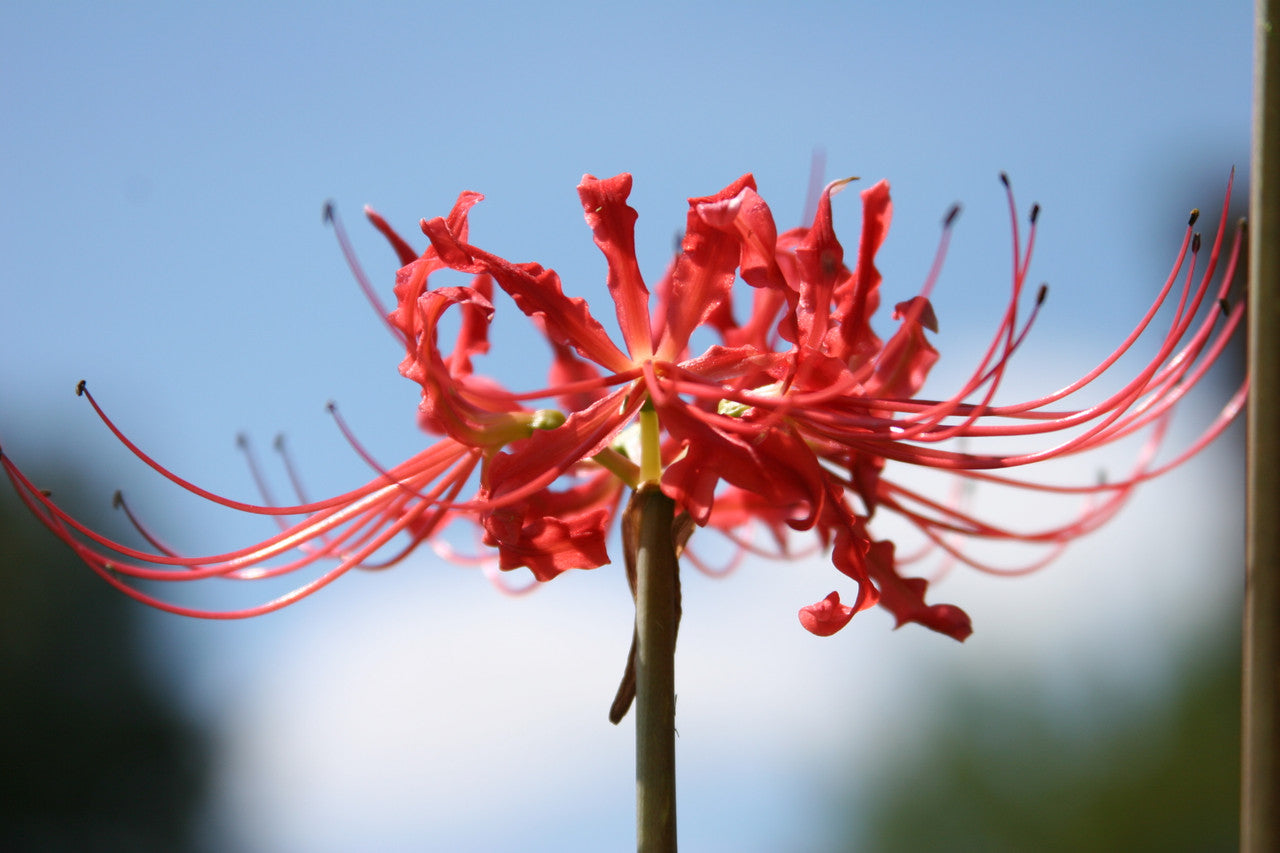
are spider lilies poisonous Red Spider Lily (Lycoris radiata) Southern Heirloom Triploid

Sale price$25.13 Regular price$27.92
Save 10%

Pay in installments of $6.98 with ShopPay, AfterPay and Klarna

Shipping Estimate
USA
  • USA
  • CAN

Ships within 48 hours · Estimated delivery Jul 24 - Jul 29

Promo Codes Available:

For Your Every Summer RSVP, with Code: SUMMER15

Description

are spider lilies poisonous Red Spider Lily (Lycoris radiata) Southern Heirloom TriploidRed Spider Lily (Lycoris radiata): A Gardener's Guide to the Enchanting Resurrection Flower Red spider lilies are beloved perennials that thrive in zones 7 10, bringing a burst of vibrant beauty to gardens when fall rains arrive. A Lily of Many Names: The Red Spider Lily's Regional Nickname: One of our favorite things about the red spider is its many names as you travel across the country. This also makes for interesting conversations with our

Red Spider Lily (Lycoris radiata): A Gardener's Guide to the Enchanting Resurrection Flower

Red spider lilies are beloved perennials that thrive in zones 7-10, bringing a burst of vibrant beauty to gardens when fall rains arrive.

A Lily of Many Names: The Red Spider Lily's Regional Nickname:

One of our favorite things about the red spider is its many names as you travel across the country. This also makes for interesting conversations with our customers to make sure that we are talking about the same flowering bulb. The names don't change the striking beauty of this fall-blooming flower. Here in East Texas, we call it the "red spider lily". It is red, and the stamens look like spider legs. Along the coast, it is often referred to as a "hurricane lily" because it often blooms after the first fall hurricane. Many people call this a "naked lady" because it blooms on a naked stalk. Others simply call it a "surprise" lily because it shows up out of nowhere and surprises you one day with a flower. No matter what it is called, its beauty will make you glad that you have it in your garden.

The Red Spider Lily's Unique Bloom Cycle: A Timeline

Understanding the Red Spider Lily's bloom cycle is key to successful cultivation. Most people still expect to see something growing during the summer months. You won't see anything. These lilies are dormant in the summer. The flowers suddenly appear with the first later summer or early fall rains. One day there is nothing growing and then suddenly you have a surprise, a fully blooming flower! That is why they are called "Surprise lilies". Yellow spider lilies act very similarly to yellow spider lilies, schoolhouse lilies, and naked ladies. Simply put, they bloom in the fall and then have foliage for the winter. I have spider lilies planted almost 2 years ago that have not yet produced blooms but have produced increasing foliage each year.

1. Planting (Anytime): Avoid hard freezes, but otherwise you can plant the bulbs anytime that you are thinking about them.
2. Dormancy (Summer): Bulbs rest underground, conserving energy.
3. Surprise Blooms (Late Summer/Early Fall): Flowers emerge seemingly overnight.
4. Foliage Growth (Fall/Winter): Leaves appear, gathering nutrients for the following year.

Nurturing the Foliage: The Key to Red Spider Lily Success

The foliage is vital for the bulb's health and reproduction. Don't be discouraged if you don't see blooms the first year – healthy foliage is a positive sign of bulb establishment. The foliage tells you the bulb is growing and multiplying. We know that we all want to see the beautiful unusual blooms in the fall, but the foliage is very important. The foliage is what allows the bulb to grow and multiply. Many people get very concerned if they don't see the spider lily bloom the first year that they plant it and believe that maybe the bulb isn't any good. The foliage is what you watch for if you don't see your spider lily bloom, or even if you do.

Below you will see a picture of the foliage of the red spider lily - it looks like grass. We took the picture on November 1st. The foliage has been popping out of the ground a little over the previous couple of weeks, but now you can really see the stand. All of those different tufts of foliage are bulbs, and someday you will see a beautiful stand of red spider lilies here. In this area because of the super dry summer, not one red spider lily bloomed. However, you can see that the bulbs are growing. The foliage is up and ready to take in nutrients over the next several months while helping the bulbs grow, mature, and multiply. I know you will have to take our word for it, but there wasn't even 1/2 that much foliage there last year which shows you how quickly the bulbs multiply. The foliage will continue to grow. Even if it gets hit by a winter cold snap, it will have taken in nutrients for months! Always allow the foliage to die down naturally and don't cut it off. If you cut it, you are killing the bulb. Once the foliage is completely dead which is usually around the beginning of May, this area can be mowed. Remember, it takes a lot of energy for the bulb to push that bloom up out of the ground and open wide. The more time the bulbs can take in nutrients, the more energy they will have for that fall bloom.

Sunlight Requirements: Ensuring a Spectacular Bloom

The single most important thing about landscaping with spider lilies is the sun. They need at least 6+ hours a day of WINTER sun. That means about 6-8 hours of sunlight during the winter months. If you look at the photo above, you will see that they are in the shade of the trees. You can be sure that most, if not all, of those trees, will lose their leaves in the winter when the greenery needs sunlight. The spider lily puts on its foliage during the winter (November - May) and that is when it takes in the nutrients it needs to produce those golden flowers the following September. The winter foliage soaks up sun energy during winter as it prepares for summer dormancy. The foliage normally completely dies down by around May.

Planting and Care Tips for Red Spider Lilies

Don't plant the bulb too deep. You will plant the bulbs 2-3 times deep the height of the bulb (so if your bulb is 2" tall, then you will plant it 4-5 inches deep). You can plant 2-3 per hole to make the blooms look more natural. Spider lilies really do well in any type of soil. They thrive in soil that has plenty of organic material mixed in, but they do not require fertilizer. Newly planted bulbs would actually be harmed by exposure to fertilizer, so if you are going to apply nutrients, limit the application to established plants when the plants are producing their green leafy foliage during the winter. After planting the bulbs, water the soil thoroughly. Damp soil is ok, as long as the bulbs are in a spot where they will receive plenty of winter sun and the foliage is allowed to die down naturally in the spring. Standing water is not good. Once the summer season starts the spider lily will do best in soil that dries out a bit, as this facilitates its entry into the dormant stage when its leaves die back. This period is followed by its blooming season when it will reward daily watering with long-lasting blooms. Too much moisture in the soil will lead to the bulbs rotting.

Planting Depth: Plant bulbs 2-3 times their height deep.

Soil Type: While adaptable, they thrive in soil rich in organic matter.

Watering: Water thoroughly after planting and during dry periods. The bulbs are dormant during the summer so you don't need to water them.

Fertilizer: Avoid fertilizing newly planted bulbs; established plants benefit from fertilizer during active foliage growth.

The performance of red spider lilies primarily hinges on two factors:

1. Winter Sunlight: To produce lush blooms, the bulbs need to absorb sufficient nutrients from the winter sun. Energy stored over months is used to create these breathtaking blossoms. For this, they require at least six hours of winter sun for several months to ensure they have the energy needed.

2. Fall Rains: The magic trigger for these blooms is the arrival of fall rains. Without adequate rainfall in September, the bulbs won't bloom, as the rains are the signal they've been waiting for.

Dividing and Multiplying Your Red Spider Lily Garden

Early spring is ideal for dividing, but it can be done whenever convenient. Remember, transplanting might cause the lilies to skip a blooming cycle.

Companion Plants for Red Spider Lilies: A Symphony of Color

Enhance your garden's beauty by pairing Red Spider Lilies with other perennials, annuals, or bulbs for continuous blooms:

Perennials: Salvias, Lantanas, Plumbago, Phlox
Annuals: Alyssum, Snapdragons, Pansies, Cyclamen
Bulbs: Narcissus, Iris, Snowflakes, Rain Lilies, Crinums, Hymenocallis

FAQ's

Do animals bother the red spider lilies?

Pollinators adore yellow spider lilies...hummingbirds, bees, and butterfilies.

While deer will eat anything (including plastic flowers if hungry enough), spider lilies are more resistant to their urges than many other ornamental garden products. They definitely leave the foliage alone during the winter, but can be attracted to the bright flowers. So the answer to this question, is that they are mostly resistant, depending on how hungry the deer are. Remember, humans ate tulips during times of hunger/famine, yet tulips definitely aren’t on our menu either.

We understand that online sources sometimes raise concerns about toxicity, so we want to offer some clarification. Much of the alarm you may see online stems from generalized or exaggerated toxicity listings. In reality, cases of actual poisoning are extremely rare, and the plants are not considered a serious risk. While red spider lily bulbs, like many ornamental bulbs, do contain alkaloids that could cause mild irritation if ingested in large quantities, they are not considered dangerous to humans or animals under normal garden conditions. The key is that even for mild irritation they would need to be fully consumed in large quantities. Even if animals chew on the bulbs a little bit, they aren't interested in them (even deer who have been known to eat plastic flowers leave them alone). In fact, they’ve been grown safely in Southern gardens for generations—including in areas with pets and children. You can feel confident they won’t pose a hazard just by being in your garden.

When should I plant red spider lilies? How far in advance should lily bulbs be planted before the first frost in the fall?

For fall planting, aim to have fall lily bulbs in the ground at least four weeks before the first frost. This gives them time to get settled and adjusted before the freeze. You can plant red spider lilies anytime, but avoid a hard freeze.

How do you ship red spider lilies?


During the spring, we ship these vibrant bulbs "in the green," which means they are plump, healthy, and eager to be planted. Expect the foliage to yellow and die back naturally—this is a normal process where the leaves nourish the bulbs for future blooms. Once the foliage is dead, you can cut it off. The rest of the year we ship dormant bulbs. Plant them, water them, and then just wait. Remember - you won't see anything during the summer as the bulbs are dormant. You may not see blooms the first fall depending on when you planted the bulbs. Many perennial bulbs need 6-12 months in the ground before they bloom.

Your Red Spider Lily Journey Starts Today!

Order your Red Spider Lily bulbs now and witness the magic of these captivating flowers in your own garden. With their unique charm and resilience, they are guaranteed to become a treasured part of your landscape.

Shipping Notes
  • Free Standard Shipping on $100+ Orders to the USA.
  • Except Preorder products are shipped in 48 hours.
  • Delivery to the USA:
  1. Standard Shipping : 3-10 business days
  • If time is of the essence, please consider selecting expedited delivery for faster service.
Exchange/Return Notes
  • We offer a 30-day return/exchange service after receiving.
  • Final sale items are not eligible for returns or exchanges.
  • To process your return/exchange, please contact us at [email protected]
  • Please click here for more details>>> Return & Exchange Policy
SKU: 2178136440

Discover Niche Categories That Outsell are spider lilies poisonous

Top-Converting Item to Boost Your Average Order

4.1 ★★★★★
Based on 19 reviews
Sort
Highest Rating
Newest First
Oldest First
Product Reviews
N
Verified Purchase
Nerd
Fort Morgan, US
★★★★★ 5
dry mouth
Item Package Quantity: 1
if you have sjogrens or anything else that dries your mouth
WAS THIS REVIEW HELPFUL?YesReportShare
Reviewed in the United States on June 2, 2026
K
Verified Purchase
Kev21392
Pawtucket, US
★★★★★ 5
I love Dr Jen products
Item Package Quantity: 1, Item Package Quantity: 1
This is my favorite dry mouth gel that I’ve tried. I sleep with my mouth open and take medication at night that causes dry mouth so I have zero saliva during sleep. This gel has helped the most. Sometimes I wake up in middle of night and my mouth will still be dry so I reapply. The taste is very mild , I love that it has nano hydroxyapatite as I have gerd and like the extra enamel support.
WAS THIS REVIEW HELPFUL?YesReportShare
Reviewed in the United States on February 8, 2026
E
Verified Purchase
eden
Grantham, US
★★★★★ 5
A treasure: surprisingly easy read for being so well researched and referenced
was recommended by Chris Kresser (Healthy Sceptic blog). I admit I was skeptical: the titel, at first glance, comes across as pretentious, and the front page has a weird 80s feel to it. Anyway, Chris knows his stuff, so I bought it. The PHD book is priceless. Yes, this is the best book about diet. I had been on a Paleo diet for a month when I got the book. I was motivated to change my diet, but after reading the book, first quickly once, and then more carefully a second time, I was even more motivated. I was convinced that I had to make a change for life. Other reviewers have summarized the contents well, so I will not. Eliminate processed foods, grains (except rice), legumes and most sugars. Stick to high fat diary. Bottom line in terms of macronutrient ratios is: not too much carbs, plenty of good fats, and ideally some protein restriction. I believe better authors could not have been found. Even though Shou-Ching Jaminet is a cancer researcher, none of them came to this from a medical or nutrition background, which is probably an advantage. They have experienced chronic disease themselves, and were committed to find solutions and understand pathways that were not well understood. They have enormous intellectual capacity (scrutinizing studies from PubMed the way they do is, well, impressive). They are open minded. And, not the least, I think they are driven by not only intellectual curiosity, but alturism, which, gives the whole project a very humane and caring feel to it. What is the difference between this diet and the Paleo diet? There are many variations of the Paleo diet, but Cordain at least recommends lean meats, which is the opposite of what the PHD recommends. The PHD "allows" full fat diary and rice, which is not recommended by most other Paleo diets. The PHD also has a rather specific macronutrient ratio recommendation. The results? Well, I started on a Paleo / GAPS protocol about a month before I got this book, so I cannot really say that all the improvements I have had can be attributed to this book. And after 48 hours without any processed foods, grains, legumes, sugar (apart from low carb from starches) and diary, I went from standing, sitting and walking with great joint pain, to only slight pain. A skin condition I had improved as well. Two weeks after I got the book, I tried using almost only rice as my carbohydrate source for 10 days. That increased my joint pain slightly. I think I in any case might have been in the high range of the carbohydrate intake during this period, which might be the reason for the change to the worse, rather than the type of starch I ate. The other thing though, is that once I started eating rice, and maybe too generous portions, my carb cravings were significantly elevated. I will try to stick mostly to sweet potatoes, taro, pumpkin, carrots, zucchini, berries and fruits (in the morning) for carbs. I have started implementing their supplement regime. I was skeptical at first, because, like many people, I prefer getting micronutrients from food, not supplements. But I decided to try since I had some heath issues and blood panel results that had to be improved. After about two weeks, I feel a bit better. I have a bit more energy and my head feels clearer. Am I skeptical to anything? Not much. - As I said, they convinced me to try their supplement regime and I do not regret it. I think anyone with an autoimmune condition, chronic disease - even a suspected chronic infection - should do so. For those who are fortunate to be 100% healthy and full of energy, well, maybe they do not need to take all the supplements if the diet is very dialed in. - At first I thought the macronutrient ratios were a bit too rigid. After reading the book a second time, I felt they presented a convincing argument. I will never weigh and measure my food, so I do not know exactly what my macro ratios look like, but the book provides very useful guidance. - Then, rice. I would have liked to see a bit more on why they think rice is a "safe" grain. Also, since it is not very nutrient dense, I think it gets a bit too much favorable mention. Eating food with low nutrient density and then taking lots of supplements does not sound like a perfect health diet. But this is a detail - people do not have to eat a lot of rice on this diet, and it is good to know that it is pretty okay to eat it from time to time. I have used their blog a lot, for tweaking my supplement regime, for recipes etc. It is an excellent companion to the book. For the next edition, I have the following wishes: - An index - Improvements in lay-out (sorry, but it is incredibly ugly): margins needed, footnotes can be smaller, table of contents more reader friendly etc. - A chapter with summary recommendations for common autoimmune conditions and chronic infections. - A bit more info on diary. Why high fat diary is okay for most people, and for what conditions diary should be eliminated completely (and why). Conclusion: I honestly think this book is such a treasure. I have translated and adapted the main recommendations into my native language for my family. It is difficult to persuade anyone about diet, but it is difficult not to try with people you really love. I do not doubt for a second that following the recommendations contained in this book can go a long way in reversing, even curing diseases, and definitely preventing diseases. I feel very grateful to Paul and Shou-Ching Jaminet. Thank you.
WAS THIS REVIEW HELPFUL?YesReportShare
Reviewed in the United States on July 27, 2011
I
Verified Purchase
Isaac J. Knoflicek
Dallas, US
★★★★★ 5
Changed My Life
Format: Hardcover
The year the Green Bay Packers drafted BJ Raji I remember being extremely shocked that I weighed almost the same as him (319 was my peak). Winter of 2009 I started riding a stationary bike fairly regularly, Spring of 2010 I started bike commuting regularly and by summer of 2012 I was down 60 pounds. As I became more interested in fitness I was more interested in how the body handled different kinds of macro nutrients. I did a few random Google searches for a book on the topic and in June of 2012 I found a review of the original PHD edition which made it sound like what I wanted. I wasn't looking to change my diet, I had a lot of joint pain and was very susceptible to binge eating/drinking, but I was loosing weight so overall I was happy. I remember reading the first chapter where it explained the "gotchyas" like having to give up wheat and laughing out loud at the though of it. I was a complete carb fiend to the point where I'd been baking my own homemade artisan breads. I found the book to be a quick read, it took me only a week. I definitely went a bit cross eyed at some of the more complex biology, but overall I found it as entertaining as it was informative, and when I'd finished I thought "What the hell", I'll try it for a week or two and see what happens. My first weekend was a little rough because I went out with some friends and because bar we were at only had fried foods, I ended up drinking way too much on an empty stomach. My first attempt at baking salmon the next day was promptly thrown up, but fortunately it didn't give me a bad taste for the fish. In only a few days I started to notice how different being hungry felt. I'd always made it a point to have breakfast and not eat again until Lunch, but I usually had a few spikes of intense hunter which I had to fight past. On this diet the hunger was there but it was more of a casual suggestion. Needless to say I had such an easy time on my two week trial that I kept the diet. That summer I lost as much weight as I had the previous two combined. I feel much more even in terms of mood, my mind feels sharper, I have a nice even energy level all day. I had hoped my joint pain would clear up faster, but it has definitely gotten better as well. I'd been wanting to reread the PHD for a while, but I knew the new edition was coming out soon so I held off. I was aware of some of the changes from following the blog (which is excellent, it's such a trip to have Paul give expert answers to your questions personally), but still wanted to go through the whole thing again. The new version is a definite improvement. Like I'd mentioned some of the biology in the original edition, particularly on the different types of fats, came early and confused and discouraged me a bit. This version they hook you in with simpler explanations and do a better job of building up the biology as you go. Also after the original edition I had to do a lot of fine tuning to the diet based on questions I'd ask Paul on blog, or going back and reading other peoples questions. In this edition they do a much better job of practically spelling out things so its easier to jump in. Finally the reader results that are included in the new edition are a really neat addition. I'd read a lot of them on the blog as well, but they're so amazing and inspiring, sprinkling them into the text the way they did was a really great idea. After finishing this new edition I feel freshly excited about a diet I've been on for half a year. I also feel better about recommending this edition to friends because it reads so much easier. I highly recommend this book to anyone looking to gain health, loose weight, or even just learn about how their bodies work.
WAS THIS REVIEW HELPFUL?YesReportShare
Reviewed in the United States on December 29, 2012
G
Verified Purchase
gp2x
New York, US
★★★★★ 5
I can't believe how much better I feel!
I had been eating (very) low-carb and high-protein for the better part of a decade - and I had gotten a lot of practice arrogantly dismissing suggestions (from any source) that I should change anything about my diet. It is a testimony to the insightfulness of this book that it persuaded me to change. How was I persuaded? * The Jaminets are highly educated (Ph.D.s both), but not they're not nutritionists and are not bound by any party line. * They amass a huge volume of scientific literature in support of their assertions - about 1/3 of every page is journal citations. * They write clearly, and are clearly motivated by a desire to share the keys they've discovered for better health. * Time after time, while reading, I exclaimed "so *that's* why!" - there's an overarching framework they build, and after reading it I have a much broader and deeper understanding of health and nutrition. The changes I made were: 1. Eat a modest amount (15-20%) of calories as carbs from what they call "safe starches" (rice & potatoes in my case.) 2. Eat a large (~70%) of calories from fat. In particular, I consume dramatically more butter (kerrygold!), and I've added a fair bit of coconut oil too. 3. (As a result, the amount of protein I eat has dropped somewhat.) 4. Supplementing with a mix of the vitamins they recommend. 5. Doing a 24-hour fast once a week. Results: (after 1.5 months or so.) 1. I'm no longer "brain-dead" and unable to think in the evenings after work. 2. I no longer have fruit or chocolate cravings. 3. I'm much happier, and wake up looking forward to the day. 4. I've been much more social. 5. The extra starch has not resulted in weight gain. (I always gained weight when eating carbs before.) 6. It looks like the fasting (which I've never tried before) is helping my alertness and also contributing to healthy weight loss. It took less than a week for me to notice dramatic changes. The diet guidelines are straightforward and fit on a page, but the explanatory material is priceless. The Jaminets post on an ongoing basis at their perfecthealthdiet dot com blog as well. I can't recommend this book highly enough.
WAS THIS REVIEW HELPFUL?YesReportShare
Reviewed in the United States on January 2, 2011

recommand products