Pay in installments of $5.43 with
 ,
,
 and
and

Shipping Estimate
USA
- USA
- CAN
- USA
- CAN
Ships within 48 hours · Estimated delivery Sep 10 - Sep 15
 Promo Codes Available:
For Your Every Summer RSVP, with Code: SUMMER15
Description
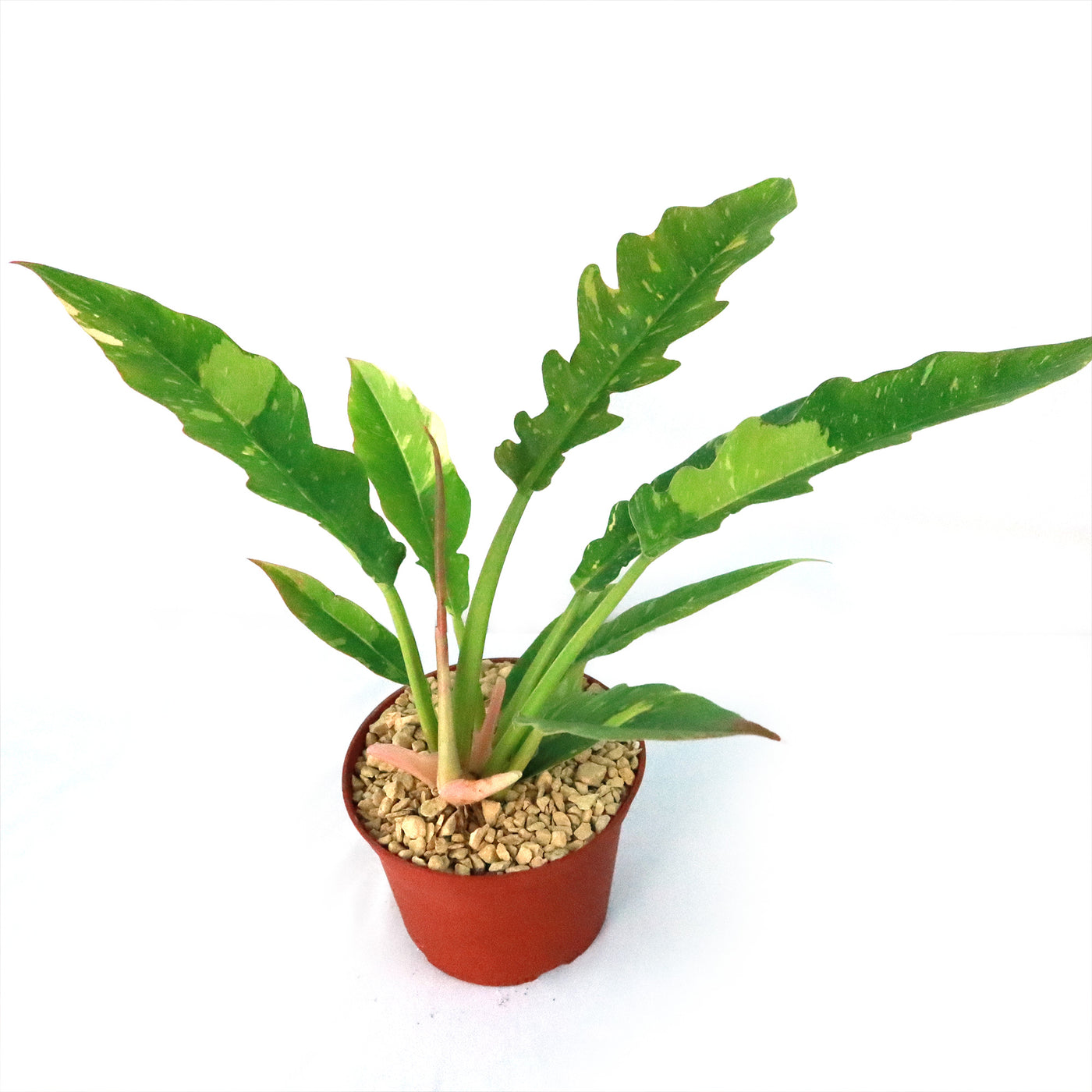
lower philodendron Shop 'Philodendron Ring of Fire' Care & Growing GuideKey Highlights Ring of Fire The Philodendron ring of fire plant is known for its long, serrated leaves with dramatic, jagged edges, making it one of the most unique philodendron varieties. The Philodendron Ring of Fire is a climbing variety that naturally grows upward, using aerial roots to attach itself to trees or moss poles for support. The foliage displays an ever changing mix of green, yellow, orange, cream, and white, with each new leaf
Key Highlights – Ring of Fire
- The Philodendron ring of fire plant is known for its long, serrated leaves with dramatic, jagged edges, making it one of the most unique philodendron varieties.
- The Philodendron ‘Ring of Fire’ is a climbing variety that naturally grows upward, using aerial roots to attach itself to trees or moss poles for support.
- The foliage displays an ever-changing mix of green, yellow, orange, cream, and white, with each new leaf developing unpredictable variegation over time.
- The Philodendron ‘Ring of Fire’ is expensive due to its slow growth rate, rarity, and highly sought-after variegation.
- Like many philodendrons, it helps improve indoor air quality by filtering toxins and increasing oxygen levels in the home.
The Ring of Fire Plant, known as Philodendron ‘Ring of Fire’, is a highly sought-after tropical plant known for its striking foliage and vibrant color variations. This hybrid variety with long, serrated leaves, display an incredible mix of green, orange, yellow, and cream hues. Its rarity and climbing nature make it a prized addition for houseplant collectors and enthusiasts who appreciate unique and ornamental foliage plants. It is also valued for its ability to purify the air in homes and offices.
No two leaves are exactly alike, with each new leaf emerging in different shades and patterns, adding to its appeal. This makes it an exciting plant to grow, as its appearance changes over time.
It grows in a vining or climbing manner, making it an excellent candidate for moss poles or trellises that support its upward growth.
When mature, the Philodendron ‘Ring of Fire’ can grow up to 8 feet tall and with spreads up to 6 feet wide.
Although it is slow-growing, patience is rewarded with spectacular foliage that develops more defined variegation as the plant matures.
One of its most distinguishing features is its elongated, deeply serrated large leaves.
Unlike many philodendrons with smooth edges, Ring of Fire has dramatic, jagged margins that enhance its tropical and exotic look.
The variegation ranges from bright yellow and orange to deep green and creamy white, creating a fiery effect that justifies its name.
The flowers appear on a thin stalk and look like tiny spikes with pale yellow or white petals. Since flowering is rare, it does not impact the plant’s appeal as a decorative houseplant.
Another fascinating aspect of the Philodendron ‘Ring of Fire’ is its ability to display different color phases throughout its life. Some leaves may emerge predominantly green with subtle splashes of yellow, while others can have intense orange or creamy white streaks. This ever-changing variegation adds an element of surprise and uniqueness, making it a favorite among collectors who enjoy dynamic, evolving plants.
When and How to Water Your Ring of Fire Plant
Philodendron ‘Ring of Fire’ is a relatively drought-tolerant plant, but it should not be allowed to dry out completely. This plant can withstand brief periods of dryness, thanks to its semi-succulent roots, but prolonged drought will lead to slowed growth and leaf curling. While it doesn’t demand frequent watering like some moisture-loving plants, it is essential to balance hydration to prevent stress.
In the spring and summer, during the active growing season, water your Philodendron 'Ring of Fire' when the top 2 inches of soil feels dry. Depending on the environment, this typically means watering once every 5 to 7 days. Ensure that you water thoroughly until excess drains from the pot’s bottom, allowing the roots to receive ample hydration.
In fall and winter, during the dormant season, the ring of fire plant’s water needs decrease as growth slows. Water only when the top 3-4 inches of soil is dry, which may extend the frequency to once every 10 to 14 days. Overwatering during this time can lead to root rot, so always check soil moisture before watering. If the indoor air is particularly dry due to heating systems, occasional misting can help maintain humidity without overwatering.
Light Requirements – Where to Place Your Philodendron Ring of Fire
When grown indoors as a houseplant, your Philodendron ‘Ring of Fire’ thrives in bright, indirect light for at least 6 to 8 hours daily.
A spot near a north or east-facing window is ideal, where the plant receives filtered sunlight without harsh direct exposure.
South and west-facing windows should have sheer curtains to diffuse strong rays, as too direct sun can scorch the delicate variegated foliage.
If natural light is limited, supplement with a full-spectrum grow light for 10-12 hours daily to maintain healthy growth.
For outdoor cultivation, this Philodendron plant thrives in partial shade to dappled sunlight, making it perfect for placement under a tree canopy or a covered patio.
It benefits from morning sun exposure for at least 2-4 hours and shade during the hottest parts of the day. Avoid prolonged exposure to intense afternoon sun, as it can cause leaf burns, especially on the lighter variegated sections.
Optimal Soil & Fertilizer Needs
Philodendron ‘Ring of Fire’ thrives in well-draining, nutrient-rich soil. Planting them in ordinary soil will result in compacted roots, stunted growth, and most likely root rot. Instead, make or buy a well-draining potting mix, or ideally use our specialized potting mix, opens in a new tab that contains 5 natural substrates and mycorrhizae to promote the development of a strong root system that helps your Philodendron plant to thrive.
During the growing season in the spring, fertilize the plant once a year using a balanced NPK fertilizer. A formulation with lower parts of nitrogen and potassium such as 5-10-5, will encourage strong foliage growth and vibrant variegation. Organic alternatives like worm castings or compost can also provide slow-release nutrients.
In fall and winter, reduce feeding as the plant’s growth naturally slows. Over-fertilizing during dormancy can lead to salt buildup and leaf discoloration.
Hardiness Zones & More
For growing indoors as a houseplant, ring of fire Philodendron requires temperatures between 65-80°F and humidity levels above 60% for optimal growth. Placing a humidifier nearby or using a pebble tray can help maintain consistent moisture in the air. Avoid placing the plant near heating vents or air conditioners, as sudden temperature fluctuations can cause stress.
In the United States, this is mostly an indoor plant, but if you live in southern Florida or
Hawaii then you can cultivate it outdoor in USDA zones 9-11.
It thrives in high humidity environments but should be sheltered from direct afternoon sun to prevent leaf scorch.
If you grow outdoors in cooler zones, bring the plant indoors once temperature drops below 55°F to prevent cold damage.
Some variegation patterns may intensify or change slightly in response to different light conditions.
Wildlife – Ring of Fire Flowers Attracts the Following Friendly Pollinators
The Philodendron 'Ring of Fire' attracts pollinators, such as bees, butterflies, and hummingbirds with its creamy white to pale yellow flowers. The plant's flower structure and fragrance make it attractive to a variety of pollinators.
According to ASPCA, the Philodendrons are mildly toxic to cats, dogs, and birds due to the presence of calcium oxalate crystals. Ingesting any part of the plant can cause oral irritation, drooling, vomiting, and difficulty swallowing, so keep it out of reach of pets.
How to Propagate Your Ring of Fire Philodendron
Philodendron ‘Ring of Fire’ is best propagated by stem cuttings. Select a healthy stem with at least two to three nodes and cut just below a node using sterilized shears. Remove any lower leaves and place the cutting in water or a well-draining potting mix. If using water propagation, change the water every few days until roots develop, then transfer the cutting to soil. Keep humidity high and provide indirect light to encourage healthy root formation.
The Bottom Line
Overall, the Philodendron ‘Ring of Fire’ is a remarkable plant that combines striking coloration, serrated leaves, and a slow but rewarding growth habit. It’s rare and unpredictable variegation makes it highly desirable, while its relatively low-maintenance care needs make it accessible to both beginners and experienced plant lovers. It thrives in bright, indirect light, well-draining soil, and high humidity, making it a fantastic choice for both indoor and outdoor plant enthusiasts in warm climates. Whether used as a statement piece in a houseplant collection or allowed to climb in a tropical indoor garden, this philodendron continues to captivate plant enthusiasts worldwide.
Shipping Notes
- Free Standard Shipping on $100+ Orders to the USA.
- Except Preorder products are shipped in 48 hours.
- Delivery to the USA:
- Standard Shipping : 3-10 business days
- If time is of the essence, please consider selecting expedited delivery for faster service.
Exchange/Return Notes
- We offer a 30-day return/exchange service after receiving.
- Final sale items are not eligible for returns or exchanges.
- To process your return/exchange, please contact us at [email protected]
- Please click here for more details>>> Return & Exchange Policy