Pay in installments of $6.89 with
 ,
,
 and
and

Shipping Estimate
USA
- USA
- CAN
- USA
- CAN
Ships within 48 hours · Estimated delivery Sep 11 - Sep 16
 Promo Codes Available:
For Your Every Summer RSVP, with Code: SUMMER15
Description
rubber tree pink leaves Pink Rubber Plant – GreenParadiseLiveIn the Pink: Unveiling the Beauty of the Pink Rubber Plant from Green Paradise Nursery Tucked away in the serene heart of Green Paradise Nursery lies a botanical gem that's captivating the hearts of plant enthusiasts and novice gardeners alike: the Pink Rubber Plant. With its stunning pink leaves and remarkable adaptability, this tropical beauty is fast becoming the star attraction of indoor gardens and living spaces. In this article, we'll take you
In the Pink: Unveiling the Beauty of the
Pink Rubber Plant from Green Paradise
Nursery
Tucked away in the serene heart of Green Paradise Nursery lies a botanical gem that's captivating the hearts of plant enthusiasts and novice gardeners alike: the Pink Rubber Plant. With its stunning pink leaves and remarkable adaptability, this tropical beauty is fast becoming the star attraction of indoor gardens and living spaces. In this article, we'll take you on a journey through the mesmerizing world of the Pink Rubber Plant and discover why it's a must-have addition to your plant collection.
Meet the Pink Rubber Plant
- Ficus elastica, commonly known as the Rubber Plant, has long been a popular choice for indoor greenery.
- Its robust nature and elegant deep green leaves make it an excellent choice for novices and experts alike.
- But it's the Pink Rubber Plant that truly steals the show.
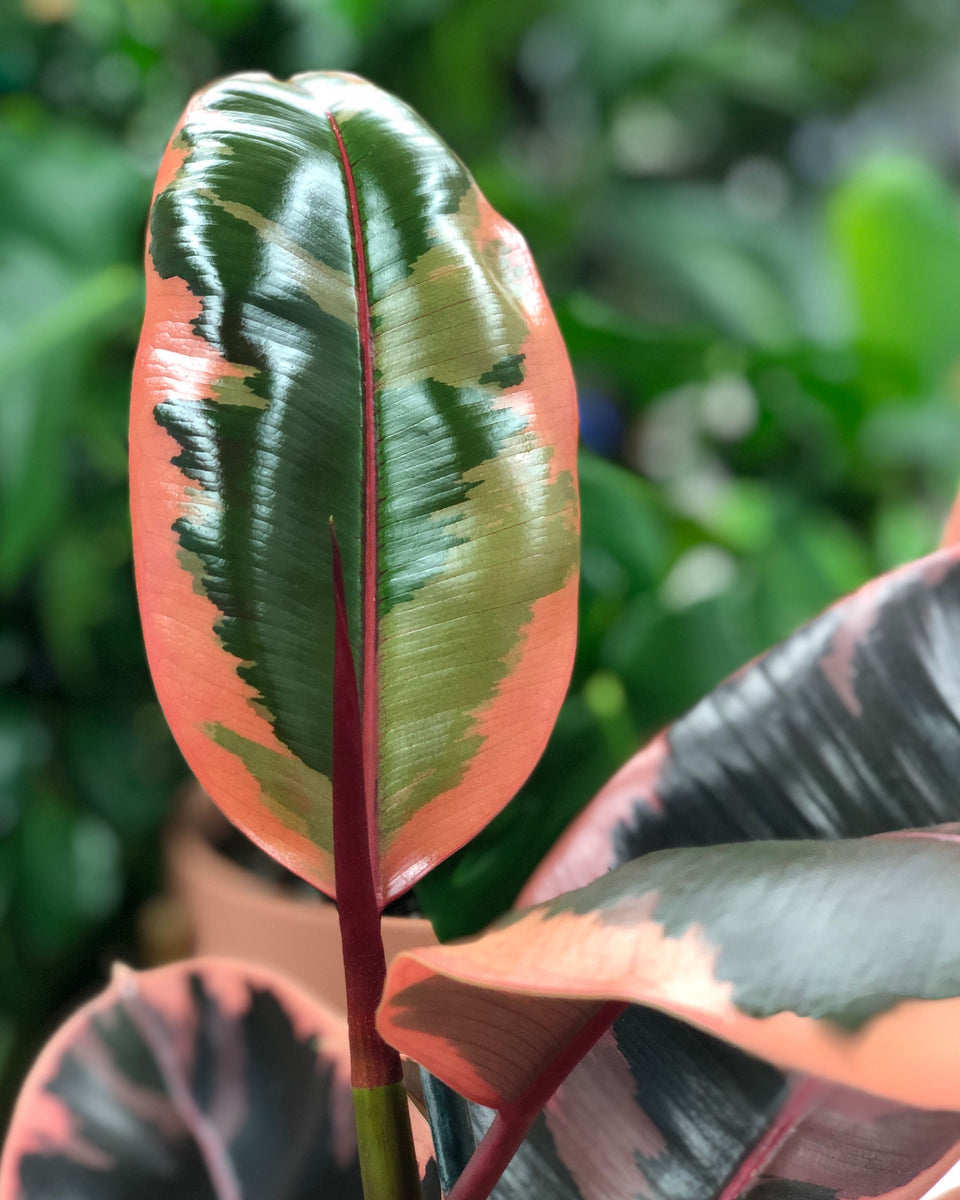
- Characterized by its unique and vibrant pink leaves, this variety is a delightful departure from the traditional Rubber Plant.
The Allure of Pink
- The Pink Rubber Plant's leaves are its crowning glory.
- Their shades range from delicate pastel pinks to rich, deep hues, giving your living space an instant pop of color.
- The variegation on each leaf is entirely unique, making every Pink Rubber Plant an individual work of art.
- This plant is like a living masterpiece that evolves over time, with new leaves unfurling in shades of pink that are sure to leave you in awe.
Easy on Care, Big on Impact
One of the most attractive features of the Pink Rubber Plant is its low-maintenance nature. Like its green counterparts, it's a breeze to care for, making it an ideal choice for plant enthusiasts of all levels.
Here's what you need to know:
Light:
The Pink Rubber Plant thrives in bright, indirect light. It can also tolerate some direct sunlight but avoid harsh afternoon sun, which can scorch its leaves.
Water:
Keep the soil wet but not waterlogged with water. Water the top inch of soil when it appears dry. When development slows in the winter, water less.
Temperature and Humidity:
This plant enjoys typical indoor temperatures and does well in average humidity. If you live in a particularly dry climate, occasional misting can help.
Potting Mix:
Use a well-draining, peat-based potting mix to ensure good root health.
When it comes to sourcing a Pink Rubber Plant, Green Paradise Nursery stands out as a premier choice for plant enthusiasts.
Expertise:
Green Paradise Nursery has a reputation for its expertise in cultivating unique and rare plant varieties. The Pink Rubber Plant is no exception. Their team of horticultural experts ensures that each plant is healthy, vibrant, and ready to thrive in its new home.
Quality:
The Pink Rubber Plant from Green Paradise Nursery is known for its outstanding quality. It's a testament to their commitment to providing plants that go above and beyond expectations.
Community:
Green Paradise Nursery isn't just a place to buy plants; it's a community of like-minded individuals passionate about greenery. They offer valuable insights, care tips, and a sense of belonging to all plant lovers.
Unveiling the Beauty: A Guide on How to Grow Pink
Rubber Plants
The allure of indoor plants lies not only in their aesthetic appeal but also in their air-purifying qualities and the sense of calm they bring to our homes. Among the myriad of options available, the Pink Rubber Plant (Ficus elastica) stands out as a striking choice. Known for its elegant foliage and relatively low-maintenance needs, this plant can be a delightful addition to your indoor garden. This article is your guide to nurturing and growing the captivating Pink Rubber Plant.
Getting to Know the Pink Rubber Plant
Before delving into the art of cultivation, it's important to understand what makes the Pink Rubber Plant unique.
Here are some key characteristics:
Stunning Pink Tones:
As the name suggests, the Pink Rubber Plant is distinguished by its pink-tinted leaves. This pink variegation sets it apart from the typical green rubber plant.
Size Matters:
This plant can grow to an impressive height of 6 to 10 feet indoors. Its large, glossy leaves add a touch of grandeur to any room.
Low Maintenance:
Despite its regal appearance, the Pink Rubber Plant is relatively low-maintenance. It's an excellent choice for both neophyte and educated factory suckers.
Cultivating Your Pink Rubber Plant: A Step-by-Step Guide
Selecting the Right Pot and Soil:
Choose a pot that's one size larger than the current one to allow for growth.
Well-draining soil is crucial. A mixture of potting soil and perlite works well.
Placement:
Pink Rubber Plants thrive in bright, indirect light. Direct sunlight should be avoided because it can scorch the foliage.
A room with a north or east-facing window is ideal.
Watering:
Water moderately. Between waterings, allow the top inch of soil to dry off.
Overwatering can lead to root spoilage, so be conservative.
Humidity:
These plants appreciate humidity. Mist the leaves regularly or use a moisture charger.
Temperature:
Maintain a consistent indoor temperature between 60-75°F (15-24°C).
Fertilization:
During the growing season( spring and summer), feed your factory with a balanced liquid toxin every 2- 4 weeks.
Pruning:
Prune your Pink Rubber Plant to maintain its shape and remove any yellow or dead leaves.
Repotting:
Repot when the factory becomes root- bound, generally every 2- 3 times.
Troubleshooting: Common Issues and Solutions
Yellowing Leaves:
This can indicate overwatering. Ensure the soil dries out between waterings.
Brown, Crispy Leaf Edges:
This suggests low humidity. Increase humidity levels, especially in the winter months.
Dropping Leaves:
If your plant is losing leaves, it might be due to underwatering. Check the soil moisture regularly.
Pests:
Watch out for spider mites and mealybugs. If detected, treat with neem oil or insecticidal soap.
A Touch of Elegance in Your Home
The Pink Rubber Plant is a true gem in the world of indoor gardening. Its unique pink variegation and relatively undemanding nature make it an ideal choice for plant enthusiasts of all levels. By following the guidelines provided in this article, you can confidently nurture this botanical beauty, adding a touch of elegance to your home's interior. Remember, the joy of plant parenthood lies not just in the end result, but in the journey of care and growth that you share with your leafy companion.
The Pink Rubber Plant from Green Paradise Nursery is more than just a plant; it's a living piece of art that brings the magic of nature right into your home. With its stunning pink leaves, ease of care, and the expert touch of Green Paradise Nursery, this plant is a must-have for your indoor garden.
So, if you're looking to add a touch of elegance and a splash of color to your living space, look no further than the Pink Rubber Plant from Green Paradise Nursery. It's time to turn your home into a pink paradise of botanical beauty!
Happy gardening!
Shipping Notes
- Free Standard Shipping on $100+ Orders to the USA.
- Except Preorder products are shipped in 48 hours.
- Delivery to the USA:
- Standard Shipping : 3-10 business days
- If time is of the essence, please consider selecting expedited delivery for faster service.
Exchange/Return Notes
- We offer a 30-day return/exchange service after receiving.
- Final sale items are not eligible for returns or exchanges.
- To process your return/exchange, please contact us at [email protected]
- Please click here for more details>>> Return & Exchange Policy