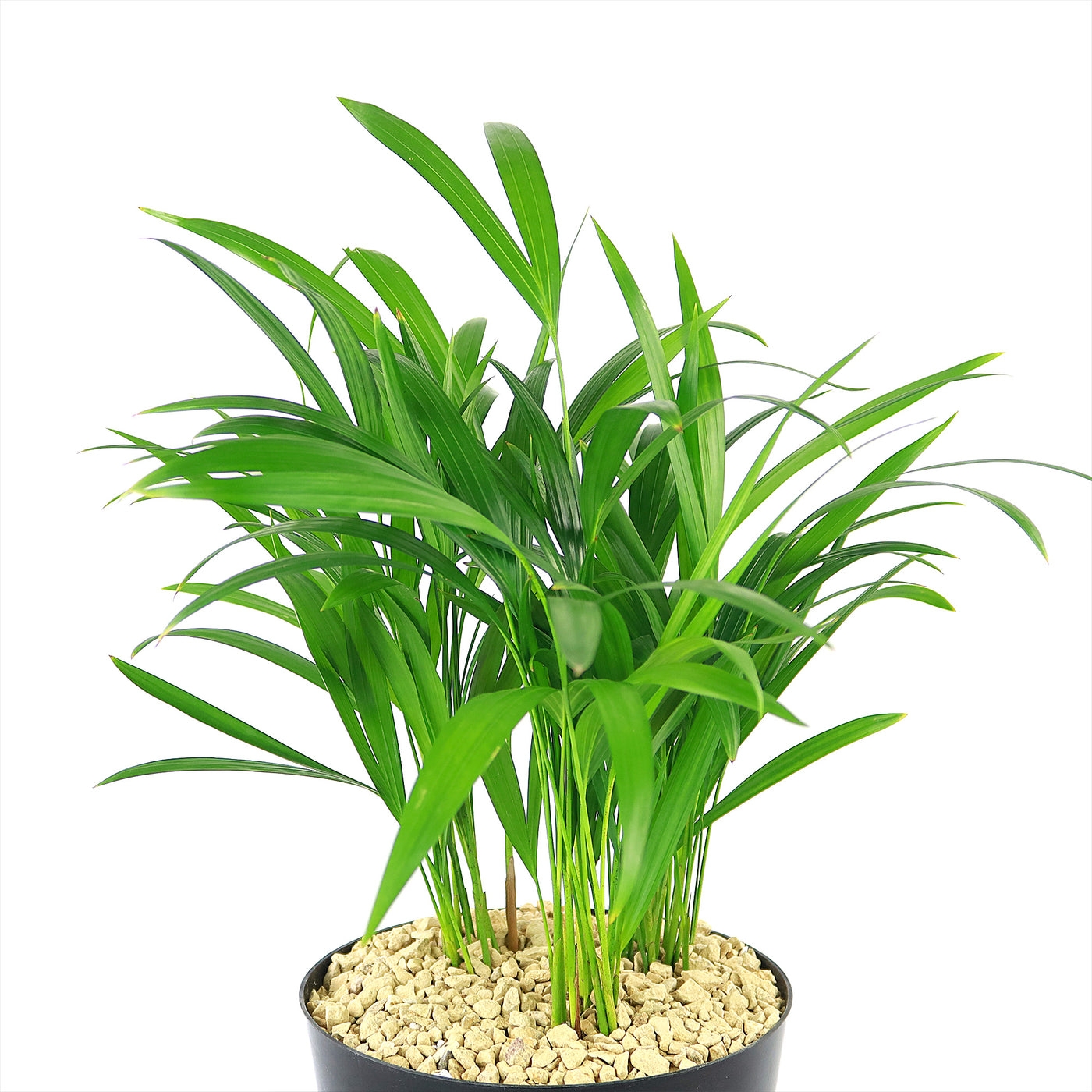
SKU: 25708897117
areca palm maintenance

areca palm maintenance Shop 'Areca Palm – Dypsis lutescens' Care & Growing Guide

Sale price$23.76 Regular price$26.40
Save 10%

Pay in installments of $6.60 with ShopPay, AfterPay and Klarna

Shipping Estimate
USA
  • USA
  • CAN

Ships within 48 hours · Estimated delivery Sep 16 - Sep 21

Promo Codes Available:

For Your Every Summer RSVP, with Code: SUMMER15

Description

areca palm maintenance Shop 'Areca Palm – Dypsis lutescens' Care & Growing GuideKey Highlights Areca Palm Tree Areca Palm grows in dense clumps, with multiple smooth, golden yellow stems emerging from the base and narrow fronds like bamboo leaves, creating a full and bushy appearance. Recognized by NASA, this palm removes toxins like formaldehyde and benzene, improving indoor air quality. One of the most widely grown indoor palms, it thrives in homes and offices, adding a tropical touch with its graceful, feathery fronds. Areca

Key Highlights – Areca Palm Tree

  1. Areca Palm grows in dense clumps, with multiple smooth, golden-yellow stems emerging from the base and narrow fronds like bamboo leaves, creating a full and bushy appearance.
  2. Recognized by NASA, this palm removes toxins like formaldehyde and benzene, improving indoor air quality.
  3. One of the most widely grown indoor palms, it thrives in homes and offices, adding a tropical touch with its graceful, feathery fronds.
  4. Areca Palm can withstand short dry periods, making it relatively low-maintenance.
  5. This palm adapts well to bright, indirect light, requires minimal pruning, and is non-toxic to pets, making it an excellent choice for beginners.

The Areca Palm, known as Dypsis lutescens, is one of the most beloved indoor clumping  palms, known for its graceful, feathery fronds and ability to enhance indoor spaces with a tropical feel. The plant is also known for its ability to improve air quality by filtering out toxins such as formaldehyde and benzene.  Unlike some palms that require extensive care, Areca Palm is relatively simple to grow and responds well to consistent watering and humidity, making it an excellent choice for beginners. 

Native to Madagascar, this palm has gained worldwide popularity as both a houseplant and an outdoor landscape feature in warm climates. Its attractive appearance, air-purifying properties, and low-maintenance nature make it a favorite choice for homes, offices, and commercial spaces. It is also known as a butterfly palm, golden cane palm, and yellow palm. 

Areca Palm is a clustering palm, meaning multiple stems emerge from the base, creating a full and bushy appearance.

The leaves are long, arching, and pinnate, with a lush green color that adds vibrancy to any setting. 

When grown indoors, the plant remains relatively compact, while outdoor specimens can develop into tall, striking features in tropical gardens.

When growing indoors, your Areca Palm typically grows up to 7 feet tall in height, making it an excellent floor plant for homes and offices.

When grown outdoors, this Areca palm tree can reach an impressive height of 30 feet, with a spread of about 12 feet wide. 

Indoor Areca Palms rarely bloom, but outdoor plants may produce small, yellowish-white flowers from late spring to summer. These flowers grow in clusters along the base of the fronds and are followed by small, oval-shaped fruits that transition from green to yellow and eventually turn black when fully mature. The fruits contain seeds but are not typically used for propagation, as division or offsets are preferred methods for growing new plants.

Recognized by NASA’s Clean Air Study, Areca Palm helps remove toxins like xylene, toluene, and carbon dioxide, improving indoor air quality. This palm releases moisture into the air, making it ideal for homes with dry air, especially during winter. 

When and How to Water Your Areca Palm

The Areca palm is drought-tolerant once established, making it an excellent choice for those looking for a low-maintenance tropical plant. While it prefers consistent moisture, it can survive short dry spells without severe damage. Overwatering is a more significant risk than underwatering, as excessive moisture can lead to root rot. Ensure the soil dries slightly between waterings to maintain the right balance. 

In the spring and summer, during its active growing season, the Areca palm tree requires more frequent watering. In warm temperatures, watering once every 5–7 days is ideal, depending on humidity levels. If it is grown outdoors, rainfall can supplement its needs, but manual watering should be adjusted accordingly. Always check the top 1–2 inches of soil before watering to prevent oversaturation. 

In fall and winter, when growth slows down, the watering frequency should be reduced. Watering once every 10–14 days is sufficient to prevent dehydration while avoiding waterlogging. Indoor plants may require slightly more frequent watering if exposed to dry air from heating systems, so monitoring humidity levels is essential. 

Light Requirements – Where to Place Your Areca Palm Tree 

For indoor growth as a houseplant, your Areca palms thrive in bright, indirect light for at least 4-6 hours a day.

A location near an east- or south-facing window with filtered sunlight is ideal. It can tolerate lower light conditions, but growth may slow down, and the leaves may become less vibrant.

To promote healthy foliage, rotating the plant occasionally ensures even exposure to light.

Artificial grow lights can also supplement light if natural brightness is insufficient.

For outdoor cultivation, the Areca palm tree prefers partial to full sun, requiring 4–6 hours of bright, indirect light daily.

Morning sunlight is ideal, while intense afternoon rays may scorch the fronds, especially in hotter climates. If grown in a container, moving it to a shaded area during peak summer months can prevent leaf damage. 

Optimal Soil & Fertilizer Needs 

Areca palms grow best in well-draining, slightly acidic to neutral soil with good aeration. A high-quality potting mix with peat, sand, and perlite ensures proper drainage. Planet Desert has specialized potting soil that includes an organic substrate with mycorrhizae to help with the growth of a healthy root system to help your succulents thrive.

A balanced liquid NPK fertilizer at a 5-10-5 ratio applied once a year in the spring during the growing season promotes lush foliage and robust growth. Slow-release palm fertilizers with essential micronutrients like magnesium and iron also help prevent yellowing leaves. During the dormant season, fertilization should be stopped to avoid unnecessary growth that may weaken the plant in cooler months. 

Hardiness Zones & More 

When growing indoors as a houseplant, the Areca palm plant thrives in temperatures between 65–75°F with humidity levels above 40%. Dry air can cause leaf browning, so misting or using a humidity tray can maintain optimal moisture levels. Avoid placing the plant near cold drafts or heating vents, as sudden temperature fluctuations can cause stress. 

For outdoor cultivation, Areca palm is hardy in USDA zones 10–11, thriving in warm, humid conditions.

It can tolerate brief temperature drops but should be protected from frost.

The ideal outdoor humidity level is 50% or higher, making it best suited for tropical or subtropical environments.

For those in cooler climates, container-growing allows for seasonal relocation indoors. 

Wildlife – Areca Palm Flowers Attract the Following Friendly Pollinators 

The Areca palm produces small, yellowish-white flowers that attract a variety of pollinators such as bees, hummingbirds, butterflies, and other beneficial pollinators. While not a primary pollinator plant, its presence in a tropical garden can support local insect populations.

Butterflies
Bees
Hummingbirds
Lady Bugs
Multi Pollinators
Other Birds

According to the ASPCA, the Areca palm is non-toxic to humans, cats, dogs, and birds, making it a safe choice for pet owners. Unlike some palms that pose toxicity risks, Areca palm does not contain harmful compounds that could endanger household animals. 

How to Propagate Areca Palm 

Areca palms can be easily propagated through division or by planting seeds. To propagate through division, carefully separate the offshoots from the main plant and replant them in well-draining soil. Root division is best done in spring or early summer when growth is most active. If propagating from seeds, soak them in warm water for 24 hours before planting them in a mixture of peat moss and perlite. Keep the soil consistently moist and provide bright, indirect light for optimal growth.

The Bottom Line 

Overall, the Areca Palm (Dypsis lutescens) is a stunning, easy-to-care-for plant that thrives both indoors and outdoors. It is a clustering palm tree with multiple stems, produces a full, bushy appearance with long, arching, pinnate leaves in lush green, adding vibrancy to any setting. Its elegant fronds, air-purifying benefits, and adaptability make it a favorite among plant enthusiasts. Whether placed in a bright living room corner, an office, or a tropical garden, this palm adds beauty and a refreshing touch of greenery. With its elegant feathery fronds, ability to purify air, and pet-friendly nature, it’s a popular choice among plant enthusiasts. Proper care, including adequate watering, indirect sunlight, and occasional fertilization, ensures vibrant growth and longevity. Order your very own Areca Palm for sale today! 

Shipping Notes
  • Free Standard Shipping on $100+ Orders to the USA.
  • Except Preorder products are shipped in 48 hours.
  • Delivery to the USA:
  1. Standard Shipping : 3-10 business days
  • If time is of the essence, please consider selecting expedited delivery for faster service.
Exchange/Return Notes
  • We offer a 30-day return/exchange service after receiving.
  • Final sale items are not eligible for returns or exchanges.
  • To process your return/exchange, please contact us at [email protected]
  • Please click here for more details>>> Return & Exchange Policy
SKU: 25708897117

Discover Niche Categories That Outsell areca palm maintenance

Top-Converting Item to Boost Your Average Order

4.2 ★★★★★
Based on 29 reviews
Sort
Highest Rating
Newest First
Oldest First
Product Reviews
I
Verified Purchase
Insight Counseling
Omaha, US
★★★★★ 5
A soaring indictment of what really needs to be reformed in American health care
Format: Paperback
Dr. Brawley has achieved something rare in a non- fiction work. He has combined his clear passion for medicine with a fair but brutal portrayal of what is terribly wrong with our system as it presently stands. Dr. Brawley is highly credentialed and has over 30 years experience in his craft, yet he writes with a balance of humility and moral outrage that is rare in this type of work. I have been in healthcare for over 20 years and have watched horrified as the system has become more, not less broken and ineffectual while at the same time knowing that no American can really know the gaping problems of pharmacuetical companies offering medicines that have questionable merit and do real harm, the multi "tier" system of care where in general the wealthy recieve MORE care, but not necessarily better care and are often over treated for pure profit and the horrific truths about incopetent and dangerous physicians and systems allowed to treat patients while no one dares to ask for QA. "How We Harm" addresses the issues every consumer of medical services need to understand before they or someone they love becomes sick. Sadly some of the families I care for only discover how broken the system is at the moment of their greatest vulnerability- when a family member or themselves become very ill and they are left to fight insurers, billing departments and conflicting prognosises and treatment plans without a rational, science based resource to ensure they are making the right choices. Dr. Brawley describes how the "system" as it currently stands seems to know that sick consumers can not fight for their rights, and are often too frightened and overwhelmed to even ask the right questions when they face major medical decisions. Insurers will be held more accountable after ACA full implementaion in 2014, but this is clearly not enough to fix the systems that you and I the taxpayer supplement when big pharma and for profit medicine have taken all the meager resources that many Americans have to pay for their co-pays and expensive treatments for serious illness. The "system" knows that eventually Medicaid will take over payment for these desperate patients. The case illustrations Dr. Brawley presents are fair and deadly accurate. I see similar terrible outcomes all the time. The book also describes aspects of caring for the 'under served' that are spirtually affirming and make this book a very positive read for that reason alone.Dr. Brawley clearly loves to teach medical students as well and he he even seems to love his patients- a rare but amazing quality in a physician. Dr. Brawley is a national voice of reason and passion for making things right. I look forward to his next move as a leader in American medical reform.
WAS THIS REVIEW HELPFUL?YesReportShare
Reviewed in the United States on April 14, 2013
K
Verified Purchase
Karen Mcwilliams
Belleville, US
★★★★★ 5
A MUST READ BOOK ABOUT OUR HEALTH CRISES--REVIEWED BY AN EDUCATOR, PUBLISHED WRITER, AND BOOK REVIEWER
Format: Paperback
I am a former teacher, school librarian, published author, and book reviewer for the Society of Children's Book Writers and Illustrators, as well as judge and book reviewer for the IPPY and MOONBEAM BOOK Awards. Many years ago I was diagnosed with GUILLAIN-BARRE SYNDROME. Since I was diagnosed with this terrible neurological disease, I have continued to experience symptoms which I ignored while finishing my BA and MA degrees, teaching in several school systems including Department of Defense Overseas Schools, and traveling around the world. Even though I was often ill and constantly plagued with symptoms of my disease, I ignored the problems and did not see neurologists or undergo transfusions and/or infusions, as well as be a guinea pig for the huge variety of experimental drugs. I workout daily, eat nutriciously, and try to always be positive, laugh, and have fun. Many people have died from my disease. And I wonder if I am still alive due to NOT SEEING DOCTORS and undergoing UNPROVEN or FLAWED PROCEDURES and DRUGS. Dr. Brawley's book showed me that my choices probably helped me to be active and live, not experience an early death while doctors harmed me with their techniques. I have briefly reviewed Dr. Brawley's outstanding book which helped me to conclude that I made the best choices by not seeing neurologists over the years. Also, I was afraid my neurological disease would be labled a "PRE EXISTING CONDITION" which my insurance policies would not cover. Otis Webb Brawley, author of HOW WE DO HARM; A DOCTOR BREAKS RANKS ABOUT BEING SICK IN AMERICA, is an oncology (Cancer) professor at Georgia's prestigious Emory University as well as the Chief Medical and Scientific Officer of the American Cancer Society. Using personal anecdotes from past patients, Dr. Brawley illustrates many things which are wrong with our medical system as well as medical and nonmedical groups and doctors who need to totally change this system. Every page was packed with specific information about medical problems with protocol, procedures, chemotherapy, and uninformed patients who blindly follow doctors' suggestions as to the best way of treating thier cancers. Much of the medical research is flawed making it almost impossible for patients to research their diseases and make intelligent choices. It is imperative that everyone, men and their well-meaning wives, read about the patient, Ralph, whose wife urged him to get a free PROSTATE PSA TEST in a mall which led to horrendous FLAWED procedures which 'caused him misery and pain until he died an early death. Dr. Brawley thought prostate screening was not at all useful for anyone without symptoms. I also think that many tests we have are just to generate money for doctors and the groups they work for. In fact, just this week they are now saying women should not have MAMMOGRAMS every year as I did since I turned forty. Now the recommendation is for women to have mammograms every three to five years. Dr. Brawley said in his book that women more often find their own cancer, and mammograms should not be taken on a yearly basis. This book was the best nonfiction book I have read in years. But I was disappointed Dr. Brawley did not write a chapter on the FDA, though he referred to the organization many times. I was also interested in more specific information about drugs, particularly STATINS which are taken by most people over 50 even though they have many serious side effects. One chapter was titled GUILLAIN-BARRE SYNDROM but only mentioned the disease briefly. I am a former librarian, and like most librarians look for BIBLIOGRAPHIES, GLOSSARIES, INDEXES, and CHARTS and GRAPHS illustrating important things to better illustrate the text. In the back of the book Dr. Brawley does include specific NOTES about information in each chapter. I could only read a few pages of this information packed book per day, because there was so much information I wanted to retain. I urge every adult of both genders and any age to read this book. And if you are capable and not disabled, volunteer to help the various advocacy groups who are attempting to change our hea;th system. This book was published two years ago before Barack Obama presented his new health care plan, therefore there is nothing in the book about it. Dr. Brawley, I am looking forward to another book from you about the goings on at the FDA, since they release many drugs which are later involved in class action suits. Also, cholesterol and cholesterol drugs should be examined in detail like you did oncology. Also, Dr. B, please have your publisher publish this book in a LARGE PRINT EDITION!!! I first saw Dr. Otis Brawley on BOOKTV.ORG weeks ago. I was so impressed with Dr. Brawley's speech which was perfect as well as his honesty that I bought HOW WE DO HARM. Go to BookTV.org and look for the video of Dr. Brawley's speech. Karen Joan McWilliams, Naples, FL
WAS THIS REVIEW HELPFUL?YesReportShare
Reviewed in the United States on July 6, 2014
J
Verified Purchase
jwt99
Belleville, US
★★★★★ 5
Horror stories about health care, Breast Cancer, PSA Test
Format: Hardcover
I could not put this book down. I would say this is a must read for anyone that might get or who has cancer. Also anyone who has a chronic health problem should put this book in their library. I think Dr. Brawley gives compelling examples that illustrate how our health care systen is broken. Read this book! This is an excellent book unless you are a quack, a greed driven doctor or drug rep. Dr.Brawley points out that we should not waste valiable tax money or even insurance money on unproven cures or on drugs that cost 10-20 times as much as a proven drug. All medical care should be research based, rational and above all "do no harm". I hate to tell you this, but we as a country cannot afford to waste massive amounts of money anymore. If we don't get serious about health care it will break the country. We cannot afford to transfer wealth to quack doctors or for procedures that don't work. A spinal fusion costs about $80,000 yet 80% of the research says it does no good and it does a lot of harm. Is this any way to run a health care system? If you don't believe Dr. Brawley read the research for yourself. Use a little of your time to dig and see if he is telling the truth. A lot of the raw research is locked up tight and hard to access and not easy for a lay person to understand. We must rely on honest doctors like Dr. Brawley to tell us the truth about our healthcare system The chapters on the "PSA" test for prostate cancer were shocking to say the least. All the examples about the breast cancer problems are on point. My wife went through this several years ago and thank goodness we had a doctor whose first words were us was " I don't give any treatment that has not been through a double blind study." We feel like my wife received excellent treatment without receiving too much treatment. Too much can be as bad as too litttle as Dr. Brawley states. Dr. Brawley points out through his examples that "raw greed" on the part of hospitals, doctors and drug companies has layed waste to our health care system. The economic incentives are all on the side of more care not appropriate care. There is a vast difference between the two. Thank you Dr. Brawley.
WAS THIS REVIEW HELPFUL?YesReportShare
Reviewed in the United States on February 8, 2012
B
Verified Purchase
BostonProfessionalCouple
West Palm Beach, US
★★★★★ 4
Fabulous book but seems a little biased
Format: Hardcover
I read a lot on the healthcare system and also have a biology PhD and a healthcare-related career, so I read 'How We Do Harm' with real interest and found that I tremendously enjoyed it, largely due to its distinctive and refreshing down-to-earth, no-holds-barred, friend-of-the-people style attack on many different sacred cows of the healthcare system. He exposes ignorance, shysterism, laziness and other commonplace human failings AMONG HIS FELLOW PHYSICIANS, where these everyday human foibles have an enormous impact on the life and death and quality of life of the patients treated by them. And he is not just any physician, he is the Chief Medical and Scientific Officer of the American Cancer Society. It reads like the system has turned on itself. This is a 'People's History' of the current healthcare system. The language is carefully unacademic and the cases he chooses are heart-wringing for the most part. I think there is much to learn from the diverse cases he selects, and he goes after problems originating with patients and their families as well as doctors and the system. If each of the problems that Dr. Brawley characterizes were systematically addressed, we would have a somewhat better and MUCH cheaper system - I think essentially a Canadian system, even if there were multiple payors. Once everyone followed the same rules and there was little role for physician discretion, and little role for new therapies until massive clinical studies achieved definitive conclusive results, inefficiencies in the system would be dramatically reduced, and many patients would receive better care. The problem with this objective, IMHO, is that the heterogeneity of cancer and the rate of advance in this particular field would not be well-served by a system where no new therapies were paid for until they had achieved p values of <0.05 in clinical trials IN THE PRECISE PATIENT POPULATION of the patient who needs treatment. Some cancers are so rare that this would never happen. In other cases, new research information evolves in small case series that wouldn't meet Dr. Brawley's standards but would provide vital information for selection of therapy. All-in-all, Dr. Brawley appears overly philosophically committed to the concept of clinical certainty, iron-clad treatment paradigms, and saving the system money. I'm all for saving the system money, but Dr. Brawley goes after cancer screening with the dedication of a hero confronting his nemesis. He barely acknowledges the potential for good to come from screening. For example, he is dismissive of the value provided by lung cancer screening, in spite of a roughly 50,000 patient randomized controlled study that showed a 20% reduction in cancer mortality in heavy smokers who received screening! This was without even specifying how these patients were treated - the 20% reduction in the leading cause of cancer mortality was simply from looking for a spot on the lung, and then letting the doctor and patient decide what treatment to pursue. I see that as a tremendous breakthrough. Dr. Brawley sees it as a roughly even set of risks and benefits that the system presumably should hesitate to fund. (Updated August 2013 to note that the U.S. Preventive Services Task Force has now issued a strong recommendation for CT screening of heavy smokers for early detection of lung cancer, based primarily on the data above. "As many as 20,000 deaths a year could be prevented by screening", according to Michael LeFevre, MD, co-vice chair of the task force). The book is well worth reading; but there are other intelligent, reasonable viewpoints on the burning thesis presented by this book, and one unfortunately comes away with the impression that Dr. Brawley would not acknowledge this. I found myself comforted by the fact that other checks and balances in the system will limit Dr. Brawley's impact on cancer treatment paradigms, even with his role at the ACS.
WAS THIS REVIEW HELPFUL?YesReportShare
Reviewed in the United States on June 20, 2012
T
Verified Purchase
Thomas M. Loarie
Bozeman, US
★★★★★ 5
Intellectual Dishonesty, Malfeasance, and Conflicts of Interest...
Format: Hardcover
In "How We Do Harm,' author Otis Webb Brawley, M.D., shares his healthcare system experience from his early days at the Pritzker School of Medicine (University of Chicago), as a resident at University Hospitals of Cleveland, as a fellow at the National Cancer Institute, and as a physician specializing in medical oncology at Grady Hospital in Atlanta. Brawley has both the experience and credentials to call our attention to the systemic failures of a system that our politicians call the "best in the world (ignorance is elegant)." He is recognized as an outstanding physician-scientist who serves today as the chief medical and scientific officer of the American Cancer Society, and as professor of hematology, oncology, medicine, and epidemiology at Emory University In this book, the author takes the reader on a "guided tour of the back rooms" of the American healthcare system. He charges that "no incident failure in American medicine should be dismissed as an aberration...failure is the system, a system in which helping patients is not the point. Economic incentives dictate that the patient be ground up as expensively as possible with the goal of maximizing the cut of every practitioner who gets involved." Brawley's view is that of skeptic and health-reform advocate. Brawley uses his personal experience and stories to show how our system "fails to provide care when care is needed and fails to stop expensive, often unnecessary, and frequently harmful interventions." He feels one antidote to sure the ills of the system would be to base the system on science. His stories include: 1. The treatment provided to a woman whose breast fell-off due to cancer. 2. Misguided collegiality among physicians. "Should I tell the patient that the previous doctor was incompetent? And get hauled into court for slander?" 3. The saving of Mr. Huzjak whose daughter, despite his condition, wants everything to be done to save his life. "We never give up" when the humane thing is to give up. 4. The Wallet Biopsy - the reason why people are turned away from private hospitals and end up at public hospitals like Grady. 5. Treating colon cancer Colon Cancer. "If you are poor, black, and uninsured, you get no care until its too late. But if you are rich, white, and insured, you face another deadly menace, doctors (some socially prominent) who are just plain bad. Expensive drugs and tests that patients don't need." 6. The implantable defibrillator, and the growing disparity between the insured and the uninsured which increases as technology improves. 7. Procrit, Nexium, Vioxx, Intensity Modulation Radiation Therapy and other approved drugs and therapies that are leading patients to serious complications, and/or a worsening of disease, or death. And how overtreatment may be beneficial to everyone but the patient - doctors, hospitals, and the pharmaceutical industry. 8. The perverse incentive system in which has extended the standards of care enormously from three decades ago due to the willingness of insurance companies to pay and the willingness of private physicians to make a buck. Brawley, by "breaking the ranks about being sick in America," points to his Jesuit education as a foundational experience for his life journey. A Jesuit teacher, Fr. Richard Polakowski, early in his life taught "Say what you know, what you don't know, and what you believe - and label it accordingly." Along the way, Brawley developed a set of maxims what would shape his life: 1. Be a man for others. Find work where you can make a difference. Use your God-given gifts to improve the lot of others. Always focus on improving the lot of others. Do this for the greater glory of God. 2. Be binary, know right and wrong. Be truthful. Have the courage to speak truth to power. 3. Never worry about people thinking you are different. Realize, people, both black and white, will try to discourage you. They will try to get at your self- confidence. 4. You will be tested. Always know your subject matter better than anyone else. You must be good. You must stand up to scrutiny. 5. Do not let the naysayers make you feel you cannot do something. They will call you arrogant. They will call you aloof. They will question your intelligence...spite them by succeeding. 6. Do not tolerate fools. Don't compromise on excellence. 7. Never let people put you down. 8. Feel sorry for people who see no challenges to overcome. Feel sorry for the selfish. Feel sorry for the fools. Remember you have character they cannot understand. Relish you have overcome challenges they could never overcome. As someone who has worked for over 40 years in healthcare, Brawley's book resonated with some of my own experiences. His perspective, while not inclusive, has great value. However, he fails to note the role of government in shaping the system we have today - diagnosis related groups (DRGs), resource-based relative value scale (RBRVS), CMS CP codes, Medicare and Medicaid cost shifting, and, for me personally, the role of the FDA in driving up the cost of medical innovation. Much of what he describes as systemic failure can be attributed to government intervention. The private sector's greediness is a response, much like Wall Street's and the public's greedy response to the government's "everyone should own a home" policy which led to the Great Recession of 2007-2009.
WAS THIS REVIEW HELPFUL?YesReportShare
Reviewed in the United States on October 30, 2012

recommand products