SKU: 26136742805
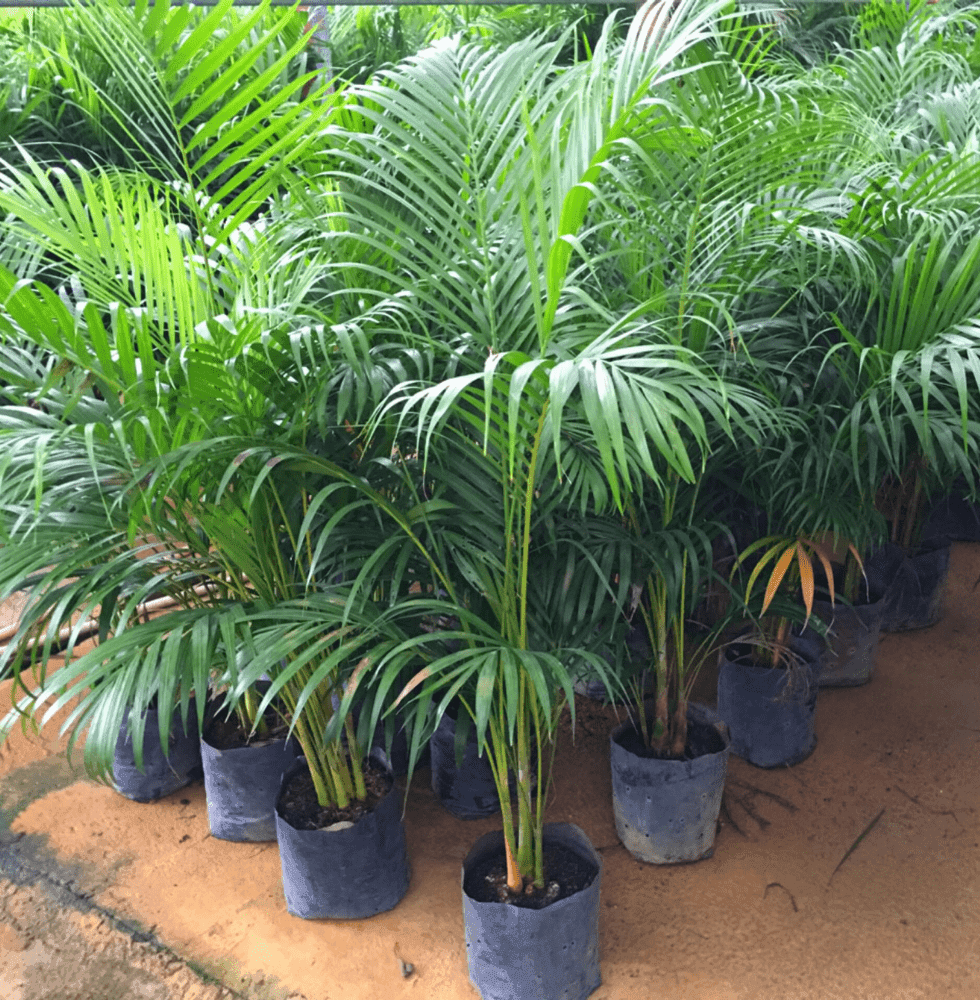
areca palm growing conditions

areca palm growing conditions Grow Your Own Areca Palm with These Easy Tips

Sale price$23.86 Regular price$26.51
Save 10%

Pay in installments of $6.63 with ShopPay, AfterPay and Klarna

Shipping Estimate
USA
  • USA
  • CAN

Ships within 48 hours · Estimated delivery Oct 17 - Oct 22

Promo Codes Available:

For Your Every Summer RSVP, with Code: SUMMER15

Description

areca palm growing conditions Grow Your Own Areca Palm with These Easy TipsAreca palm (Dypsis lutescens) is a popular indoor and outdoor plant known for its graceful, feathery fronds and its ability to purify the air. Here are some tips for sowing and growing Areca palm from seeds: Seed Collection: Areca palm seeds can be collected from mature fruit that is ripe and yellow or orange in color. The fruit can be cut open to remove the seeds, which are about the size of a small pea. Soil and Potting: Areca palm seeds need to be

Areca palm (Dypsis lutescens) is a popular indoor and outdoor plant known for its graceful, feathery fronds and its ability to purify the air. Here are some tips for sowing and growing Areca palm from seeds:

  1. Seed Collection: Areca palm seeds can be collected from mature fruit that is ripe and yellow or orange in color. The fruit can be cut open to remove the seeds, which are about the size of a small pea.

  2. Soil and Potting: Areca palm seeds need to be planted in well-draining soil that is rich in organic matter. Use a pot with drainage holes and fill it with a soil mix that is equal parts sand, peat moss, and perlite.

  3. Germination: Soak the seeds in warm water for 24-48 hours before planting to soften the hard outer shell. Plant the seeds 1 inch deep in the soil, and keep the soil moist but not waterlogged. Germination can take up to 6 months, so be patient.

  4. Temperature and Light: Areca palm seeds need warm temperatures to germinate, ideally between 80 and 90 degrees Fahrenheit. Once the seeds have germinated, they need bright, indirect sunlight to grow.

  5. Watering and Fertilizing: Water the seedlings deeply but infrequently, allowing the soil to dry out slightly between waterings. Fertilize the seedlings every two weeks with a balanced fertilizer to encourage healthy growth.

  6. Transplanting: Once the seedlings have developed a few sets of true leaves and are about 6-8 inches tall, they can be transplanted to larger pots. Continue to provide bright, indirect sunlight and regular watering and fertilizing.

Overall, growing Areca palm from seeds can be a rewarding experience, but it requires patience and careful attention to soil, temperature, and light conditions. Once established, Areca palm is a low-maintenance plant that can add beauty and clean air to your home or garden.

Shipping Notes
  • Free Standard Shipping on $100+ Orders to the USA.
  • Except Preorder products are shipped in 48 hours.
  • Delivery to the USA:
  1. Standard Shipping : 3-10 business days
  • If time is of the essence, please consider selecting expedited delivery for faster service.
Exchange/Return Notes
  • We offer a 30-day return/exchange service after receiving.
  • Final sale items are not eligible for returns or exchanges.
  • To process your return/exchange, please contact us at [email protected]
  • Please click here for more details>>> Return & Exchange Policy
SKU: 26136742805

Discover Niche Categories That Outsell areca palm growing conditions

Top-Converting Item to Boost Your Average Order

4.1 ★★★★★
Based on 19 reviews
Sort
Highest Rating
Newest First
Oldest First
Product Reviews
J
Verified Purchase
Joe S
Natrona Heights, US
★★★★★ 4
ITS GOOD OIL
Size: 5 Quarts
OVERALL NOT BAD BUT USING IT TO SEASON A CAST IRON WILL CREATE A BIT TOO DARK OF A SHEEN. WISH THE MANUFACTURER MENTIONED THAT
WAS THIS REVIEW HELPFUL?YesReportShare
Reviewed in the United States on April 8, 2025
P
Verified Purchase
patricia
Houston, US
★★★★★ 5
buenos
Size: 5 Quarts
Siempre compro de este aceite y es buenisimo me gusta
WAS THIS REVIEW HELPFUL?YesReportShare
Reviewed in the United States on May 5, 2026
B
Verified Purchase
Booktroll
Omaha, US
★★★★★ 5
Well researched, disturbing, engaging.
Format: Paperback
I was amazed at how indepth and involved this history was. Very interesting, engaging and also very disturbing.
WAS THIS REVIEW HELPFUL?YesReportShare
Reviewed in the United States on April 1, 2026
S
Verified Purchase
S. tamburin
Dallas, US
★★★★★ 4
Good For History Lovers
I doubt anyone who does not want to read a true historical book with a lot of facts but not as exciting as a non-fiction novel will enjoy this. I liked it because I learned a lot of things about New York that I was really surprised to read. Seems my beloved New York had a pretty bloody, violent history towards slaves and Catholics and some others the leaders and people did not like. I didn't realize the punishments of the day were just as bad, if not worse, than those of the Salem Witch hunt days. Beware, some of the content may turn your stomach.
WAS THIS REVIEW HELPFUL?YesReportShare
Reviewed in the United States on March 17, 2014
R
Verified Purchase
Rocco Dormarunno
Whiting, US
★★★★★ 5
Search for Scapegoats
Format: Hardcover
Jill Lepore's "New York Burning: Liberty, Slavery, and Conspiracy in Eighteenth-Century Manhattan" is a valuable and admirable examination of one of the darkest episodes in New York's history: the so-called slave rebellion of 1741 and the brutal vengeance that was extracted. Professor Lepore's painstaking research confronts the reader with a terrible conclusion: even the most respectable of people in society will consent to the deaths of human beings, based on even the tiniest shreds of evidence. Focusing primarily on the actions of Daniel Horsmanden, the City's Recorder, Lepore provides the reader with a background on the attitudes of New York's whites toward their slaves. She makes clear that Gotham was neither the first nor only city to have witnessed slave uprisings. (It had suffered a similar uprising a couple of decades earlier.) But the events of 1741 were unique for several reasons: --the shifting finger-pointing at various groups; --the inconsistency of Mary Burton's testimony, which essentially was the case against several slaves;and --Horsmanden's bizarre behavior toward Mary Burton. Admittedly, I've only superficially studied this dark time in New York's history, so I was shocked to learn that there were actually several "conspiracies": the Negro Plot, Hughson's Plot, the Spanish Plot, the Roman Plot, etc. Each plot was hatched depending on who confessed to what. Worst of all, the white population of New York--fueled by racism, xenophobia, paranoia, and, not the least of all, bloodlust--went right along with it. And, with the exception of an intriguing anonymous letter from Massachussetts, it seems the rest of the colonies went along with it, too. While Horsmanden is just short of villified in this book, he is not alone in his culpability. Professor Lapore's "New York Burning" will disturb many readers. The accounts of the slaves and the few whites burning, hanging, begging, and praying are graphic and heartbreaking. Still, this in an incredibly important book for anyone interested in the history of our nation and/or the all-too-tragic fragility of race relations in America. For this, Professor Lapore deserves our appreciation
WAS THIS REVIEW HELPFUL?YesReportShare
Reviewed in the United States on June 8, 2006

recommand products