Pay in installments of $5.67 with
 ,
,
 and
and

Shipping Estimate
USA
- USA
- CAN
- USA
- CAN
Ships within 48 hours · Estimated delivery Oct 19 - Oct 24
 Promo Codes Available:
For Your Every Summer RSVP, with Code: SUMMER15
Description
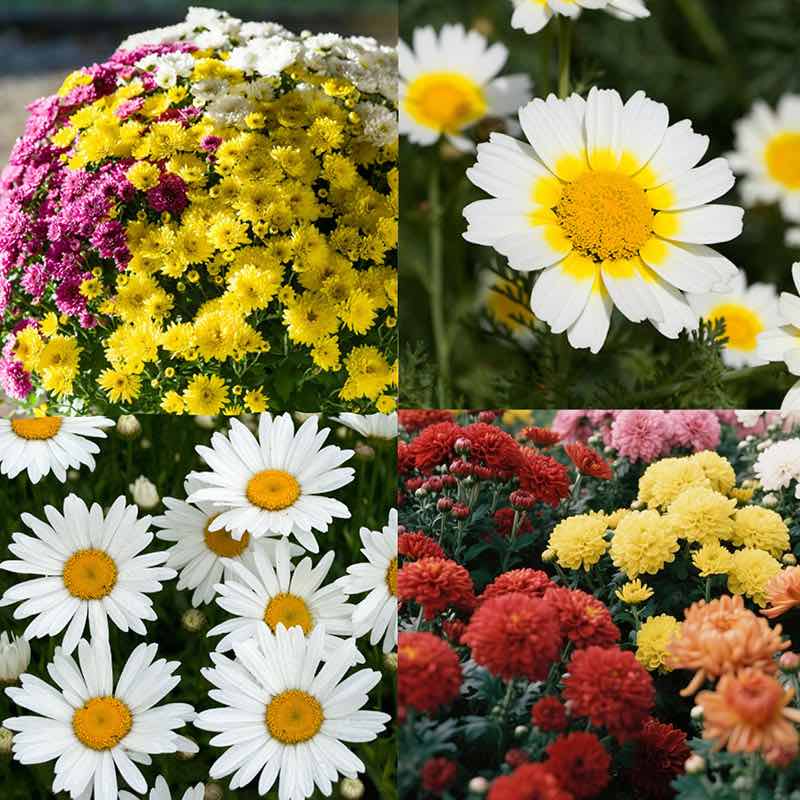
chrysanthemum flower seeds Chrysanthemum Seeds 100 PCSThis Chrysanthemum seed packet contains 100 seeds. Mums and Asters are fall blooming favorites in the Asteraceae family, an ideal way to add a splash of beautiful colorful blooms to your garden. With numerous variations of hues to choose from, you can enjoy a stunning display of color. Callistephus is a member of the Asteraceae family that includes the chrysanthemum and daisy. On this page there is a mix of mums and asters and it is important to know
Callistephus is a member of the Asteraceae family that includes the chrysanthemum and daisy.
On this page there is a mix of mums and asters and it is important to know that all mums are members of the Aster family, but not all asters are mums.Varieties: Chrysanthemums and Asters
Full-bloom Period: Late summer to frost
HOW TO PLANT CHRYSANTHEMUMS FROM SEEDS
Chrysanthemum may be grown from seed sown early indoors and transplanted outside after frost, or sown directly in the garden in summer, or grown from potted plants.
Chrysanthemum seeds need up to 16 weeks to flower when grown from seed.
SOWING SEED INDOORS
- Sow chrysanthemum seeds indoors 2 months before the last spring frost date, using a seed starting kit.
- Cover the seeds lightly with 1/8 inch of seed starting mix.
- Keep the soil moist at 70-75 degrees F.
- Seedlings emerge in 10-21 days.
- As soon as seedlings emerge, provide plenty of light on a sunny windowsill or grow seedlings 3-4 inches beneath fluorescent plant lights turned on 16 hours per day, off for 8 hours at night. Raise the lights as the plants grow taller. Incandescent bulbs will not work for this process because they will get too hot. Most plants require a dark period to grow, do not leave lights on for 24 hours.
- Seedlings do not need much fertilizer, feed when they are 3-4 weeks old using a starter solution (half strength of a complete indoor houseplant food) according to manufacturer’s directions.
- If you are growing in small cells, you may need to transplant the seedlings to 3 or 4 inch pots when seedlings have at least 2 pairs of true leaves before transplanting to the garden so they have enough room to develop strong roots.
- Before planting in the garden, seedling plants need to be “hardened off”. Accustom young plants to outdoor conditions by moving them to a sheltered place outside for a week. Be sure to protect them from wind and hot sun at first. If frost threatens at night, cover or bring containers indoors, then take them out again in the morning. This hardening off process toughens the plant’s cell structure and reduces transplant shock and scalding.
SOWING DIRECTLY IN THE GARDEN:
- Direct sow after all danger of frost.
- Remove weeds and work organic matter into the top 6-8 inches of soil; then level and smooth.
- Sow seeds evenly and cover with 1/8 inches of fine soil.
- Firm the soil lightly and keep it evenly moist.
- Seedlings will emerge in 10-21 days.
PLANTING IN THE GARDEN:
- Select a location in full sun with good rich, moist organic soil.
- Prepare the bed by turning the soil under to a depth of 6-12, inches, removing any debris, and lightly raking as level as possible.
- The addition of organic matter (leaf mold, compost, well-rotted manure) benefits all gardens and is essential in recently constructed neighborhoods.
- Plant on a cloudy day or in late afternoon to reduce transplant shock.
- Dig a hole for each plant large enough to amply accommodate the root ball.
- Remove from the pot the plant and gently loosen the root ball with your hands to encourage good root growth.
- Place the top of the root ball even with the level of the surrounding soil. Fill with soil to the top of the root ball. Press soil down firmly with your hand.
- Use the plant tag as a location marker.
- Thoroughly water and apply a light mulch layer on top of the soil (1-2 inches) to conserve water and reduce weeds.
HOW TO GROW:
- Keep weeds under control during the growing season. Weeds compete with plants for water, space and nutrients, so control them by either cultivating often or use a mulch to prevent their germination.
- Mulches also help retain soil moisture and maintain even soil temperatures. For perennials, an organic mulch of aged bark or shredded leaves lends a natural look to the bed and will improve the soil as it breaks down in time. Always keep mulches off a plant’s stems to prevent possible rot.
- Careful watering is essential in getting perennials off to a good start. Water thoroughly at least once a week to help new roots grow down deep. Soil should be damp at about 1 inch below the soil surface. You can check this by sticking your finger in the soil. Water early in the morning to give all leaves enough time to dry. One inch of rain or watering per week is recommended for most perennial plants. You can check to see if you need to add water by using a rain gauge.
- Until plants become established, some protection from extreme winds and direct, hot sunlight may be necessary. Good air movement is also important.
- After new growth appears, a light fertilizer may be applied. Keep granular fertilizers away from the plant crown and foliage to avoid burn injury. Use low rates of a slow release fertilizer, as higher rates may encourage root rots.
- Chrysanthemums may benefit from being pinched up until the Fourth of July. This should make the plants bushier, and will not prevent blooming as chrysanthemums bloom when the days begin to grow shorter, in the fall.
- “Deadhead”, remove spent flower heads to encourage continuous flowering and prevent seed development.
- Remove and discard foliage after a hard frost in fall.
- In colder regions, apply another layer of mulch (1-2 inches) after the ground freezes in the fall. Evergreen boughs (from Christmas trees) provide additional protection. Remove this mulch in the spring.
- Divide perennials when plants become overcrowded, bloom size begins to diminish or plants lose their vigor. Divide chrysanthemums in spring, just as they begin to grow. Dig clumps from the ground and with a sharp knife or spade, cut into good sized divisions, each with several growing eyes and plenty of roots. Remove any dead or unhealthy plant parts and cut back stems. Replant one division where the plant was originally and plant the extra divisions elsewhere in your garden or give them away to gardening friends. Plant the divisions immediately, or as soon as possible, and water well.
- Chrysanthemums may also be propagated from cuttings taken in spring.
GROWING TIPS:
- Many gardeners do not cut back perennial flower seed heads in the fall, but wait until early spring before the new foliage appears. This provides food for wildlife over the winter.
- Chrysanthemums make great long lasting, fragrant cut flowers.
Package includes: Chrysanthemum 100 Seeds of your choice.
SHIPPING INFORMATION
Processing time 2-5 business days.
Estimated delivery time 3-9 days (depending on your location).
Shipping Notes
- Free Standard Shipping on $100+ Orders to the USA.
- Except Preorder products are shipped in 48 hours.
- Delivery to the USA:
- Standard Shipping : 3-10 business days
- If time is of the essence, please consider selecting expedited delivery for faster service.
Exchange/Return Notes
- We offer a 30-day return/exchange service after receiving.
- Final sale items are not eligible for returns or exchanges.
- To process your return/exchange, please contact us at [email protected]
- Please click here for more details>>> Return & Exchange Policy