Pay in installments of $6.42 with
 ,
,
 and
and

Shipping Estimate
USA
- USA
- CAN
- USA
- CAN
Ships within 48 hours · Estimated delivery Sep 11 - Sep 16
 Promo Codes Available:
For Your Every Summer RSVP, with Code: SUMMER15
Description
types of night blooming cactus Shop 'Queen of the Night – Epiphyllum oxypetalum' Care & Growing GuideThe Queen of night plant, known as Epiphyllum oxypetalum, is a stunning, night blooming cereus cactus that has captivated plant enthusiasts worldwide. Its allure comes from its spectacular, large, fragrant flowers that bloom only for just one night and droop by dawn. This plant has a sprawling, epiphytic growth habit, producing long, spineless flat, green stems that climb or cascade over surfaces, making it ideal for hanging baskets or trellises. The
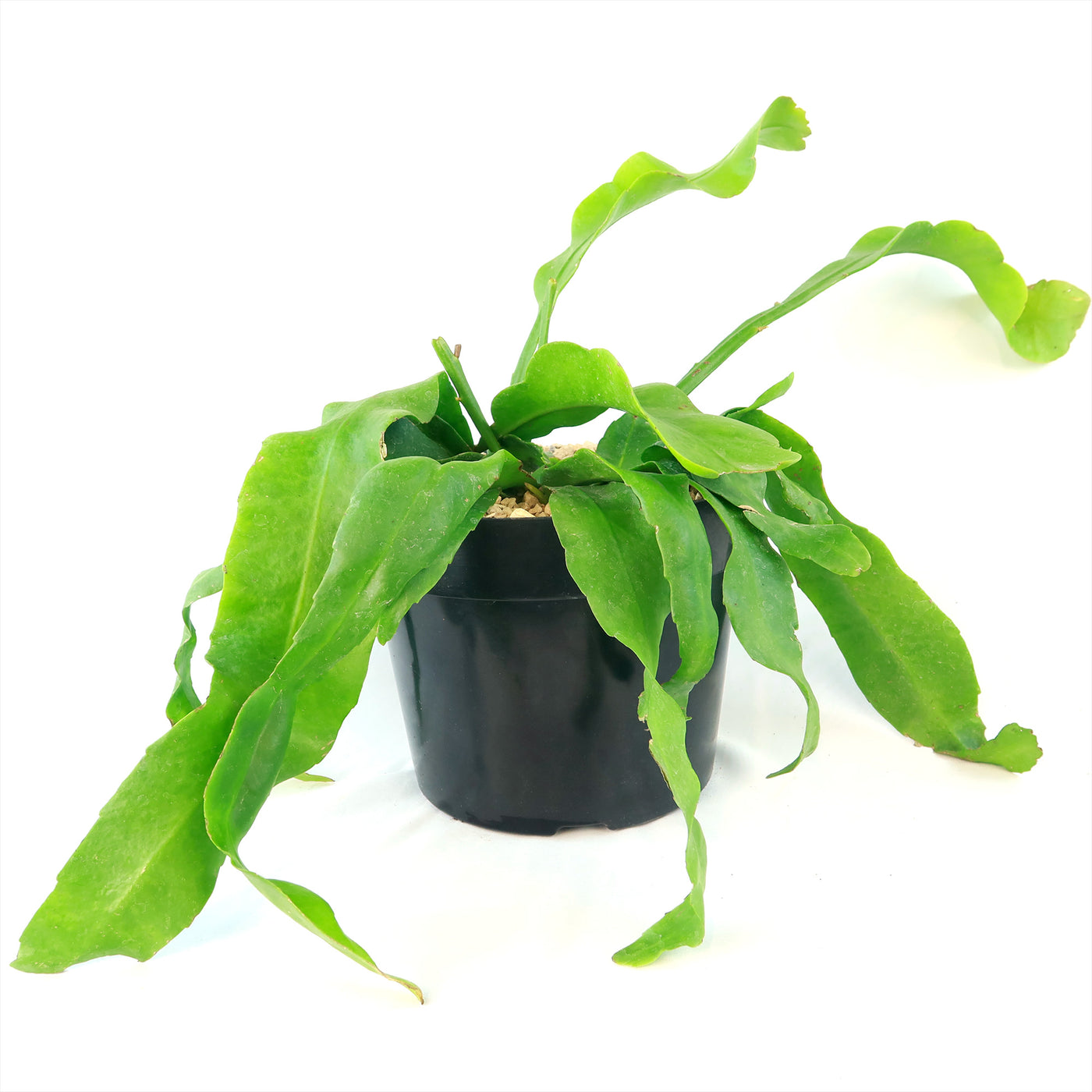
The Queen of night plant, known as Epiphyllum oxypetalum, is a stunning, night-blooming cereus cactus that has captivated plant enthusiasts worldwide. Its allure comes from its spectacular, large, fragrant flowers that bloom only for just one night and droop by dawn. This plant has a sprawling, epiphytic growth habit, producing long, spineless flat, green stems that climb or cascade over surfaces, making it ideal for hanging baskets or trellises.
The Queen of the Night is considered a symbol of luck and prosperity in some cultures like India or China, with blooming nights seen as auspicious events. This ephemeral beauty, combined with its easy care and adaptability, has made it a popular choice for homes, greenhouses, and tropical gardens.
Apart from being called Queen of the Night cactus also has several other names, such as Dutchman’s Pipe Cactus, Princess of the night, Orchid Cactus, and Night-Blooming Cereus. These names reflect their distinctive blooming habits and unique floral structure.
Native to the rainforests of Central and South America, particularly Mexico and parts of Brazil.
It thrives in warm, humid environments, growing as an epiphyte on trees or rocky surfaces, where it absorbs moisture and nutrients from its surroundings.
Over time, it has also become naturalized in many tropical and subtropical regions worldwide, including India and Southeast Asia.
This cactus is unique in that it does not resemble the traditional spiny desert cacti.
Instead, it has broad, flat, green stems that function as leaves, giving it a lush, tropical appearance.
These stems can grow long and arching, sometimes reaching several feet in length. The plant’s epiphytic nature allows it to climb or sprawl, making it a versatile choice for hanging baskets, pots, or trellises.
Under optimal conditions, Queen of the Night can grow 10 feet tall and 3 feet wide. Since it grows primarily through its long, flat stems, it requires ample space to thrive. Regular pruning can help control its size while encouraging more vigorous blooming.
The Queen of the Night’s flowers are its most remarkable feature. The large, white, and highly fragrant blossoms open only at night, typically during warm summer months, and release an intoxicating scent that attracts nocturnal pollinators like moths and bats. However, by early morning, the flowers wilt, making their beauty a fleeting but unforgettable sight.
After flowering, the night blooming cereus plant produced oblong, purplish-red, and edible fruit. It's similar to dragon fruit or pitaya, but smaller.
One of the most fascinating aspects of Epiphyllum oxypetalum is its unpredictable blooming cycle. Many gardeners eagerly await the moment when their plant decides to bloom, as it often takes years before the first flowers appear.
When and How to Water Your Queen of the Night
The Queen of the Night is a drought-tolerant epiphytic cactus, which can survive with minimal water. While it does require some moisture to thrive, it is highly adapted to periods of dryness. It stores water in its fleshy stems, reducing the need for frequent watering. Overwatering can lead to root rot, so well-draining soil is crucial.
In the spring and summer, during the active growing season, water deeply but infrequently, allowing the soil to dry out between waterings. In warm months, watering once every 7-10 days is usually sufficient. If you grow outdoors in a hot climate, check the moisture levels and adjust accordingly. Indoors, a similar schedule works, but humidity may affect watering frequency. Always use a pot with drainage holes to prevent excess moisture buildup.
In late fall and winter, during the dormant season, watering should be significantly reduced. The plant requires very little moisture during this period. Watering once a month or when the soil is completely dry is ideal. Keeping the plant dry during dormancy helps prevent fungal issues and ensures it remains healthy for the next growing cycle.
Light Requirements – Where to Place Your Queen of the Night
When grown indoors as a houseplant, the Queen of the Night prefers bright, indirect light.
A north- or east-facing window works best, ensuring it receives sufficient brightness without direct exposure to intense sun rays.
Artificial grow lights can supplement natural light if needed, especially in lower-light homes.
Direct sun for extended periods can scorch the leaves.
For outdoor growth, this plant thrives in partial shade or dappled sunlight, mimicking its natural habitat beneath tree canopies.
It requires about 4-6 hours of filtered sunlight daily. If growing in direct sun, provide shade during the hottest parts of the day. In hotter climates, protecting the plant from the intense afternoon sun prevents leaf burning and stress.
Optimal Soil & Fertilizer Needs
The Queen of the Night Plant thrives in well-drained, airy soil that mimics its native epiphytic environment. Avoid heavy soils that retain too much moisture, as this can cause root rot. Planting them in ordinary soil will result in compacted roots, stunted growth, and most likely root rot. Instead, make or buy a well-draining potting mix, or ideally use our specialized cactus potting mix, opens in a new tab that contains 5 natural substrates and mycorrhizae to promote the development of a strong root system that helps your cactus to thrive.
A balanced liquid NPK fertilizer with a 5-10-5 ratio should be applied once a year in the spring. Avoid over-fertilizing, as excess nutrients can lead to weak growth and fewer blooms. During the dormant season, stop fertilizing altogether. The plant naturally slows its growth, so additional nutrients are unnecessary and can do more harm than good.
Hardiness Zones & More
When grown indoors as a houseplant, the Queen of the Night prefers temperatures between 60-75°F. It enjoys moderate to high humidity levels, around 50-70%. A humidity tray or occasional misting can help in dry climates. Indoors, bright indirect light is best, ensuring proper photosynthesis without direct sunburn.
In the United States, this is mostly an indoor plant, but if you live in southern Florida or Hawaii then you can cultivate it outdoors in USDA zones 9-11.
It thrives in warm climates with mild winters but is not frost-hardy.
If temperatures drop below 50°F, it is best to bring the plant indoors.
Outdoor humidity should ideally be above 50%, but it can adapt to drier conditions with occasional watering adjustments.
Wildlife – Queen of the Night Flowers Attract the Following Friendly Pollinators
The Queen of the Night is known for its fragrant, night-blooming flowers, which attract nocturnal pollinators. Its large, white blooms open after sunset, drawing moths and bats, which are its primary pollinators. These creatures are essential for their reproduction in the wild.
According to the ASPCA, Epiphyllum oxypetalum is considered non-toxic to humans, cats, and dogs, making it a pet-friendly houseplant. It is safe to touch and handle, making it a great option for households with pets or small children. Additionally, this plant is known for its stunning nocturnal blooms that can add a touch of beauty to any indoor space.
How to Propagate Your Epiphyllum oxypetalum
To propagate your Epiphyllum oxypetalum, start by taking a cutting from a healthy, mature plant. Allow the cutting to callus over for a few days before planting it in well-draining soil. Keep the soil consistently moist and provide indirect sunlight to encourage root growth. With proper care, your cutting should develop roots and eventually grow into a new plant.
Key Takeaways
- Queen of the Night is one of the most popular night-blooming cereus cacti, admired for its large, fragrant flowers that open only at night.
- This plant is highly drought-tolerant, requiring minimal watering and thriving in well-draining soil with occasional moisture.
- The Queen of the Night flower is considered a symbol of luck and prosperity in India and China, where its rare bloom is believed to bring good fortune.
- The flowers of Epiphyllum oxypetalum typically bloom once a year, opening for a single night and wilting by dawn, making each flowering event special.
- This plant has a sprawling, epiphytic growth habit, producing long, flat, green stems that climb or cascade over surfaces, making it ideal for hanging baskets or trellises.
The Bottom Line
Overall, the Queen of the Night (Epiphyllum oxypetalum) is an extraordinary plant that offers a rare and mesmerizing floral display. Its adaptability, ease of care, and breathtaking blooms make it a prized possession for succulent and cactus lovers. Whether grown indoors or outdoors in warm climates, Epiphyllum oxypetalum is a rewarding plant that, with patience and the right conditions, rewards growers with a truly magical experience.
Shipping Notes
- Free Standard Shipping on $100+ Orders to the USA.
- Except Preorder products are shipped in 48 hours.
- Delivery to the USA:
- Standard Shipping : 3-10 business days
- If time is of the essence, please consider selecting expedited delivery for faster service.
Exchange/Return Notes
- We offer a 30-day return/exchange service after receiving.
- Final sale items are not eligible for returns or exchanges.
- To process your return/exchange, please contact us at [email protected]
- Please click here for more details>>> Return & Exchange Policy