SKU: 27580860427
lion's ear flower seeds

lion's ear flower seeds Lion's Ear – UJAMAA SEEDS

Sale price$20.77 Regular price$23.08
Save 10%

Pay in installments of $5.77 with ShopPay, AfterPay and Klarna

Shipping Estimate
USA
  • USA
  • CAN

Ships within 48 hours · Estimated delivery Sep 13 - Sep 18

Promo Codes Available:

For Your Every Summer RSVP, with Code: SUMMER15

Description

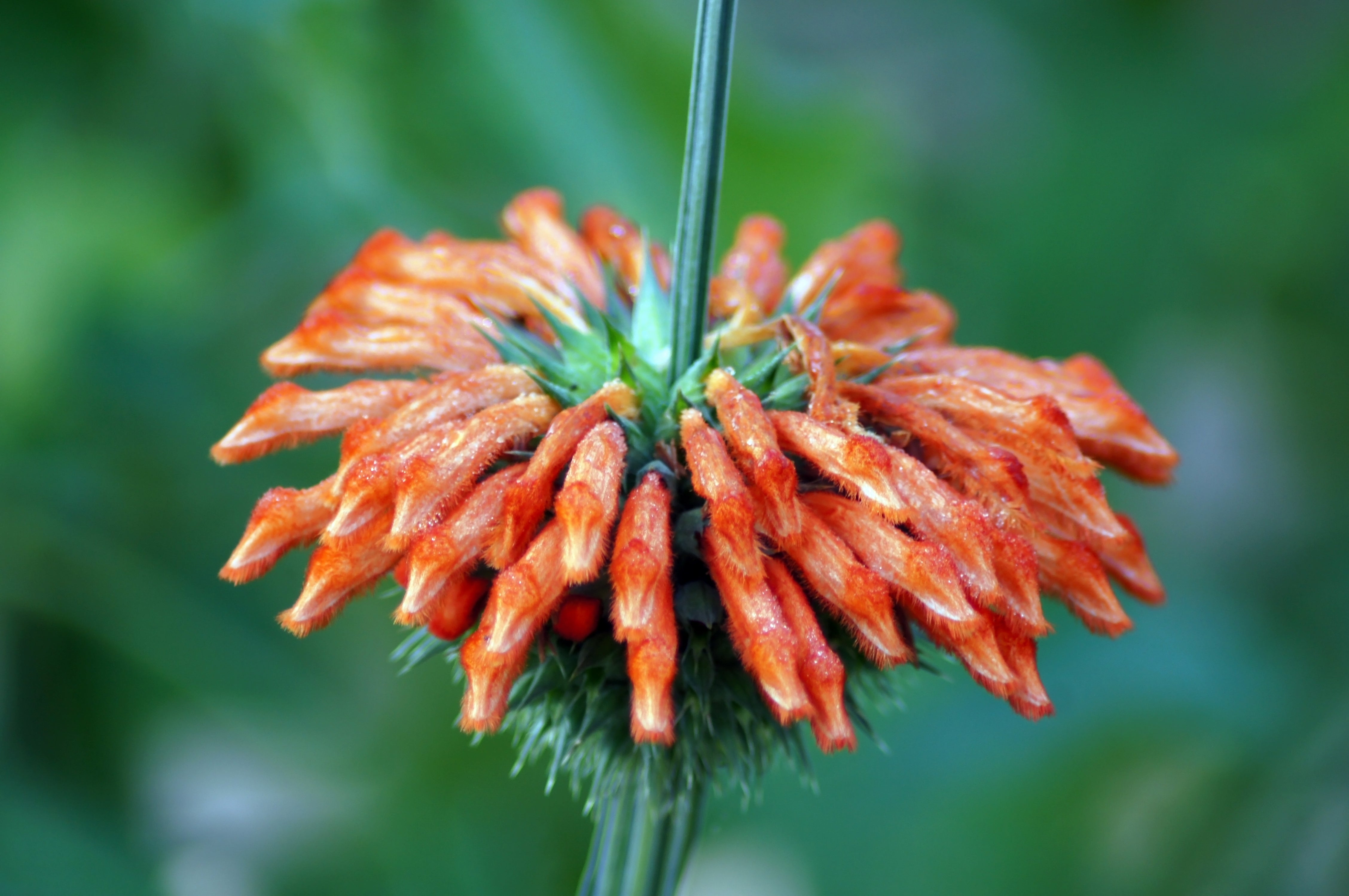
lion's ear flower seeds Lion's Ear – UJAMAA SEEDSLenotis nepetifolia Seeds per pack ~ 50 Packed for 2026 Leonotis nepetifolia, commonly known as lion's ear or klip dagga, is a species of plant in the mint family, Lamiaceae. It is native to tropical Africa and southern India but has spread to other tropical and subtropical regions around the world. Not to be confused with Leonotis leonurus which is a perennial that requires a long growing season whereas Leonotis nepetifolia is an annual. Leonotis

Lenotis nepetifolia

Seeds per pack ~ 50  Packed for 2026

Leonotis nepetifolia, commonly known as lion's ear or klip dagga, is a species of plant in the mint family, Lamiaceae. It is native to tropical Africa and southern India but has spread to other tropical and subtropical regions around the world.

Not to be confused with Leonotis leonurus which is a perennial that requires a long growing season whereas Leonotis nepetifolia is an annual. Leonotis nepetifolia is known as Lion's Ear, while Leonotis leonurus is known as Lion's Tail. Leonotis nepetifolia contains more leonurine, a pseudoalkaloid, than Leonotis leonurus.

Lion’s Ear can grow up to 10 feet tall, with square, green stems that are often woody at the base. The leaves are broadly lanceolate, a narrow oval shape tapering to a point like a lance, and serrated. They can grow up to 5 -6 inches in length. One of the most distinctive features of Leonotis nepetifolia is its bright orange or sometimes red flowers, which are tubular and arranged in spherical inflorescences that encircle the stem at intervals, resembling a lion’s mane, hence the name "lion's ear." The flowering season varies depending on the region but typically occurs in late summer to fall.

Lion’s Ear thrives in a variety of environments, from open, disturbed areas to grasslands and woodland edges. The plant prefers full sun and well-drained soil.   Leonotis nepetifolia is often grown as an ornamental plant due to its striking flowers and height, which can add structure and color to garden settings. In traditional medicine, various parts of the plant are used to treat fevers, headaches, dysentery, and other ailments. The leaves are also sometimes used as a relaxant or mild intoxicant.

The plant is drought-tolerant once established and can thrive in poor soil conditions, making it relatively easy to maintain. It can be propagated from seeds or cuttings and tends to spread easily, sometimes becoming invasive in suitable climates.  Overall, Leonotis nepetifolia is a robust, eye-catching plant that not only enhances the visual appeal of gardens but also has a range of traditional uses.


Growing Leonotis nepetifolia, or Lion's Ear, can be a rewarding experience due to its vibrant flowers and medicinal properties. Here’s how to grow this plant successfully:

Sow seeds in late winter to early spring indoors, or directly outdoors after the last frost when the soil has warmed up.  Use a well-draining soil mix. Incorporate compost or other organic matter to enrich the soil if necessary.  Scatter the seeds on the surface of the soil and lightly press them in, but do not cover them deeply, as they need light to germinate. Keep the soil moist but not waterlogged.

Lion's Ear requires full sun to partial shade, but it blooms best in full sun. Plant them in a location where they can spread out, as they can grow quite large. Space them about 18-24 inches apart to allow for good air circulation and growth. While the plant is establishing, water it regularly to keep the soil consistently moist. Once established, Leonotis nepetifolia is quite drought-tolerant, but it will benefit from occasional watering during prolonged dry spells, especially in hotter climates.

It doesn’t require a lot of fertilization. A light application of a balanced fertilizer in the early spring can promote healthier growth and flowering. Trim the plant back in late fall or early spring to encourage bushier growth and more flowers. Deadheading (removing spent flowers) can also encourage more blooms.

Keep an eye out for common pests like aphids and spider mites. Use insecticidal soap or neem oil as a natural treatment if needed. Ensure good air circulation around the plants to prevent fungal diseases. Avoid overhead watering to minimize the risk of leaf diseases.

In cooler climates, Leonotis nepetifolia is treated as an annual, as it may not survive freezing temperatures. In warmer zones, it can behave as a perennial. Mulching around the base can help protect the roots in colder areas.

By following these guidelines, you can successfully grow Leonotis nepetifolia in your garden, enjoying its striking flowers and the wildlife it attracts, like bees and hummingbirds.

Shipping Notes
  • Free Standard Shipping on $100+ Orders to the USA.
  • Except Preorder products are shipped in 48 hours.
  • Delivery to the USA:
  1. Standard Shipping : 3-10 business days
  • If time is of the essence, please consider selecting expedited delivery for faster service.
Exchange/Return Notes
  • We offer a 30-day return/exchange service after receiving.
  • Final sale items are not eligible for returns or exchanges.
  • To process your return/exchange, please contact us at [email protected]
  • Please click here for more details>>> Return & Exchange Policy
SKU: 27580860427

Discover Niche Categories That Outsell lion's ear flower seeds

Top-Converting Item to Boost Your Average Order

4.5 ★★★★★
Based on 27 reviews
Sort
Highest Rating
Newest First
Oldest First
Product Reviews
B
Verified Purchase
BillV
Bozeman, US
★★★★★ 5
As advertised
Size: 32mm
Perfect for what I wanted it for
WAS THIS REVIEW HELPFUL?YesReportShare
Reviewed in the United States on April 30, 2024
R
Verified Purchase
Ryan
Bozeman, US
★★★★★ 5
Works great, do the double drain for best results
My 06 Altima (185k miles) had been burning massive amounts of oil (like 4 quarts every 800 miles) due to a leaking PCV valve hose that took forever for me to narrow down (months). So after getting that under control I figured I needed to decontaminate the poor engine. When using this I idled my car to operating temp (about 8 minutes). Poured the bottle in, idled it for another 15 minutes. Drained the oil (black and thick). Put the plug back in, poured about 2.5qts of new oil in. Idled it for 10 minutes. Drained that (black but much thinner). Took the old filter off. Let both areas drain for 10 minutes. Put the plug back in, put the new filter on and filled with the 4.6qts of new oil my car calls for. Ran for a few minutes (like 2 with a few revs) and then let sit for 10 mins before checking the level. When I checked my dipstick it was so clean I thought I had a leak because I couldn't see it on any of the crosshatch. I ended up having to go by touch to get the reading. This stuff is amazing.
WAS THIS REVIEW HELPFUL?YesReportShare
Reviewed in the United States on November 15, 2025
T
Verified Purchase
T. Lee
Fort Morgan, US
★★★★★ 5
Worked for me! Definitely recommend!
Used a whole can in my 2009 Civic 1.8L with 150k miles. I can honestly say, this helped remove a lot of sludge out of the engine. The oil came out with a water-like texture and super dark! Before taking out the oil filter, I added new lower cost oil to the engine and let the engine run for about 5 minutes to get that extra flush! You can definitely see all the extra sludge in the new oil! Drained and refilled with new oil and filter. The engine definitely sounded quieter and smoother than before! If you value your car, I would definitely recommend doing this flush on your higher mileage cars every 50k miles or so! Definitely recommend this LiquiMoly product!
WAS THIS REVIEW HELPFUL?YesReportShare
Reviewed in the United States on May 11, 2025
J
Verified Purchase
JJ
Pawtucket, US
★★★★★ 5
3rd Update! See review... Good stuff and works as advertised...
Update - 3rd oil change/flush. Engine oil draining from engine is waaaay cleaner than my first flush. Probably won't need to do a 4th time for several changes. I added Ceratec at this change and am amazed how much better the engine performs since my initial flush. Less clatter and very smooth idle. (Jeep 4.0 I6) Update- 2nd change and used the flush again. About 7000 miles from first use. The oil was cleaner and less "gunky" as first time but oil was definitely dirtier than normal. Right away noticed off idle throttle response improved. Then on a drive I take regularly with a mountain pass and long downhill I noticed that even tho the jeep downshifted out of OD it took much less throttle to hold 65 up a long grade. On the downhill normally I would see 50-60 mpg max on the digital readout. This time. It went to 99 which to me indicates more vaccum below the throttle plate. My guess is the rings freed up a bit more than the first flush and highway mileage is up to 23+ where I would get 21 before. Nice! Used in 2001 Jeep Grand Cherokee. 140k miles and a ticking lifter (common in the 4.0 - 6 cylinder...). Definitely cleaned sludge (oil filter very heavy!) and oil was dark when draining. Idles smoother, oil stays cleaner longer, slight oil pressure increase and runs cooler. The lifter still ticks but probably a cam lobe issue. Will use it after 7500 miles or 1 year. Will report back after next change.
WAS THIS REVIEW HELPFUL?YesReportShare
Reviewed in the United States on February 22, 2017
J
Verified Purchase
J N Brown
Boise, US
★★★★★ 5
Tips and tricks
I watched several videos by professionals who used this. Follow instructions. Make sure the engine is warm before you put it in. Make sure you have everything you need. The biggest tip I got that was repeatedly emphasized by the pros was to buy a “cheap” oil in addition to the new oil. After you run the flush drain the oil and flush. Put the cheap oil in and “rinse” the inside of the engine with the cheap oil. Then drain again. Replace the oil and filter with your good stuff. I followed these instructions or suggestions and…. I sat in the truck while the flush was running. It’s a 13 year old truck with 150,000 miles. It was running strong but burning oil and kind of loud. Sounded like it was growling. There were some ticking type noises that made me nervous. As I sat in the truck and let the flush cycle through the engine at idle I could literally hear the flush working. Very slowly it was like someone gave the engine a Xanax and you could hear it getting quieter and calming down. I drained, rinsed with cheap oil only letting the cheap oil run through at idle for another 15 minutes then drained again. The oil flush was clearly important. It didn’t come out as black as the first drain but it looked like old nasty oil. The truck is no longer burning oil. My gas mileage has increased significantly and it is running so quiet and smooth it’s unbelievable. I used a little less of the liquid Molly flush than it called for regarding the flush to oil ratio. I didn’t want to do something too intense to the inside of the engine. But the results were remarkable. Just as advertised after following the instructions. I also added the liquid Molly oil additive to the final oil change to ‘lube’ the inside of the engine. I plan to do another flush in about 10,000 miles. All that to say, yes, you won’t be disappointed as long as you follow instructions and a few tips and tricks. My truck is almost running like a brand new truck and again it’s an old and tired truck. I will use this as part of a high mileage maintenance and perform the flush every 50,000 miles or so. I feel confident it will extend the life of my engine based on the results
WAS THIS REVIEW HELPFUL?YesReportShare
Reviewed in the United States on February 9, 2024

recommand products