Pay in installments of $5.57 with
 ,
,
 and
and

Shipping Estimate
USA
- USA
- CAN
- USA
- CAN
Ships within 48 hours · Estimated delivery Sep 11 - Sep 16
 Promo Codes Available:
For Your Every Summer RSVP, with Code: SUMMER15
Description
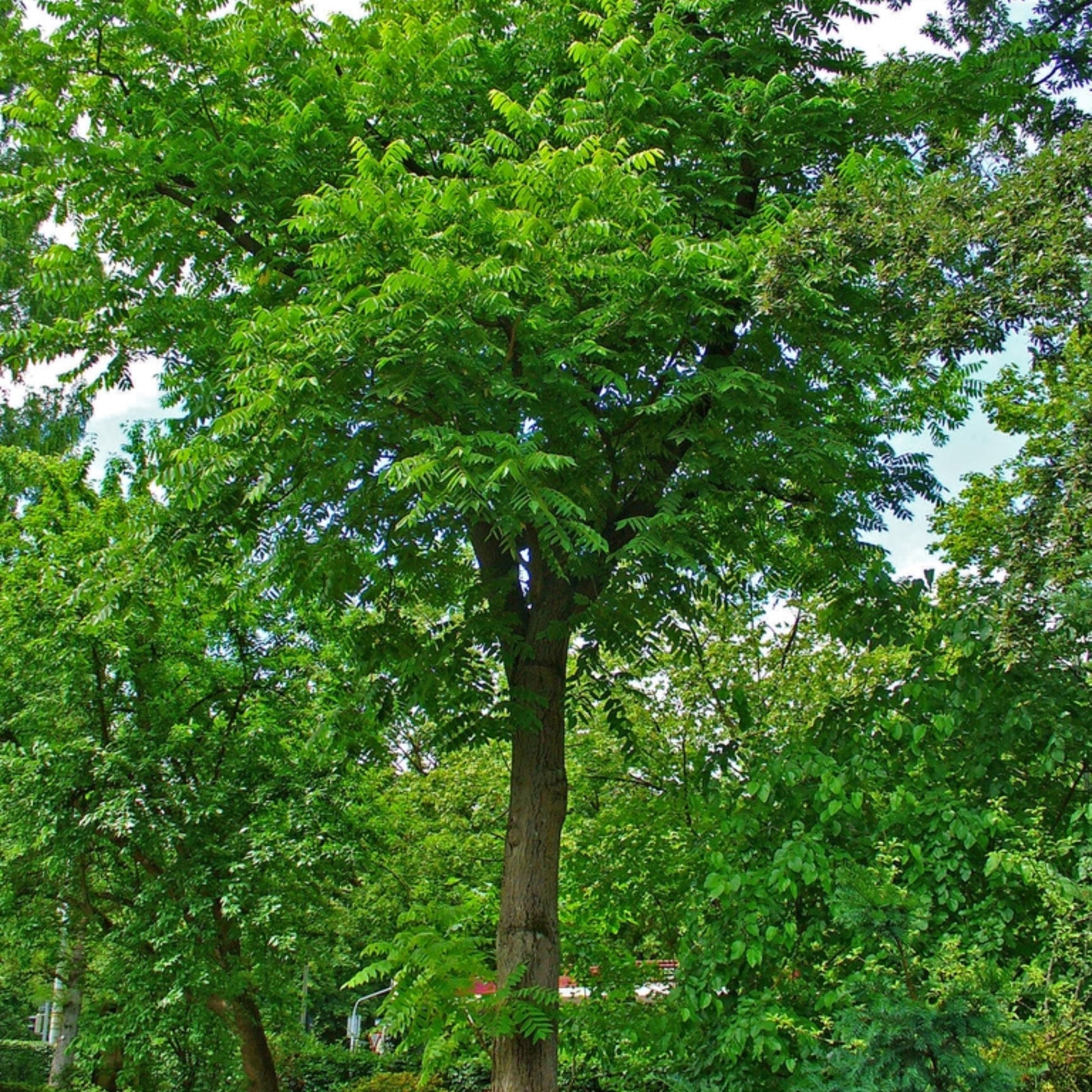
planting butternut trees from seed Butternut Tree SeedsThe forgotten walnut. Native. Threatened. Worth saving. Juglans cinerea, the Butternut or White Walnut, is the more northern, more cold hardy, and more mild flavored native relative of the Black Walnut, producing rich, buttery nuts with a flavor distinctly sweeter and less intense than its famous cousin and a tree that once grew across the northeastern United States and southeastern Canada in numbers that have been dramatically reduced by butternut
The forgotten walnut. Native. Threatened. Worth saving.
Juglans cinerea, the Butternut or White Walnut, is the more northern, more cold-hardy, and more mild-flavored native relative of the Black Walnut, producing rich, buttery nuts with a flavor distinctly sweeter and less intense than its famous cousin and a tree that once grew across the northeastern United States and southeastern Canada in numbers that have been dramatically reduced by butternut canker, an introduced fungal disease that has killed an estimated 80 percent of wild butternuts in much of its range since the 1970s. The Butternut is now listed as a species of conservation concern across much of its native range. Growing Butternut from seed is one of the most meaningful conservation acts available to a northeastern or Great Lakes grower. If you are looking to buy Butternut seeds or grow white walnut from seed, every tree planted represents a species that is fighting to survive.
- Rich, sweet, buttery-flavored nuts superior in mildness to Black Walnut, eaten fresh and used in baking
- The most cold-hardy native walnut in eastern North America, thriving in zones 3 to 7
- Listed as a species of conservation concern with wild populations reduced up to 80 percent by butternut canker
- Produces nuts within 4 to 6 years from seed, earlier than most large nut trees
- Deep golden-yellow fall color with large compound leaves, attractive shade tree
Things you probably did not know about the Butternut
The nuts were a critically important food and oil source for Indigenous peoples of the Northeast. Butternut nuts were harvested, dried, and stored as a winter food staple by the Iroquois, Abenaki, and other northeastern nations. The nuts were also boiled and the oil skimmed from the surface, producing a rich cooking and cosmetic oil with a flavor comparable to walnut oil. The oil was so valued that trading relationships centered on butternut nut stores have been documented in archaeological and historical records.
The inner bark was the source of a yellow-brown dye used by colonial Americans and Confederate soldiers. Butternut bark produces a warm yellow-brown dye that was one of the few natural dyes available in quantity in the eastern woodlands. Confederate soldiers whose uniforms were dyed with butternut were sometimes called butternuts by Union troops. The dye was also used for textiles, leather, and wood staining in early American crafts.
Butternut canker arrived from Asia and has no effective treatment. Sirococcus clavigignenti-juglandacearum, the fungal pathogen responsible for butternut canker, was introduced to North America from Asia in the early to mid-20th century and has spread throughout the butternut's range. The cankers girdle branches and trunks, eventually killing infected trees. Some individual trees show apparent resistance to the canker, and breeding programs are selecting for resistant individuals, but no cure or chemical treatment is currently effective at preventing the disease.
The nuts are contained in a sticky green husk that stains everything it touches. Like all walnuts, Butternut nuts are enclosed in a green husk that contains compounds producing dark brown stains on skin, clothing, and concrete that are extremely persistent. The husks were used by Indigenous peoples as a natural dye and insect repellent. The staining is strong enough that harvesting butternuts without gloves is not recommended unless you intend to walk around with brown hands for two weeks.
Growing Details
- Botanical Name: Juglans cinerea
- Stratification: Required, 90 to 120 days cold moist stratification, recalcitrant seed, keep moist
- USDA Zones: 3 to 7
- Soil: Well-drained, deep, slightly acidic to neutral, tolerates rocky soils better than Black Walnut
- Light: Full sun
- Height: 40 to 60 feet
- Spread: 30 to 50 feet
- Growth Rate: Moderate, 1 to 2 feet per year
Plant it knowing it may face disease pressure from canker. Individual trees that show resistance are worth selecting and propagating. Every Butternut in cultivation matters during what may be the most critical period in the species' history.
Shipping Notes
- Free Standard Shipping on $100+ Orders to the USA.
- Except Preorder products are shipped in 48 hours.
- Delivery to the USA:
- Standard Shipping : 3-10 business days
- If time is of the essence, please consider selecting expedited delivery for faster service.
Exchange/Return Notes
- We offer a 30-day return/exchange service after receiving.
- Final sale items are not eligible for returns or exchanges.
- To process your return/exchange, please contact us at [email protected]
- Please click here for more details>>> Return & Exchange Policy