Pay in installments of $7.32 with
 ,
,
 and
and

Shipping Estimate
USA
- USA
- CAN
- USA
- CAN
Ships within 48 hours · Estimated delivery Sep 8 - Sep 13
 Promo Codes Available:
For Your Every Summer RSVP, with Code: SUMMER15
Description
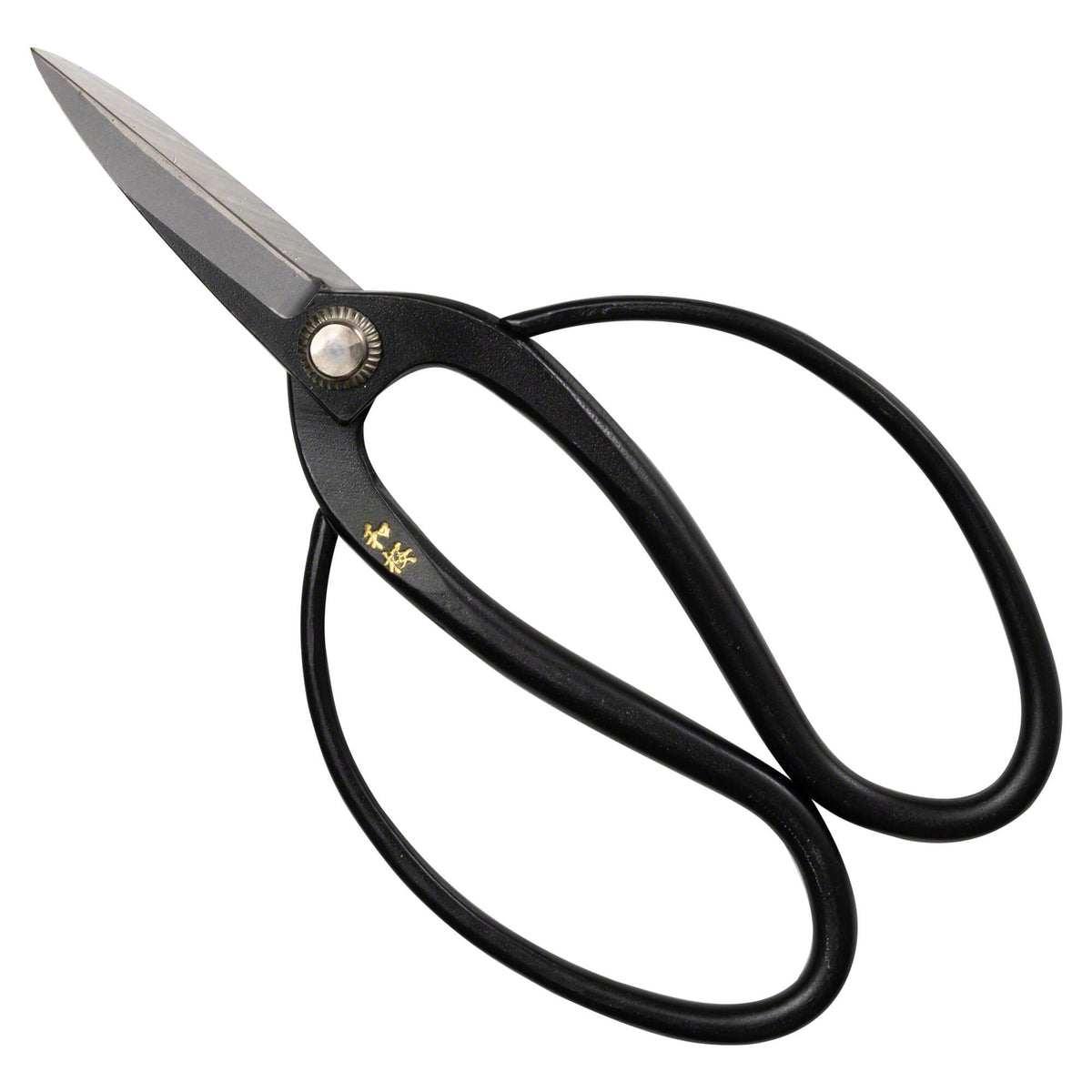
japanese garden scissors Traditional Bonsai Scissors Made In Japan 7"(180mm) in Yasugi Steel – Wazakura JapanTraditional bonsai scissors model can help you achieve precise, beautiful pruning results while providing comfort and durability. Currently out of stock in the US Specification Size: L7. 09 W3. 94 H0. 67inch (L180 W100 H17mm) Length of Blades: 2. 17 inch (55 mm)Weight: 6. 17 oz (175 g)Material: YCS3 Alloy Tool Steel YCS is a trademark of Hitachi Metals, Ltd. Made in Japan (Sanjo, Niigata prefecture)Condition: New Made in Japan by 3rd generation of
Traditional bonsai scissors model can help you achieve precise, beautiful pruning results while providing comfort and durability.
Currently out of stock in the US
【Specification】
Size: L7.09× W3.94× H0.67inch (L180× W100× H17mm)
Length of Blades: 2.17 inch (55 mm)
Weight: 6.17 oz (175 g)
Material: YCS3 Alloy Tool Steel
※YCS is a trademark of Hitachi Metals, Ltd.
Made in Japan (Sanjo, Niigata prefecture)
Condition: New
【Made in Japan by 3rd generation of artisans】
Experience the time-honored art of bonsai with our exquisite collection of genuine Japanese bonsai tools, skillfully handforged by third-generation bonsai tool artisans in the historic city of Sanjo, Niigata Prefecture. Sanjo is known since 17th century for the metalwork skills of their artisans and blacksmiths.
【Yasugi Specialty Steel】
Bonsai tools made of Yasugi Specialty Steel, a unique steel produced only in Japan. Yasuki steel is made in the Hitachi Metals plant in Shimane prefecture (Japan). It is created by combining iron and steel, removing impurities (phosphorus, sulfur, etc) that reduce sharpness, and forging and rolling the steel many times with hot processing. The characteristics Yasugi Steel tools are extra strong, wear-resistant and long-lasting sharp tools.
【General Purpose, Beginner friendly】
Made of carbon steel blades, the scissors are ideal for general purpose (pruning and trimming, shoot and leaf cutting) and for beginners. It can easily cut a diameter of up to about 1/2 inches. Uses also include ikebana and general gardening work.
【Butterfly Handle, Golden Engraving】
Large and looped handle, very close to the blade, that fits comfortably in your hand, allowing for a better control. With a beautiful golden engraving of our brand name in traditional Japanese kanji characters.
【Clean Cut, Sharp Edge】
With a short rounded but pointed edge, it severs flower fibers cleanly resulting in better water absorption. The length of the blade makes it ideal for detailed work,.
Gro Bonsai YouTube
Darren George
Bonsai Artist Youtuber
My pair of Yasugi 7” Traditional bonsai scissors excel during root-work. These high-strength scissors cut through thick roots cleanly, important for healing. They are also precise enough to trim fine roots, allowing me to work quickly without having to constantly swap tools. Root scissors often come into contact with soil and debris, but I find the Yasugi steel holds its edge, resisting dullness well. Given how sharp they are straight out of the box, I’m confident I will be able to hone the blades easily - when the time eventually comes.
YouTubeScarlet Gore
Assistant Museum Curator
I have arthritis in my hands so I especially love that the design of these shears allows me to put my whole thumb in and work for hours without pain. They are so well-balanced and they are a good size, weight, and length. The blades cut effectively all the way to the tip which allows for precision cutting. They are amazing to use when we thin tiny maple leavest.
YouTube【Video: How are Wazakura's YASUGI STEEL scissors made?】
【Video: The Artisans behind Wazakura's Yasugi Steel Bonsai Scissors】
Meet Mr. Shige, the Japanese artisan behind our Yasugi Steel Bonsai Scissors (and ikebana as well!) and have a sneak peek at its manufacturing process.
【Video: Bonsai Tool Maintenance】
How do you clean your bonsai tools? Is there a correct way to sharpen them? Or any advice on how to generally proper take care of your bonsai tool kit?
If those questions have ever crossed your mind, you will enjoy this video, in which Wazakura Japan's resident bonsai artist Yusuke Ogawa explains and show the proper way to maintain and take care of your bonsai tools collection.
WAZAKURA JAPAN TOOLS USED IN THIS VIDEO
・Sharpening Oilstone
・Sap Sap Eraser
・Satsuki Bonsai Trimming Scissors
・Bonsai Concave Branch Cutter
・Knob Cutter
・Wire Cutter
・Root Cutter
Shipping Notes
- Free Standard Shipping on $100+ Orders to the USA.
- Except Preorder products are shipped in 48 hours.
- Delivery to the USA:
- Standard Shipping : 3-10 business days
- If time is of the essence, please consider selecting expedited delivery for faster service.
Exchange/Return Notes
- We offer a 30-day return/exchange service after receiving.
- Final sale items are not eligible for returns or exchanges.
- To process your return/exchange, please contact us at [email protected]
- Please click here for more details>>> Return & Exchange Policy