Pay in installments of $5.58 with
 ,
,
 and
and

Shipping Estimate
USA
- USA
- CAN
- USA
- CAN
Ships within 48 hours · Estimated delivery Sep 13 - Sep 18
 Promo Codes Available:
For Your Every Summer RSVP, with Code: SUMMER15
Description
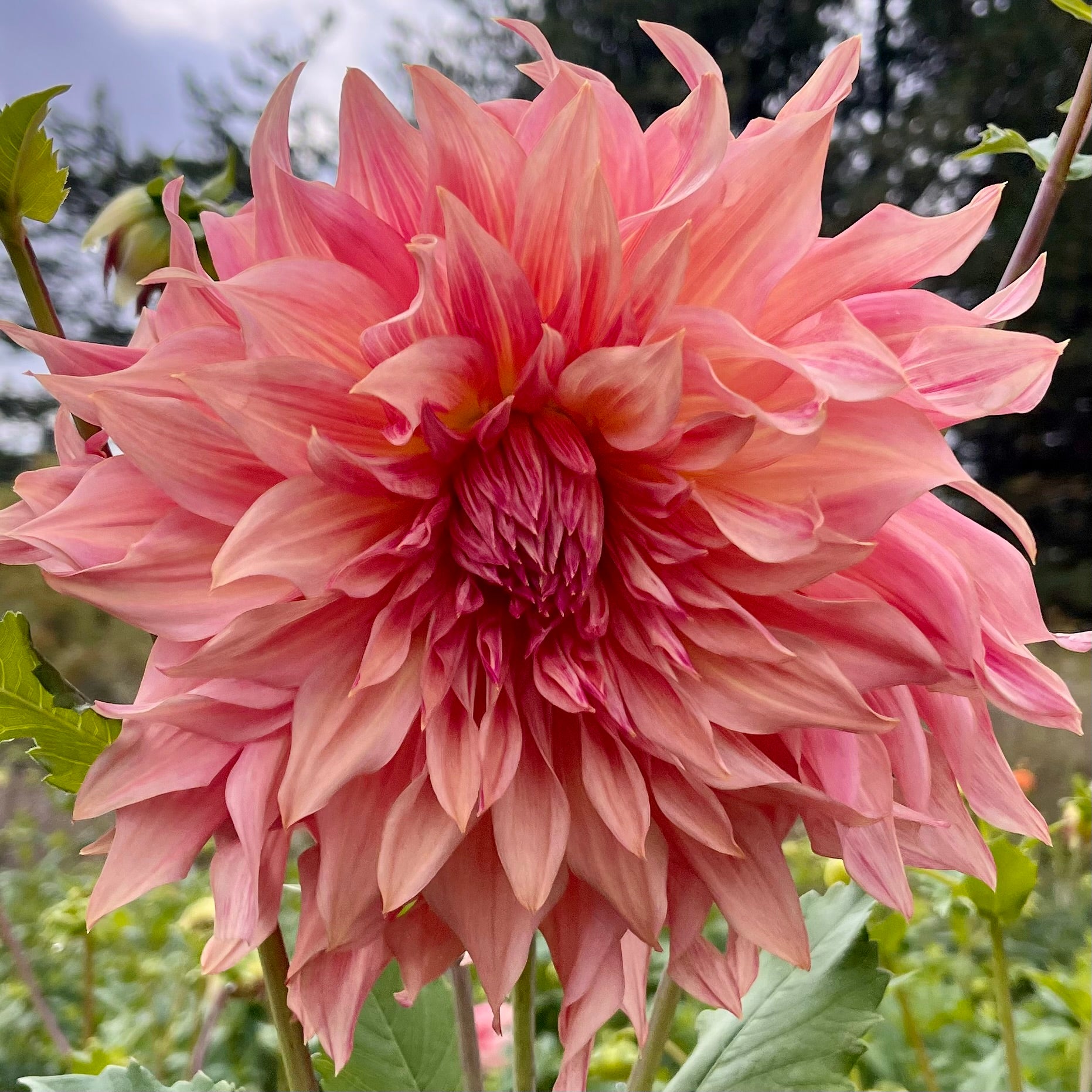
dinner plate dahlia seeds Dahlia 'Penhill Watermelon'This gorgeous Dahlia 'Penhill Watermelon' features oversized blooms up to 12" wide with vibrant watermelon pink tones, delivering an impressive, show stopping display in any garden. Sturdy stems ensure long lasting floral color for months, perfect as a vivid centerpiece in bouquets and borders. Its enormous flowers will impress your entire family and will be the talk of the neighborhood. Plant Height: 4 5' Bloom Size: 10 12" SPRING SHIPPING: from mid
This gorgeous Dahlia 'Penhill Watermelon' features oversized blooms up to 12" wide with vibrant watermelon pink tones, delivering an impressive, show-stopping display in any garden. Sturdy stems ensure long-lasting floral color for months, perfect as a vivid centerpiece in bouquets and borders. Its enormous flowers will impress your entire family and will be the talk of the neighborhood.
Plant Height: 4-5'
Bloom Size: 10-12"
SPRING SHIPPING: from mid-April through May
FALL SHIPPING: from late-October through mid-November
EARLY SHIPPING SERVICE FEE: $14 thermal protection + courier upgrade
https://lilysgardenstore.com/products/early-shipping-request
Country of origin: Canada
Tuber Count: 1
Plant Type: Tender perennial (dig out after first frost for overwintering, or treat as an annual)
Light Requirement: Full Sun
Blooms: Summer to First Frost
Plant Spacing: 12-18"
Plant Staking: Highly recommended due to height
Planting Information:
Dahlias are shipped as single tubers with minimum one eye guaranteed per tuber. If you are not able to plant the tubers upon arrival, store in a cool, dry, dark location.
Plant Dahlia's after the last Spring frost and soil has warmed to 15°C (60°F). Pick a well drained, rich, organic flower bed or planter to plant into. Loosen the soil to a depth of 30 cm (12") before planting. Add compost and all-purpose granular fertilizer to the planting area and mix well. Dig a hole and plant the tubers, keeping the stem(s) or sprouts upright. The top of the tubers, where the sprout emerge, should be positioned 3-6" below the soil surface when the hole is filled in. Fill in around the tuber, firmly pressing down the soil so it is even with the surrounding ground, and water well. Make sure there are no air pockets in the soil. If planting in a container, ensure there are adequate drainage holes.
Tips:
- To get a jump start to the flowering season, you can plant the tubers in pots indoors 4-6 weeks before transplanting into the garden. Once the shoots appear, please provide ample light with indoor grow lights or south-facing window.
- When the plants are 30 cm (12") tall, pinch off the top of the main stem. This will stimulate branching producing more stems and flowers.
- A common mistake when growing dahlias is to overwater tubers you have just planted. Too much water at this early stage can lead to rot. Water once when you first plant the tuber, then wait until you spot the first sprouts before watering again.
- To prevent disease, keep the foliage of dahlias as dry as possible. Water deeply once or twice a week, allowing the 2.5 cm (1") top of soil to dry out in between waterings.
- Dahlia plants will benefit from supplemental organic water-soluble fertilizer every 3-4 weeks until September. Stop fertilizing in September to promote better overwintering of tubers.
- It is important to deadhead (remove wilted blooms) to encourage new buds, otherwise the plant will stop blooming and will focus its energy on seed production. Trim spent dahlia blooms with clean sharp garden scissors just above the point where the flower stem intersects with a leaf.
- Cut blossoms liberally for indoor flower arrangements to encourage more branching and flower production. Despite a relatively short vase life, dahlias make gorgeous bouquets.
- Dahlias do not propagate reliably from seed, so if you'd like to keep and multiply your dahlia stock, make sure to dig up the tubers in fall.
- Dahlia tubers can be lifted for winter storage at any time, as long as the plant had been growing for over 120 days.
Overwintering:
- In fall, after the first frost has blackened the foliage, cut off all but 2 to 4 inches of top growth, and carefully dig tubers without damaging them. Allow to dry for a few days in a frost-free location, out of direct sunlight. Once dried, remove any excess soil, leaving 1 to 2 inches of stem. Store each clump of tubers in a ventilated box or basket. Fill the box with peat moss, clean wood shavings or vermiculite and place it in a cool, dry location. Saran wrapping individual tubers is also a great overwintering option, recommended by American Dahlia Society.
- Optimal temperature for overwintering is +4.4C-10C (40F-50F). Don't allow your tubers to freeze as they are extremely cold sensitive. If temperature is too warm however, they may start to sprout in storage.
- Maintaining proper humidity is crucial. If stored wet, tubers will mold and possibly rot. If they are stored too dry, they will shrivel up and may die. A little shriveling is perfectly normal and won't affect the viability of the tubers.
- Check tubers periodically through winter for rotting and drying out. If the tubers appear shriveled, mist them lightly with water. If any start to rot, trim the rotted portion of the clump so it won't spread. The tubers are fragile, so be careful when handling them.
- When warm weather arrives, you can plant the overwintered tubers and begin the growing cycle again.
Shipping Notes
- Free Standard Shipping on $100+ Orders to the USA.
- Except Preorder products are shipped in 48 hours.
- Delivery to the USA:
- Standard Shipping : 3-10 business days
- If time is of the essence, please consider selecting expedited delivery for faster service.
Exchange/Return Notes
- We offer a 30-day return/exchange service after receiving.
- Final sale items are not eligible for returns or exchanges.
- To process your return/exchange, please contact us at [email protected]
- Please click here for more details>>> Return & Exchange Policy