Pay in installments of $5.76 with
 ,
,
 and
and

Shipping Estimate
USA
- USA
- CAN
- USA
- CAN
Ships within 48 hours · Estimated delivery Sep 16 - Sep 21
 Promo Codes Available:
For Your Every Summer RSVP, with Code: SUMMER15
Description
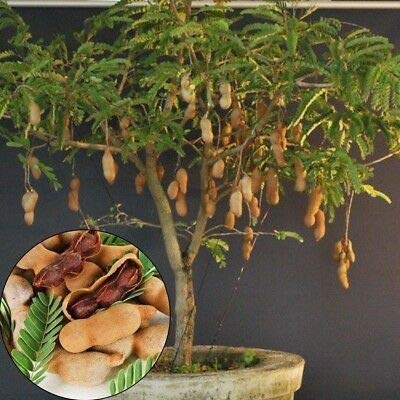
tamarind tree bonsai Exclusive Sweet Tamarind Live Plant Suitable For Bonsai – GreenParadiseLiveGreen Paradise Offers Tamarind Indica Healthy Plant About Tamarind Indica Healthy Plant Sweet tamarind, scientifically known as Tamarindus indica, is a tropical fruit bearing tree native to Africa. It belongs to the family Fabaceae and is widely cultivated in various parts of the world for its edible fruits. The tree can grow up to 20 25 meters in height and has a dense crown of foliage. Here are some key characteristics and information about the
Green Paradise Offers Tamarind Indica Healthy Plant
About Tamarind Indica Healthy Plant
Sweet tamarind, scientifically known as Tamarindus indica, is a tropical fruit-bearing tree native to Africa. It belongs to the family Fabaceae and is widely cultivated in various parts of the world for its edible fruits. The tree can grow up to 20-25 meters in height and has a dense crown of foliage.
Here are some key characteristics and information about the sweet tamarind plant:
Leaves:
The leaves of the sweet tamarind are pinnately compound, with each leaf containing 10-20 pairs of oblong leaflets. The leaves are bright green and provide a dense shade.
Flowers:
The sweet tamarind tree produces small, yellow flowers that are often tinged with red. The flowers are borne in clusters and are fragrant.
Fruits:
The most recognizable feature of the sweet tamarind tree is its fruit. The fruit is a brown pod-like structure that contains a sweet, sticky pulp surrounding the seeds. The pulp is the edible part and has a tangy-sweet flavor. The fruit matures in about six to seven months after unfolding.
Culinary Uses:
Sweet tamarind pulp is widely used in various cuisines around the world. It is a popular ingredient in chutneys, sauces, candies, and beverages. The pulp can be eaten directly, and it is also used as a flavoring agent in many dishes.
Medicinal Uses:
Sweet tamarind has several traditional medicinal uses. It is known for its laxative properties and is used to relieve constipation. The fruit is also rich in antioxidants, vitamins, and minerals, making it beneficial for overall health.
Growing Conditions:
Sweet tamarind thrives in tropical and subtropical regions. It prefers well-drained soil and can tolerate a wide range of soil types. The tree requires full sun exposure for optimal growth and fruit product.
Propagation:
Sweet tamarind can be propagated through seeds or by grafting. Seeds should be sacrificed (lightly nicked or filed) before planting to enhance germination. Grafted trees tend to produce fruits earlier than those grown from seeds.
Cultural Significance:
Sweet tamarind holds cultural significance in many countries where it is grown. It is often associated with festivities, and its fruits are used in religious rituals and ceremonies.
Sweet tamarind is a versatile and valuable tree due to its culinary and medicinal uses. It is also appreciated for its ornamental value, providing shade and a beautiful appearance.
Sun, Soil, and Spacing
For optimal health and growth, tamarind needs a full-sun location. University defines full sun as providing at least six hours of direct sunlight each day in the summer. Tamarind trees won’t die if they receive less than this recommendation, but they may not live up to their potential.
Tamarind isn’t too fussy about the type of soil on which it’s planted. Tamarind’s pH tolerance also cuts a wide swath of tolerance – from acidic to alkaline – and it prefers moist to wet soil, as long as the soil drains well and its roots don't sit in soggy soil.
If you’re growing more than one tamarind tree, it’s important to consider their mature size so that you properly space them from each other. If they’re planted too close together, their roots can compete with each other for water and nutrients, which could weaken the trees. Purdue recommends spacing trees from 33 to 65 feet apart, and the University of recommends planting trees at least 3 feet from sidewalks and other hardscapes to allow for healthy root growth.
Watering Tamarind Trees
Similar to the watering requirements for most young trees, you’ll need to water tamarind more often until its roots become established, which is when mature trees begin to become more drought-tolerant. Two important variables that influence when you’ll need to water your tamarind tree, and how much water to give it, are time of year and type of soil. For example, trees need more water during hot weather, windy conditions, and periods of low humidity; and clay soil retains water longer than sandy soil.
A young tamarind tree may benefit from a water basin around its trunk. To make a water basin, build the soil up several inches to form a raised berm around the tree’s root ball. Each time you water a young tree, Taxws A&M Forest Service recommends filling the basin, letting the water soak into the ground, and filling the basin again.
Several days after you water a young tree, check the moisture around the roots by digging into the soil to a depth of 12 inches. If the soil is dry, it’s time to water again; if it’s still moist, check it again in another couple of days. Repeat this procedure a few times until you have a “feel” for how often to water your tree. Once your tamarind tree is mature, you may only need to water it once or twice a month if rainfall doesn't supply enough moisture.
Fertilizing Tamarind Trees
Tamarind has a low fertilization requirement, so you may want to apply fertilizer according to soil-test recommendations to make sure you don’t overdo it. In the absence of a soil test, fertilize young trees every two to three months with 6-6-3 fertilizer or an organic equivalent, starting with an application of 1/4 pound per tree and gradually increasing to 1/2 pound of fertilizer per year of a tree’s age, three to four times each year. If your tamarind tree is bearing fruit, fertilize with 8-3-9 or an organic equivalent at the rate of 1/2 pound per year of the tree’s age, at a similar schedule of three to four times each year.
Another reason that it's important to have a soil test before fertilizing your tree is tamarind’s need for microelements, such as iron, which may be lacking in alkaline soils. The cooperative extension service where you live can perform a soil test for a nominal fee, and all you have to do is take a soil sample from around the tree into your local office.
Pruning Tamarind Trees
As it matures, a tamarind tree naturally grows into its characteristic rounded or vase shape, which offers a lot of shade under its dense canopy. You won’t have to shape tamarind by pruning it as a tree to achieve this desirable attribute. But the University of Florida IFAS Extension notes that some trees may produce multiple trunks that have bark inclusions. These inclusions are wedges of bark that form in the area between the trunks, or between a main trunk and a branch, which can weaken a tree.
You can easily prevent this problem by pruning young tamarind plants. Make sure the tree’s branches that are growing from the central trunk are spaced apart instead of growing together. Remove any branches that grow larger than half the size of the trunk. Wipe or dip your pruning tool in ethanol or isopropyl alcohol between each cut to help prevent the spread of disease.
How To Grow Sweet Tamarind Plant
To grow a sweet tamarind plant, you'll need to follow certain steps and provide the right conditions for its growth.
Here's a general guide on how to grow sweet tamarind:
Obtain sweet tamarind seeds:
You can find sweet tamarind seeds from a reputable nursery or obtain them from fresh sweet tamarind pods.
Soak the seeds:
To enhance germination, soak the tamarind seeds in warm water for about 24 hours. This softens the hard outer shell and promotes sprouting.
Prepare the planting container:
Fill a pot or container with well-draining soil mixed with compost. Tamarind prefers slightly acidic to neutral soil.
Plant the seeds:
Make a small hole in the soil, about 1 inch deep, and place one seed in each hole. Cover the seeds with soil and smoothly press them down.
Provide the right conditions:
Place the pot in a warm and sunny location, preferably with temperatures around 75-90°F (24-32°C). Tamarind requires plenty of sunlight for optimal growth.
Watering:
Watering Keep the soil constantly wettish but not doused. Water the plant regularly, ensuring that the soil doesn't dry out completely. still, avoid overwatering as it can lead to root spoilage.
Fertilization:
Tamarind plants benefit from regular fertilization. Apply a balanced, slow-release fertilizer every three months or use organic fertilizers like compost or well-rotted manure.
Pruning:
Once the plant has established a few sets of leaves, you can prune the top to encourage lateral branching and a bushier growth habit.
Transplanting:
As the plant grows, it may outgrow its initial pot. Transplant it into a larger container or, if the climate permits, directly into the ground. Ensure the new location has well-draining soil and ample sunlight.
Protection from frost:
If you live in a region with cold winters, protect the tamarind plant from frost by moving it indoors or providing frost covers when temperatures drop below 50°F (10°C).
Patience and care:
Sweet tamarind plants grow slowly, and it may take several years before they produce fruits. Be patient, provide consistent care, and continue to nurture the plant.
Remember to research the specific growing requirements for sweet tamarind in your region, as certain climatic conditions and soil types may require additional considerations.
Shipping Notes
- Free Standard Shipping on $100+ Orders to the USA.
- Except Preorder products are shipped in 48 hours.
- Delivery to the USA:
- Standard Shipping : 3-10 business days
- If time is of the essence, please consider selecting expedited delivery for faster service.
Exchange/Return Notes
- We offer a 30-day return/exchange service after receiving.
- Final sale items are not eligible for returns or exchanges.
- To process your return/exchange, please contact us at [email protected]
- Please click here for more details>>> Return & Exchange Policy