Pay in installments of $7.41 with
 ,
,
 and
and

Shipping Estimate
USA
- USA
- CAN
- USA
- CAN
Ships within 48 hours · Estimated delivery Sep 11 - Sep 16
 Promo Codes Available:
For Your Every Summer RSVP, with Code: SUMMER15
Description
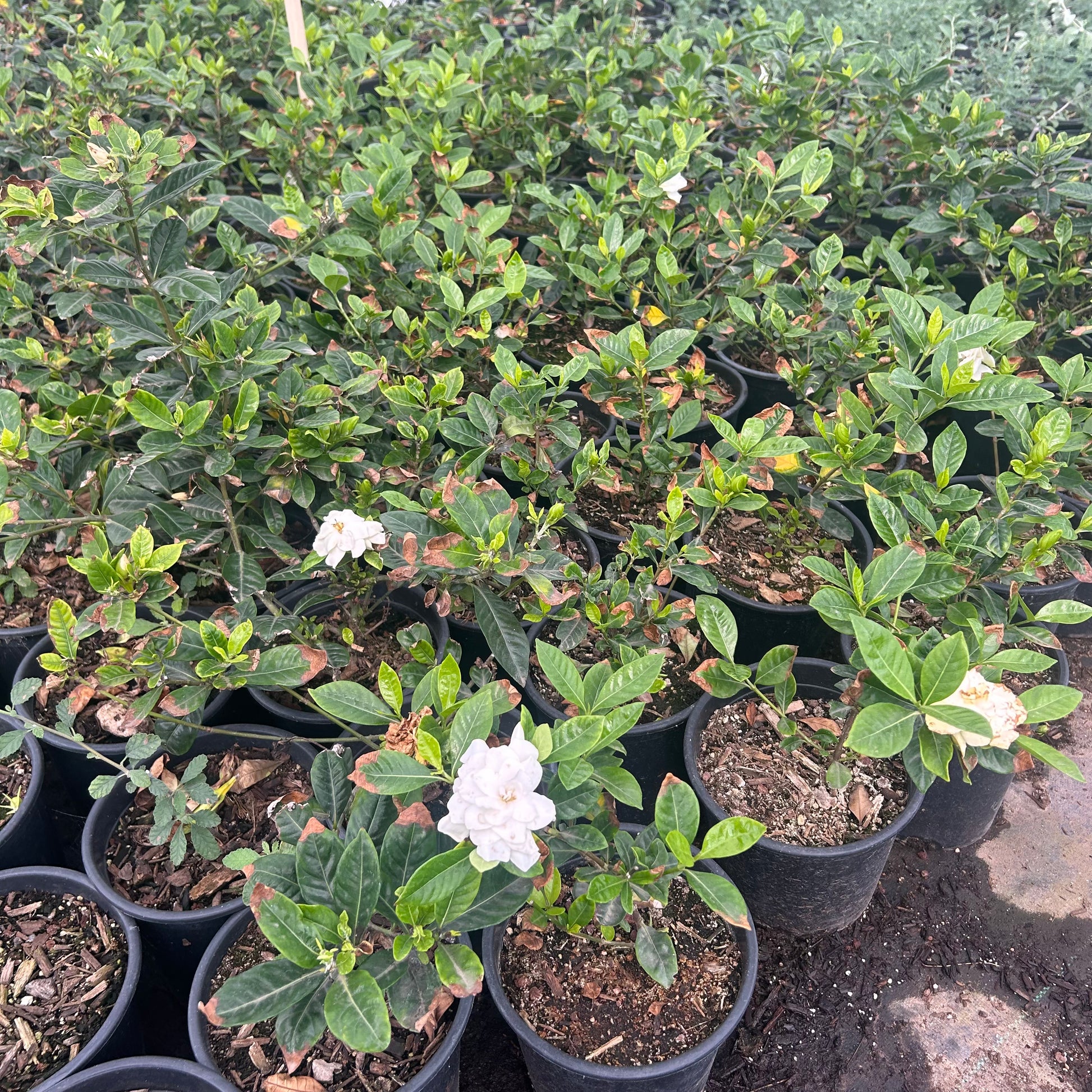
can you plant a gardenia bush in a pot Buy Gardenia Phoenix, AZ | Gardenia jasminoidesPhoenix's Most Elegant Fragrant Shade Shrub Gardenia Gardenia (Gardenia jasminoides) is one of the most beloved fragrant flowering shrubs for Phoenix and Scottsdale courtyard gardens, shaded patios, and entryways. With its intensely sweet white blooms and deep glossy green foliage, it delivers year round elegance in a compact, manageable size that works throughout Chandler, Gilbert, and Mesa. Gardenia thrives in partial shade making it one of the rare
Phoenix's Most Elegant Fragrant Shade Shrub — Gardenia
Gardenia (Gardenia jasminoides) is one of the most beloved fragrant flowering shrubs for Phoenix and Scottsdale courtyard gardens, shaded patios, and entryways. With its intensely sweet white blooms and deep glossy green foliage, it delivers year-round elegance in a compact, manageable size that works throughout Chandler, Gilbert, and Mesa. Gardenia thrives in partial shade — making it one of the rare flowering shrubs that excels in covered patios, north-facing walls, and under the canopy of existing trees. Whether you're creating a fragrant border along a walkway in Tempe, a courtyard centerpiece in Scottsdale, or a lush poolside accent in Peoria, Gardenia brings refined beauty and unforgettable fragrance to any Phoenix landscape.
Gardenia Plant Details
| Attribute | Detail |
|---|---|
| Scientific Name | Gardenia jasminoides |
| Common Names | Gardenia, Cape Jasmine, Common Gardenia |
| Mature Height | 3–6 feet |
| Mature Width | 3–6 feet |
| Growth Rate | Moderate — 1 foot per year in Phoenix |
| Sun | Partial shade to full sun. Prefers morning sun with afternoon shade in Phoenix heat. |
| Water | Moderate. Needs consistent moisture — do not let soil dry out completely. |
| USDA Zones | 8–11 (Phoenix is Zone 9b–10a) |
| Soil | Well-draining, slightly acidic. Amend Arizona caliche soils with compost and sulfur. |
| Foliage | Evergreen — stays lush and deep green year-round |
| Bloom Color | Creamy white, intensely fragrant |
| Bloom Season | Spring to early summer (March–June in Phoenix) |
| Pet Friendly | No — mildly toxic to cats and dogs if ingested |
Gardenia Uses in Phoenix Landscapes
Fragrant Courtyard and Patio Accent
Gardenia is the quintessential fragrant patio plant for Phoenix homes. Positioned near a covered seating area, doorway, or window in Scottsdale or Tempe, the intoxicating spring blooms fill outdoor spaces with a classic perfume that's unmatched in the landscape. Use it as a container plant on shaded patios, or mass-plant 3 shrubs together for a fragrant focal point in a courtyard garden. The glossy foliage looks stunning year-round even between bloom cycles.
Shaded Border and Foundation Planting
Unlike most Phoenix flowering shrubs that demand full sun, Gardenia is one of the few that actively prefers dappled shade — making it ideal for north-facing foundation plantings, covered walkways, and the shaded margins of larger trees throughout Mesa and Gilbert. Plant 3–4 feet apart along a shaded border for a lush, continuous fragrant hedge. A 20-foot shaded bed takes 6–7 plants; a 40-foot bed needs 12–14 plants.
Poolside and Entryway Specimen
Gardenia's compact form, non-invasive roots, and refined appearance make it a natural choice for poolside accent plantings and formal entryways in Chandler and Peoria. The white blooms contrast beautifully against dark gravel or modern concrete surfaces — and the fragrance greeting guests at an entryway creates a memorable first impression. Plant in groups of three for maximum visual and aromatic impact.
Best Time to Plant Gardenia in Phoenix
Fall planting (October–November) is ideal for Gardenia in Phoenix. Cooler temperatures reduce transplant stress while soil remains warm enough to encourage root establishment before the first summer heat. Spring (February–March) is the second-best planting window — avoid planting in late spring or summer when temperatures above 105°F can shock a new transplant. Gardenias are more sensitive to heat stress than most desert-adapted plants, so timing matters more here than with typical Phoenix shrubs.
How to Plant Gardenia
- Choose a sheltered spot — morning sun and afternoon shade is the ideal microclimate. East-facing walls or under light canopy are perfect.
- Dig wide, not deep — excavate 2–3x the width of the root ball at the same depth as the container.
- Amend the soil — mix in 30–40% compost and a small amount of sulfur to lower pH in Arizona's alkaline soils. Break through any caliche layer for drainage.
- Spacing — plant 3 feet apart for hedges; 4 feet for individual specimens.
- Water basin — build a 3–4 inch berm around the plant to direct irrigation to the root zone.
- Mulch deeply — 3–4 inches of organic mulch (bark chips) helps retain moisture and keep roots cool in Phoenix summers.
Watering Gardenia in Phoenix
First Year Watering Schedule
Weeks 1–2: Water every 1–2 days deeply (20–30 minutes slow soak). Month 1–2: Every 2–3 days — Gardenia needs more consistent moisture than most desert plants. Month 3–6: Every 4–5 days in mild weather; every 3 days during peak summer heat. After Year 1: Water every 5–7 days in summer; every 10–14 days in winter. Never let the soil completely dry out — Gardenia is more moisture-sensitive than typical Phoenix desert shrubs.
Drip Irrigation
Use 1–2 GPH emitters positioned 12–18 inches from the base of the plant. Run drip on a consistent schedule rather than letting the plant dry and rewater — inconsistent moisture causes bud drop. A quality drip timer set to run every 2–3 days in summer is the most effective approach for keeping Gardenias thriving in the Phoenix Valley.
Will Gardenia survive Phoenix heat? Yes, with the right placement. Gardenia performs best when protected from intense afternoon sun above 105°F. East-facing walls, covered patios, and north-facing beds all work well. In full reflected sun, it will struggle in Phoenix summers without excellent irrigation management.
Why are my Gardenia leaves turning yellow? Yellow leaves in Phoenix Gardenias are usually caused by iron chlorosis — a condition where Arizona's alkaline soil prevents iron uptake. Treat with chelated iron and soil sulfur to lower pH. Consistent moisture and organic mulch also help prevent yellowing.
Is Gardenia drought tolerant? No — Gardenia is one of the more moisture-demanding flowering shrubs available in Phoenix. It needs consistent watering year-round and will not perform well with the same drought tolerance expected of native or desert-adapted plants.
How do I get my Gardenia to bloom more? Avoid heavy nitrogen fertilizer (it promotes leaf growth over blooms). Use an acidic fertilizer formulated for gardenias or azaleas in spring and early summer. Ensure consistent moisture and morning sun — these are the biggest drivers of heavy blooming in Phoenix.
Is Gardenia pet friendly? Gardenia is mildly toxic to cats and dogs if ingested. While it's not typically life-threatening, it can cause vomiting and diarrhea. Plant in areas where pets don't typically graze if you have curious animals.
You May Also Like
Star Jasmine Bush — another intensely fragrant evergreen shrub with white spring blooms, more drought-tolerant than Gardenia and excellent for partial shade borders.
Arabian Jasmine — a compact fragrant flowering shrub with white blooms perfect for Phoenix patio containers and courtyard plantings.
Pink Trumpet Bush — a fast-growing shade-tolerant flowering shrub with bold pink blooms, ideal for Phoenix courtyard gardens.
Bower Vine — a fragrant climbing vine with pink trumpet blooms, great for covering trellises and walls near shaded Phoenix patios.
Firecracker Bush — a vibrant flowering shrub with bright red-orange blooms that pairs beautifully with Gardenia's white flowers in Phoenix mixed borders.
How Many Gardenia Do I Need?
Gardenia matures to 3 to 6 feet wide. For a continuous fragrant hedge along a shaded border, space plants about 3 feet on center. Use this guide for a single row:
| Run Length | Plants Needed (3 ft spacing) |
|---|---|
| 10 ft | 4 plants |
| 20 ft | 7 plants |
| 30 ft | 10 plants |
| 40 ft | 14 plants |
For a courtyard or entryway accent, plant in odd-numbered groups of 3 spaced 4 feet apart so the fragrance concentrates near seating and doorways.
Gardenia Season-by-Season in Phoenix
- Spring (Feb to Apr): Main bloom season opens with intensely fragrant white flowers. Strong second planting window in February and March before the heat arrives.
- Summer (May to Sep): Bloom winds down into early summer, then the glossy evergreen foliage carries the plant. It is not reflected-heat tolerant: site it in morning sun with afternoon shade and keep moisture steady, since heat and dry soil cause bud and leaf drop. Monsoon humidity is welcome.
- Fall (Oct to Nov): Best planting season in the Valley. Cooler air eases transplant stress while warm soil builds roots.
- Winter (Dec to Jan): Holds its deep green evergreen foliage. Cold-hardy to about 15°F, it handles normal Valley frost without protection.
At a Glance
✔ Evergreen ✔ Pool-Friendly (Low-Litter) ✔ Cold-Hardy to 15°F
Plant It With
- Arabian Jasmine: a second fragrant white-flowering shrub that extends the perfume in courtyards and containers.
- Bower Vine: a fragrant pink-trumpet climber for the trellis or wall behind a shaded Gardenia bed.
- Firecracker Bush: bright red-orange blooms that pop against Gardenia's white flowers in a part-shade border.
- Mock Orange: another glossy, shade-tolerant evergreen that pairs cleanly in a fragrant foundation planting.
Is Gardenia Right for Your Yard?
Gardenia is the right pick for a sheltered, part-shade spot with morning sun, consistent moisture, and amended, slightly acidic soil, such as a courtyard, covered patio, or north-facing entry. It is not a fit for a hot, full-sun reflected-heat wall or a low-water xeriscape, since it is moisture-demanding and prone to iron chlorosis in untreated alkaline desert soil.
Shipping Notes
- Free Standard Shipping on $100+ Orders to the USA.
- Except Preorder products are shipped in 48 hours.
- Delivery to the USA:
- Standard Shipping : 3-10 business days
- If time is of the essence, please consider selecting expedited delivery for faster service.
Exchange/Return Notes
- We offer a 30-day return/exchange service after receiving.
- Final sale items are not eligible for returns or exchanges.
- To process your return/exchange, please contact us at [email protected]
- Please click here for more details>>> Return & Exchange Policy