Pay in installments of $6.73 with
 ,
 and

Shipping Estimate
USA
- USA
- CAN
- USA
- CAN
Ships within 48 hours · Estimated delivery Oct 21 - Oct 26
 Promo Codes Available:
For Your Every Summer RSVP, with Code: SUMMER15
Description
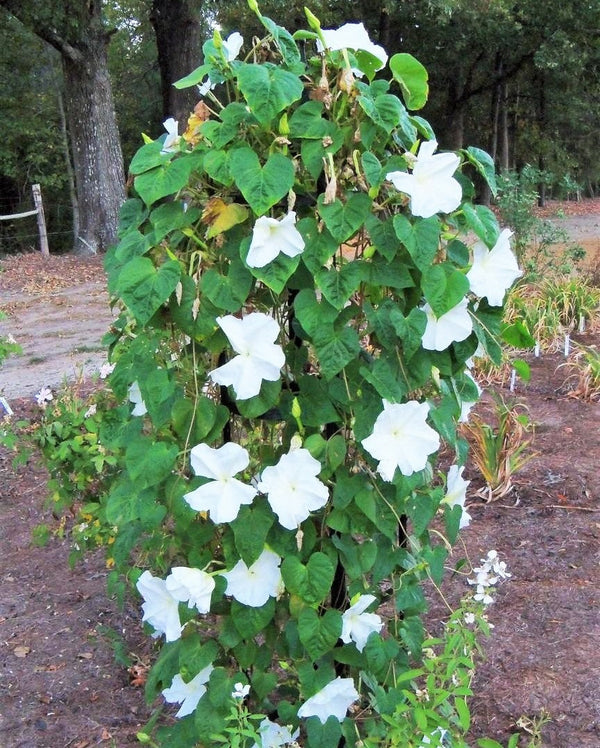
moonflower seed planting Moon Flower Seeds - For 2026 Planting Ipomoea Alba Moon Flower LargeMoonflower is a stunning, night blooming vine with large, fragrant white flowers that blooms as dusk falls. The full moon sized blooms can reach up to 6 inches across, and their soft, luminous appearance against the darkening sky is truly a sight to behold. This tropical white morning glory is native to tropical and subtropical regions of North and South America, where their perfume like fragrance attracts pollinators and enriches the ecosystem.
Moonflower is a stunning, night-blooming vine with large, fragrant white flowers that blooms as dusk falls. The full-moon-sized blooms can reach up to 6 inches across, and their soft, luminous appearance against the darkening sky is truly a sight to behold. This tropical white morning glory is native to tropical and subtropical regions of North and South America, where their perfume-like fragrance attracts pollinators and enriches the ecosystem. Moonflowers are fast-growing climbers, making them perfect for trellises, fences, or arbors, where they can quickly cover and transform any vertical space into a gorgeous, fragrant display. Their beauty extends beyond the blooms, with lush, heart-shaped leaves that provide a lush green backdrop, making Moonflowers not just a flower, but a stunning focal point in your garden. The low-maintenance nature of Moonflowers, coupled with their ability to thrive in full sun and poor soil conditions, makes them an easy and rewarding addition to any garden.Also Known As: Ipomoea Alba, Giant White Moonflower, Tropical White Moonflower, Evening Glory, Queen of the Night, Moon Vine, White Morning Glory, Moonflower Vine, Bridal Veil, Devil's Trumpet.
| Plant Name: | Moonflower |
| Latin Name: | Ipomoea alba |
| Days to Germinate: | 7-14 |
| Days to Bloom: | 84 |
| Plant Height: | 10 - 15 Feet |
| Spread: | 4 - 6 Feet |
| Bloom Diameter: | 4 - 6 Inches |
| Growth Habit: | Vining |
| USDA Zones: | 2-12 |
| Lifespan: | Annual, Perennial 10-12 |
| Brand: | TomorrowSeeds |
| Sunlight: | Full Sun, Partial Shade |
| Pollination: | Heirloom, Open-Pollinated |
| GMO: | No |
| Fungicide-Treated Seeds*: | No |
| Seeds Packed For**: | 2026 |
**Seeds are freshly packed for the growing season of the year listed. Seeds are still viable beyond pack date. Store in a cool and dry location such as the refrigerator or basement to best preserve germination rates.
Planting Instructions:
Soil Preparation:
Choose an area with heavy, well-draining soil that receives at least 6 hours of sunlight each day. Remove weeds, large rocks, and litter from the planting area. Leave small weeds and dead grass, they will enrich the soil when turned under. Spade or till the soil 6-8 inches deep. Loosening the soil will help the plant establish strong roots. If the soil is heavy or clay-like, mix in some sand or compost to improve drainage. Optionally, form hills or ridges of soil beds 4-6 inches high and at least 6 inches apart at the base of a trellis. This formation of hills or ridges will help with drainage, ensure good airflow, and make harvesting for cut flowers easier. To prepare a trellis, choose a sturdy structure such as an arbor, fence, or pergola. If using a wall or post, attach garden netting or string for the vines to climb. Lay down 1/2"-3/4" peat moss, sawdust, or potting soil, the soil surface. This layer is beneficial for flower seeds because it can the improve the germination environment and prevent soil crusting.
Planting:
To improve germination, scarify seeds by vigorously shake the seeds with course sand in a bag, or nick the hard seed coat with a file before planting.Starting Indoors: For earlier blooms, you may optionally start planting indoors in containers 4-6 weeks before the last expected frost date in Spring, keeping seedlings at least 60F. Harden off then transplant seedlings outdoors in a sunny location when temperatures are consistently above 60F. To transplant seedlings, prepare a transplant hole outdoors in a sunny location. Remove the plants carefully from the pots or flats and set them in the transplant holes, burying some of the stem in the ground. Pack the soil loosely around the plant and leave a slightly sunken area around each plant to hold water. Water the plants after transplanting.
Directly Sowing: If directly sowing outdoors, plant after all danger of frost has passed in spring and soil temperatures reach at least 60F. Moonflower can be planted in the fall in warmer climates or indoors with supplemental grow lights.
To plant, make holes 1/4 inch deep and spaced 6-12 inches apart at the base of the prepared trellis. Plant 2-3 seeds per hole, then cover thinly with soil. In small plots, flower seeds may be scattered and gently watered in. Once seedlings emerge, plants can separated and spaced 6-12 inches apart at the base of the prepared trellis to allow room for mature plants to spread and prevent overcrowding. Water after planting.
| Planting Depth: | 1/4 inch |
| Within-Row Spacing: | 6-12 inches |
| Between-Row Spacing: | 6-12 inches |
Care During the Season:
Moonflower require minimal care throughout the growing season. Water regularly, especially during dry periods, ensuring the soil remains moist but not waterlogged. Once established, they are fairly drought-tolerant. Provide a sturdy trellis or support for their vigorous climbing habit, as they can quickly overtake other plants or structures. As the vines grow, gently guide them toward the trellis by wrapping young tendrils around the structure. Moonflower will naturally twine and will climb on their own, but occasional training may be needed. If necessary, use soft plant ties or twine to help secure the stems. Regularly check the vines to ensure they are growing in the desired direction and trim any excessive growth to keep them manageable. Fertilizing is generally unnecessary, but a light application of a balanced fertilizer can promote healthy growth if the soil is poor. Remove spent blooms to encourage continuous flowering, though Moonflower readily self-seed.
Shipping Notes
- Free Standard Shipping on $100+ Orders to the USA.
- Except Preorder products are shipped in 48 hours.
- Delivery to the USA:
- Standard Shipping : 3-10 business days
- If time is of the essence, please consider selecting expedited delivery for faster service.
Exchange/Return Notes
- We offer a 30-day return/exchange service after receiving.
- Final sale items are not eligible for returns or exchanges.
- To process your return/exchange, please contact us at [email protected]
- Please click here for more details>>> Return & Exchange Policy