Pay in installments of $7.49 with
 ,
,
 and
and

Shipping Estimate
USA
- USA
- CAN
- USA
- CAN
Ships within 48 hours · Estimated delivery Sep 10 - Sep 15
 Promo Codes Available:
For Your Every Summer RSVP, with Code: SUMMER15
Description
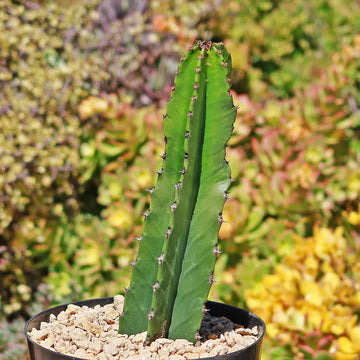
succulents that grow like trees Candelabra Tree 'Euphorbia ingens'Introducing the Euphorbia ingens, a vibrant member of the Euphorbia genus. Native to Southern Africa, the Euphorbia ingens has several other common names, such as the Candelabra tree, Candelabra cactus, cowboy cactus, and African candelabra tree. The candelabra tree gets its name from its distinctive growth habit, which resembles a candelabra or branching tree. The Euphorbia candelabra is an impressive succulent tree that can reach heights of 40 feet
Introducing the Euphorbia ingens, a vibrant member of the Euphorbia genus. Native to Southern Africa, the Euphorbia ingens has several other common names, such as the Candelabra tree, Candelabra cactus, cowboy cactus, and African candelabra tree.
The candelabra tree gets its name from its distinctive growth habit, which resembles a candelabra or branching tree.
The Euphorbia candelabra is an impressive succulent tree that can reach heights of 40 feet in its natural habitat.
When grown indoors, this tree succulent typically can grow up to 8 to 10 feet tall. However, regardless of its size, it is a relatively easy plant to care for.
The Euphorbia ingens is a succulent tree that has thick, 4-lobed stems that are segmented and have a columnar growth structure as they mature, giving them a cactus-like appearance.
The stems are typically dark green but can develop a grayish hue as they mature.
Unlike traditional cacti, this Euphorbia ingens doesn't have true spines. Instead, it has clusters of small, thorn-like structures called spines that grow along the ridges of its stems. These spines are actually modified leaves and serve as a defense mechanism against herbivores.
The flowers of Euphorbia ingens are small and yellow-green in color, arranged in clusters at the tips of the branches. In the fall and winter, these greenish-yellow flowers have a distinctive shape, with a cup-like structure called a cyathium that contains both male and female flowers. The cyathia are surrounded by colorful bracts that can vary in color from yellow to orange. They also produced dark red to purple fruits, that are not edible. When in bloom, the candelabra tree becomes a stunning sight, with its tall, branching structure adorned with these beautiful flowers.
When and How to Water Your Candelabra Cactus
When it comes to watering the Euphorbia ingens, it's important to strike a balance. This Candelabra cactus has adapted to survive in arid conditions, so it doesn't require frequent watering like most Euphorbias. Improper watering or overwatering can actually harm the candelabra tree, leading to root rot and other issues.
To meet the watering needs of the Euphorbia ingens, it's best to follow the "soak and dry" method. This means thoroughly watering the Euphorbia plant and allowing the soil to dry out completely before watering again.
In the spring and summer, during the growing season, you can water your Candelabra tree succulent once every two to three weeks.
In the fall and winter, during the dormant season, you can reduce watering to once a month or even less, as your Euphorbia ingens require less moisture during this time.
If it doesn't receive enough water for an extended period of time, then discoloration, pale stems, and browning can occur, leading to stunted growth. In contrast, overwatering can cause root rot and fungal infection.
When watering, make sure to water the soil directly and avoid getting water on the stems or leaves, as this can lead to rot. To avoid overwatering, always check the soil moisture level before watering. Remember, it's always better to be underwater than to overwater the drought-tolerant Euphorbia ingens for healthy growth.
Light Requirements - Where to Place Your Euphorbia ingens
When growing Euphorbia ingens indoors, it thrives in bright, indirect light, so placing it near a window where it can receive plenty of filtered sunlight is ideal.
Avoid exposing it to direct sunlight, especially during the hottest parts of the day, as this can cause sunburn and damage the Candelabra tree.
For outdoor cultivation, the Candelabra cactus thrives in full sun to partial shade.
This Euphorbia Candelabra plant loves basking in the sun and needs at least 6-8 hours of direct sunlight each day to thrive. However, if you live in an extremely hot climate, providing some afternoon shade can help protect the Euphorbia plant from intense heat.
Just make sure your Candelabra tree still receives ample sunlight throughout the day. It's worth noting that the Euphorbia candelabra can tolerate a wide range of light conditions, but it tends to grow best in bright, indirect light or full sun.
Optimal Soil & Fertilizer Needs
The Euphorbia candelabra tree plant likes very airy, porous soil with a soil pH of 5.5 - 6.5. These Euphorbia ingens require fast-draining soil that dries completely between waterings as they cannot tolerate wet soil. It must have a sandy texture and a low water-holding capacity, just like desert soil. Instead, make or buy a well-draining potting mix, or ideally, use our specialized succulent potting mix that contains 5 natural substrates and mycorrhizae to promote the development of a strong root system that helps your Euphorbia ingens to thrive.
As for fertilizing, the Euphorbia ingens don't require frequent feeding like other succulent plants. In fact, it's best to err on the side of caution and provide minimal fertilization. During the active growing season, which is typically spring, you can use a balanced (5-10-5), water-soluble fertilizer diluted to half strength. Apply the fertilizer once a year to provide a gentle boost of nutrients.
Remember, it's always better to under-fertilize than to over-fertilize the Euphorbia ingens. Too much fertilizer can lead to excessive growth, weak stems, and other issues. Observing your candelabra tree and adjusting your fertilizing schedule based on its growth and overall health is key to keeping it happy and thriving.
Hardiness Zones & More
Native to the warm, dry climates, the Euphorbia ingens thrives indoors between 60°F and 85°F temperatures. It can handle slightly cooler temperatures during the winter months, but it's best to keep it away from drafts or cold windowsills. The Euphorbia ingens is quite adaptable and can tolerate average indoor humidity levels. It doesn't require any specific humidity requirements and can thrive in a variety of indoor environments. However, it's important to avoid excessively dry conditions or extremely high humidity, as these extremes can negatively impact the plant’s health.
For outdoor cultivation, the Euphorbia ingens is typically suitable for USDA zones 10-11 year-round, only in specific regions like southern Florida and Hawaii, where the warm, tropical climate matches its needs.
It thrives in warm climates and can handle temperatures as low as 30 degrees Fahrenheit for short periods. However, it's important to protect your Euphorbia succulent tree from frost and freezing temperatures, as prolonged exposure can cause damage or even kill the cactus.
The Euphorbia ingens can handle a range of humidity levels outdoors. It is relatively tolerant of both dry and humid conditions. However, if you live in an area with high humidity, it's important to ensure good air circulation around your candelabra tree to prevent the development of fungal diseases.
Wildlife - Euphorbia ingens Attracts the Following Friendly Pollinators
The Euphorbia ingens with its small, yellow-green flowers attracts a variety of pollinators. These flowers emit a mild fragrance and produce nectar, drawing in insects such as bees, wasps, and butterflies. Although its flowers are not particularly eye-catching, they still play a role in supporting local pollinator populations and enhancing biodiversity.
Toxicity: Euphorbia ingens is considered mildly toxic for both humans and pets. It contains milky latex or sap that can cause skin irritation and allergic reactions in some people. If you come into contact with the sap, wash the affected area with soap and water. Keep the Euphorbia candelabra tree out of reach of children and pets to prevent any accidental ingestion.
How to Propagate Euphorbia ingens
The Euphorbia ingens can be propagated by cuttings or seeds. To propagate Euphorbia ingens by stem cuttings, select a healthy, mature stem at least 6 inches long and cut it just below a node. Over time, the cutting will develop roots and grow, but be patient, as it may take weeks or months for roots to form. Wear gloves and exercise caution when handling or propagating the Euphorbia plant.
Key Takeaways
- Euphorbia ingens thrives in dry conditions, requiring very little water to survive, making it ideal for xeriscaping and low-maintenance gardens.
- Known as the "Candelabra Tree" for its tall, columnar form with branching arms, it can grow up to 40 feet outdoors, providing a striking architectural feature in the landscape.
- This succulent is well-suited to hot climates and can tolerate high temperatures, performing well in desert environments where other plants may struggle.
- The plant's thick, water-retaining stems can make it more resistant to catching fire, adding an extra layer of safety in regions prone to wildfires.
The Bottom Line
Overall, the Euphorbia ingens (Candelabra tree) is a fascinating succulent tree that can add a unique touch to your indoor or outdoor space. It's relatively easy to care for as long as you provide it with the right conditions. Keep in mind that it prefers bright, indirect light and well-draining soil. Avoid overwatering and protect it from frost or freezing temperatures outside of the USDA zones 10-11. This euphorbia succulent tree is perfect for anyone seeking a low-maintenance addition to their succulent or rock garden.
With the help of Euphorbia ingens tall succulent tree, you'll start to spend less time maintaining your garden and more time taking in its beauty!
Shipping Notes
- Free Standard Shipping on $100+ Orders to the USA.
- Except Preorder products are shipped in 48 hours.
- Delivery to the USA:
- Standard Shipping : 3-10 business days
- If time is of the essence, please consider selecting expedited delivery for faster service.
Exchange/Return Notes
- We offer a 30-day return/exchange service after receiving.
- Final sale items are not eligible for returns or exchanges.
- To process your return/exchange, please contact us at [email protected]
- Please click here for more details>>> Return & Exchange Policy