Pay in installments of $5.52 with
 ,
,
 and
and

Shipping Estimate
USA
- USA
- CAN
- USA
- CAN
Ships within 48 hours · Estimated delivery Sep 4 - Sep 9
 Promo Codes Available:
For Your Every Summer RSVP, with Code: SUMMER15
Description
beavertail cactus vs prickly pear cactus Buy 'Beavertail Cactus - Opuntia basilaris' Care and Growers GuideIntroducing the beavertail cactus, known as Opuntia basilaris, a vibrant member of the genus Opuntia Prickly pear cactus. Native to the southwestern United States and northern Mexico and Colorado Deserts, the Beavertail Cactus gets its name from its unique flattened pads that resemble the shape of a beaver's tail. The beavertail cactus is sometimes referred to as the "beavertail prickly pear" because they belong to the same prickly pear family
Introducing the beavertail cactus, known as Opuntia basilaris, a vibrant member of the genus Opuntia Prickly pear cactus.
Native to the southwestern United States and northern Mexico and Colorado Deserts, the Beavertail Cactus gets its name from its unique flattened pads that resemble the shape of a beaver's tail. The beavertail cactus is sometimes referred to as the "beavertail prickly pear" because they belong to the same prickly pear family (Opuntia species).
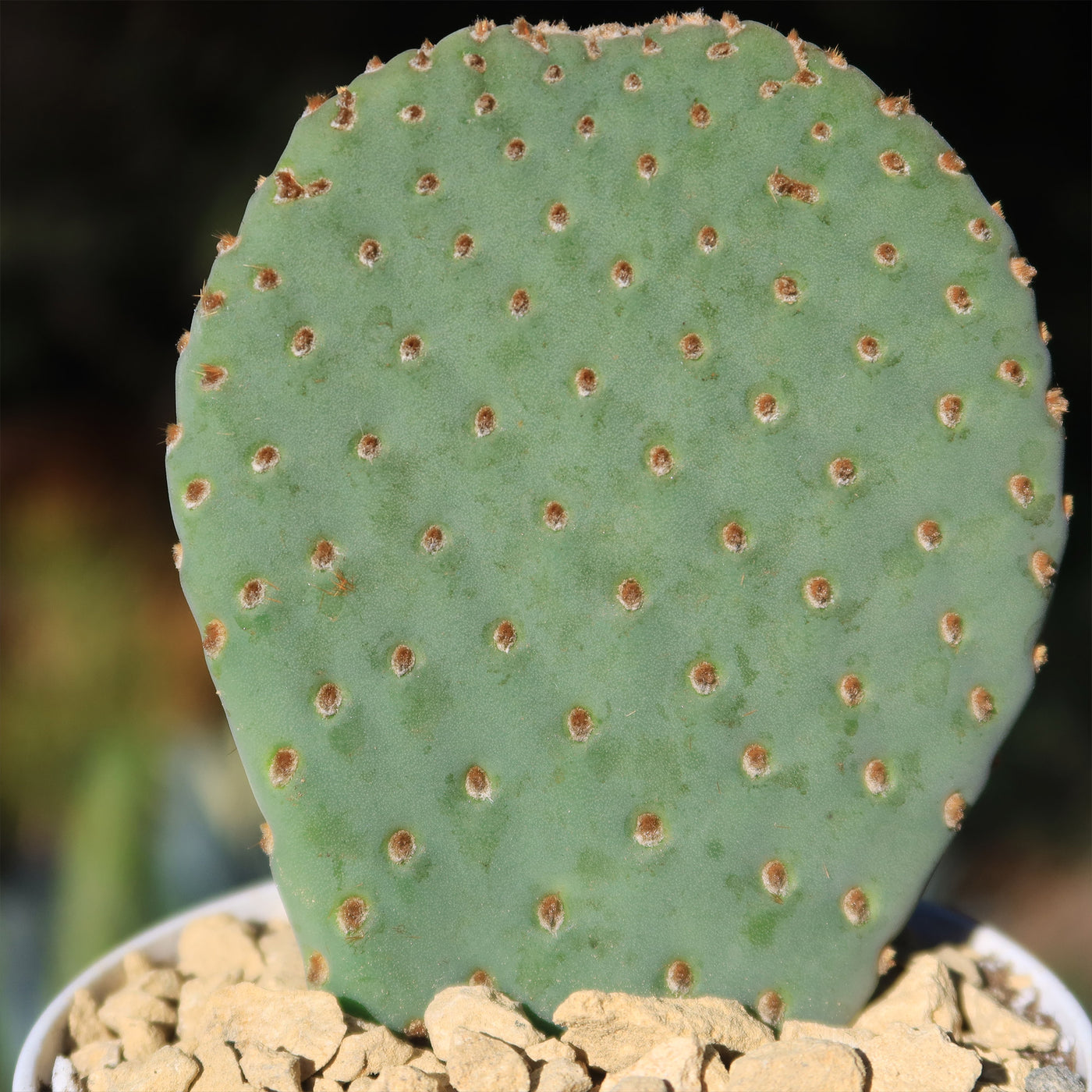
The Opuntia basilaris is a sight to behold with its vibrant colors and interesting texture. A single plant may consist of hundreds of fleshy, flattened pads. Unlike other prickly pears, its pads are typically blue-gray in color and covered in small, barbed bristles that give it a velvety appearance.
The beavertail cactus Opuntia basilaris, can grow up to 2 feet tall and 4 feet wide. This cactus beavertail prickly pear is a relatively compact cactus, perfect for adding a touch of desert beauty to your indoor or outdoor space.
The flowers of the beavertail cactus add a burst of vibrant color to the desert landscape from spring to early summer. These flowers are typically pink to magenta in color and are absolutely stunning. They emerge from the edges of the cactus pads, creating a beautiful contrast against the greenish-blue backdrop. The cactus with purple flowers is not only visually appealing, but it also attracts pollinators like bees and butterflies, adding even more life to your garden.
You can propagate the beavertail cactus through stem cuttings or seeds. You can collect the large seeds from the mature fruit of the cactus and plant them in a suitable growing medium. With a little patience and care, you can grow new beavertail cacti and expand your desert plant collection.
Additionally, the beavertail cactus Opuntia basilaris, is friendly to both humans and pets. This makes it a great choice for gardens or indoor spaces where children and pets may be present.
Watering Needs
The beavertail cactus has low watering needs, making it a great choice for those who prefer low-maintenance, drought-tolerant plants. It's adapted to survive in arid desert conditions, which means it can handle drought-like conditions like a champ. It has the ability to store water in its pads, allowing it to tolerate long periods of dryness.
In the spring and summer, during the growing season, you can water your beavertail cactus Opuntia basilaris, once every two to three weeks. However, it's crucial to adjust the watering frequency based on the environmental conditions and the moisture level of the soil.
Pro Tip
Before watering, always check the moisture level of the soil by sticking your finger about an inch deep into the soil. If it feels dry, it's time to water. When watering, make sure to thoroughly saturate the soil, allowing the excess water to drain out completely. Avoid leaving the cactus sitting in standing water, as it can lead to root rot.
In the fall and winter, during the dormant period, the Beavertail cactus requires less water. Reduce the frequency of watering to once every four to six weeks, or even less, depending on the conditions. It's crucial to let the soil dry out completely between waterings to mimic its natural habitat.
Remember, it's easier to revive an underwater cactus than an overwatered one. So, when in doubt, it's better to err on the side of underwatering.
Light Requirement
If growing indoors, find a sunny spot for your beavertail cactus Opuntia basilaris, preferably near a south-facing window. If you don't have a south-facing window, a west- or east-facing window can also work well. If you notice your cactus leaning towards the light, simply rotate it every few weeks to ensure even growth.
When grown outdoors, the beavertail cactus loves lots of bright sunlight! It thrives in full sun to partial shade, so make sure to place it in a sunny spot where it can soak up those rays. A minimum of 6 hours of direct sunlight per day is ideal for this desert beauty. Just be careful not to expose it to intense, scorching sunlight for extended periods, as it can cause sunburn. However, it's important to strike a balance, as too much shade can lead to weak growth and elongated stems.
With the right amount of sunlight, your beavertail cactus will flourish and show off its vibrant colors!
Optimal Soil & Fertilizer Needs
When it comes to the soil for your beavertail cactus plants, it's important to use well-draining soil. Planting them in ordinary soil will result in compacted roots, stunted growth, and, most likely, root rot. Instead, make or buy a well-draining potting mix, or ideally, use our specialized cactus potting mix that contains 5 natural substrates and mycorrhizae to promote the development of a strong root system that helps your beavertail cactus Opuntia basilaris to thrive.
As for fertilizer, you can use a diluted, balanced (5-10-5) NPK fertilizer once a year during the growing season in the spring. Just be careful not to over-fertilize, as cacti generally prefer lean soil. Following these soil and fertilizer guidelines will help your beavertail cactus thrive and stay happy and healthy!
Hardiness Zone & More
When growing your Opuntia basilaris beavertail cactus indoors, the Beaver Tail cactus can adapt well to a variety of room temperatures. It generally prefers temperatures between 65°F and 80°F. It can tolerate slightly cooler temperatures during the winter months, but it's important to keep it away from drafts or cold windowsills. As for humidity, the Beaver Tail cactus is native to arid regions, so it doesn't require high humidity levels. Average indoor humidity is usually sufficient for its needs.
If you are living in USDA zones 7 - 10, you can grow your beavertail cactus outdoors year-round. This means it can tolerate temperatures ranging from 25°F. It's a tough little beavertail prickly pear that can handle the heat!
If you live in a colder region, you can still grow the Beaver Tail cactus outdoors during the warmer months and bring it indoors during winter to protect it from freezing temperatures.
The Bottom Line
Overall, the Beaver Tail cactus (Opuntia basilaris) is a popular prickly pear with its flattened, paddle-like stems resembling a beaver's tail, is a unique and striking plant. It is low-maintenance, requiring well-draining soil, infrequent watering, and plenty of sunlight. It can be grown indoors or outdoors, depending on your climate. Overall, the Beaver Tail cactus is a fascinating and adaptable plant that adds desert charm to any space.
Be sure to add Beavertail cactus - Opuntia basilaris for sale to your collection today and elevate the beauty of your home or garden with this stunning-looking plant.
Frequently Asked Questions
-
Is the Beavertail Cactus the same as the prickly pear?
Yes, the Beaver Tail cactus is a type of prickly pear cactus! The scientific name for the Beaver Tail cactus is Opuntia basilaris, and it belongs to the larger group of cacti known as prickly pears. Both the Beaver Tail cactus and other prickly pear cacti have flat, paddle-like stems and produce beautiful flowers and edible fruits. So, you can think of the Beaver Tail cactus as a unique variation within the prickly pear family. They share some similarities but also have their own distinct characteristics.
-
Are Beavertail Cactus poisonous?
Beavertail cacti are not considered to be poisonous to humans or pets. This remarkable plant is deer-resistant and easy to care for. However, like other cacti, they do have spines that can cause irritation or injury if touched. So, it's always a good idea to handle them with care and keep them out of reach of curious little hands or paws.
-
What are the adaptations of a Beavertail Cactus?
The beavertail cactus has some amazing adaptations! One of its main adaptations is its ability to store water in its thick, fleshy pads. This allows it to survive in arid desert environments with limited rainfall. The spines on the cactus help to reduce water loss by providing shade and reducing airflow around the plant. Additionally, the waxy coating on the pads helps to prevent water evaporation. These adaptations help the beavertail cactus thrive in its harsh desert habitat.
-
How do you take care of beavertail cactus?
To take care of the Beaver Tail cactus, make sure to water it only when the soil is completely dry and give it plenty of bright, indirect sunlight. It prefers well-draining soil, you can use our specialized cactus potting mix for healthy growth. The Beaver Tail cactus thrives in USDA hardiness zones 7-11, so if you're in a colder area, keep it indoors during winter. Aim for temperatures between 60-85°F and avoid extreme temperature changes.
Shipping Notes
- Free Standard Shipping on $100+ Orders to the USA.
- Except Preorder products are shipped in 48 hours.
- Delivery to the USA:
- Standard Shipping : 3-10 business days
- If time is of the essence, please consider selecting expedited delivery for faster service.
Exchange/Return Notes
- We offer a 30-day return/exchange service after receiving.
- Final sale items are not eligible for returns or exchanges.
- To process your return/exchange, please contact us at [email protected]
- Please click here for more details>>> Return & Exchange Policy