Pay in installments of $6.95 with
 ,
,
 and
and

Shipping Estimate
USA
- USA
- CAN
- USA
- CAN
Ships within 48 hours · Estimated delivery Jul 27 - Aug 1
 Promo Codes Available:
For Your Every Summer RSVP, with Code: SUMMER15
Description
garden cress seeds in malayalam Cress Upland (Aliviraai) – Inherited SeedsUpland Cress (Barbarea verna) is a type of heirloom, organically grown, leafy green vegetable that has been prized for its distinctive, spicy flavor and high nutritional value. This cress variety is known as "Upland" to distinguish it from other cress varieties that are grown in marshy or low lying areas. The origin of heirloom organically grown cress upland can be traced back to the European continent, Asia and Ethiopia where it has been a ideal
Upland Cress (Barbarea verna) is a type of heirloom, organically grown, leafy green vegetable that has been prized for its distinctive, spicy flavor and high nutritional value. This cress variety is known as "Upland" to distinguish it from other cress varieties that are grown in marshy or low-lying areas. The origin of heirloom organically grown cress upland can be traced back to the European continent, Asia and Ethiopia where it has been a ideal salad plant since the 16th century.
The term "heirloom" refers to the fact that this cress variety has been passed down through generations of farmers and gardening families. This is in contrast to modern hybrid varieties that are developed for specific traits such as disease resistance or higher yields. The term "organically grown" refers to the fact that this cress is grown without the use of synthetic pesticides or fertilizers, making it a healthier and more sustainable option for both the consumer and the environment.
Upland Cress is known for its dark green leaves that are thick, crisp and have a unique spicy flavor. It is a cool-season crop and can be grown year-round, making it a great option for both indoor and outdoor gardening. The leaves can be eaten raw or cooked in a variety of dishes and it is commonly used as a garnish or in salads.
One of the unique characteristics of heirloom organically grown cress upland is its high nutritional value. Cress contains a high level of Vitamin A, Vitamin C, Vitamin K and Iron, making it a great option for vegetarians and vegans. Additionally, cress is a good source of antioxidants, which can help protect against many diseases.
Overall, heirloom organically grown cress upland is a highly prized variety of cress known for its unique, spicy flavor, and high nutritional value. Its origins in Europe have made it a staple crop for generations and it continues to be a popular choice among gardeners, chefs, and health-conscious consumers today.
Growing
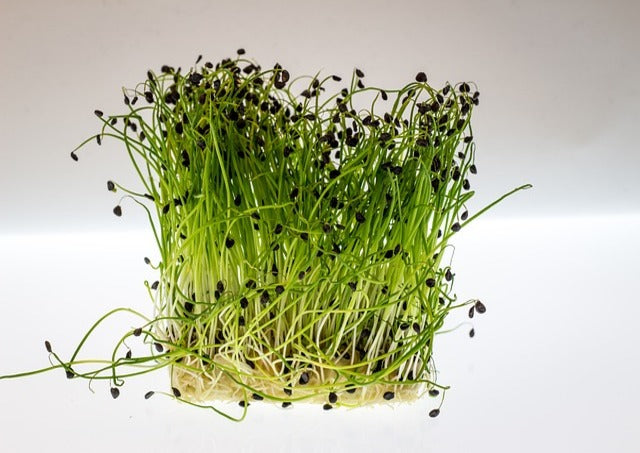
Garden cress is quite simpler to cultivate. In addition, it is also possible to grow garden cress indoors for use during the winter. The sprouts, leaves as well as the young buds are edible. A mature Garden Cress plant produces white flowers and small seed pod, surprisingly all parts of garden cress are edible - leaves, stems, and seeds.
There are several types of cress:
- Garden cress (Lepidium sativum), also called broadleaf cress, has flat, bright green leaves to 4 inches long and 2 inches wide. Garden cress, a biennial, is also called peppergrass, pepper cress, Cress- upland and mustard cress.
- Curly cress (Barbarea vernapraecox), also called cresson, early winter cress, or Upland cress, has finely divided leaves resembling parsley or chervil atop thin, branching stems. Curly cress is dark green and is also called curled cress, curlicress, and fine curled cress, moss curled cress, and extra-curled cress. Curly cress is a biennial that thrives in damp soil.
- Watercress (Rorippa nasturtium-aquaticum) is a trailing annual usually grown in water. Grow watercress indoors in pot set in a tray of water or along the side of a stream or watercourse. Watercress is an annual which grows in soil in gently running water.
Planting
- Cresses grow easily from seed and also can be propagated from stem-pieces or cuttings. Cress will sprout on water-soaked paper towels.
- Cresses are cool-weather annuals. Sow cress in the garden early in spring, as early as 4 or 6 before the last frost, or grow cress indoors year round. Cress will germinate in about 14 days at 45°F.
- Garden cress is quick growing from seed; it will be ready for harvest 15 to 20 days after sowing. Curly cress requires 40 to 50 days to reach maturity but harvest can begin 15 days after sowing. Watercress requires 55 to 70 days to reach maturity but runner tips can be pinched off for use 15 to 20 days after sowing. Sow cress every 10 days for a continuous harvest through midsummer. Cress can become pungent and inedible in hot weather. Plant cress in late summer for an autumn and winter harvest.
- Plant cress in shade or semi shade. Grow garden cress and curly cress in moist but well-drained sandy loam. Grow watercress in a container of compost-rich, sandy soil submerged in running water. Cress prefers a soil pH of 6.0 to 6.8.
- Cress requires even moisture. Do not let roots dry out. Grow watercress in gently running water. Grow cress in soil rich in aged compost.
- Bunching onions, chives, peppermint, spearmint, and wintergreen are few companion plants.
Care
- Keep soil weed free. Avoid growing cress in direct sun. Pinch cress back to promote new foliage.
- Garden cress and curly can be grown in containers, pots and boxes. Sow seeds thickly; cress is not bothered by overcrowding. Garden cress can be grown indoors on a windowsill. Use a container with good bottom drainage. Keep the soil moist.
Harvest
Cut or pinch out cress tips as needed, cut-and-come-again. Begin cutting plants when they reach 3 to 4 inches tall. Plants cut back to about 1/2 inch will regrow quickly. Cress is most tender at the early seed-leaf stage; harvest cress well before it matures. Sprouts can also be used fresh.
Click here to download our free vegetable growing guide
Heirloom cress; Organically grown cress; Upland cress; Leafy green vegetable; Spicy cress flavor; Cool-season crop; Indoor and outdoor gardening; Nutritional value of cress; Antioxidant-rich cress; Cress for salads and garnish; Heirloom vegetable varieties; Cress for cancer prevention; Cress for health; Popular cress variety; Cress gardening; Cress farming; Cress cultivation; Cress recipes; European cress origin; Sustainable cress farming
Shipping Notes
- Free Standard Shipping on $100+ Orders to the USA.
- Except Preorder products are shipped in 48 hours.
- Delivery to the USA:
- Standard Shipping : 3-10 business days
- If time is of the essence, please consider selecting expedited delivery for faster service.
Exchange/Return Notes
- We offer a 30-day return/exchange service after receiving.
- Final sale items are not eligible for returns or exchanges.
- To process your return/exchange, please contact us at [email protected]
- Please click here for more details>>> Return & Exchange Policy