SKU: 461194677
rattlesnake plant indoor care

rattlesnake plant indoor care Rattlesnake Plant ‘Calathea lancifolia’

Sale price$20.88 Regular price$23.20
Save 10%

Pay in installments of $5.80 with ShopPay, AfterPay and Klarna

Shipping Estimate
USA
  • USA
  • CAN

Ships within 48 hours · Estimated delivery Jul 18 - Jul 23

Promo Codes Available:

For Your Every Summer RSVP, with Code: SUMMER15

Description

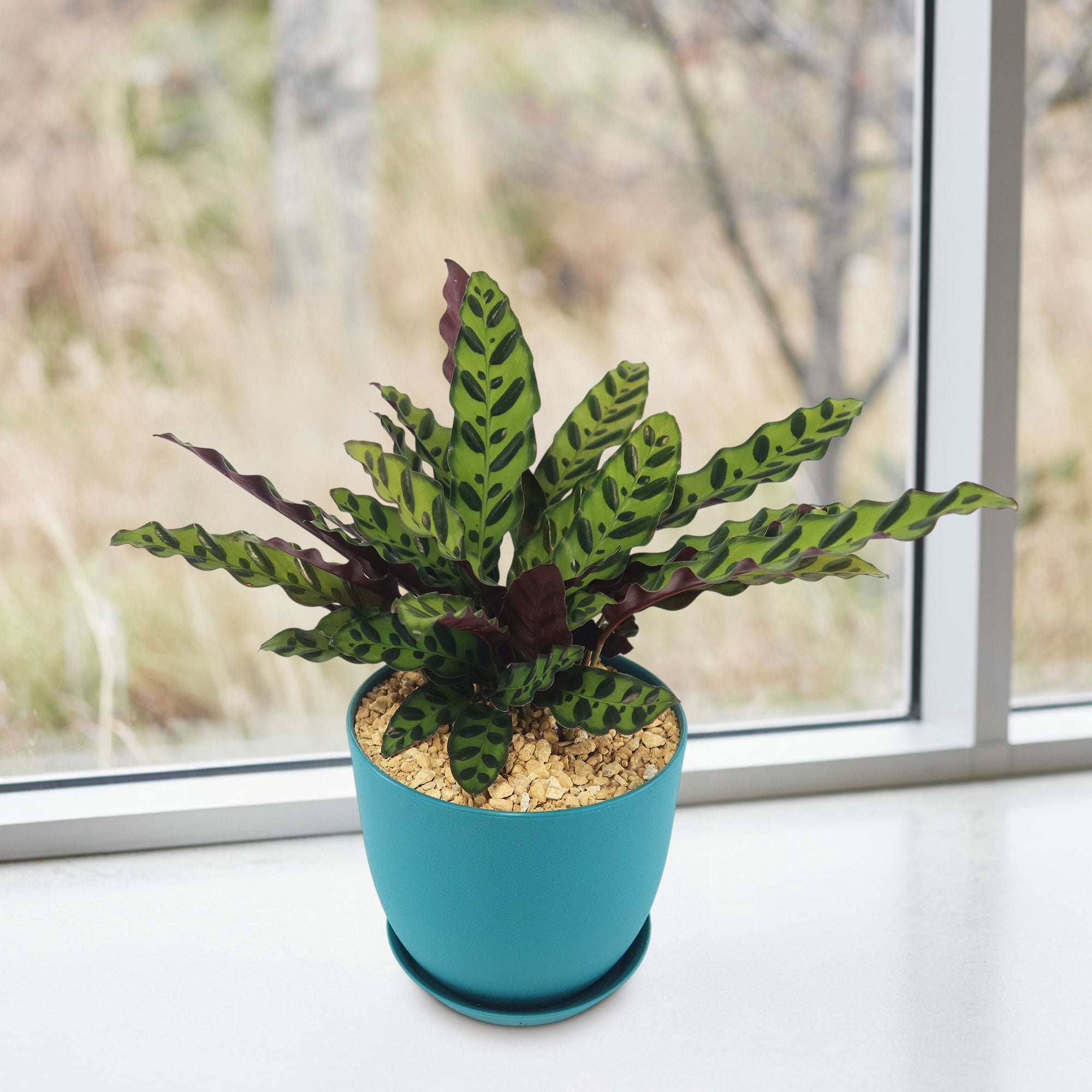
rattlesnake plant indoor care Rattlesnake Plant ‘Calathea lancifolia’The Rattlesnake Plant, known as Goeppertia insignis, is a striking tropical foliage plant known for its wavy edged leaves adorned with vibrant patterns and a dramatic underside of deep purple. It is formerly known as Calathea lancifolia. The Rattlesnake plant gets its name from features long, narrow leaves with alternating dark green blotches that resemble the markings of a rattlesnake. Its unique leaf markings and non demanding care have made it a

The Rattlesnake Plant, known as Goeppertia insignis, is a striking tropical foliage plant known for its wavy-edged leaves adorned with vibrant patterns and a dramatic underside of deep purple. It is formerly known as Calathea lancifolia.  

The Rattlesnake plant gets its name from features long, narrow leaves with alternating dark green blotches that resemble the markings of a rattlesnakeIts unique leaf markings and non-demanding care have made it a favorite among houseplant enthusiasts looking to add bold, decorative greenery to their homes. 

Native to the rainforests of Brazil, this plant thrives in warm, humid environments with filtered light.

In its natural habitat, it grows on the forest floor beneath dense canopies, which is why it prefers low to medium indirect light when grown indoors.  

The rattlesnake plant is type a prayer plant, and its leaves also move, folding upward in the evening and relaxing in the morning, a phenomenon known as nyctinasty, which adds dynamic charm to its daily appearance. 

The mature size of your Rattlesnake plant typically reaches about 30 inches tall and 24 inches wide, making it a medium-sized houseplant that fits comfortably on tabletops, shelves, or as a floor accent in decorative planters.  

The Calathea Rattlesnake plant may occasionally produce small, tubular purple or white flowers in late spring, in its native habitat in Hawaii, Florida, and California. As a houseplant, it is grown exclusively for its long, elegant, ornamental foliage, as it rarely blooms indoors. 

A unique aspect of this plant is its ability to maintain vibrancy even in lower-light indoor environments, unlike many other tropicals. Additionally, it contributes to better indoor air quality, as many members of the Marantaceae family are known for their air-purifying qualities. 

When and How to Water Your Rattlesnake Plant 

The Rattlesnake Plant is mildly drought-tolerant but thrives best with consistently moist soil. This means the top inch of the soil should be allowed to dry out slightly before watering again. Avoid letting the plant sit in water, as it is susceptible to root rot. Water your Rattlesnake Plant deeply every 5–7 days during the growing season and reduce to every 10–14 days in dormancy, keeping the soil evenly moist but never soggy. 

From March through September, during the active growing season, water thoroughly every 5–7 days, using enough water to saturate the soil until it drains from the bottom. Keep humidity levels high, as dry air can lead to brown leaf tips. Mist regularly or use a humidity tray. 

From October through February, in the dormant season, reduce watering to every 10–14 days and only water when the top 1–2 inches of soil are dry. The plant's water uptake slows down, so overwatering should be avoided. Continue maintaining humidity, especially in heated indoor environments. 

Light Requirements – Where to Place Your Rattlesnake Plant 

When grown indoors, this plant thrives in filtered light or partial shade, such as near a north or east-facing window.

If your space lacks natural light, grow lights can supplement it for about 12 hours a day.

Too much direct light can fade its striking leaf pattern.

When grown outdoors, place the plant in a shaded patio, balcony, or garden area with indirect sunlight or dappled shade for 4–6 hours.

Ensure it is protected from direct afternoon sun, which can burn the foliage. Bright but indirect morning light is ideal for the best growth outdoors. 

Optimal Soil & Fertilizer Needs 

The Rattlesnake Plant grows best in a well-draining, rich organic potting mix, and should be fertilized once a year. Avoid heavy clay or compacted soils that restrict airflow to the roots. Instead, make or buy a well-draining potting mix, or ideally use our specialized potting mix, opens in a new tab that contains 5 natural substrates and mycorrhizae to promote the development of a strong root system that helps your plant to thrive. 

Fertilize your Rattlesnake plant once a year during the growing season using a balanced, water-soluble NPK fertilizer of about 5-10-5. Avoid fertilizing in winter when the plant’s growth slows. Over-fertilization can cause leaves to burn or salt buildup in the soil. 

Indoor Growing Calathea lancifolia Requirements 

When growing indoors, the Calathea Rattlesnake Plant thrives in a warm temperature between 65–80°F, high humidity above 50%, and in low to medium indirect light. As a tropical houseplant, it prefers consistent indoor conditions and does not tolerate cold drafts or temperature fluctuations.  

To maintain humidity levels, consider placing the plant on a pebble tray with water, grouping it with other houseplants, misting regularly, or using a humidifier—especially during winter when indoor air becomes dry. With the right indoor setup, the Rattlesnake Plant rewards you with vibrant foliage and a graceful, upright form. 

Hardiness Zones & More 

In the United States, this is mostly a houseplant, but if you live in southern Florida or Hawaii, then you can cultivate it outdoors in USDA Zones 10–12.

It thrives in warm, humid climates where temperatures remain consistently above 60°F and never drop below 55°F at night.

It prefers a shaded or semi-shaded location with dappled or filtered sunlight, similar to the understory conditions of a tropical rainforest.

Too much direct sun can bleach or scorch its leaves, while dry air or fluctuating temperatures can damage its overall health.

In all other regions outside USDA zones 10–12, this plant must be grown indoors or moved inside before temperatures begin to drop in the fall. If you’re growing it outdoors seasonally, monitor the forecast closely and transition it inside before any cold snaps. 

Wildlife – Rattlesnake Plant Flowers Attract the Following Friendly Pollinators 

The Rattlesnake plant flowers are known to attract various species of bees, butterflies, and hummingbirds due to their vibrant colors and sweet nectar. By providing a food source for these pollinators, the rattlesnake plant helps support biodiversity and ecosystem health. 

Butterflies
Bees
Hummingbirds
Lady Bugs
Multi Pollinators
Other Birds

According to the ASPCA, Calathea lancifolia is non-toxic to cats, dogs, and humans, making it a pet-friendly option for homes with furry companions. This makes it a safe choice for indoor decor in family or pet-filled environments. 

How to Propagate Your Calathea lancifolia 

The easiest way to propagate a Rattlesnake Plant is by division during repotting in spring or early summer. Gently remove the plant from its pot and locate natural clumps or offshoots with roots. Separate them using clean, sharp tools, making sure each section has healthy roots and leaves. Replant in fresh potting mix, water lightly, and maintain high humidity until new growth appears. Avoid propagating from leaf cuttings, as Calatheas do not root well this way. 

Key Takeaways

  1. The Rattlesnake Plant is completely non-toxic to cats and dogs, making it an excellent houseplant choice for pet owners concerned about plant safety.
  2. This plant is well-suited for terrariums and humid indoor spaces, as it thrives in high-humidity environments like bathrooms or kitchens.
  3. While it prefers consistently moist soil, the Rattlesnake Plant can tolerate short periods of drought, making it slightly easier to care for than many other tropical houseplants.
  4. The Rattlesnake Plant is a popular ornamental houseplant due to its striking wavy green leaves patterned with deep spots and purple undersides.
  5. Like other members of the prayer plant family, the Rattlesnake Plant moves its leaves in response to light, folding up at night and reopening in the morning.

The Bottom Line 

Overall, the Rattlesnake Plant (Calathea lancifolia) is a stunning tropical houseplant with lance-shaped leaves and dark green patterns that resemble reptile markings. Its non-toxic nature, moderate drought tolerance, and ability to thrive in indirect light make it a favorite among plant lovers. With the right humidity, watering routine, and warm indoor temperatures, it adds a bold, exotic touch to any room or shaded outdoor patio. Whether you're a beginner or a seasoned plant parent, this vibrant, pet-safe foliage plant is a must-have for decorative greenery with low risk and high reward. 

Shipping Notes
  • Free Standard Shipping on $100+ Orders to the USA.
  • Except Preorder products are shipped in 48 hours.
  • Delivery to the USA:
  1. Standard Shipping : 3-10 business days
  • If time is of the essence, please consider selecting expedited delivery for faster service.
Exchange/Return Notes
  • We offer a 30-day return/exchange service after receiving.
  • Final sale items are not eligible for returns or exchanges.
  • To process your return/exchange, please contact us at [email protected]
  • Please click here for more details>>> Return & Exchange Policy
SKU: 461194677

Discover Niche Categories That Outsell rattlesnake plant indoor care

Top-Converting Item to Boost Your Average Order

4.4 ★★★★★
Based on 27 reviews
Sort
Highest Rating
Newest First
Oldest First
Product Reviews
J
Verified Purchase
Jennifer
Fort Morgan, US
★★★★★ 5
Honest Company making things right!
Color: 02 - Antique White, Size: California King, Color: 02 - Antique White, Size: California King
Love how this Californai sheet set feels and they fit very nicely on my bed. They are beautiful although I am unhappy with the 2 small holes I found in the fitted sheet after pulling them out of the packaging. I am past the return as I was not able to use them on my bed because I was moving and my bed was in storage. This is very disappointing for such a beautiful sheet set. UPDATE- I have reached out to the company and they were very kind and helpful. I stated the situation along with pictures and the order # and the company quickly responded with a new fitted sheet. Such a delight to find an honest company wanting to do the right thing. I Will order from this company again.
WAS THIS REVIEW HELPFUL?YesReportShare
Reviewed in the United States on May 7, 2026
M
Verified Purchase
michele schmitz
West Palm Beach, US
★★★★★ 3
Very thin. You get what you pay for.
Color: 01 - White, Size: Queen
You get what you pay for. I first noticed the softness which was great. The quality is very thin. They are cool which is great. I have not washed them yet. I would suggest washing them on cool and gentle by themselves. And because they are so thin I would fluff dry for an hour if you have that setting. The two things that damages clothes and sheets, etc. are if you have an agitator in your washer, those ruin clothes and the heat you choose for the fabric you’re drying I always wash my clothes on cold. I do not have an agitator anymore and on delicate and thin fabrics, I use fluff dry. It is cool, but it will dry, especially if it is thin and I’ve had to dry my fine delicates a little bit longer on fluff that way they don’t shrink because the shrinking comes in from the heat from the dryer so keep that in mind another good thing to remember if you got white sheets like I did is that when you use your detergent add a little bit of borax or laundry booster and they will help get them clean and sparkly white. I am on the fence about whether I would recommend this or not if you’re tight on money and you take good care of them I would recommend that you get them. I’m a linen freak and I buy mostly expensive sheets and I thought I would try this out so that’s where I’m at.
WAS THIS REVIEW HELPFUL?YesReportShare
Reviewed in the United States on May 26, 2026
J
Verified Purchase
Jeff Gomske
Carnegie, US
★★★★★ 5
Astonishing, Fun, Entertaining, Fantastic
Format: Kindle
I consider The Martian my favorite fictional novel of the last 15-20 years. The movie was incredible in that they actually followed the book closer than 99% of other films based on books. It remains my favorite movie of the last 15 years or so as well. I don't know anyone (personally) that loves either of them as much as I do. With that said, I was REALLY looking forward to Artemis. It was good...but, it was certainly not in the same caliber as The Martian was (at least not for me). I enjoyed it a lot, however and appreciated how author Andy Weir chose to go in a completely different direction and not just rehash another similar story, which I am certain would have been great as well. As a result, I was cautious regarding Project Hail Mary. It sounded a little too close to The Martian, but yet, also different in that the circumstances simply could not be more opposite and the stakes so much higher. I'm trying to figure out the best way to summarize without giving too much away from this utterly compelling novel. As I read several reviews, I noticed a recurring theme: SCIENCE. Lots and LOTS of science. Holy cow, they were right. Many years ago I read Apollo 13 and Jim Lovell and his co-writer, try as they might, simply could not dumb down Orbital Mechanics anywhere near enough for me to have even a minor clue as to what they were attempting to say...I just skipped 90% of it and hoped that the sentences written afterwards, would help to make sense of what I had just skimmed over. I'm a lot of things, but a math wizard is definitely not one of them. Michael Crichton (Jurassic Park) had an amazing talent for dumbing-down the science of what he was trying to explain in ways that genuinely made sense (most of the time). Not everyone has this talent, and I would say Andy Weir falls squarely in between. He's certainly better than Jim Lovell, but not quite as good as Crichton. But then again, outside of a science textbook, I haven't really read anything with quite as MUCH science as Project Hail Mary. So maybe he's just as good, but he just puts more science into his books than Crichton, maybe that's it...? Either way, be prepared for a lot of astonishingly interesting science within the pages of this novel...and I DO mean a LOT. I don't say this to make you wary or steer you away...on the contrary, Andy Weir has a special talent for making hard science truly entertaining. The book opens with an absolutely amazing and frightening premise: an astronaut awakes from an induced coma to find the only other two people on board have died at some point along their journey...but it gets worse. He has no idea who he is, or why he's on the ship, and oh yeah, they look to be a long way from home. A really, REALLY long way from home. In fact, the sun he sees isn't actually OUR sun at all. He's managed to leave our solar system entirely. And he has no idea why. ((Minor Spoilers)) The book goes through some clever flash-backs, which set the stage for why the mission happens, and slowly, carefully explains how they managed to get so far away from earth in such a short amount of time. Basically, earth's sun seems to be dying. At the rate of decay, we have maybe 19 years left before the gradual cooling has catastrophic consequences resulting in the death of billions (best guess). Why the sun is dimming is quite the conundrum in the first place. Turns out it really isn't dying, it's being killed by an outside source...which turns out to be easily the greatest find in history. It's alien life, and they are using the sun for food, essentially. It's alien life, but not intelligent life. But still, wow! ALIENS, right??? After this monumental discovery, and some tremendous research done by the most improbable scientist, the investigation into what is happening and why and what to do about it expands exponentially to other nations in order to pool all the resources possible to hopefully save the sun, and by extension, the human race as well. They learn. A LOT. A plan is put together, and with the help of the newly discovered microscopic alien life, which can also double as a power source (along with a few other nifty surprises), they begin to create one last, Hail Mary that could very well be the last chance we might have to save earth. It's audacious. It's dangerous, and it is absolutely critical that it succeed. As our astronaut's memory slowly unravels, so does his identity: Ryland Grace. He's a teacher on earth. Just a science teacher. Not even a college professor. He's amazingly smart, though. But he's no astronaut...and certainly not one who would volunteer to go on a one-way mission to another solar system to "try" and save humanity. Yet here he is. Alone. light years from earth, trying to solve the biggest riddle in all of human history. Ryland accepts his situation, such as it is, with relative indifference (for the most part). It doesn't matter HOW he got here. He's here now and he may as well use that time to be as productive as possible, right? Along the way, he unravels even more information regarding the microscopic alien life which is slowly dimming our sun during some additional flashbacks. The aliens, dubbed, "Astrophage" are quite the galactic plague as it turns out. Stars all over the galaxy are also losing their light, all due to the little buggers. All that is, except one particular star named, Tau Ceti. Now why would that one star be unaffected by Astrophage, when every single star around it has been affected to some degree. The plan is to go there and figure it out and send the information back, hopefully in time to save the sun before the damage to earth is beyond repair. There is an incredible amount of stuff going on. The story switches from Tau Ceti to flashbacks of how the whole mission was planned and implemented (which is VERY entertaining, especially Director Stratt, who may actually be my favorite character in the entire novel). Weir is becoming quite adept at building tension, and abruptly switching the story from Tau Ceti back to earth and building more of the backstory then switching back to Tau Ceti. Keeping it all in check and most importantly, interesting all while mixing in a healthy dose of science, which I am to understand is pretty much all genuine, is quite the juggling act. I have long known science can be astronomically entertaining (see what I did there?) when done right...but unfortunately very few people in a position to teach science actually know the best way to create that interest in others. I can say without reservation, Andy Weir definitely knows how to do it...at least in written form. There is so much I want to say more regarding this truly phenomenal story, but I simply cannot without ruining a lot of the fun and surprises revealed along the way...and it is killing me to keep it locked in. Though I labeled a spoiler warning earlier, I don't think it gave away any more than what the author himself has revealed in interviews he has done regarding the book, and what you can glean from reading the summary here and just a couple other reviews. Tying all of that science together is truly astonishing to me. The creativity to put it into a novel that is remarkably exciting to read is nothing more than incredible talent. Kudo's to Andy Weir for not just hitting a home run, Project Hail Mary is a Grand Slam all the way. I truly did not want this story to end. By the way, I enjoyed the ending quite a bit. I don't know if everyone will. But it was fine for me. I think the ending screams "sequel" at some point too. A lot was left open-ended (IMO) and I wouldn't mind reading a follow-up to this. It doesn't HAVE to happen, but there are a lot of ways where the story could go if Andy chose to do it. Just sayin'. Just run out and buy this book.
WAS THIS REVIEW HELPFUL?YesReportShare
Reviewed in the United States on May 10, 2021
M
Verified Purchase
Mahlon Everhart
Alexandria, US
★★★★★ 5
Wonderful
Format: Kindle
The amount of detail in this book is so interesting and the specifics of so much theoretical ideas revolving around true ideas makes it so fun to read. The writer does a great job and describing every situation enough where you get the point but not too much to try to bore you . The book is very easy to follow, keeps you on your toes, was pretty funny to me, and truthfully just a great book for anyone!
WAS THIS REVIEW HELPFUL?YesReportShare
Reviewed in the United States on May 20, 2026
J
Verified Purchase
John Haldane
Grantham, US
★★★★★ 4
Read it in 2 days
Format: Paperback
This is science based science fiction. How refreshing to read science without turning the story into horror. Without a plethora of characters, it is easy to remember who is who. The story moves along well enough that I wanted to keep going. It us a p age turner in many respects. All this said, there were too many crises suddenly resolved like some Star Trek episode from 1966. It reached the point where I said to myself, "OK, this doesn't matter. Move along, nothing to see here." There was good humor, some surprising twists, and enough involvement with characters that I didn't want to put it down. As science fiction goes, it was good like pulp stories go. It wasn't like Ursula LeGuin or Robert Heinlein but I would probably pick up the next book he writes.
WAS THIS REVIEW HELPFUL?YesReportShare
Reviewed in the United States on May 21, 2026

recommand products