SKU: 47462612752
wildflower perennial seeds

wildflower perennial seeds Northeast Nirvana Wildflower Seed Mix – Hancock Seed

Sale price$24.77 Regular price$27.52
Save 10%

Pay in installments of $6.88 with ShopPay, AfterPay and Klarna

Shipping Estimate
USA
  • USA
  • CAN

Ships within 48 hours · Estimated delivery Sep 6 - Sep 11

Promo Codes Available:

For Your Every Summer RSVP, with Code: SUMMER15

Description

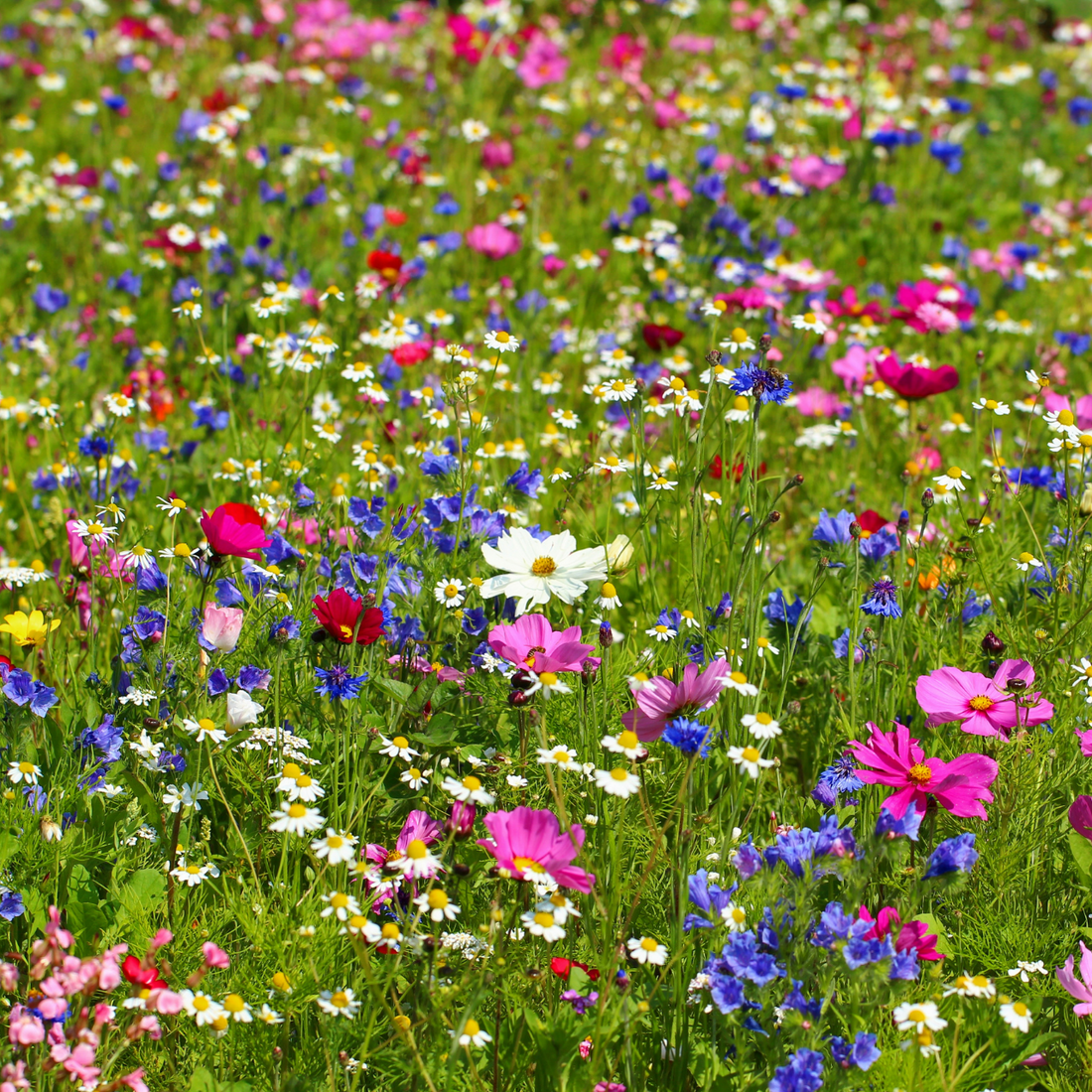
wildflower perennial seeds Northeast Nirvana Wildflower Seed Mix – Hancock SeedThe Northeast Wildflower Seed Mix contains annual and perennial species to provide great color throughout the year. This mixture is a great option for decorative landscaping in the northeast United States. ~~~ The Northeast Wildflower Seed Mix contains annual and perennial species to provide great color throughout the year. This mixture is a great option for decorative landscaping in the northeast United States. Product Information Application or Use:

The Northeast Wildflower Seed Mix contains annual and perennial species to provide great color throughout the year. This mixture is a great option for decorative landscaping in the northeast United States. ~~~

The Northeast Wildflower Seed Mix contains annual and perennial species to provide great color throughout the year. This mixture is a great option for decorative landscaping in the northeast United States. 

Product Information

  • Application or Use: Ornamental, Lawn, Cover Crop, Erosion Control
  • Germination Time: 14 - 21 days, under optimal conditions
  • Growing Locations: Transition Zone & Cool Season
  • Height: 2 - 4 feet
  • Sunlight Requirements: 8+ hours, full sun for best results
  • Advantages: Perfectly blended for the Northeast U.S.
  • When to Plant: See Instructions Tab.


This mix is non-gmo


Mixture Contents: 

  • Crimson Clover
  • Baby's Breath
  • Bachelor's Buttons, Dwf Blue
  • Siberian Wallflower
  • Lanceleaf Coreopsis
  • Purple Coneflower
  • Blanketflower
  • Blue Flax
  • Scarlet Flax
  • Shasta Daisy
  • Mixed Color Corn Poppy
  • Sweet William
  • Black-Eyed Susan
  • Red Corn Poppy
  • Plains Coreopsis

This mix may vary depending on harvest and availability.


Product Information:


Wildflowers can provide an excellent, low-cost alternative in large-scale, high-maintenance situations, as well as a satisfying change from traditional urban landscaping. However, during their initial establishment period, wildflowers require as much maintenance as traditional plantings.


This mixture is a blend of annuals and perennials. The annuals germinate quickly when conditions are favorable which provides a quick ground cover and competition against weeds. Most perennial and biennial species being to bloom the second season. Therefore, you wildflower planting may look slightly different from the first year to the second year.


*Product packaging may appear different than what is pictured. ~~~


Wildflower Planting Time Based on Region:

Southeast

  • Fall, Winter: Sowing wildflowers in Fall/Winter is the ideal time in the Southeast, with October 1 – December 31 being the best dates. The weather is ideal for starting seeds, and seedlings can grow and harden off before frost.
  • Spring: A good time to plant wildflowers, especially annual species that flower quickly. Plant after the last frost date when soil temperatures have warmed to around 55°F, typically occurring within a month or so after the final frost of winter; this ensures the seeds can germinate properly without being affected by cold weather.
  • Summer: You can plant wildflower seeds in the summer, but the hot sun can dry out the soil and stress your seedlings. Summer is a good time to plant quick-growing annual wildflowers.


Southwest

  • Fall: A good time to plant spring wildflowers in the desert Southwest. Fall's cooler temperatures and seasonal rains help seeds germinate. In the mountains, you can plant after spring frosts.
  • Winter: In areas that get snow, winter seeding can give seeds an advantage in the spring. 
  • Spring: A popular time to plant wildflowers in most states. You can plant after the last frost and when the soil temperature is at least 55°F. In warmer climates, you can plant at the end of the rainy season.
  • Summer: You can plant wildflower seeds in the summer, but the hot sun can dry out the soil and stress your seedlings. Summer is a good time to plant quick-growing annual wildflowers.


Northeast

  • Fall, Winter: The best time to plant wildflowers in the Northeast is in late fall, after the first frost but before heavy snow. This is known as dormant seeding and can take place from November to December. Cold temperatures and damp soil during the winter help wildflower seeds germinate. 
  • Spring: Plant in early spring, after the ground has thawed and soil temperatures reach around 55-65°F. This is a popular time to plant wildflowers because it's typically rainier, which helps water seedlings. 
  • Summer: You can plant wildflower seeds in the summer, but the hot sun can dry out the soil and stress your seedlings. Summer is a good time to plant quick-growing annual wildflowers.


Midwest

  • Fall, Winter: Plant in late fall (November–December) after the first frost. The seeds will overwinter and germinate in the spring. Fall planting is a good option for cooler climates and can give the seeds an early start in the spring. 
  • Spring: Plant in early spring (April–May) after the last frost when the soil temperature is consistently above 55°F. Spring is a popular time to plant because the soil is usually moist from rain, and you can see the wildflowers grow right away.
  • Summer: You can plant wildflower seeds in the summer, but the hot sun can dry out the soil and stress your seedlings. Summer is a good time to plant quick-growing annual wildflowers.


Western

  • Fall, Winter: Plant in late fall (November–December) after the first frost. The seeds will overwinter and germinate in the spring. Fall planting is a good option for cooler climates and can give the seeds an early start in the spring. 
  • Spring: Plant in early spring (April–May) after the last frost when the soil temperature is consistently above 55°F. Spring is a popular time to plant because the soil is usually moist from rain, and you can see the wildflowers grow right away.
  • Summer: You can plant wildflower seeds in the summer, but the hot sun can dry out the soil and stress your seedlings. Summer is a good time to plant quick-growing annual wildflowers.


Pacific Northwest

  • Fall, Winter: Plant in late fall (November–December) after the first frost. The seeds will overwinter and germinate in the spring. Fall planting is a good option for cooler climates and can give the seeds an early start in the spring. 
  • Spring: Plant in early spring (April–May) after the last frost when the soil temperature is consistently above 55°F. Spring is a popular time to plant because the soil is usually moist from rain, and you can see the wildflowers grow right away.
  • Summer: In cooler zones with higher elevation, you can plant wildflowers in late spring to early summer, after the risk of frost has passed. You can plant wildflower seeds in the summer, but the hot sun can dry out the soil and stress your seedlings. Summer is a good time to plant quick-growing annual wildflowers.


Instructions: 

A smooth, weed and vegetation-free planting bed is important for good seed-soil contact and prompt germination. Avoid seeding more than the recommended rate, as overseeding can result in crowded conditions the first year and poor establishment of perennials. Cover seeds lightly to protect them from drying out during germination, and to prevent them from being eaten by birds. Consistent moisture is important for 4-6 weeks after planting. We recommend that a soil test be performed when soil quality is unknown. 

The best time to plant in your area depends on the climate and rainfall patterns, as well as the species you are planting. In cool climates, plant annuals, perennials or mixtures of annuals and perennials during Spring, or early Summer.  Best results will be obtained by planting on cleared ground. Remove existing vegetation to avoid competition from other plants. 

Moisture

All seeds, including wildflowers, need ample moisture to germinate and to develop into healthy seedlings. Best results will be obtained by soaking the planted areas thoroughly and maintaining consistent moisture for 4-6 weeks, and then gradually reducing waterings. Plant in the spring or before periods of anticipated rainfall In non-irrigated situations. Watering may be reduced depending on the climate and rainfall after seedlings are established.

Weed Control

Weed control is the biggest problem facing plant establishment, and one which has no easy solution. Weed seeds are present in many situations and lie dormant, but viable, for long periods. A weedy area converted to wildflowers will have a large reservoir of weed seeds in the soil, ready to germinate when conditions are favorable. In most cases, it is advisable to consider weed control in two phases as part of site preparation prior to planting, and as an important component of the post-germination maintenance program.


Shipping Notes
  • Free Standard Shipping on $100+ Orders to the USA.
  • Except Preorder products are shipped in 48 hours.
  • Delivery to the USA:
  1. Standard Shipping : 3-10 business days
  • If time is of the essence, please consider selecting expedited delivery for faster service.
Exchange/Return Notes
  • We offer a 30-day return/exchange service after receiving.
  • Final sale items are not eligible for returns or exchanges.
  • To process your return/exchange, please contact us at [email protected]
  • Please click here for more details>>> Return & Exchange Policy
SKU: 47462612752

Discover Niche Categories That Outsell wildflower perennial seeds

Top-Converting Item to Boost Your Average Order

4.5 ★★★★★
Based on 10 reviews
Sort
Highest Rating
Newest First
Oldest First
Product Reviews
C
Verified Purchase
C Dow
Houston, US
★★★★★ 5
An excellent, if brief introductory survey of the defense of the reliability of Scripture!
Format: Kindle
“How can you trust the Bible? Didn’t you know there are 400,000 disagreements between all the different copies of the New Testament alone, while there are only 110,000 words in it?” “The Bible contradicts itself, so it can’t be the Word of God.” “Church leaders picked and chose what went into the Bible, leaving out books and letters they didn’t agree with, so how can you trust what it teaches?” “Even the different versions of the Bible disagree with one another, so how can it be reliable?” “Jesus is more myth than historical figure, cobbled together from a bunch of ancient sources and religions. He’s made up, so can’t be a real savior.” Skeptical claims like these, and plenty others, are leveled against the Bible ALL. THE. TIME. On social media, in popular media, and in documentaries purporting to give the straight dope about the history surrounding the Word of God. We should not be surprised. After all, the enemies of God hate Him, and hate His Word. However, many Christians lack the ability to refute these claims. Many of us merely shout “nuh uh,” all the while wondering if there really are answers to these claims. There are answers to these claims, Christian. There is an entire field of study, namely apologetics, which provides a defense of the faith. “Why I Trust the Bible” is a one-stop-shop of introductions to several topics which comprise much of the field of apologetics these days: - The Historical Jesus - Contradictions in the Bible - How We Got the Canon (list of books in the Bible) - Textual Criticism (making sense of textual discrepancies or variants) - How Translation Happens - The Supposed Contradiction of the Old Testament In “Why I Trust the Bible” Dr. Mounce, renowned Greek language scholar, explains why he trusts the Bible, and why you should too. As a layperson who has done a lot of study in these areas, I found the this book a great introductory survey of these topics, with a great set of footnotes and bibliography for further reading. Most skeptics tossing out the objections covered are merely repeating talking points, and this book will be more than enough to equip you to answer them. “Why I Trust the Bible” is a great introduction to all of these subjects and can provide a great foundation for further study into any and all of them. If you have studied any of these subjects in greater depth, you may find Mounce’s treatment of them entirely too brief, but for someone who is new to apologetics and specifically the reliability of the Bible, this book is an excellent choice!
WAS THIS REVIEW HELPFUL?YesReportShare
Reviewed in the United States on September 15, 2021
D
Verified Purchase
David M. Wilson
Carnegie, US
★★★★★ 4
Using this one for a special study in our church.
Format: Paperback
This is a very scholarly book, but the author seeks to simplify it a bit for the reader. This book is written to respond to Biblical skeptics and answers many of the challenges those folks have for skeptics. Very well researched and very well written.
WAS THIS REVIEW HELPFUL?YesReportShare
Reviewed in the United States on October 28, 2024
J
Verified Purchase
Justin Effler
Birmingham, US
★★★★★ 5
A Pleasure To Read
Format: Kindle
Academic books are known to be dry and poorly written, with semantics used that inadvertently confuse the reader; not with this book. Mounce displays that not only does he really know his “stuff” as a scholar, but how to make the read enjoyable to the laity. I recall reading the notorious bible skeptic’s book, “Misquoting Jesus” by Bart Ehrman a number of years back and even though as a Christian who loves the Bible I couldn’t help but notice how well and enjoyable he made the book. Both Mounce and Ehrman are in the same field and understand as textual critics how to communicate to people in an manner to the lay person. I sought out this book with the understanding of how we can trust the canon and got a lot more than I thought! While, I will admit, a lot of trusting that the 27 books of the New Testament (and the Old Testament) are what they are supposed to be is a matter of trusting God in his sovereignty. He laid great groundwork for why the early church believed them and what their criterion was to accept a book as “scripture”. He also brought some important distinctions int eh church’s infancy that there was a functional canon and exclusive canon; that being from scholar Michael Kruger that he referenced. I found the section on translations very useful as it brought a balanced perspective on what it means not just translate but how to treat the text properly. One of his examples with a big criticism on the term “reading the Bible literally” when translated from one language (Greek, Hebrew and Aramaic) to another (English, etc.). We develop much of our words in translation not just by individuals words that can mean a lot of different things, but with its surrounding context. I won’t spend too much time but there were a vast amount of other important topics, like the historical Jesus, Old Testament as well as the problem of evil and other things that where quite useful to, but for me and the importance of canon is why I sought on this book. Now I am still on the journey of studying more about why this canon but a lot more clearly has come and I trust the Lord in his sovereignty in that we have preserved God’s holy books. This is a must read for any Christian apologist or just anyone who is looking to understand the Bible better.
WAS THIS REVIEW HELPFUL?YesReportShare
Reviewed in the United States on June 24, 2023
D
Verified Purchase
Dr. James Garrett
Houston, US
★★★★★ 5
Faithful to God's Word
Format: Paperback, Format: Paperback
I have been a fan of Bill Mounce since I was taught Koine Greek using Version 2 of his methodology. He writes in an easy-to-read style that faithfully communicates truth and facts. I was so impressed with his works that I have purchased several and have used many of his texts--even with the Greek classes that I have taught. When this new book came out, i was extremely excited because I assumed the same simple yet profound emphasis would exude from this new work. I was and am correct. Mounce, in a very positive and supportive way, takes the topic that many make controversial concerning the veracity and trustworthiness of the 66 books we know as the Bible. He has researched this project well and utilizes the collected wisdom of many modern-day scholars concerning various aspects of ancient texts and translations of the Bible. He also acknowledges and addresses some of the so-called "wisdom" of a few of the modern-day non-adherants of the Bible. I was very impressed of his handling of these critics and critiques because, as he should, he dealt with them in a very straight-forward manner--affirming their intelligence but not their findings/propositions/conclusions. I appreciate that--as a pastor, I can strongly recommend this work to adults and older teens in my congregation (all laymen) and that I can trust it as they read it. (In fact, I have already recommended it to some.) I also appreciate that--as a college/seminary professor, there is sufficient solid material here that I can recommend this to my students and that I can know they are receiving the truth concerning God's Word, In all honesty, there is probably not enough good that I can say as I recommend this great book. Dr. James (Jim) Garrett
WAS THIS REVIEW HELPFUL?YesReportShare
Reviewed in the United States on October 14, 2021
C
Verified Purchase
Catharina
Massapequa, US
★★★★★ 5
A must read book for anyone who doubts the bible
Format: Paperback
I was interested to read this book because I was already familiar with the author William Mounce having studied his book, “Basics of Biblical Greek Grammar” and knowing that he was on the oversight committees of the ESV and NIV bible translations so felt I could trust his validity. His book is based on academic research but written to a nontechnical audience which makes this a great tool to share with anyone who has doubts about the bible. With that said, I found it to be intelligent with a lot of reference material. I didn’t want to skim over any part and read it slowly so I could understand what was being said. One of the reasons people doubt the bible is they say there are contradictions and errors. There are 2 chapters regarding apparent contradictions. With each contradiction, he addresses it with facts and gives clarity to what could seem confusing. Other chapters teach on the Historical Jesus, The Canon – how we got 27 books in the NT, Textual criticism, Translations and The Old Testament. I found this book to be very informative and interesting, one I will keep going back to for reference.
WAS THIS REVIEW HELPFUL?YesReportShare
Reviewed in the United States on October 31, 2021

recommand products