Pay in installments of $7.47 with
 ,
,
 and
and

Shipping Estimate
USA
- USA
- CAN
- USA
- CAN
Ships within 48 hours · Estimated delivery Sep 15 - Sep 20
 Promo Codes Available:
For Your Every Summer RSVP, with Code: SUMMER15
Description
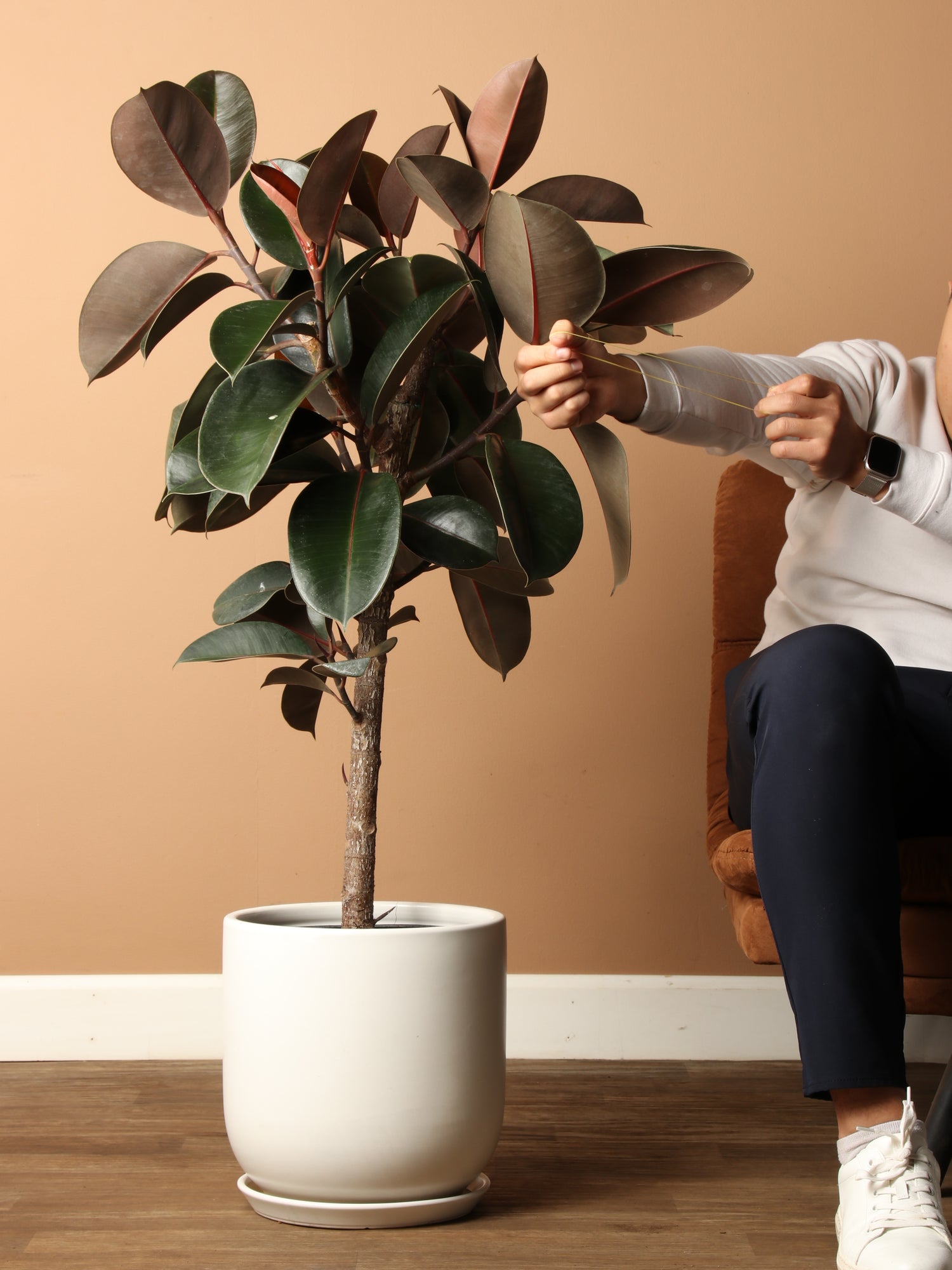
rubber tree in a pot Large Rubber Tree StdDescription Looking for a plant that brings authentic rainforest beauty into your home? Then we cant wait to introduce you to the magnificent Rubber Tree a stunning statement piece that will turn your space into a peaceful botanical retreat. Native to the Amazon rainforests, the Hevea brasiliensis gave the world natural latex. We're here to help you bring this tree into your home, where its impressive presence will definitely be a conversation
Description
Looking for a plant that brings authentic rainforest beauty into your home? Then we can’t wait to introduce you to the magnificent Rubber Tree - a stunning statement piece that will turn your space into a peaceful botanical retreat.
Native to the Amazon rainforests, the Hevea brasiliensis gave the world natural latex. We're here to help you bring this tree into your home, where its impressive presence will definitely be a conversation starter. With smooth bark and wonderfully glossy leaves, this beauty deserves a special (large) place in your plant collection.
Care
Is a rubber tree a good indoor plant?
The rubber tree needs more space than many houseplants, but we believe it's absolutely worth it for the joy it brings! If you have the ceiling height, this beautiful specimen will become the heart of your room.
Are rubber trees hard to keep alive?
Your rubber tree will thrive with consistent, loving attention to its basic needs. But it only needs regular care with steady temperatures, watering, and bright light. We promise it's not overwhelming! With our guidance, it will flourish.
This Amazonian beauty rewards dedicated care with years of green happiness, becoming a cherished part of your home and daily routine.
How often should I water a rubber plant?
We recommend watering your rubber tree when the top 2-3 inches (5-8 cm) of soil feel dry. Think of recreating that perfect rainforest environment - consistently moist but never waterlogged. Check regularly whether it has just the right amount of moisture.
Where should I place a rubber tree in my house?
Your rubber tree is happiest near an east- or south-facing window with bright, indirect light. We suggest avoiding direct afternoon sun, which can stress the leaves. Finding the perfect spot for your new giant friend is part of the joy!
Can rubber tree plants live in bathrooms?
Bathrooms can be wonderful homes for rubber trees! If your bathroom has bright light and enough space for growth, your plant will love the almost-tropical humidity. Make sure there’s proper ventilation, and you’re good to go!
What fertilizer should I use for a rubber tree?
We recommend feeding your rubber tree with a balanced liquid fertilizer monthly during spring and summer. Think of it as providing loving nutrition for steady, healthy growth. Regular feeding helps your gentle giant plant stay strong and vibrant!
What does rubber tree plant care involve?
Caring for your rubber tree involves providing bright indirect light, consistent moisture, regular feeding, and occasional leaf cleaning. We see plant care as being a beautiful relationship - the more attention you give, the more your plant flourishes!
Does a rubber tree need sunlight?
Your rubber tree needs bright, indirect sunlight for at least 6 hours daily to stay healthy and happy. We always recommend filtered light similar to its rainforest home - gentle but consistent throughout the day. Direct afternoon sun can damage leaves.
Pet-friendly?
We care deeply about all family members, including pets. Unfortunately, the rubber tree isn't pet-friendly due to its latex sap containing ficin and other compounds.
Are rubber tree plants toxic to dogs?
Rubber trees are toxic to dogs, as their latex sap contains ficin compounds that can cause gastrointestinal upset and oral irritation. If your dog has ingested any part of your rubber tree plant, please contact your veterinarian immediately.
We're here to help you choose pet-safe alternatives if needed, ensuring both your plants and pets can coexist safely.
How toxic is a rubber plant to cats?
The rubber tree is toxic to cats, potentially causing oral irritation, drooling, and digestive issues. If your cat has chewed on your rubber tree, please seek veterinary care right away. We understand how important pet safety is.
We can recommend beautiful cat-friendly plants that provide a similar impact while keeping your feline friends completely safe.
Factoids
What is the difference between a rubber plant and a rubber tree?
The rubber tree (Hevea brasiliensis) is the authentic latex-producing species that grows impressively large, while the rubber plant (Ficus elastica) is its smaller ornamental cousin. We're proud to offer you the genuine rubber tree with Amazonian heritage!
Do rubber trees make rubber?
Your rubber tree (Hevea brasiliensis) is the very species that produces commercial latex for countless products. So you're nurturing a piece of industrial history in your home - a plant that’s shaped the world (and looks great while doing it)!
Does a rubber tree purify air?
Your rubber tree contributes to air purification through its large leaves, creating oxygen and improving humidity levels. While not the most efficient air purifier, it brings a piece of the Amazon's natural air-cleaning power into your space.
What is the lifespan of a rubber tree?
With proper care, your indoor rubber tree can live for a truly long time, even several decades! Wild specimens can reach 100 years. We're honored to help you start this long-term relationship with a truly special gentle giant.
Do they still use rubber trees to make rubber?
Hevea brasiliensis remains the world's primary natural rubber source, with plantations across Southeast Asia producing latex for tires, medical supplies, and so much more. It’s amazing that your houseplant shares DNA with the trees that keep the world moving.
What is the spiritual meaning of a rubber tree?
The rubber tree symbolizes resilience, adaptability, and abundance - qualities we admire deeply. Indigenous Amazonian peoples considered it sacred because it represented the forest's generosity, while modern interpretations connect it to flexibility in life's challenges and personal growth.
Is the rubber tree fruit edible?
The rubber tree fruit isn't edible - really they're seed capsules that explode when ripe, naturally dispersing seeds. Your indoor rubber tree rarely fruits, rather focusing its energy on producing those beautiful leaves we all love so much.
Buy a Rubber Tree
We'd love to help you welcome a magnificent rubber tree into your home! This stunning plant brings authentic Amazonian beauty and creates a truly special atmosphere in any large space. Our team is passionate about perfect matches.
Let us guide you through our video shopping experience to find your ideal rubber tree. We'll be with you every step of the way, from selection to delivery to ongoing care. Your space deserves this living piece of botanical history, and we're here to make sure it thrives under your loving care!
Shipping Notes
- Free Standard Shipping on $100+ Orders to the USA.
- Except Preorder products are shipped in 48 hours.
- Delivery to the USA:
- Standard Shipping : 3-10 business days
- If time is of the essence, please consider selecting expedited delivery for faster service.
Exchange/Return Notes
- We offer a 30-day return/exchange service after receiving.
- Final sale items are not eligible for returns or exchanges.
- To process your return/exchange, please contact us at [email protected]
- Please click here for more details>>> Return & Exchange Policy