Pay in installments of $6.20 with
 ,
,
 and
and

Shipping Estimate
USA
- USA
- CAN
- USA
- CAN
Ships within 48 hours · Estimated delivery Sep 6 - Sep 11
 Promo Codes Available:
For Your Every Summer RSVP, with Code: SUMMER15
Description
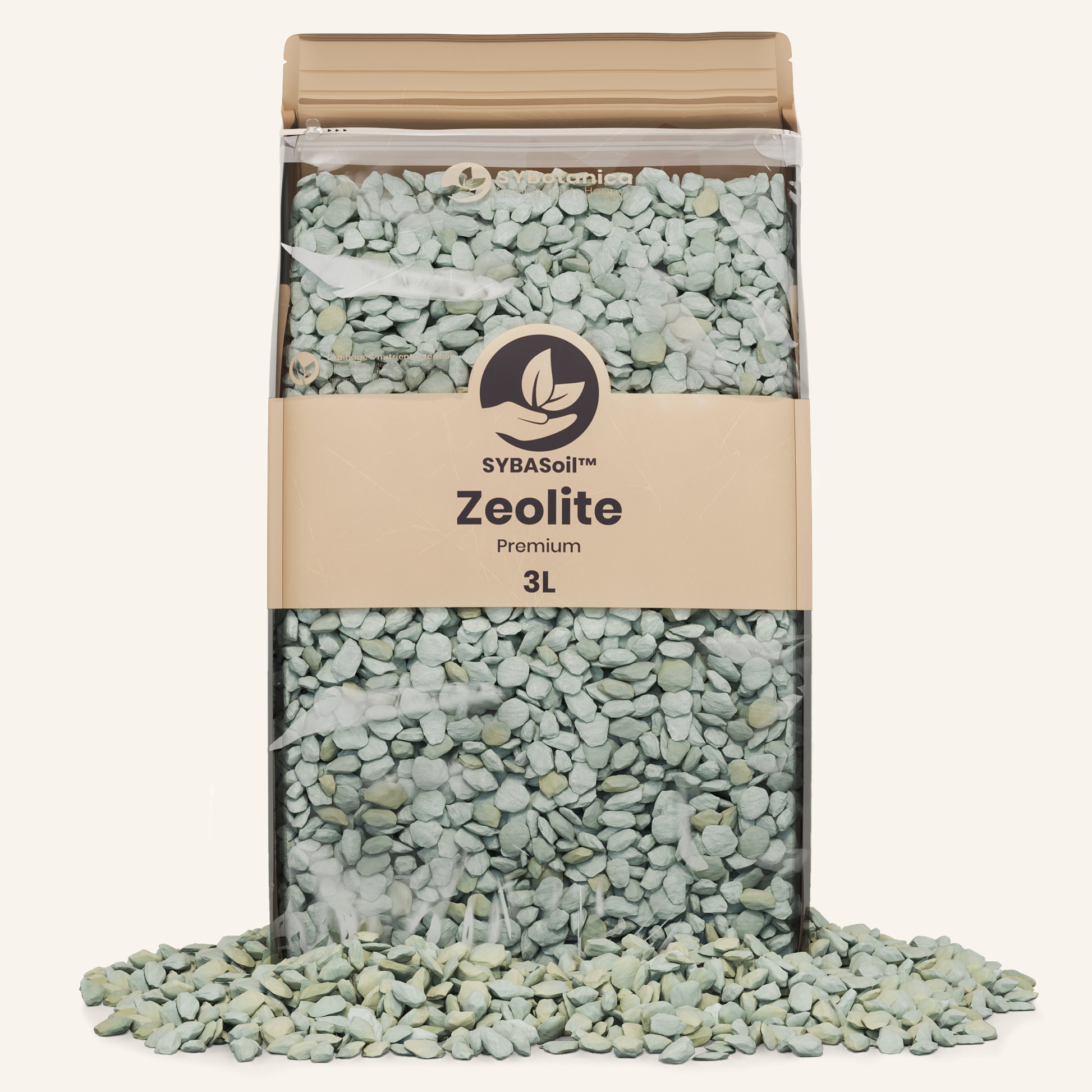
zeolite succulents Buy Zeolite? ✓ 5-8mm ✓ Shipped Quickly! – SybotanicaZeolite Improves Nutrient Retention and Root Zone Balance in Any Soil Mix Zeolite is a powerful mineral substrate known for its ability to absorb, store, and slowly release nutrientsmaking it one of the most efficient soil conditioners available for indoor plant care. Its unique structure, formed from volcanic ash and seawater, gives it a high Cation Exchange Capacity (CEC), meaning it can trap positively charged nutrient ions and deliver them back to
Zeolite Improves Nutrient Retention and Root Zone Balance in Any Soil Mix
Zeolite is a powerful mineral substrate known for its ability to absorb, store, and slowly release nutrients—making it one of the most efficient soil conditioners available for indoor plant care. Its unique structure, formed from volcanic ash and seawater, gives it a high Cation Exchange Capacity (CEC), meaning it can trap positively charged nutrient ions and deliver them back to plant roots over time.
At Sybotanica, we offer clean, high-performance zeolite granules that can be added directly into your potting mix to improve nutrient retention, moisture management, and overall soil performance. It’s especially useful for plants sensitive to overfeeding, soil compaction, or inconsistent watering.
What Makes Zeolite Different From Other Soil Amendments?
Unlike organic materials or traditional drainage aids, zeolite acts as a living storage vault in the root zone. It captures excess nutrients like ammonium, potassium, calcium, and magnesium, and then releases them gradually—right when your plant needs them. This buffering action prevents nutrient overload, reduces leaching, and keeps the soil balanced over time.
Key Benefits of Zeolite:
-
High CEC for nutrient buffering and ion exchange
-
Improves moisture regulation by absorbing and releasing water on demand
-
Prevents soil compaction and maintains air flow
-
Neutralizes pH and reduces salinity buildup
-
Safe for all houseplants and indoor gardening setups
-
Visibly changes color when wet for easy moisture checks
Its porous mineral structure supports both plant health and microbial life, creating a more dynamic and resilient soil ecosystem.
Zeolite for Nutrient-Sensitive Plants
Some plants—especially young ones or those recently repotted—are highly sensitive to sudden changes in nutrient levels. Traditional fertilizers can easily lead to nutrient burn, causing root damage and leaf yellowing. By integrating zeolite into the soil, you create a buffer zone that holds onto nutrients until the plant is ready to absorb them.
This makes zeolite a smart companion for worm castings, compost, or liquid fertilizers, especially in indoor environments where flushing soil isn’t always practical.
Built-in Moisture Control and Aeration
Zeolite doesn't just manage nutrients—it also regulates water. Much like activated carbon, it absorbs excess moisture and releases it gradually, helping to maintain even hydration. Its structure also keeps soil open and non-compacting, making it ideal for mixes that need both air and water movement.
This dual action improves root zone balance, reduces the risk of rot, and makes the soil more forgiving if you occasionally over- or under-water.
A Responsive Material: Zeolite Changes Color When Wet
One unique and visually satisfying feature of zeolite is that it changes color based on its moisture content. This makes it an excellent visual cue for watering—especially helpful in denser potting mixes or closed terrariums where moisture can be hard to gauge.
Whether you’re building a mix for aroids, succulents, or propagation trays, zeolite’s slow release nutrients and moisture-tracking ability offer built-in support for both you and your plants.
How to Use Zeolite in Your Mix:
-
For nutrient buffering: Add 10–15% zeolite to your potting soil to prevent overfeeding and boost nutrient availability
-
In water-sensitive setups: Blend with peat or coco coir to reduce sogginess and increase stability
-
With fresh worm castings: Combine with organic fertilizers to hold onto nutrients and improve distribution in the root zone
-
In propagation trays: Mix with perlite or sand for added airflow and gentle nutrient release
Because it’s a natural filter and pH-neutral material, zeolite won’t disrupt your soil’s chemical balance or introduce salts.
Sybotanica’s Take: Innovation Meets Soil Intelligence
At Sybotanica, we love zeolite for its quiet efficiency. It does the work in the background—regulating nutrients, balancing moisture, and protecting roots—without changing the feel of your soil. It’s a simple upgrade with serious long-term benefits, especially for growers who want better control over their plant’s environment without constant adjustment.
Whether you’re fine-tuning a premium mix or experimenting with new components, zeolite is a smart, stable addition that brings lasting value to every handful of handmade potting soil.
Shipping Notes
- Free Standard Shipping on $100+ Orders to the USA.
- Except Preorder products are shipped in 48 hours.
- Delivery to the USA:
- Standard Shipping : 3-10 business days
- If time is of the essence, please consider selecting expedited delivery for faster service.
Exchange/Return Notes
- We offer a 30-day return/exchange service after receiving.
- Final sale items are not eligible for returns or exchanges.
- To process your return/exchange, please contact us at [email protected]
- Please click here for more details>>> Return & Exchange Policy