Pay in installments of $6.70 with
 ,
,
 and
and

Shipping Estimate
USA
- USA
- CAN
- USA
- CAN
Ships within 48 hours · Estimated delivery Sep 16 - Sep 21
 Promo Codes Available:
For Your Every Summer RSVP, with Code: SUMMER15
Description
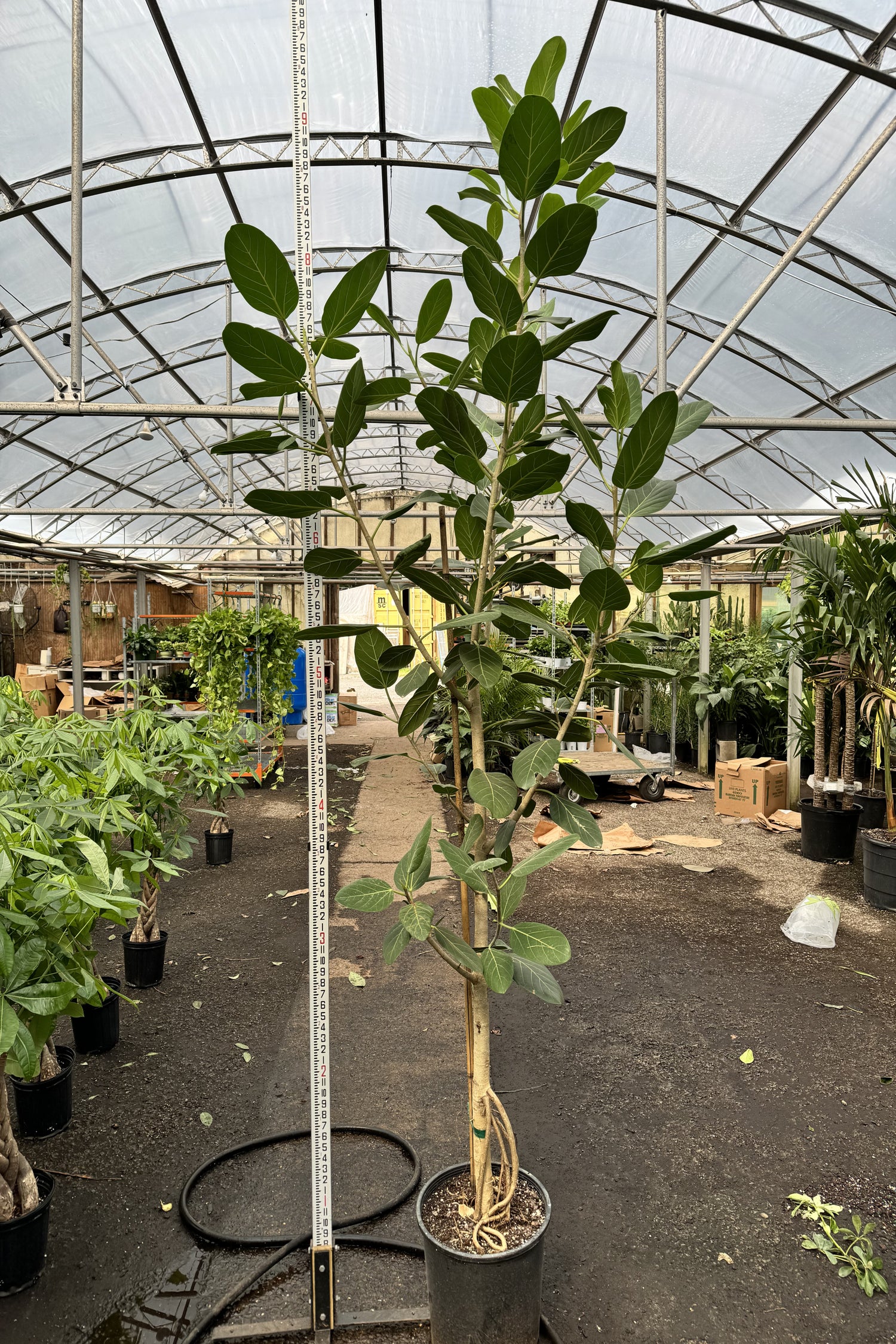
ficus audrey full grown Buy Huge Audrey Ficus Online | Rare Indoor PlantDescription Meet the Audrey Ficusthe beauty that wants to make your plant parenthood journey a joy! With its soft, velvety, oval leaves decorated with delicate pale veining, it brings that perfect "I've got my plant game together" energy to any room. Native to India and Pakistan, this stunning indoor banyan tree has learned the art of making a statement while being wonderfully forgiving. Your Audrey Ficus will gracefully grow to 5 10 feet tall
Description
Meet the Audrey Ficus—the beauty that wants to make your plant parenthood journey a joy! With its soft, velvety, oval leaves decorated with delicate pale veining, it brings that perfect "I've got my plant game together" energy to any room.
Native to India and Pakistan, this stunning indoor banyan tree has learned the art of making a statement while being wonderfully forgiving. Your Audrey Ficus will gracefully grow to 5-10 feet tall indoors, creating that lush, tropical sanctuary you've been dreaming of. It's genuinely easier to care for than its more famous cousin, which means you can focus on enjoying its elegant presence instead of worrying about every little care detail.
We love how this beauty adapts to your life—it's patient when you're learning, forgiving when you're busy, and always ready to reward your care with steady, satisfying growth. With its air-purifying qualities and that gorgeous architectural form, it's like having a living sculpture that actually improves your home's atmosphere.
Care
How do you care for an Audrey Ficus?
Audrey Ficus care centers on providing bright indirect light placement, careful watering when the top two inches of soil feel completely dry, regular gentle misting for proper humidity levels, and monthly balanced feeding during spring and summer growing seasons.
Your Audrey Ficus is wonderfully straightforward once you understand its rhythm. Place it near a south or west-facing window where it can soak up plenty of bright, filtered light throughout the day. Water it thoroughly when you can stick your finger into the soil and feel that the top 1-2 inches are completely dry, then let any excess water drain away completely—this plant really dislikes having wet feet.
A light misting every few days helps it feel at home, especially during drier months. During its active growing period from spring through summer, treat your plant to a balanced fertilizer at half strength once monthly, and it will show its appreciation with healthy, vibrant growth.
Is Audrey Ficus a good indoor plant?
The Audrey Ficus makes an absolutely exceptional indoor plant choice for your home, offering stunning tropical beauty with significantly easier care requirements than most other large-leafed houseplants, making it perfect for plant parents seeking elegant visual impact.
It truly thrives in indoor environments and brings that sophisticated, lived-in elegance that makes any space feel more intentional and beautiful. Its natural air-purifying abilities are a wonderful bonus, but honestly, we think you'll fall in love with it primarily for how it transforms your home's atmosphere.
Unlike some of the more temperamental plants in the ficus family, your Audrey Ficus is genuinely pleasant to live with and won't punish you for the occasional care misstep—it understands that life gets busy sometimes.
Can Audrey Ficus tolerate low light?
Your Audrey Ficus can manage reasonably well in medium light conditions but absolutely won't flourish in truly low light situations, needing several hours of bright, indirect Audrey Ficus light daily for optimal health, growth and vibrant appearance.
While it's adaptable and patient, it does have its preferences. In lower light situations, you might notice slower growth and some natural leaf drop as your plant conserves its energy. We've found that giving your Audrey Ficus the bright, indirect light it craves really brings out the best in those beautiful velvety leaves and helps maintain its elegant, full form. When it's happy with its lighting, it will reward you with that lush, healthy appearance that makes it such a showstopper.
How often do you water an Audrey Ficus?
Water your Audrey Ficus thoroughly and completely when the top 1-2 inches of soil feel completely dry to the touch, which typically occurs every 1-2 weeks during the active growing season, and less frequently during winter months.
We always recommend checking the soil rather than following a strict calendar schedule—your plant will tell you when it's ready for a drink. During spring and summer when it's actively growing, it will be a bit thirstier and may need water every week or so. As winter approaches and its growth naturally slows, you can stretch that to every 2-3 weeks. Your Audrey Ficus is much more forgiving of slight underwatering than overwatering, so when you're uncertain, it's perfectly fine to wait another day or two.
How quickly does an Audrey Ficus grow indoors?
The Audrey Ficus grows at a pleasantly steady and manageable pace indoors, typically adding approximately 12-24 inches of new growth yearly with proper care and attention, reaching full indoor size over approximately 5-7 years under ideal conditions.
We love how it grows at just the right speed—fast enough that you can see progress and feel that wonderful satisfaction of successful plant parenthood, but not so quickly that it overwhelms your space overnight. This gradual growth means you can plan your room layout and watch your plant develop into an impressive floor-to-ceiling statement piece over time. There's something really special about nurturing a plant through that journey and seeing how it transforms alongside your home.
How much sun does Ficus Audrey need?
Your Audrey Ficus needs several hours of bright, indirect sunlight daily for optimal growth and overall health, with gentle morning or evening direct sun being perfectly acceptable and beneficial for maintaining healthy growth and vibrant leaf coloration.
Position your plant near a bright window where it can drink in plenty of filtered light throughout the day. It actually enjoys some gentle direct morning or evening sun, but we recommend protecting it from harsh midday rays that might stress those beautiful leaves. When your Audrey Ficus gets the right amount of light, you'll notice how much more vibrant and healthy it looks—it really makes all the difference in its overall wellbeing.
Should I mist my Audrey Ficus?
Misting your Audrey Ficus is definitely beneficial for its overall health and wellbeing, especially in dry indoor environments, helping to increase humidity levels around the plant and keeping those gorgeous velvety leaves clean, dust-free and beautifully happy.
Your Audrey Ficus genuinely appreciates the extra humidity, particularly during winter months when indoor heating can make the air quite dry. A gentle misting every few days or placing a humidifier nearby will help your plant feel more comfortable and prevent those crispy leaf edges that can happen in very dry conditions. Plus, it's a lovely opportunity to spend a quiet moment with your plant and check in on how it's doing—we think of it as part of the joy of plant parenthood.
What is the best fertilizer for an Audrey Ficus?
The best fertilizer for your Audrey Ficus is a balanced, water-soluble fertilizer option with standard NPK ratios like 10-10-10 or 20-20-20, diluted to half strength and applied monthly during spring and summer growing seasons only for optimal health.
Your plant isn't a heavy feeder, so a gentle approach works beautifully. During its active growing season from spring through summer, that monthly feeding gives your Audrey Ficus just the nutritional boost it needs to put out healthy new growth. Come fall and winter, let it rest completely without any fertilizer—this natural rhythm helps keep your plant healthy and prepares it for another season of beautiful growth when spring returns.
Pet-friendly?
The Audrey Ficus isn't pet-friendly and contains natural compounds that can be harmful to curious pets. While it's absolutely gorgeous to admire, it's definitely not safe for nibbling by your furry family members.
Is Audrey Ficus toxic to dogs?
The Audrey Ficus is definitely toxic to dogs and should be kept away from them at all times, with its natural latex sap containing harmful compounds that can cause vomiting, diarrhea, and oral irritation requiring immediate veterinary attention.
Is Audrey Ficus poisonous to cats?
The Audrey Ficus is toxic to cats and should be kept safely out of reach at all times, potentially causing drooling, vomiting, diarrhea, and mouth irritation from the natural compounds in its latex sap when ingested by curious felines.
Factoids
What is the difference between an Audrey Ficus and a Fiddle Leaf Fig?
The Audrey Ficus features soft, oval leaves and is easier to look after, while the Fiddle Leaf Fig has violin-shaped, glossy leaves and requires more maintenance. Your Audrey Ficus won’t have a tantrum if you miss a few care steps.
Is Ficus Audrey rare?
While you might not stumble across your Audrey Ficus at every big box store, it's definitely accessible through speciality plant retailers like us who understand its value. We love that it offers something special without being impossible to find.
What is the benefit of Audrey Ficus?
Beyond its obvious beauty, it's genuinely working to improve your indoor air quality with less fuss than many other statement plants. The combination of practical benefits and visual impact makes your Audrey Ficus such a wonderful addition to any home.
Where does Audrey Ficus get its name?
"Audrey" evokes that same classic beauty you associate with timeless style icons. Its botanical name tells the story of its origins in the Bengal region, where its wild relatives grow into sacred banyan trees so revered in Indian culture.
Buy an Audrey Ficus
Ready to transform your space with sophisticated elegance that won't stress you out? Our Audrey Ficus brings that perfect combination of stunning visual impact and manageable care that makes plant parenthood genuinely enjoyable. It's ideal for anyone who wants to create that lush, curated look without the constant worry about whether you're doing everything perfectly.
With our live video shopping calls, you can meet your future plant companion face-to-face and choose the exact Audrey Ficus that makes your heart happy. No guessing games or plant roulette—just you, connecting with your perfect green addition before it travels safely to your home. Because finding your ideal statement plant should feel as elegant and stress-free as caring for it will be!
Shipping Notes
- Free Standard Shipping on $100+ Orders to the USA.
- Except Preorder products are shipped in 48 hours.
- Delivery to the USA:
- Standard Shipping : 3-10 business days
- If time is of the essence, please consider selecting expedited delivery for faster service.
Exchange/Return Notes
- We offer a 30-day return/exchange service after receiving.
- Final sale items are not eligible for returns or exchanges.
- To process your return/exchange, please contact us at [email protected]
- Please click here for more details>>> Return & Exchange Policy