Pay in installments of $6.66 with
 ,
,
 and
and

Shipping Estimate
USA
- USA
- CAN
- USA
- CAN
Ships within 48 hours · Estimated delivery Jul 29 - Aug 3
 Promo Codes Available:
For Your Every Summer RSVP, with Code: SUMMER15
Description
can red yucca grow in a pot Buy 'Red Yucca - Hesperaloe parviflora' OnlineI ntroducing the Red Yucca, also known as Hesperaloe parviflora, which is a stunning popular succulent plant native to the Chihuahuan Desert regions of Texas and Mexico. The Hesperaloe parviflora is also known by several other common names, including Coral Yucca, Hummingbird Yucca, Samandoque, Redflower False Yucca, and Texas Red Yucca. Although it is called Red Yucca and looks like a yucca plant, it actually belongs to the Agave , opens in a new tab
I ntroducing the Red Yucca, also known as Hesperaloe parviflora, which is a stunning popular succulent plant native to the Chihuahuan Desert regions of Texas and Mexico. The Hesperaloe parviflora is also known by several other common names, including Coral Yucca, Hummingbird Yucca, Samandoque, Redflower False Yucca, and Texas Red Yucca. Although it is called Red Yucca and looks like a yucca plant, it actually belongs to the Agave , opens in a new tab century plant family.
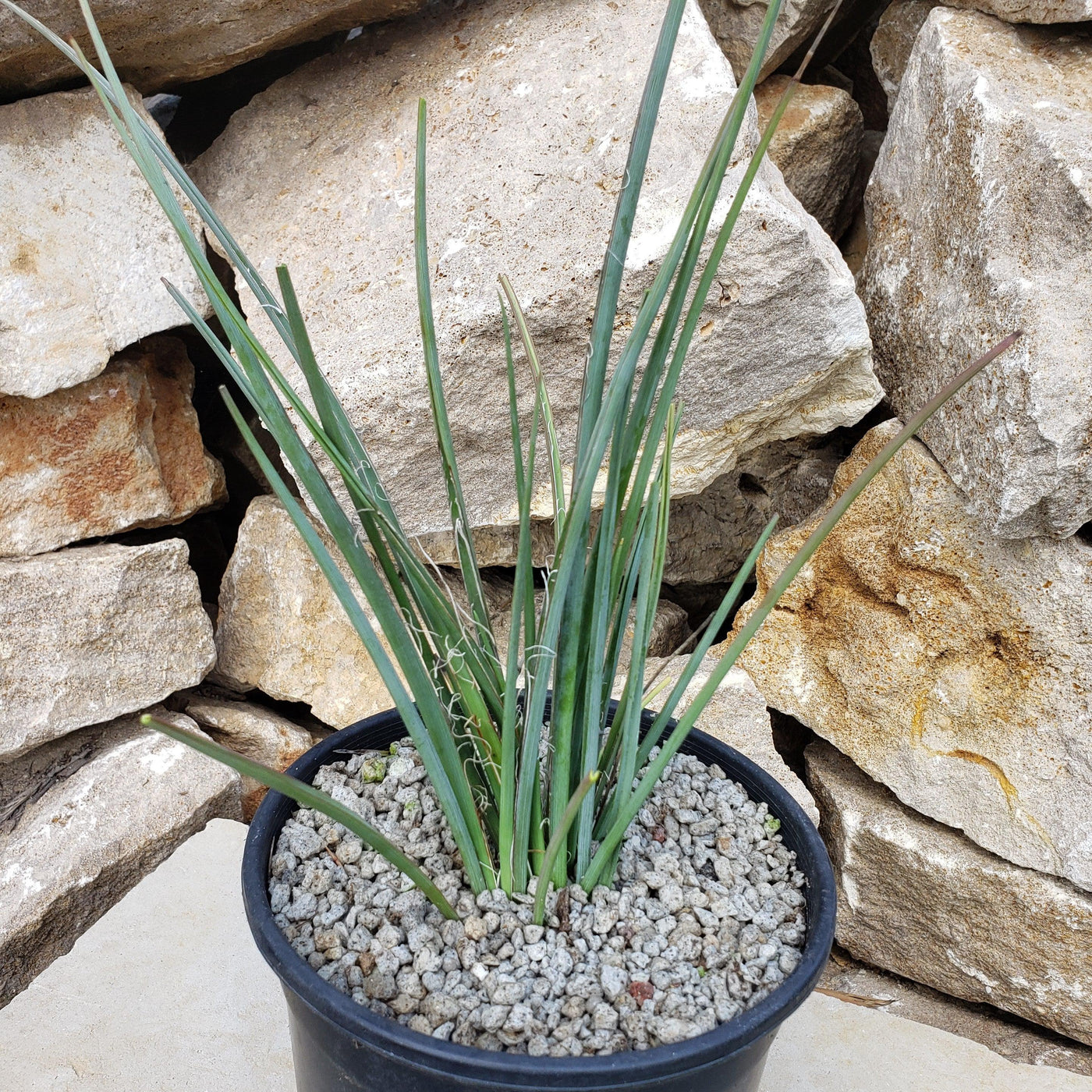
The red yucca forms a rosette of long, narrow, arching, sword-like blue-green leaves. These thin leaves have fibrous threads along the edges, adding to their visual appeal. The Hesperaloe parviflora red yucca can grow in basal clumps to be about 4 feet tall and 6 feet wide, making it a great choice for both gardens and containers. Despite being evergreen, the leaves frequently take on purple or reddish-bronze tints in colder winter climes.
The red yucca flowers bloom in early to midsummer in cold winter climates, with frequent rebloom into fall, whereas in warm winter climates, red yucca plants often bloom earlier, with continued blooming throughout the year. With tall flower spikes that emerge from the center of the Hesperaloe parviflora, it can grow up to 6 feet. These spikes are adorned with coral-red to pink tubular flowers that attract hummingbirds and butterflies. The red-blooming yucca has a beautiful and delicate appearance, adding a vibrant splash of color to any landscape.
Red yucca flowers produce red yucca seeds, which are the most efficient way for them to propagate. Another method is Hesperaloe parviflora pups that grow around the base of the mature red yucca plant. Both methods can be successful with proper red yucca care and attention. This red yucca plant is suitable for rock gardens and desert gardens, and it can also be grown in large containers. your own potting mix Go to soil cactus mix blend 1 gal 4 qt cacti succulent dirt compost growing media
Additionally, it's important to note that while the Red Yucca is a stunning and low-maintenance succulent, it is mildly toxic to humans and pets if consumed. It contains saponins, which can cause gastrointestinal discomfort if consumed. So, it's always a good idea to keep it out of the reach of curious pets or children.
Watering Needs
Red Yucca is drought-tolerant and adapted to arid environments, so it does not require a lot of water. Overwatering can be detrimental to its health. To meet the watering needs of the Red Yucca, it's best to follow a "less is more" approach. Between waterings, let the soil dry out. Check the top few inches of soil, and if it feels dry, that's a good indication that it's time to water.
During the summer or when your red yucca plant is actively growing, watering it once every two to three weeks should suffice. In cooler months or during dormancy, you can reduce the frequency to once a month or even less.
When watering, make sure to give your red yucca plants a deep soak rather than a light sprinkle. This encourages the roots to grow deep and promotes a healthier, more resilient plant. However, be cautious not to let the Hesperaloe parviflora sit in standing water, as it prefers well-draining soil.
In addition to regular watering, it's important to note that the red yuca is highly adaptable and can tolerate periods of drought. So, if you're unsure about watering, it's better to err on the side of underwatering rather than overwatering. This will help to prevent root rot and other moisture-related issues.
Light Requirements
When it comes to light requirements for the Red Yucca Hesperaloe parviflora, it generally prefers bright, direct sunlight. If you're planning to grow it indoors, place it near a south-facing window or any spot that receives at least 6–8 hours of sunlight per day. This will ensure that your red yuca gets the light it needs to thrive.
If you're considering growing the red yuca outdoors, it's important to find a location that offers full sun exposure. This means a spot where the red yucca will receive direct sunlight for at least 4-6 hours daily. The red yucca is quite resilient and can tolerate hot and dry conditions, making it a great choice for sunny outdoor areas. However, keep in mind that the red yuca can also tolerate some shade, especially in extremely hot climates. If you live in a hot climate, providing some afternoon shade can help protect your red yucca from heat stress.
If you notice that the leaves are becoming pale or yellowish, it might be an indication that the Hesperaloe parviflora red yucca is receiving too much direct sunlight. If the leaves start to stretch or become leggy, it might be a sign that your red yuccas are not receiving enough light.
Finding the right balance of light for your Red Yucca is key to its overall health and growth. So, whether you decide to keep it indoors or let it bask in the sunlight outdoors, providing the appropriate amount of light will help your Hesperaloe parviflora Red Yucca thrive and showcase its beautiful, vibrant flowers.
Optimal Soil & Fertilizer Needs
Red Yucca prefers sandy, well-drained soil, as excess moisture can promote root and stem rot. Planet Desert specializes in succulents and has that includes an organic substrate with mycorrhizae to help with the growth of a healthy root system to help your succulents thrive. As an okay alternative, you can create by combining equal portions of perlite, coarse sand, and good natural potting soil.
As for fertilizing, the Hesperaloe parviflora Red Yucca is a relatively low-maintenance succulent and doesn't require heavy feeding. In fact, too much fertilizer can harm the red yucca plant. It's best to use a balanced (5-10-5), slow-release fertilizer in the spring (once a year), just as new growth begins. This will provide a gentle and steady supply of nutrients throughout the growing season.
When applying fertilizer, make sure to follow the instructions to avoid over-fertilizing. Too much fertilizer can cause excessive foliage growth at the expense of flower production. Remember, the Red Yucca is known for its stunning flowers, so it's important to strike the right balance.
Keep an eye on the foliage and if you notice any signs of nutrient deficiency, like yellowing leaves, you can consider applying a light dose of fertilizer to address the issue.
Hardiness Zone & More
Native to the arid regions of Texas and northeastern Mexico, these Texas yucca plants thrive in warm and dry climates. When grown indoors, the Red Yucca Hesperaloe parviflora prefers a temperature range between 60°F and 80°F. It can tolerate slightly cooler temperatures during the winter, but it's best to keep it away from drafts or cold air vents. Providing a warm and stable environment will help the red yucca plant thrive.
If you are living in USDA zones 6-11, you can grow your cold, hardy red yucca plants outdoors year-round. It can withstand temperatures as low as 10°F and as high as 110°F, making it suitable for a variety of climates. However, it's important to note that extreme cold or heat for prolonged periods can stress the red yucca plant.
In terms of humidity, the Red Yucca is adaptable and can tolerate both dry and moderately humid conditions. It is well-suited for arid or semi-arid regions, where humidity levels are generally lower. If you're growing your Hesperaloe parviflora indoors, you don't need to worry too much about humidity levels, as typical indoor environments are usually within an acceptable range for your red yucca.
Whether grown indoors or outdoors, providing the Red Yucca with a warm and stable temperature, along with moderate humidity levels, will help it thrive and showcase its beautiful foliage and stunning flower stalks.
Final Thoughts
Overall, the Red Yucca (Hesperaloe parviflora) is a stunning succulent plant that adds a touch of beauty and elegance to any landscape. With its striking rosette of arching leaves, vibrant coral-red flowers, and low-maintenance nature, it's no wonder why this plant is so beloved. Whether you're looking to enhance your garden or add a pop of color to your container arrangements, the red yucca is a fantastic choice. Just remember to handle this evergreen foliage with care due to its mild toxicity. Order your very own red yucca for sale today and embrace the beauty of the Hesperaloe parviflora red yucca in your rock garden.
Shipping Notes
- Free Standard Shipping on $100+ Orders to the USA.
- Except Preorder products are shipped in 48 hours.
- Delivery to the USA:
- Standard Shipping : 3-10 business days
- If time is of the essence, please consider selecting expedited delivery for faster service.
Exchange/Return Notes
- We offer a 30-day return/exchange service after receiving.
- Final sale items are not eligible for returns or exchanges.
- To process your return/exchange, please contact us at [email protected]
- Please click here for more details>>> Return & Exchange Policy