Pay in installments of $5.49 with
 ,
,
 and
and

Shipping Estimate
USA
- USA
- CAN
- USA
- CAN
Ships within 48 hours · Estimated delivery Oct 20 - Oct 25
 Promo Codes Available:
For Your Every Summer RSVP, with Code: SUMMER15
Description
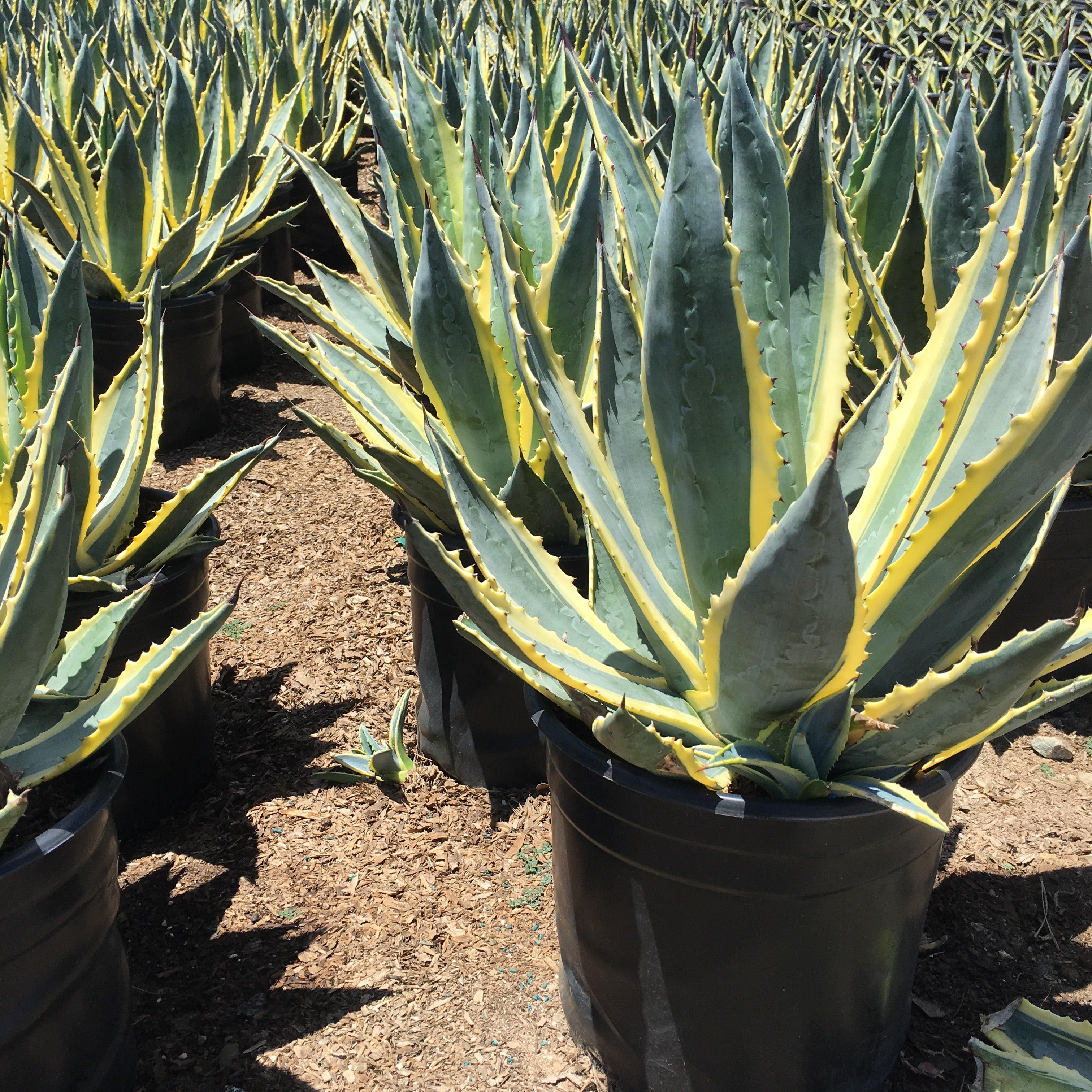
century succulent plant Century Plant (Agave Americana)Native to central Mexico, the Century plant or Agave americana features 6 foot long blue green leaves whose foliage forms a dramatic rosette with sharp spines along the leaf margins and tips. The plant forms basal rosettes, a key feature of agave morphology, which are significant for both identification and harvesting. As the mature plant slowly grows, it can take 10 to 30 years to reach maturity. When the century plant bloomsan event that occurs only
Native to central Mexico, the Century plant or Agave americana features 6-foot long blue-green leaves whose foliage forms a dramatic rosette with sharp spines along the leaf margins and tips. The plant forms basal rosettes, a key feature of agave morphology, which are significant for both identification and harvesting. As the mature plant slowly grows, it can take 10 to 30 years to reach maturity. When the century plant blooms—an event that occurs only once in its lifetime—it sends up a spectacular, tall flower stalk (or stalk) that can reach heights of 20 to 40 feet. This tall flower stalk is crowned by clusters of flowers that develop in late summer and may last for weeks or months. During this final stage, the mature plant puts all its energy into producing flowers and seeds. After the century plant blooms, the plant dies, leaving behind seeds or offsets for propagation. The bloom attracts a variety of pollinators, including bees, butterflies, hummingbirds, and bats, drawn by the sweet nectar of the flowers.
It is perhaps the most popular Agave, now common throughout the world’s temperate climates. The striking rosette and architectural foliage make it excellent in containers, though they will need more frequent watering. When planting in containers, always select pots with drainage holes to prevent root rot, and preferably use a shallow container to accommodate the agave's shallow root system. The plant is lovely against smooth stucco or adobe walls. Agave americana thrives in full sun, requiring at least 6 hours of direct sunlight daily, and prefers sandy, well-drained soil—ideal for xeriscaping, much like other large, drought-tolerant succulents such as the Tree Aloe (Aloe barberae). As a succulent perennial, it will reach 10 feet in width given ample room. Naturally popular in desert and other arid regions, Agave americana is extremely drought-tolerant, requires little water, and should be watered deeply every 3 to 4 weeks during the growing season, allowing the soil to dry completely between waterings. The leaves can range in color from blue-green to pale green, highlighting the variation in its foliage. Agave americana makes a bold statement wherever it calls home.
Agave americana can be propagated by removing offsets (pups) from the base of the mature plant, ideally in spring or summer, and replanting them in well-draining soil. Propagation from seeds is also possible, though it requires more time and patience compared to using offsets.
Introduction to Agave Plants
Agave plants, often referred to as century plants, are a fascinating group of succulent plants belonging to the genus Agave. Native to the Americas, these resilient plants are especially abundant in Mexico and the southwestern United States, where their dramatic forms have become iconic in arid landscapes. With over 200 recognized agave species, their diversity is remarkable—ranging from compact, spiky rosettes to towering specimens that command attention in any garden. Among them, Agave americana, also known as the American aloe, stands out as one of the most widely cultivated and admired species. Whether grown for their architectural beauty, low-maintenance needs, or adaptability to dry climates, agave plants have earned a special place in gardens and landscapes across their native range and beyond, much like other versatile landscape trees such as the African sumac (Rhus lancea).
Physical Description and Types
Agave plants are instantly recognizable by their bold rosettes of succulent or leathery leaves, which can vary dramatically in size—from just a few centimeters to over 2.5 meters long. Most agave species display striking gray-green or blue-grey foliage, sometimes adorned with variegated stripes or patterns that add visual interest. The leaf margins are often lined with sharp spines, a feature that helps distinguish agaves from other succulent plants and provides natural protection. Among the many agave species, some favorites include the blue agave (Agave tequilana), prized for its role in tequila production; the foxtail agave (Agave attenuata), known for its soft, arching leaves; and the octopus agave (Agave vilmoriniana), which features twisting, tentacle-like foliage. The Agave victoria reginae is another standout, admired for its compact, symmetrical rosette and striking white markings. Each species brings its own unique flair to the garden, making agaves a versatile choice for a variety of landscape styles.
Why Agave Plants
Agave plants are celebrated for their dramatic, sculptural forms and remarkable resilience, making them a standout choice for gardens in the southwestern United States and beyond. Among these, the century plant, also known as Agave americana, stands out for its striking gray-green, fleshy leaves and impressive size. Sometimes called the American aloe or Mexican soap plant, Agave americana thrives in semi-arid climates, where full sun and well-drained soil allow it to reach its full potential. Native to Mexico and adapted to dry conditions, this agave species brings unique beauty to any landscape, whether planted as a bold focal point or as part of a drought-tolerant garden. With its ability to store water and withstand intense sun, the century plant is a testament to the adaptability and enduring appeal of agave plants.
Growing and Caring for Century Plants
To grow agaves successfully and enjoy their unique beauty for years, it’s important to recreate the conditions of their native habitat, just as you would when growing other productive landscape plants like a mature avocado tree. Agave americana grows best in well-draining, ideally rocky or sandy soil, as poor drainage can lead to root rot. Early fall is an optimal time to plant agaves before winter conditions set in. This species requires full sun to thrive, but young or newly transplanted agaves benefit from bright, indirect sunlight to reduce transplant shock. Overwatering is a common mistake—agaves should be watered deeply but infrequently, allowing the soil to dry out completely between waterings, especially in winter. Mature agave plants are drought-tolerant and typically only need watering if the soil is completely dry, while newly established plants should be watered every four to five days for the first month. Agaves use Crassulacean Acid Metabolism (CAM) photosynthesis, opening their pores at night to capture carbon dioxide and minimize water loss during the day. This species is well-suited for USDA zones 8-11, making it a reliable choice for outdoor plants in warmer regions, though protection from frost is needed in cooler climates. During the growing season, a light application of balanced, slow-release fertilizer can support healthy growth. Pruning is minimal, limited to removing dead or damaged leaves to maintain the plant’s appearance and reduce the risk of pests or disease. Propagation is straightforward: simply remove offsets from the parent plant and replant them to produce new plants, expanding your agave collection with ease. If propagating from seed, agave seedlings typically develop within a few weeks after sowing.
Common Problems
While Agave americana is known for its hardiness, it can encounter a few common problems if not given proper care. When handling or pruning agave, it is recommended to wear gloves, as the sap contains calcium oxalate crystals that can cause skin irritation. Root rot is the most frequent issue, often resulting from poor drainage or excessive watering. Always ensure your plant is in well-drained soil and avoid letting water sit around the root ball. Sudden exposure to intense direct sunlight can cause leaf sunburn, so acclimate new plants gradually. Pests like the agave snout weevil can damage the root and crown, while fungal infections may develop if the plant is kept too moist or if damaged leaves are left untreated. Mechanical injuries from animals or garden tools can also create entry points for disease. Additionally, raw agave sap can be toxic to humans and pets, so care should be taken when handling the plant. To prevent these issues, provide good air circulation, monitor for pests, and use insecticidal soap when necessary. Regularly inspect your agave for signs of trouble and remove any affected leaves promptly to keep your plant healthy and thriving.
Conservation and Research
Conservation of Agave americana is increasingly important as its native habitats in Mexico and the southwestern United States face pressures from development and over-harvesting for commercial uses like agave nectar and pulque. Agaves are among the top 15 plants globally for drawing down atmospheric carbon, generating substantial plant mass even on marginal lands unsuitable for food crops. Researchers are exploring the plant’s potential as a sustainable crop for arid regions, thanks to its ability to store water in its thick, fleshy leaves and thrive in dry soil. Agave americana also holds a special place in traditional medicine and cultural practices, making it a subject of ongoing study in both botany and horticulture. Agave plants have been used for millennia by Indigenous American peoples for food, beverages, and materials for clothing and tools. The sap of certain agave species, sometimes called honey water or aguamiel, is fermented to produce pulque, a traditional Mexican alcoholic beverage, while the hearts can be roasted and eaten or processed into agave syrup—a natural sweetener and popular sugar alternative. Agave syrup, derived from the sap, is lower on the glycemic index than sugar and is widely used in culinary applications. Agave fibers are also utilized to make ropes, brushes, sandals, and other items, showcasing the plant's versatility. Blue agave (Agave tequilana or agave azul) is specifically cultivated for tequila production due to its high fructose content and sweetness, while other species are used to create mezcal and other distilled liquors. Many species, several species, most species, and other species of agave are used for various purposes, including food, beverages, and industrial products. Some commonly grown species include Agave americana, A. angustifolia, A. attenuata, A. tequilana, and A. victoriae-reginae. By supporting conservation efforts and choosing responsibly sourced plants, gardeners can help preserve this iconic species for future generations. Understanding the value of Agave americana, as a landscape feature, a resource, and a symbol of resilience, underscores the importance of protecting its native range and promoting sustainable gardening practices.
Native to central Mexico, the Century plant or Agave americana features 6-foot long blue-green leaves whose foliage forms a dramatic rosette with sharp spines along the leaf margins and tips. As the mature plant slowly grows, it can take 10 to 30 years to reach maturity. Agave plants are monocarpic, meaning they flower only once in their lifetime—typically after 10 to 30 years—and die shortly after flowering, leaving behind seeds or offsets (pups) that can be replanted to start a new growth cycle. When the century plant blooms—an event that occurs only once in its lifetime—it sends up a spectacular, tall flower stalk (or stalk) that can reach heights of 20 to 40 feet. This tall flower stalk is crowned by clusters of flowers that develop in late summer and may last for weeks or months. During this final stage, the mature plant puts all its energy into producing flowers and seeds. After the century plant blooms, the plant dies, leaving behind seeds or offsets for propagation. The bloom attracts a variety of pollinators, including bees, butterflies, hummingbirds, and bats, drawn by the sweet nectar of the flowers. Many agave species can reproduce vegetatively, generating clonal rosettes at the base of the main stem or nearby via underground rhizomes, and some species produce bulbils on the inflorescence that can form new plants.
It is perhaps the most popular Agave, now common throughout the world’s temperate climates. The striking rosette and architectural foliage make it excellent in containers, though they will need more frequent watering. The plant is lovely against smooth stucco or adobe walls. Agave americana thrives in full sun, requiring at least 6 hours of direct sunlight daily, and prefers sandy, well-drained soil—ideal for xeriscaping, much like other large, drought-tolerant succulents such as the Tree Aloe (Aloe barberae). As a succulent perennial, it will reach 10 feet in width given ample room. Naturally popular in desert and other arid regions, Agave americana is extremely drought-tolerant, requires little water, and should be watered deeply every 3 to 4 weeks during the growing season, allowing the soil to dry completely between waterings. Agave americana makes a bold statement wherever it calls home.
Agave americana can be propagated by removing offsets (pups) from the base of the mature plant, ideally in spring or summer, and replanting them in well-draining soil. Propagation from seeds is also possible, though it requires more time and patience compared to using offsets.
Why Agave Plants
Agave plants are celebrated for their dramatic, sculptural forms and remarkable resilience, making them a standout choice for gardens in the southwestern United States and beyond. Among these, the century plant, also known as Agave americana, stands out for its striking gray-green, fleshy leaves and impressive size. Sometimes called the American aloe or Mexican soap plant, Agave americana thrives in semi-arid climates, where full sun and well-drained soil allow it to reach its full potential. Native to Mexico and adapted to dry conditions, this agave species brings unique beauty to any landscape, whether planted as a bold focal point or as part of a drought-tolerant garden. With its ability to store water and withstand intense sun, the century plant is a testament to the adaptability and enduring appeal of agave plants.
Drought Tolerant Properties
One of the most remarkable qualities of agave plants is their exceptional drought tolerance. Adapted to thrive in some of the harshest, driest environments, many agave species have evolved thick, fleshy leaves that efficiently store water, allowing them to survive long periods without rainfall. This makes agaves ideal for xeriscaping and for gardeners seeking low-maintenance, water-wise plants. While mature agaves can go months between waterings, it’s important to remember that young plants need more frequent moisture as they establish their roots. Overwatering, however, is a common pitfall—too much water can lead to root rot, which is one of the few serious threats to these otherwise hardy plants. By choosing agave species suited to your climate and providing the right care, you can enjoy their striking presence with minimal effort, even in the most challenging conditions.
Growing and Caring for Century Plants
To successfully plant agave and enjoy its unique beauty for years, it's important to recreate the conditions of its native habitat, just as you would when growing other productive landscape plants like a mature avocado tree. Agave americana grows best in well-drained soil, such as a cactus type potting mix, and requires full sun to thrive. Overwatering is a common mistake and therefore make sure to allow the soil to dry out completely between waterings to prevent root rot. This species is well-suited for USDA zones 8-11, making it a reliable choice for outdoor plants in warmer regions, though protection from frost is needed in cooler climates. During the growing season, a light application of balanced, slow-release fertilizer can support healthy growth. Pruning is minimal, limited to removing dead or damaged leaves to maintain the plant's appearance and reduce the risk of pests or disease. Propagation is straightforward. Simply remove offsets from the parent plant and replant them to produce new plants, expanding your agave collection with ease.
Agave Flowers and Blooming Cycle
Agave plants are famous for their dramatic, once-in-a-lifetime blooming cycle. As monocarpic plants, each agave produces a single, spectacular bloom before the parent plant dies. Depending on the species and growing conditions, this event can take anywhere from 10 to 30 years to occur. When the time comes, the agave channels all its stored energy into sending up a tall flower stalk—sometimes reaching heights of up to 40 feet—topped with clusters of nectar-rich flowers. These blooms are a magnet for pollinators like bats, bees, and hummingbirds, adding a burst of life and color to the landscape. After flowering, the plant produces seeds, which can be collected and started indoors using a seed starting mix. Once the seedlings reach a few inches in height, they can be transplanted outdoors to grow into new plants, continuing the agave’s remarkable life cycle.
Overwintering and Protection
While agave plants are well-adapted to heat and drought, they can be vulnerable to frost and prolonged cold. In regions where winter temperatures dip below freezing, it’s important to protect agaves from damage. For in-ground plants, a thick layer of mulch or even a covering of plastic wrap can help shield them from frost. Container-grown agaves should be moved to a sheltered spot or indoors during cold snaps. Regardless of location, always use a well-draining potting mix to prevent excess moisture, which can lead to root rot and crown rot. Avoid overwatering during the winter months, as agaves require less water when dormant. With the right care and a little extra protection, your agave plants will reward you with bold foliage and, eventually, a stunning display of flowers that make them a true standout in any garden.
Common Problems
While Agave americana is known for its hardiness, it can encounter a few common problems if not given proper care. Root rot is the most frequent issue, often resulting from poor drainage or excessive watering. Always ensure your plant is in well-drained soil and avoid letting water sit around the root ball. Sudden exposure to intense direct sunlight can cause leaf sunburn, so acclimate new plants gradually. Pests like the agave snout weevil can damage the root and crown, while fungal infections may develop if the plant is kept too moist or if damaged leaves are left untreated. Mechanical injuries from animals or garden tools can also create entry points for disease. To prevent these issues, provide good air circulation, monitor for pests, and use insecticidal soap when necessary. Regularly inspect your agave for signs of trouble and remove any affected leaves promptly to keep your plant healthy and thriving.
Conservation and Research
Conservation of Agave americana is increasingly important as its native habitats in Mexico and the southwestern United States face pressures from development and over-harvesting for commercial uses like agave nectar and pulque. Researchers are exploring the plant's potential as a sustainable crop for arid regions, thanks to its ability to store water in its thick, fleshy leaves and thrive in dry soil. Agave americana also holds a special place in traditional medicine and cultural practices, making it a subject of ongoing study in both botany and horticulture. By supporting conservation efforts and choosing responsibly sourced plants, gardeners can help preserve this iconic species for future generations. Understanding the value of Agave americana, as a landscape feature, a resource, and a symbol of resilience, underscores the importance of protecting its native range and promoting sustainable gardening practices.
Shipping Notes
- Free Standard Shipping on $100+ Orders to the USA.
- Except Preorder products are shipped in 48 hours.
- Delivery to the USA:
- Standard Shipping : 3-10 business days
- If time is of the essence, please consider selecting expedited delivery for faster service.
Exchange/Return Notes
- We offer a 30-day return/exchange service after receiving.
- Final sale items are not eligible for returns or exchanges.
- To process your return/exchange, please contact us at [email protected]
- Please click here for more details>>> Return & Exchange Policy