Pay in installments of $7.35 with
 ,
,
 and
and

Shipping Estimate
USA
- USA
- CAN
- USA
- CAN
Ships within 48 hours · Estimated delivery Sep 12 - Sep 17
 Promo Codes Available:
For Your Every Summer RSVP, with Code: SUMMER15
Description
french lavender planting guide French Lavender ‘Lavandula dentata’The French lavender is known as Lavandula dentata; the term 'dentata' means "toothed" and refers to the scalloped leaves. It is extremely drought tolerant and renowned for its use as a popular essential oil, for culinary, cosmetic, and medicinal applications. It is famous for its iconic purple blooms with a calming scent and ruffled, serrated leaves; which results in its other common names such as Toothed Lavender or Fringed Lavender. Native to the
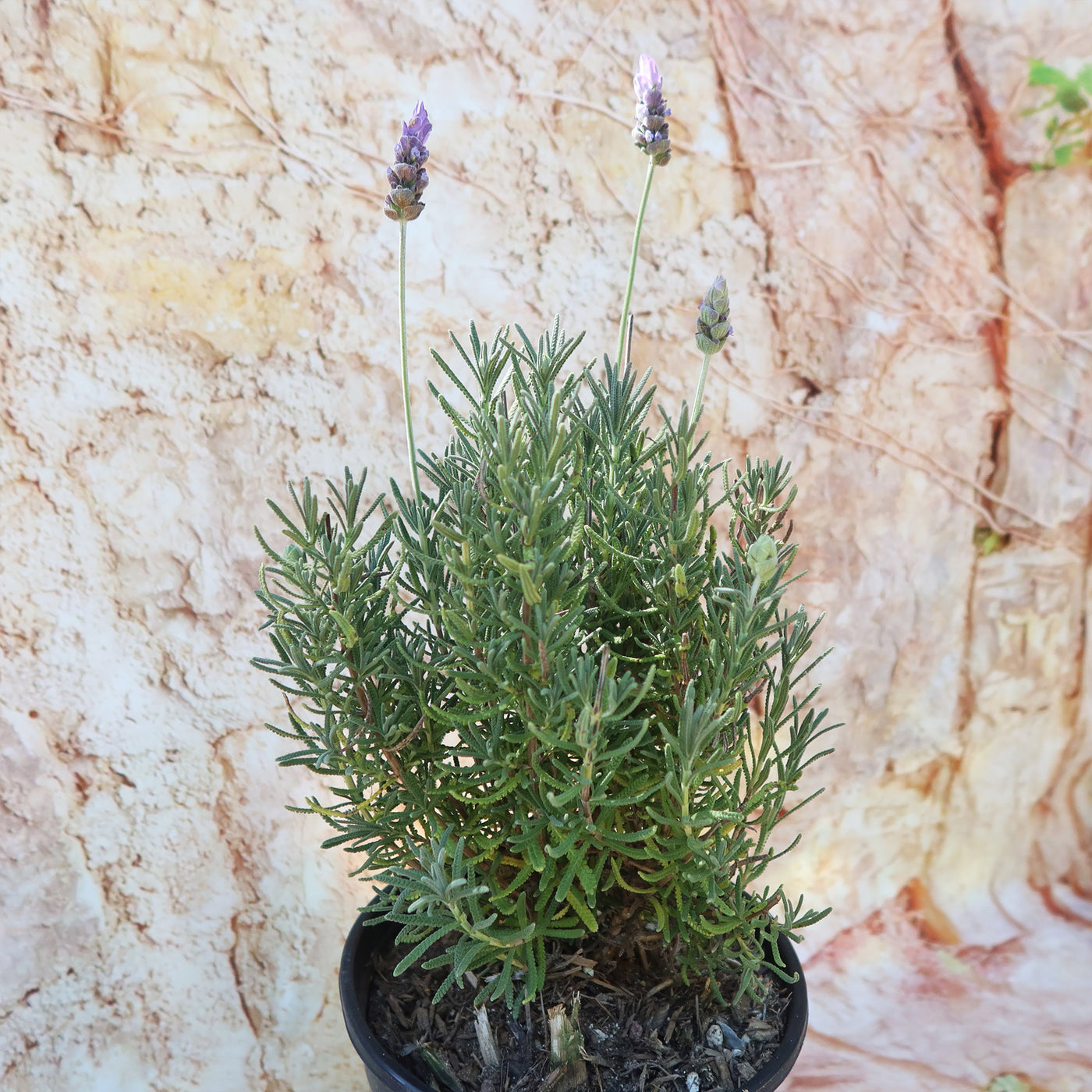
The French lavender is known as Lavandula dentata; the term 'dentata' means "toothed" and refers to the scalloped leaves. It is extremely drought-tolerant and renowned for its use as a popular essential oil, for culinary, cosmetic, and medicinal applications.
It is famous for its iconic purple blooms with a calming scent and ruffled, serrated leaves; which results in its other common names such as Toothed Lavender or Fringed Lavender.
Native to the Mediterranean climates, the Lavandula dentata was once considered a subspecies of Spanish lavender (Lavandula stoechas), but it is now recognized as a distinct species.
Check the plant tag to ensure you're purchasing Lavandula dentata, as Spanish lavender is occasionally mistaken for French lavender.
French Lavender can typically grow up to 3 feet tall and spreads 2 feet. Its compact size makes it an excellent choice for borders, containers, or hedges.
The flowers of French Lavenders are its most striking feature. In frost-free, warm climates, they bloom year-round. In areas that receive frost, it blooms from early spring to fall. They appear in mid-summer and are a vibrant purple color with a distinctive "fringed" appearance due to the toothed edges of the petals. Although it is adorned with its famous purple flowers, Lavandula dentata is not as fragrant as English lavender (Lavandula angustifolia).
Blooming Tip
Remember, it is critical to dead-head French lavender flowers throughout the summer because they bloom continuously from May to September. When pruning lavenders, make sure there is enough green on the plant so that new blooms can grow. With the spent flowers, you can make a new bouquet or let them air dry and create fragrant satchet bags to store in your dresser to scent your clothes.
How to Water French Lavender
French Lavender is an extremely drought-tolerant plant that thrives in dry conditions, making it perfect for water-conscious gardeners or those who tend to forget to water their plants from time to time. Due to its adaptability to arid environments, it requires minimal watering, and you'll rarely need to water it unless faced with extreme heat and drought.
Make sure the soil drains well to prevent root rot. Avoid overwatering, as this can lead to root rot and other problems. When watering Lavandula dentata, provide about 1-2 inches of water per week, either from rain or irrigation. Mulching around the base of the plant with gravel mulch can help retain moisture and reduce evaporation. However, avoid getting water on the leaves or crown to prevent fungal diseases.
When first planted, new Lavender plants appreciate more frequent watering to establish a strong root system. However, once established, they become highly resistant to drought and require less water. In fact, watering every 2-3 weeks is sufficient until blooms appear, indicating the plant's readiness for more frequent hydration.
As French Lavender blooms, increase watering to once a week or every 10-14 days to promote healthy growth and maximize flower production. After you pick or deadhead the flower, you can revert to the initial watering schedule. Remember, overwatering can harm your Lavender plant, so it's essential to strike the right balance and respect its love for dry conditions.
Seasonal Watering Needs
- Spring: Water every 2-3 weeks as the plant produces new growth and prepares for blooming.
- Summer: Increase watering to once a week or every 10-14 days during hot weather, especially when blooms appear.
- Autumn: Reduce watering to once every 4-6 weeks as the plant prepares for dormancy.
- Winter: Water sparingly, only once every 2-3 months, as the plant is dormant.
During periods of extreme drought, French Lavender plant may drop its leaves or become dormant to conserve water. Don't worry! With regular watering, it will recover quickly.
Light Requirements: Where to Put French Lavender
When growing French Lavender indoors, it's essential to provide it with plenty of bright light to mimic its natural Mediterranean habitat. Place your Lavender plant in a south-facing window that receives direct sunlight for at least 4-6 hours a day.
If this isn't possible, east- or west-facing windows can also work, but avoid north-facing windows as they receive too little light. Supplement with grow lights if necessary to ensure your plant receives the light it needs.
Remember, your plant French lavender Lavandula dentata prefers bright, indirect light. Avoid placing it in a spot with low light, as this can lead to weak and spindly growth. If you're growing it indoors during the winter months, consider moving it to a brighter location or using grow lights to compensate for the shorter days.
For outdoor cultivation, choose a location that receives full sun to partial shade. French Lavender plants love basking in direct sunlight for 6-8 hours a day, but they can tolerate some shade, especially in warmer climates. If you live in a hot, sunny area, consider providing some afternoon shade to prevent scorching. In cooler, cloudier climates, opt for a sunnier spot to encourage blooming.
French Lavender’s Perfect Mix: Soil & Fertilizer
The French lavender prefers well-drained alkaline soil, as excess moisture can promote root and stem rot. Avoid heavy clay or sandy soils, as they can lead to root rot or drought stress. Instead, opt for a mix specifically designed for Mediterranean plants like Lavandula dentata, which typically contains a blend of peat moss, perlite, and vermiculite. Planet Desert has specialized potting soil, opens in a new tab that includes an organic substrate with mycorrhizae to help grow a healthy root system and help your plants thrive.
In terms of fertilizer, it requires minimal or no feeding. This plant thrives on very few nutrients, whereas too many nutrients can harm the plant, resulting in leggy, yellowed foliage and fewer flowers.
If your French lavender plants aren't looking their best, nutrient deficiencies could be the cause. A balanced, water-soluble NPK fertilizer applied at half the recommended strength is sufficient. You can fertilize in the spring when new growth appears.
When choosing a fertilizer for French Lavender, look for one that is high in potassium (K) and low in nitrogen (N). Potassium promotes root growth, flower production, and overall plant health, while excessive nitrogen can lead to weak stems and fewer blooms. A balanced fertilizer with a ratio of 5-10-10 (N-P-K) is suitable for Lavender.
It also benefits from a layer of compost or well-rotted manure around the base, which provides slow-release nutrients and improves soil structure.
Hardiness Zones & More
When growing indoors, it prefers daytime temperatures between 65°F and 75°F and nighttime temperatures around 55°F. Maintain a consistent temperature, avoiding sudden drops or rises. They prefer relatively low humid climates, around 40-50%. You can achieve this by placing the pot on a tray with pebbles and water or using a humidifier.
French Lavender can tolerate some fluctuations in temperature and humidity, but extreme conditions can lead to stress and poor growth. Avoid placing your plant near heating or cooling vents, fireplaces, or drafty windows. If you live in a hot and humid climate, consider using an air conditioner or dehumidifier to maintain a suitable environment for your Lavender.
For outdoor cultivation, it thrives in USDA zones 8-11, meaning it can tolerate temperatures as low as 20°F and as high as 90°F. If you live outside these zones, consider growing French Lavender in containers that can be moved indoors during extreme weather conditions. It prefers full sun and ventilation, making it an excellent choice for gardens with good air circulation. In warmer climates, provide some afternoon shade to prevent scorching. It can tolerate some frost but may need protection during prolonged periods of extreme cold. Though this Lavender plant is typically planted in the spring, it can also be planted in the fall in areas with mild winters.
Wildlife - French Lavender Attracts the Following Friendly Pollinators
French Lavender is well-known for attracting various pollinators, including bees, butterflies, and other beneficial insects. Its fragrant, purple flower spikes produce a sweet nectar that draws these pollinators, supporting the local ecosystem and aiding in the pollination of nearby plants.
Toxicity: French Lavender is generally considered non-toxic to humans and can be used in culinary and aromatic applications. It is also safe for deer and rabbits. However, it is mildly toxic to pets, such as cats and dogs.
Propagating French Lavender: Tips & tricks
The French Lavender can be propagated through various methods, including stem cuttings, layering, division, and seed. Stem cuttings are the most popular method, where 3–4-inch stem tips are cut, removed from lower leaves, and planted in well-draining soil. Keep the soil moist and warm until roots develop. Layering involves bending a long stem to the ground, securing it with a rock, and waiting for roots to form. Division involves separating established plants in the spring or fall, making sure each section has roots and foliage. Seed propagation is less common, as it can be unpredictable, but sow seeds indoors 6-8 weeks before the last frost, and transplant outside when weather permits. Regardless of the method, Lavender propagation requires patience, as it can take several months for new plants to establish themselves.
Final Thoughts
Overall, the French Lavender (Lavandula dentata) is a stunning and versatile addition to any garden or indoor space, offering beautiful purple blooms, silvery-gray foliage, and a calming scent. With its compact size, drought tolerance, and low maintenance requirements, it's perfect for busy gardeners or those new to plant care. By providing well-draining soil, full sun to partial shade, and regular pruning, you can enjoy the beauty and benefits of Lavandula dentata with minimal fuss. Whether you're looking to attract pollinators, create a relaxing atmosphere, or simply add a touch of elegance to your garden, it is an excellent choice. Don't miss out on this opportunity to add something truly exceptional to your garden. Order your very own French lavender plants for sale today!
Shipping Notes
- Free Standard Shipping on $100+ Orders to the USA.
- Except Preorder products are shipped in 48 hours.
- Delivery to the USA:
- Standard Shipping : 3-10 business days
- If time is of the essence, please consider selecting expedited delivery for faster service.
Exchange/Return Notes
- We offer a 30-day return/exchange service after receiving.
- Final sale items are not eligible for returns or exchanges.
- To process your return/exchange, please contact us at [email protected]
- Please click here for more details>>> Return & Exchange Policy