Pay in installments of $5.75 with
 ,
,
 and
and

Shipping Estimate
USA
- USA
- CAN
- USA
- CAN
Ships within 48 hours · Estimated delivery Oct 8 - Oct 13
 Promo Codes Available:
For Your Every Summer RSVP, with Code: SUMMER15
Description
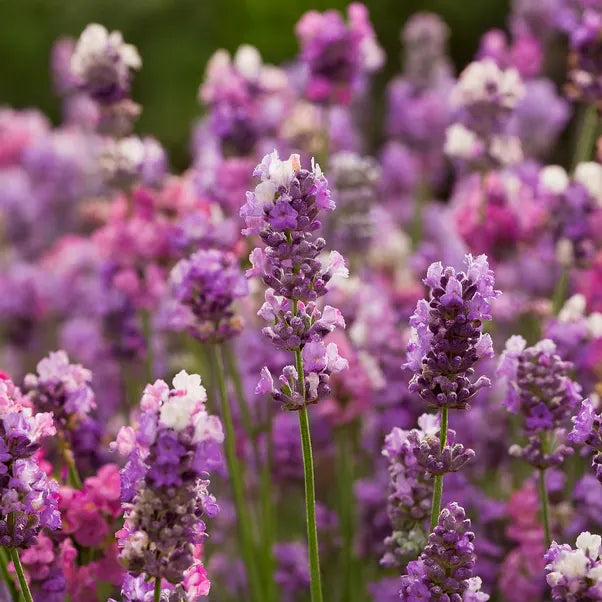
m&s lavender tree Miss Katherine Lavender Plants (Potted / P9 (9cm Pot))Variety: Miss Katherine Species: Lavandula angustifolia (English lavender) Colour: Pale purple pink, with silvery calyces that catch the light Foliage: Evergreen, aromatic, green rather than grey; more strongly scented than most Height: 4050cm (1620in) Spread: 6080cm (2432in) Flowering: July to August, roughly the same time as Hidcote Scent: Sweet and full; classic English lavender. Good for cutting and drying Hardiness: Fully hardy throughout the UK
- Variety: Miss Katherine
- Species: Lavandula angustifolia (English lavender)
- Colour: Pale purple-pink, with silvery calyces that catch the light
- Foliage: Evergreen, aromatic, green rather than grey; more strongly scented than most
- Height: 40–50cm (16–20in)
- Spread: 60–80cm (24–32in)
- Flowering: July to August, roughly the same time as Hidcote
- Scent: Sweet and full; classic English lavender. Good for cutting and drying
- Hardiness: Fully hardy throughout the UK
- RHS AGM: Yes (awarded 2002)
- Introduced: Late 1980s, raised by Norfolk Lavender, Heacham
- Sold as: Pot-grown plants (P9 & 2L available depending on season)
- Plant outdoors: From late April onwards when soil is warming. May is safer in exposed or northern gardens
- Delivered: From April/May, weather dependent. Collection from Castle Cary also available
Miss Katherine Lavender — The One the Pinks Were Waiting For
If you have looked at pink lavenders and thought they all seemed a bit thin, a bit pale, a bit apologetic, Miss Katherine is the one that changes your mind. She is the largest and boldest of the pink English lavenders, with a wide, bushy habit and flowers that are a proper pale purple-pink rather than the washed-out lilac you get from some seed-raised alternatives. The RHS trialled her alongside every other pink lavender they could find during their five-year Hardy Lavender Trial at Wisley, and she came through with the Award of Garden Merit. The other pinks did not.
The plant forms a spreading dome, broader than it is tall, with stems that spray outwards and carry the flowers well clear of the foliage. That foliage, incidentally, is green rather than the grey-green you expect from English lavenders. It gives the whole plant a fresher, less Mediterranean look, which suits cottage garden planting and mixed borders where grey foliage can sometimes feel repetitive. She clips well and makes a low informal hedge, though at 60–80cm wide she needs more room than compact varieties like Munstead.
Norfolk Lavender and the Pink Revolution
Norfolk Lavender at Heacham raised Miss Katherine in the late 1980s, the same nursery that gave us Imperial Gem, Princess Blue, and Royal Purple. For decades, Heacham was the centre of English lavender breeding; the fields ran down to the North Norfolk coast and at peak season you could smell them from the road. The nursery closed in its original form, but the varieties it produced are still among the best available. Miss Katherine's AGM was awarded in 2002, following the comprehensive RHS trial at Wisley that ran from 1996 to 2001. She was the clear winner among the pinks, beating Jean Davis (too similar to Loddon Pink) and the various unnamed seed-raised pinks that turned up in the trade looking nothing like each other.
What to Plant Alongside
Miss Katherine's pale pink works as a contrast to the deep purple of Hidcote; alternating the two along a path or low wall gives you a planting that looks deliberate without any fussing over timing, because both flower at roughly the same period. For a softer, all-pink scheme, pair her with Rosea, which has a slightly different shade and a more compact habit. Beyond lavender, she sits well with rosemary, hardy geraniums in pale blues, and old shrub roses. The green foliage, rather than grey, means she blends into a cottage border more easily than some lavenders, which always look as though they would rather be in Provence. Browse our full English lavender range or see all our lavender plants.
Why Buy from Ashridge?
Your Miss Katherine plants are grown here and sent to you when conditions are right for planting. We deliver by next-day courier, and every plant comes with our guarantee and friendly advice from real people in Somerset if you need it. We are a Which? Best Plant Supplier, which we mention because our customers keep telling us to.
Frequently Asked Questions
How does Miss Katherine compare to Rosea and Loddon Pink?
Miss Katherine is the biggest and most vigorous of the three, with a wider spread and bolder flowers. Rosea is more compact and a softer pink; Loddon Pink is tidier and more upright. All three hold the RHS AGM. If you want the most impact from a single plant, Miss Katherine wins. For a neat low hedge where the plants need to be uniform, Loddon Pink is probably the better choice.
Is Miss Katherine lavender good for cooking?
All English lavenders are good for cooking, and Miss Katherine is no exception. The scent is sweet and properly floral, with none of the camphor note you get from Dutch varieties. Use the flowers fresh or dried in biscuits, shortbread, sugar, and ice cream. Pick them just as they start to open, when the oil concentration is highest.
When is the best time to plant lavender in the UK?
Late April to June, when the soil has warmed up. Lavender roots establish much faster in warm ground. Planting into cold, wet soil in early spring is the single most common cause of losses. If in doubt, wait until May. Our lavender growing guide covers preparation and spacing in detail.
Does lavender attract bees?
Few plants do it better; Lavender flowers produce nectar over a long period and the open flower structure gives bees easy access. Miss Katherine's broad, spreading habit gives pollinators a wide landing area; on a warm July afternoon you can hear the whole plant buzzing. Plant near where you sit and you get the scent as well as the show.
Can lavender grow in clay soil?
Not well because Lavender needs sharp drainage while clay holds water around the roots, which causes rot. If clay is all you have, dig in plenty of grit and plant on a slight mound so water runs away from the crown. Better still, grow in a raised bed or a large pot where you control the compost mix. A gritty, free-draining mix with no added fertiliser is what lavender wants; it actually performs worse in rich soil.
Shipping Notes
- Free Standard Shipping on $100+ Orders to the USA.
- Except Preorder products are shipped in 48 hours.
- Delivery to the USA:
- Standard Shipping : 3-10 business days
- If time is of the essence, please consider selecting expedited delivery for faster service.
Exchange/Return Notes
- We offer a 30-day return/exchange service after receiving.
- Final sale items are not eligible for returns or exchanges.
- To process your return/exchange, please contact us at [email protected]
- Please click here for more details>>> Return & Exchange Policy