Pay in installments of $7.30 with
 ,
,
 and
and

Shipping Estimate
USA
- USA
- CAN
- USA
- CAN
Ships within 48 hours · Estimated delivery Sep 2 - Sep 7
 Promo Codes Available:
For Your Every Summer RSVP, with Code: SUMMER15
Description
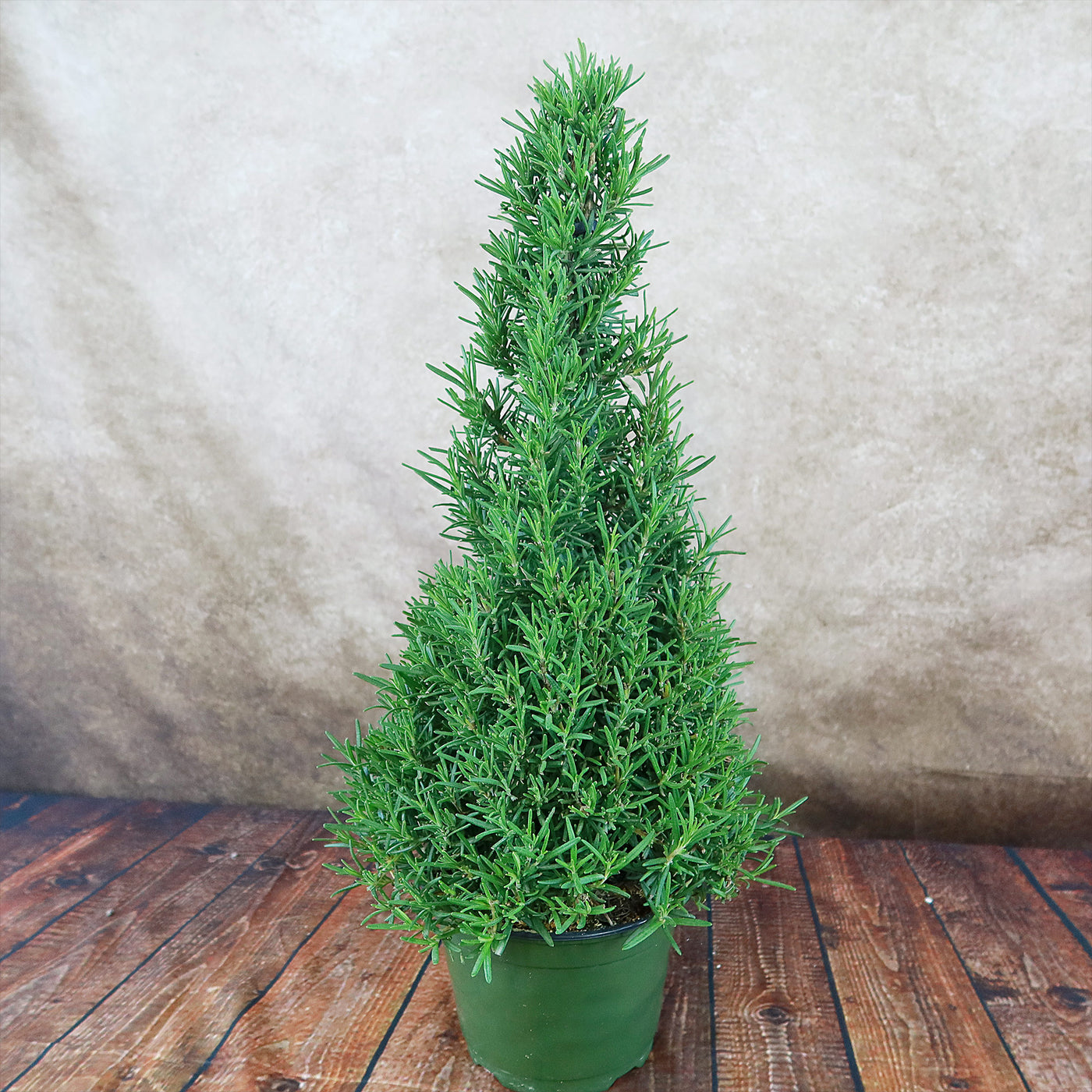
indoor plant that looks like a christmas tree Rosemary Christmas Tree ‘Salvia rosemarinus’ Testing 4" Pot / Teal / Without PotThe Rosemary Christmas Tree, known as Salvia rosemarinus, is a holiday plant and aromatic evergreen shrub that has been expertly pruned to resemble a mini Christmas tree. This unique shape has made it increasingly popular during the holiday season, where it is often used as a festive decoration or as a fragrant alternative to traditional holiday trees. Rosemary has a long standing Christmas tradition that ties it to the themes of love, remembrance,
The Rosemary Christmas Tree, known as Salvia rosemarinus, is a holiday plant and aromatic evergreen shrub that has been expertly pruned to resemble a mini Christmas tree. This unique shape has made it increasingly popular during the holiday season, where it is often used as a festive decoration or as a fragrant alternative to traditional holiday trees.
Rosemary has a long-standing Christmas tradition that ties it to the themes of love, remembrance, and protection. Historically, rosemary was thought to bring good luck and was often used in holiday decorations, such as wreaths and garlands, as a symbol of remembrance for loved ones. In Christian tradition, rosemary is also associated with the Virgin Mary, who is said to have draped her blue cloak over a rosemary bush, making it a symbol of faith and purity. The fragrant herb has thus been linked to the holiday season as both a spiritual and festive plant.
It has several other common names, such as Rosemarinus officinalis, Rosemary Tree, or Christmas Rosemary.
It gets its festive nickname from its carefully cultivated shape. The term “Christmas tree” refers to its topiary-like appearance, which is achieved through selective pruning.
As it matures, it is shaped to mimic a small conifer tree, with tiered levels of branches that resemble a classic holiday tree.
Native to the Mediterranean region, Rosemary's strong, pine-like aroma and needle-like leaves that are rich in essential oils, make it an excellent choice for adding both greenery and a pleasant scent to homes, especially around the holidays.
The plant has a bushy, dense growth habit, and its leaves are a silvery-green color, with a leathery texture that helps it retain moisture in hot, dry conditions. The tree can grow quite large if left untrimmed, but when cultivated as a holiday tree, it is kept small, typically around 4 feet in height, making it perfect for tabletop displays or small gardens. Its branches are flexible, allowing for easy shaping and trimming.
The tree’s popularity stems not only from its charming appearance but also from its versatility in cooking, its air-purifying properties, and its symbolism in holiday traditions.
The flowers on your trimmed tree are small, delicate blooms in a striking pale blue, white, purple, or lavender color. These flowers typically appear in late winter to early spring, although some cultivars may bloom sporadically throughout the year in warmer climates.
Pro Tip
Use clean scissors to snip sprigs from the outer edges of the plant, especially from areas that look overgrown or uneven. Avoid cutting too much from one spot—this helps the rosemary stay balanced and maintain its Christmas tree shape as it continues to grow.
When and How to Water Your Rosemary Christmas Tree
When it comes to Rosemary plant care, like other drought-tolerant plants, it is fairly water-resistant. However, it’s important to avoid overwatering, as rosemary is prone to root rot if its roots sit in water for too long. Water this holiday plant thoroughly when the soil feels dry about 1 to 2 inches down, but be sure the pot or ground has good drainage. Water deeply, ensuring that moisture reaches the root zone, but let the soil dry out between waterings to mimic its natural Mediterranean habitat.
From spring through early fall, during the growing season, your rosemary tree requires more frequent watering. Depending on temperature and humidity, you may need to water it every 7-10 days, or possibly more during extremely hot or dry conditions. Ensure that the soil dries out between waterings to avoid root rot. In warmer climates, rosemary can tolerate drier soil, but if you notice yellowing leaves or wilting, it’s a sign that your tree needs more water.
In the dormant season, which typically starts in late fall and continues through winter, the rosemary plant requires less water. The cooler temperatures and slower growth mean that the soil will dry out more slowly. You can water less frequently, usually once every 2 to 3 weeks, ensuring that the soil remains only slightly moist. Overwatering during dormancy can lead to root rot, as the plant is not actively growing and does not need as much moisture.
Light Requirements – Where to Place Your Rosemary Christmas Trees
When planting Rosemary indoors, it needs bright light to thrive. Place them in a sunny window that receives at least 6 to 8 hours of direct sunlight each day. If natural light is limited, consider using a grow light to supplement, especially during the winter months when daylight hours are shorter. Be mindful that rosemary plants prefer a cool environment, so a location with good air circulation and away from heat sources like radiators or vents is ideal to prevent stress.
When growing outdoors, Rosemary trimmed trees also require full sun to thrive, needing at least 6 to 8 hours of sunlight daily.
A location in the garden or patio where they get direct sunlight during the day is perfect.
In hotter climates, partial shade during the hottest part of the afternoon may help prevent the plant from becoming too stressed, but full sun is still preferable for optimal growth.
Ensure that the area has well-drained soil and that the tree is not exposed to strong winds, which can dry out the plant.
Optimal Soil & Fertilizer Needs
The holiday trees prefer well-draining soil with a slightly acidic to neutral pH around 6.0 to 7.0. A good option is a sandy or loamy soil mix that allows for proper drainage. If planting in a pot, use a high-quality cactus or succulent mix, as it mimics the dry, well-draining conditions that rosemary prefers. Make sure the pot has drainage holes to prevent water from accumulating at the base, which can lead to root rot. Planet Desert has specialized potting soil, opens in a new tab that includes an organic substrate with mycorrhizae to help with the growth of a healthy root system, to help your Rosemary plants thrive.
When it comes to fertilizing, this holiday plant does not need heavy feeding. To support healthy growth, apply a balanced, water-soluble NPK fertilizer once a year during the growing season, which is typically in the spring. A slow-release, organic fertilizer is also a great option for rosemary. Avoid over-fertilizing, as too much nitrogen can cause the plant to become leggy and weak. In the dormant season, fertilization is not necessary, and you can simply withhold feeding until spring to allow the plant to rest.
Hardiness Zones & More
When grown indoors, it thrives in Mediterranean-like climates with dry, mild winters and hot, dry summers, with an ideal temperature range of 55°F to 70°F. Keep in mind that they need at least 6 hours of sunlight per day, so consider placing them near a south-facing window. A little fluctuation in temperature is fine, but temperatures below 50°F may cause stress and harm the plant.
For outdoor cultivation, Rosemary Trees do well in USDA zones 8 to 10. It can tolerate light frost but may suffer damage if temperatures drop below 20°F.
For optimal outdoor growth, ensure the plant receives full sun for at least 6 hours daily and is planted in well-drained soil. Rosemary also appreciates moderate humidity levels, but it can tolerate dry conditions typical of desert climates. Excessively humid environments may promote fungal diseases, so ensure proper airflow around the plant.
Wildlife – Rosemary Trees Attract the Following Friendly Pollinators
Rosemary is an excellent choice for attracting pollinators. Its aromatic flowers, which bloom in the spring and early summer, are highly attractive to bees, hummingbirds, butterflies, and other beneficial insects. These pollinators help with cross-pollination, ensuring better fruit and seed production, while also supporting the local ecosystem. The small, blue, or purple flowers of the rosemary plant provide nectar and pollen that attract not only pollinators but also birds and small wildlife looking for shelter.
According to ASPCA, the Rosemary tree is generally considered non-toxic to humans and pets, including dogs, cats, or horses. It is safe when used in the garden or as an herb for cooking.
How to shape a rosemary into a Christmas tree
Shaping a Rosemary into a trimmed Tree involves selecting a healthy, upright rosemary plant and gradually training it into a conical or tree-like shape. Start by trimming the top to encourage branching and a fuller form. As the plant grows, use pruning shears to trim the sides, removing any stray branches and shaping the foliage into a pyramid-like structure. Regularly trim the lower branches to create a narrow trunk, while leaving the top and sides full of leaves. A little patience and consistent pruning will help create a festive, tree-shaped rosemary plant that is perfect for the holiday season.
Key Takeaways
- One of the most notable features of this plant is its aromatic foliage, which emits a delightful, pine-like fragrance when brushed or crushed. Beyond its pleasant scent, the needle-like leaves are prized for their culinary versatility, often used to enhance the flavor of roasted dishes, marinades, and soups. This dual-purpose functionality makes it a favorite among gardeners and chefs alike.
- The Rosemary Tree is drought-tolerant, and thrives in dry conditions once established, making it ideal for water-conscious gardens.
- It is commonly used as a holiday plant, often shaped into a small tree for seasonal decorations, especially during Christmas.
- The plant is mildly cold-hardy, surviving in USDA Zones 8-10 and tolerating light frost, but it should be protected in harsher winter climates.
- The Rosemary Christmas Tree is pollinator-friendly, attracting bees and butterflies with its small, blue to purple flowers.
The Bottom Line
Overall, the Rosemary Tree (Salvia rosemarinus) is a unique and versatile holiday plant that brings both beauty and function to your garden or holiday décor. Its fragrant, needle-like foliage adds a pleasant pine scent, making it perfect for seasonal decorations. This drought-tolerant plant thrives in well-draining soil and requires minimal watering once established, making it an ideal choice for water-conscious gardeners. It is also mildly cold-hardy, withstanding light frost in USDA Zones 8-10, though it may need protection in colder climates. With its attractive blue to purple flowers that draw pollinators like bees and butterflies, the Rosemary plant offers both aesthetic and ecological value. With proper care, including occasional pruning to maintain its tree shape, it can serve as a charming addition to your garden year-round. Order your very own Rosemary tree for sale today!
Enjoy indoors for 1-2 weeks in a bright area of your home. Best outdoors in full sun in pots or beds. Plant in light, well-drained soil. Allow soil to dry to the touch between thorough waterings. Trim to maintain shape.
* Holiday Trees will ship with pots for all sizes.
Shipping Notes
- Free Standard Shipping on $100+ Orders to the USA.
- Except Preorder products are shipped in 48 hours.
- Delivery to the USA:
- Standard Shipping : 3-10 business days
- If time is of the essence, please consider selecting expedited delivery for faster service.
Exchange/Return Notes
- We offer a 30-day return/exchange service after receiving.
- Final sale items are not eligible for returns or exchanges.
- To process your return/exchange, please contact us at [email protected]
- Please click here for more details>>> Return & Exchange Policy