Pay in installments of $5.32 with
 ,
,
 and
and

Shipping Estimate
USA
- USA
- CAN
- USA
- CAN
Ships within 48 hours · Estimated delivery Sep 15 - Sep 20
 Promo Codes Available:
For Your Every Summer RSVP, with Code: SUMMER15
Description
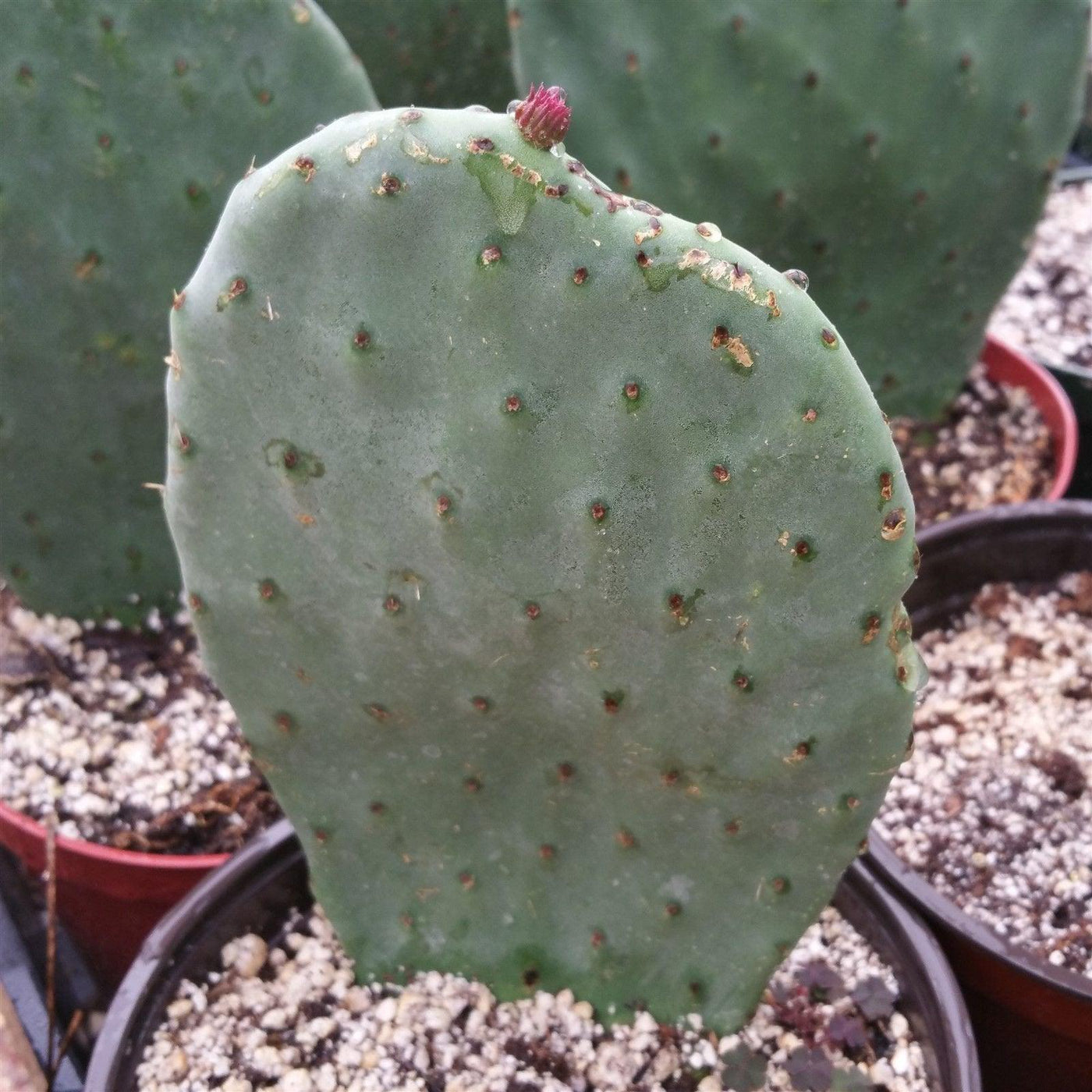
prickly pear cactus opuntia ficus indica Barbary Fig(This listing is for 1 pad with no roots) ** PLEASE NOTE PADS VARY IN SIZE ** Introducing the Barbary fig, known as Opuntia ficus indica, a vibrant member of the Opuntia prickly pear genus. The Opuntia ficus indica has several other names such as Indian fig opuntia, sweet prickly pear, smooth mountain prickly pear, cactus pear, and tuna cactus. These names reflect its origin and the presence of spines and prickles on its pads. Opuntia ficus indica is
(This listing is for 1 pad with no roots)
** PLEASE NOTE PADS VARY IN SIZE **
Introducing the Barbary fig, known as Opuntia ficus-indica, a vibrant member of the Opuntia prickly pear genus. The Opuntia ficus-indica has several other names such as Indian fig opuntia, sweet prickly pear, smooth mountain prickly pear, cactus pear, and tuna cactus. These names reflect its origin and the presence of spines and prickles on its pads.
Opuntia ficus-indica is a species of cactus native to Mexico and is now cultivated in various parts of the world for its edible fruits and ornamental value. In the United States and Mexican markets, the Opuntia fruit is commonly referred to as "tunas or tuna fruit”, and you can find it in various dishes and desserts. Interestingly, in Native American culture, it's often called the "Indian fig." Native Americans have been using this reddish-purple fruit for centuries, incorporating it into their traditional cuisine and medicine.
Opuntia ficus-indica is a large, branching tree-like plant that can grow up to 6 to 16 feet tall; with a base that becomes woody and brown, growing out in all directions.
The plant features flat, oval-shaped, bluish-green pads, known as cladodes, that are covered in spines and glochids, which are small, hair-like prickles.
This spineless cactus has pads; that are up to 2 feet wide. They have tiny, cylindrical leaves that are shed when new pads sprout, leaving the green stem for photosynthesis. Each pad has areoles and growth points for spines, flowers, and new shoots.
The flowers of Opuntia ficus-indica are vibrant and typically in shades of yellow, orange, or red. The flowers are large and often appear at the edges of the pads during spring to late summer. They have multiple petals and a prominent central stigma, attracting pollinators like bees and butterflies.
When and How to Water Your Opuntia Ficus Indica
When it comes to watering your Opuntia species, it's important to strike a balance. Overwatering can lead to root rot, while underwatering can cause the pads to shrivel and become dehydrated.
In the spring and summer, during the growing season, this Opuntia ficus-indica appreciates regular watering. Aim to water it deeply once every two to three weeks, allowing the soil to dry out between waterings. When you do water, make sure to saturate the soil thoroughly, allowing the water to reach the roots.
In the fall and winter, during the Opuntia ficus-indica dormant season, the watering frequency should be reduced. This barbary fig goes into a period of rest during this time, so it requires less water. Watering once a month or even less frequently should be sufficient. Again, always check the soil's moisture level before watering to avoid overwatering.
It's worth mentioning that the watering needs can vary depending on factors like the climate, temperature, and the specific conditions of the barbary fig's environment. Observing your Opuntia ficus-india and adjusting the watering schedule accordingly is key to maintaining its health. Remember, it's always better to underwater than to overwater. If in doubt, it's safer to err on the side of caution and water less frequently.
Light Requirements - Where to Place Your Barbary Fig
Opuntia ficus-indica barbary fig is a sun-loving cactus. It thrives in bright, direct sunlight and enjoys being exposed to several hours of sunshine each day. Placing it near a south-facing window or in a spot with ample natural light is ideal.
If you're growing your barbary fig indoors, it's important to mimic its natural sunlight conditions as best as possible. You can achieve this by placing your Opuntia ficus-indica near a window that receives plenty of sunlight throughout the day.
If direct sunlight is limited, you can supplement with artificial grow lights to provide the necessary light intensity.
If grown outdoors, the Opuntia ficus-indica can tolerate full sun exposure without any issues.
Just make sure to acclimate it gradually to direct sunlight if you're moving it from a shaded area to a sunnier spot.
This will help prevent sunburn and allow your cactus plant to adjust to the increased light levels.
If you notice signs of sunburn, such as yellowing or browning of the pads, you may need to provide some shade during the hottest part of the day.
Optimal Soil & Fertilizer Needs
Like all other prickly pear cacti, the Opuntia ficus-indica prefers well-draining soil that allows excess water to flow through easily. A mixture of sandy soil and cactus potting mix works well for your barbary fig plant. You can also add some perlite or pumice to the soil mix to improve drainage further. This helps prevent the roots from sitting in water, which can lead to root rot. Planet Desert specializes in succulents and has specialized cactus potting soil that includes an organic substrate with mycorrhizae to help with the growth of a healthy root system to help your Opuntia cactus thrive.
When it comes to fertilizer, the Opuntia ficus-indica doesn't require frequent or heavy feeding. Too much fertilizer can actually harm the Opuntia species. A general rule of thumb is to fertilize the barbary fig sparingly, only during the growing season, which is typically spring.
You can use a balanced (5-10-5), water-soluble NPK fertilizer specifically formulated for cacti. Follow the instructions and apply it to the soil once a year. Be sure to water your Opuntia ficus-indica thoroughly before applying the fertilizer to avoid any potential root burn.
Hardiness Zone & More
If you are growing your Opuntia ficus-indica indoors, it is generally comfortable in temperatures ranging from 60°F to 75°F. However, it can tolerate slightly cooler temperatures down to around 50°F and warmer temperatures up to 85°F.
Just make sure to avoid extreme temperature fluctuations, as this can stress the barbary fig. It can tolerate average indoor humidity levels, which usually range from 40% to 60%. However, your Opuntia ficus-indica can also handle lower humidity levels, as long as it receives adequate watering. Just be cautious of excessively dry conditions, as this can cause the cactus to dry out and become dehydrated.
If you are living in USDA zones 8-12, you can grow your Opuntia ficus-indica outdoors year-round; where the minimum average winter temperatures range from 20°F to 40°F. However, Opuntia fragilis can tolerate colder temperatures down to zone 4 with proper protection.
It enjoys temperatures ranging from 70°F to 90°F during the growing season. However, it can endure higher temperatures up to 100°F as long as it receives adequate water and protection from intense sunlight. It can handle low humidity levels and is adapted to thrive in dry conditions. However, it can also tolerate higher humidity levels, as long as the soil is well-drained to prevent excess moisture around the roots.
Wildlife - Barbery Fig Attracts the Following Friendly Pollinators
The Barbery Fig attracts a variety of pollinators, such as bees, butterflies, and hummingbirds. These pollinators are crucial for the plant's fruit production, ensuring the development of its famous edible prickly pears. In regions where hummingbirds are prevalent, their attraction to the bright blooms enhances cross-pollination.
According to ASPCA, the Opuntia ficus-indica is considered non-toxic to humans, cats, and, dogs. In fact, some bird species enjoy feeding on its fruits, making it a bird-friendly addition to your garden. For outdoor gardens, ensure adequate supervision to avoid any unwanted interactions with the spines.
How to Propagate Your Opuntia Ficus-indica
The Opuntia ficus-indica can be propagated through stem cuttings and seeds. The seeds can be collected from the prickly pear cactus fruits and sown in suitable soil conditions. Plant them in well-draining soil. Keep the soil moist until the seeds germinate, then gradually reduce watering as the seedlings grow.
Key Takeaways
- Barbary Fig pads are easy to propagate from cuttings. With proper care, they can root within 2-4 weeks, making them a popular choice for succulent enthusiasts and beginners alike.
- The pads (known as nopales) and fruits are edible and highly nutritious, commonly used in Mexican cuisine. They are rich in antioxidants, fiber, and vitamins, making them a functional addition to gardens focused on edible plants.
- Adapted to arid environments, the Barbary Fig thrives in dry conditions with minimal watering. It’s an excellent choice for xeriscaping and requires well-draining soil to prevent rot.
- The flowers of the Barbary Fig are a favorite among bees, butterflies, and hummingbirds, supporting pollinator populations while enhancing the biodiversity of your garden.
- This plant thrives outdoors in USDA zones 8-12. For cooler climates, it can be grown in pots and moved indoors during colder months, where it continues to adapt well to indoor environments.
The Bottom Line
Overall, the Opuntia ficus-indica (Barbary fig) is a captivating cactus that offers both ornamental beauty and delicious edible fruits. With its tall, branching structure and flat, spiny pads, the ficus-indica grows up to 16 feet tall. The vibrant and showy flowers attract pollinators and add a splash of color. Whether you're a plant enthusiast looking for a visually appealing addition to your collection or a fruit lover eager to enjoy the tasty prickly pears, Opuntia ficus-indica is a fantastic choice. Just remember to handle this drought-tolerant opuntia Ficus-indica with proper care due to its spines and glochids. So, if you're considering adding a touch of desert charm to your garden or want to explore the culinary possibilities of this cactus, Opuntia ficus-indica won't be disappointed!
Shipping Notes
- Free Standard Shipping on $100+ Orders to the USA.
- Except Preorder products are shipped in 48 hours.
- Delivery to the USA:
- Standard Shipping : 3-10 business days
- If time is of the essence, please consider selecting expedited delivery for faster service.
Exchange/Return Notes
- We offer a 30-day return/exchange service after receiving.
- Final sale items are not eligible for returns or exchanges.
- To process your return/exchange, please contact us at [email protected]
- Please click here for more details>>> Return & Exchange Policy