Pay in installments of $5.33 with
 ,
,
 and
and

Shipping Estimate
USA
- USA
- CAN
- USA
- CAN
Ships within 48 hours · Estimated delivery Oct 18 - Oct 23
 Promo Codes Available:
For Your Every Summer RSVP, with Code: SUMMER15
Description
does dracaena marginata flower Bicolor Dragon TreeThe Bicolor Dragon tree, known as Dracaena marginata Bicolor) is a vibrant and easygoing tropical plant known for its sword like foliage striped with shades of green and reddish pink, making it a popular choice for modern indoor and outdoor plantings. With its upright growth, striking color contrast, and low maintenance nature, it has become a favorite among homeowners, interior designers, and collectors looking to add tropical flair to spaces without
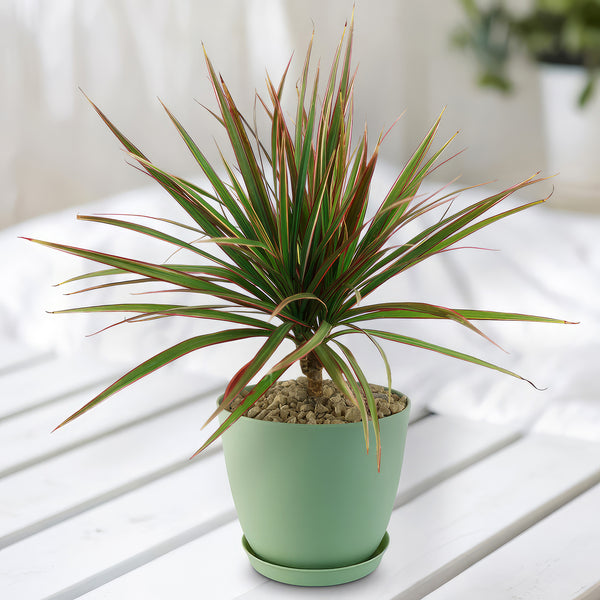
The Bicolor Dragon tree, known as Dracaena marginata ‘Bicolor’) is a vibrant and easygoing tropical plant known for its sword-like foliage striped with shades of green and reddish-pink, making it a popular choice for modern indoor and outdoor plantings. With its upright growth, striking color contrast, and low-maintenance nature, it has become a favorite among homeowners, interior designers, and collectors looking to add tropical flair to spaces without the upkeep of more delicate species.
Commonly referred to as the Bicolor Dragon Tree or Bicolor Dracaena, this cultivar belongs to the broader Dracaena marginata species, also known as the Madagascar Dragon Tree. The "Bicolor" name comes from its dramatic two-toned leaves, which display a rich green center edged with pinkish-red or burgundy margins. Its variegation is more subtle than the ‘Tricolor’ or ‘Kiwi’ varieties, but still provides vivid color and a bold vertical accent in any setting.
Native to the island of Madagascar off the southeastern coast of Africa, Dracaena marginata grows naturally in warm, semi-arid forests.
Although the ‘Bicolor’ variant is a cultivated hybrid, it retains the species’ natural tolerance for drought, variable light conditions, and poor soils, making it especially resilient and adaptable to indoor conditions around the world.
This tropical evergreen features slender, upright canes topped with dense tufts of long, narrow leaves.
The foliage of the ‘Bicolor’ is what sets it apart—long, pointed blades with clean green centers and striking red-to-pink margins that glow under bright, indirect light.
Over time, the lower leaves naturally shed, leaving behind bare stems that resemble a miniature palm or cane tree, making it ideal for vertical appeal in tight spaces.
When grown indoors, the Bicolor Dragon Tree typically reaches 4 to 6 feet tall, but with time and care, it may grow taller.
Outdoors in tropical climates or when grown in containers and moved seasonally, it can reach up to 8 feet or more.
Its slow growth rate makes it manageable and easy to shape with light pruning. While flowering is rare indoors, mature plants may occasionally produce small clusters of fragrant white flowers in optimal conditions.
When it comes to Dracaena marginata ‘Bicolor’ care, it thrives in a well-drained soil, opens in a new tab and prefers watering every 10–14 days during the growing season (spring to summer), allowing the top 1–2 inches of soil to dry out between waterings. In fall and winter, water only once every 2–3 weeks.
Indoors, it grows best in temperatures between 65°F and 80°F, with at least 6 hours of bright, indirect light daily.
Outdoors, it should be grown in USDA Zones 10–12, where it prefers partial shade or filtered sunlight to prevent leaf scorch.
Fertilize once a year during spring using a balanced liquid NPK fertilizer diluted to half strength.
Occasional pruning of yellowing or lower leaves helps maintain its clean form, and taller plants can be cut back to encourage bushier growth.
What makes the ‘Bicolor’ cultivar unique is its perfect balance of visual interest and resilience. Unlike many colorful houseplants that require precise humidity or specialized light, this Dragon Tree variant is remarkably forgiving. Its ability to tolerate missed waterings, low humidity, and low light makes it ideal for beginners, busy plant owners, or even office environments. Additionally, it's known for its air-purifying properties, helping reduce pollutants like formaldehyde and benzene in the indoor air.
Final Thoughts
Overall, the Bicolor Dragon Tree offers a compelling combination of bold color, architectural form, and worry-free care. Whether you're styling a minimalist room, refreshing your patio container garden, or just looking for a tough plant that looks good year-round, Dracaena marginata ‘Bicolor’ delivers. Its colorful edges and upright form add a tropical touch to any space while demanding very little in return.
Shipping Notes
- Free Standard Shipping on $100+ Orders to the USA.
- Except Preorder products are shipped in 48 hours.
- Delivery to the USA:
- Standard Shipping : 3-10 business days
- If time is of the essence, please consider selecting expedited delivery for faster service.
Exchange/Return Notes
- We offer a 30-day return/exchange service after receiving.
- Final sale items are not eligible for returns or exchanges.
- To process your return/exchange, please contact us at [email protected]
- Please click here for more details>>> Return & Exchange Policy