Pay in installments of $6.83 with
 ,
,
 and
and

Shipping Estimate
USA
- USA
- CAN
- USA
- CAN
Ships within 48 hours · Estimated delivery Sep 11 - Sep 16
 Promo Codes Available:
For Your Every Summer RSVP, with Code: SUMMER15
Description
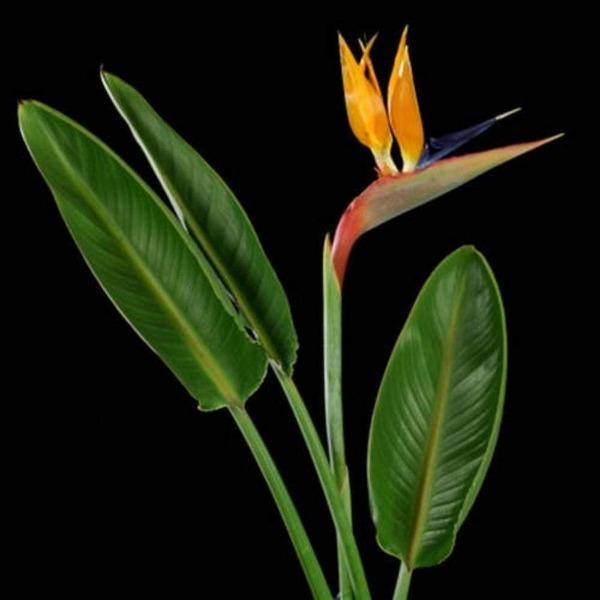
can a snake eat a bird of paradise plant Orange Bird of ParadiseIconic Orange and Blue Bird Blooms The Orange Bird of Paradise plant is one of the most recognizable tropicals in the world. Its striking orange and cobalt blue flowers emerge from boat shaped, green bracts, resembling an exotic bird in flight perched above a fan of broad, paddle shaped leaves. Even when it isnt in bloom, Strelitzia reginae brings instant tropical drama with its bold clumps of upright foliage. In warm climates, its a landscape staple;
Iconic Orange-and-Blue “Bird” Blooms
The Orange Bird of Paradise plant is one of the most recognizable tropicals in the world. Its striking orange and cobalt-blue flowers emerge from boat-shaped, green bracts, resembling an exotic bird in flight perched above a fan of broad, paddle-shaped leaves. Even when it isn’t in bloom, Strelitzia reginae brings instant tropical drama with its bold clumps of upright foliage. In warm climates, it’s a landscape staple; in cooler zones, it shines as a long-lived container plant or large, architectural houseplant that turns any space into a resort-worthy retreat.
Clumping, Upright, and Architectural
Orange Bird of Paradise grows from a rhizomatous root system, forming dense clumps of thick stems topped with long, leathery leaves. In the landscape, mature clumps typically reach 3–5 feet in height and 3–4 feet in width, slowly expanding over time. In containers indoors, you can expect 3–6 feet in height with good light and care, making it an ideal “indoor tree” scale plant for living rooms, sunrooms, or bright offices. The growth is moderate and steady rather than fast, so it fills its space confidently without becoming unmanageable overnight.
Bright Light, Warmth, and Moist but Well-Drained Soil
To truly thrive and bloom, Strelitzia reginae requires ample light. Outdoors, it performs best in full sun to light shade; indoors, it prefers bright indirect light to several hours of direct sun, especially from a south- or west-facing window that it’s been gradually acclimated to. Plant it in a rich, well-draining potting mix—think high-quality indoor or outdoor container mix amended with perlite or bark—so water moves through freely and roots never sit in a soggy, airless medium.
Watering should keep the soil evenly moist but not waterlogged. Allow the top inch or so of the mix to dry before watering again, then water thoroughly until excess drains from the pot. During spring and summer, this typically means watering about once a week indoors, slightly more often in hot outdoor containers, and less frequently in winter when growth slows. Orange Bird of Paradise loves warmth (ideally 65–80°F) and appreciates moderate humidity; if leaf edges crisp in dry indoor air, occasional misting, a pebble tray, or grouping with other plants will help. Protect it from frost and cold drafts—plants in cooler zones should be brought inside before nighttime temperatures drop below the mid-50s.
Statement Plant for Patios, Poolsides, and Great Rooms
In the landscape, Orange Bird of Paradise is a natural focal point along pool sides, in entry gardens, and as a bold accent in tropical or Mediterranean-style beds. It pairs beautifully with palms, hibiscus, and other sun-loving tropical plants, as well as with grasses and succulents for a modern, tropical-inspired mix. In colder climates, use it in large containers on decks and patios all summer, then bring it indoors for the winter. As a houseplant, it’s a stunning statement next to picture windows, in sunrooms, or in double-height spaces where its tall stems and big leaves can really shine.
Do note that Bird of Paradise is considered toxic if ingested, with the fruit and seeds being of most concern, so it’s best to keep it out of reach of chewing pets and small children. With smart placement and the right light, you’ll enjoy years of lush foliage and, in time, those unforgettable orange-and-blue blooms.
Shipping Notes
- Free Standard Shipping on $100+ Orders to the USA.
- Except Preorder products are shipped in 48 hours.
- Delivery to the USA:
- Standard Shipping : 3-10 business days
- If time is of the essence, please consider selecting expedited delivery for faster service.
Exchange/Return Notes
- We offer a 30-day return/exchange service after receiving.
- Final sale items are not eligible for returns or exchanges.
- To process your return/exchange, please contact us at [email protected]
- Please click here for more details>>> Return & Exchange Policy