Pay in installments of $7.05 with
 ,
,
 and
and

Shipping Estimate
USA
- USA
- CAN
- USA
- CAN
Ships within 48 hours · Estimated delivery Sep 8 - Sep 13
 Promo Codes Available:
For Your Every Summer RSVP, with Code: SUMMER15
Description
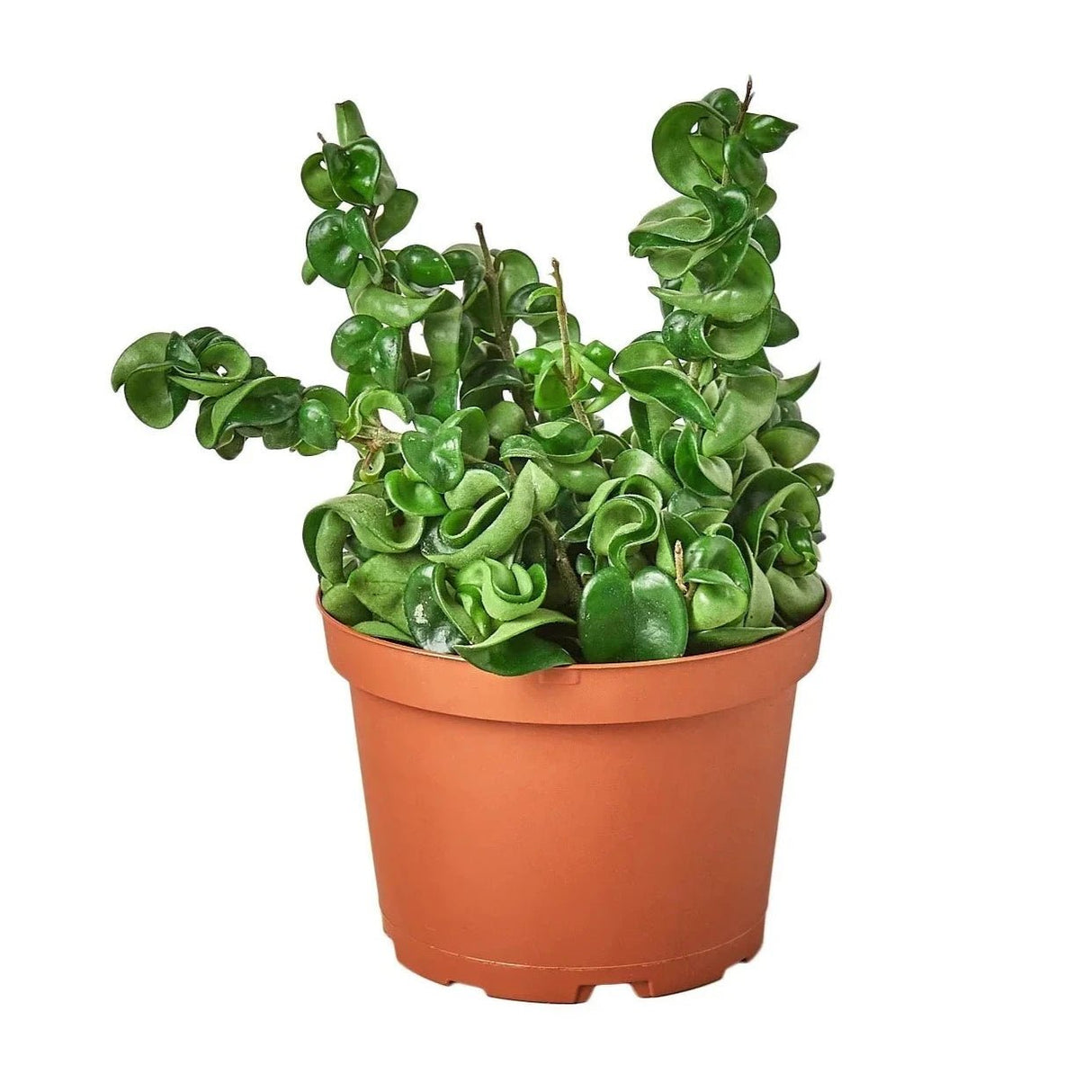
rope succulent plant Hoya Rope Plant - Hindu Rope PlantHoya Hindu Rope A Unique and Low Maintenance Beauty Botanical Name: Hoya carnosa compacta Common Names: Hindu Rope, Porcelain Flower, Wax Plant, Honey Plant, Krinkle Curl The Hoya Hindu Rope is a stunning and unusual houseplant that will make a striking addition to any indoor plant collection. Known for its thick, twisted, curly leaves, this trailing succulent vine is as unique as it is beautiful. Its compact, draping foliage earns it the nickname
Hoya Hindu Rope – A Unique and Low-Maintenance Beauty
Botanical Name: Hoya carnosa compacta
Common Names: Hindu Rope, Porcelain Flower, Wax Plant, Honey Plant, Krinkle Curl
The Hoya Hindu Rope is a stunning and unusual houseplant that will make a striking addition to any indoor plant collection. Known for its thick, twisted, curly leaves, this trailing succulent vine is as unique as it is beautiful. Its compact, draping foliage earns it the nickname "Krinkle Kurl," while its star-shaped, waxy flowers add a touch of elegance when in bloom. Available in solid green or variegated varieties, the Hindu Rope is a plant with character and charm.
Features and Benefits
- Unique Foliage: The Hoya Hindu Rope is distinguished by its thick, curly, and twisted leaves, creating an eye-catching and sculptural look. The dense foliage cascades beautifully when grown in hanging baskets or trained on a trellis.
- Exquisite Flowers: Clusters of star-shaped, waxy flowers with a porcelain-like finish bloom sporadically, emitting a sweet, honey-like fragrance that fills the room.
- Variety Options: This plant is available in classic solid green or variegated forms, providing options to suit your aesthetic preferences.
- Low-Maintenance: Perfect for beginners and busy plant parents, the Hindu Rope requires minimal care and thrives in a variety of conditions.
- Space-Saving: With its trailing vines, this plant is perfect for hanging planters or high shelves, adding vertical interest to your indoor garden.
- Air-Purifying: Like other Hoya species, the Hindu Rope contributes to improved indoor air quality by filtering toxins.
Why Choose the Hoya Hindu Rope?
- Versatility: Its unique shape and cascading growth make it a versatile choice for both modern and traditional home décor.
- Durability: This hardy plant is drought-tolerant and thrives with little attention, making it an excellent choice for plant enthusiasts of all skill levels.
- Aesthetic Appeal: The combination of its quirky foliage and delicate flowers makes it a conversation starter in any space.
Care Instructions
Light Requirements:
The Hindu Rope thrives in bright, indirect light. While it can tolerate lower light conditions, it will bloom more frequently in brighter settings. Avoid direct sunlight, which can scorch its leaves.
Watering:
Allow the soil to dry out completely between waterings. Overwatering can lead to root rot, so it's essential to use a pot with proper drainage. During winter, reduce watering frequency as the plant enters dormancy.
Humidity:
This plant prefers moderate humidity but adapts well to typical indoor conditions. To encourage blooming, consider increasing humidity with occasional misting or by using a humidifier.
Temperature:
Ideal temperatures range between 60–85°F (16–29°C). Keep it away from cold drafts or extreme heat.
Soil:
Plant the Hindu Rope in a well-draining potting mix, such as one designed for succulents or cacti. Adding perlite or orchid bark can improve aeration.
Fertilizer:
Feed with a balanced, water-soluble fertilizer every 4-6 weeks during the growing season (spring and summer). No fertilizer is needed during fall and winter.
Pruning:
Prune sparingly to maintain the plant’s shape. Do not cut off the long, spindly stems (peduncles) as they are where new flowers grow.
Tips for Success
- Patience with Blooming: The Hindu Rope can take a few years to bloom but rewards you with stunning flowers and a sweet fragrance.
- Rot Prevention: Ensure the plant’s roots are not sitting in water by using a pot with drainage holes and avoiding overwatering.
Bring Home the Hoya Hindu Rope
With its quirky, curling leaves and delicate blooms, the Hoya Hindu Rope is more than a houseplant – it’s a living piece of art. Whether displayed in a hanging planter or cascading from a high shelf, this unique plant will elevate your indoor greenery and bring lasting joy with minimal effort.
Add a touch of charm and character to your home with the Hoya Hindu Rope – a plant that’s as beautiful as it is easy to care for!
Shipping Notes
- Free Standard Shipping on $100+ Orders to the USA.
- Except Preorder products are shipped in 48 hours.
- Delivery to the USA:
- Standard Shipping : 3-10 business days
- If time is of the essence, please consider selecting expedited delivery for faster service.
Exchange/Return Notes
- We offer a 30-day return/exchange service after receiving.
- Final sale items are not eligible for returns or exchanges.
- To process your return/exchange, please contact us at [email protected]
- Please click here for more details>>> Return & Exchange Policy