Pay in installments of $5.71 with
 ,
,
 and
and

Shipping Estimate
USA
- USA
- CAN
- USA
- CAN
Ships within 48 hours · Estimated delivery Sep 9 - Sep 14
 Promo Codes Available:
For Your Every Summer RSVP, with Code: SUMMER15
Description
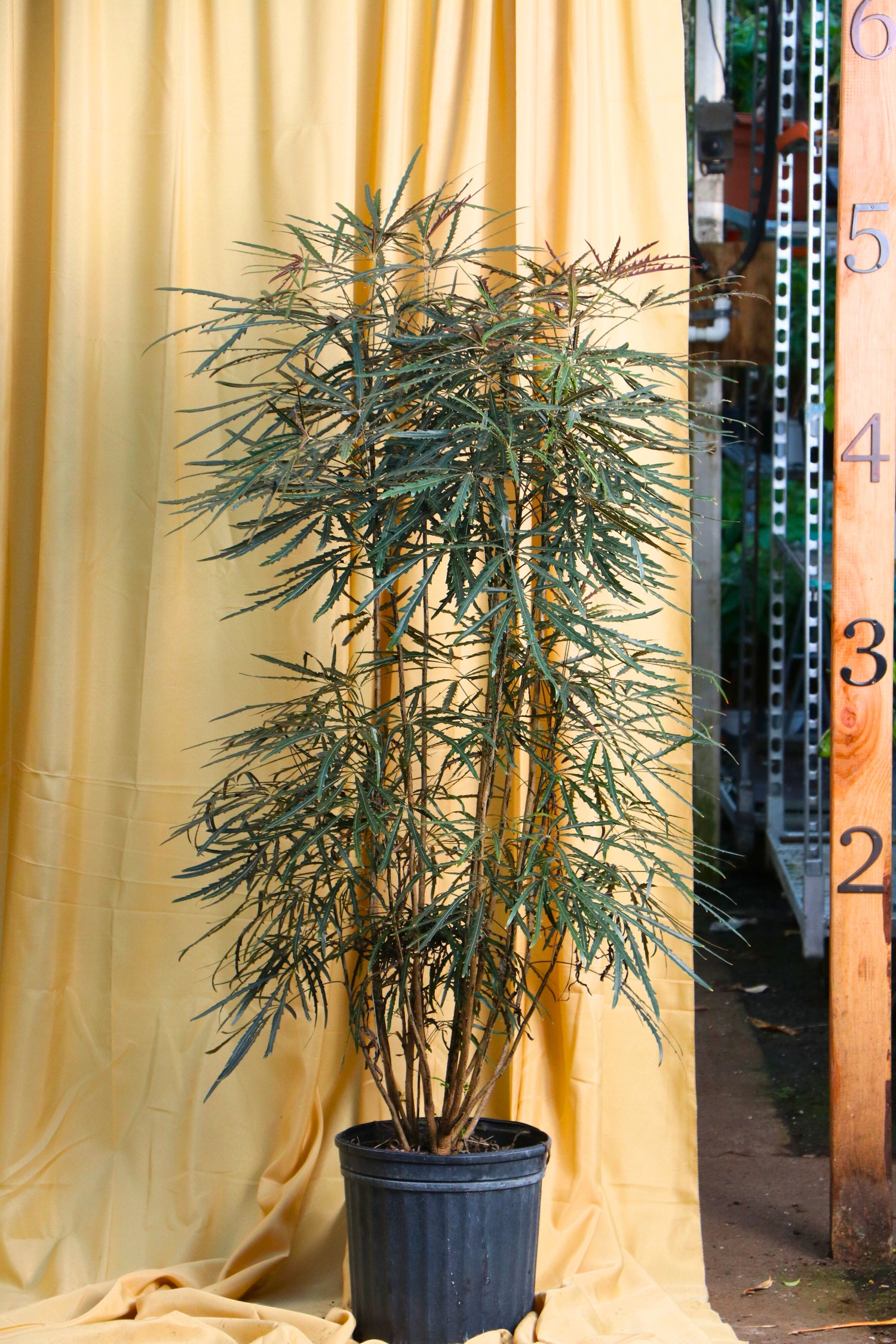
false house plants Full Size False AraliaBring more of that natural drama to your living space with the elegant False Aralia. Youre going to love how the delicate, serrated leaflets develop from a gorgeous coppery brown to a rich, deep green as they mature. Native to New Caledonia in the South Pacific, the False Aralia (botanically known as Plerandra elegantissima) is like bringing a piece of tropical paradise into your home. We can't wait to help you welcome this special plant into your
Bring more of that natural drama to your living space with the elegant False Aralia. You’re going to love how the delicate, serrated leaflets develop from a gorgeous coppery-brown to a rich, deep green as they mature.
Native to New Caledonia in the South Pacific, the False Aralia (botanically known as Plerandra elegantissima) is like bringing a piece of tropical paradise into your home. We can't wait to help you welcome this special plant into your family and be there every step of your plant parenthood journey!
Care
Should you mist a False Aralia?
Your False Aralia absolutely loves humidity—it's like giving your plant a refreshing drink of air! Regular misting helps prevent those sad brown leaf edges while creating the tropical feeling that makes your plant happiest and healthiest in your home.
For even better results, we love setting up a pebble tray with water or using a small humidifier nearby. These simple steps make such a difference in keeping your plant friend lush and vibrant! Plus, good humidity helps keep pesky spider mites away—a win-win for everyone.
What lighting does a False Aralia need?
False Aralia plants thrive in bright, indirect light that mimics their natural forest home. While they'll manage in lower light, they really shine when placed near a window with gentle filtered sunlight where their beautiful foliage can truly glow.
Just be careful with direct sun—it can be a bit harsh on those beautiful leaves! We've found that morning light or a spot behind sheer curtains works wonderfully. Get the lighting right, and you'll be rewarded with that stunning contrast between new and mature leaves that we absolutely adore.
How often do you water a False Aralia?
Water your False Aralia thoroughly when the top inch of soil feels dry to your touch. Think of it as a balanced relationship—your plant needs a good drink but doesn't want soggy feet! This approach helps build strong, healthy roots.
You'll notice your plant gets a bit thirstier during spring and summer growth spurts and needs less water during fall and winter rest periods. We're always here to help you figure out the perfect watering schedule—just reach out if your plant isn't looking its happiest!
Do you need to fertilize a False Aralia?
Your False Aralia loves a good meal during the growing season! Give it a gentle feeding with diluted, balanced liquid fertilizer every 2-4 weeks throughout spring and summer to support those gorgeous feathery leaves and overall plant happiness.
Come fall and winter, your plant naturally slows down, so you can cut back to monthly feeding or even less. We always recommend using half-strength solutions - serve a nourishing home-cooked meal rather than overwhelming your plant with too many nutrients at once.
Do False Aralia like to be root-bound?
False Aralia plants really appreciate room to stretch out their roots! When you notice roots circling inside the pot or peeking through drainage holes, your plant is asking for a slightly bigger home to continue thriving.
We recommend repotting every two years, gently loosening the root ball and trimming any damaged roots with clean scissors. It's like giving your plant a fresh start in a new, comfortable home—one of the most caring things you can do for your False Aralia!
What type of fertilizer is best for a False Aralia?
A balanced liquid houseplant fertilizer with an N-P-K ratio around 3-1-2 will give your False Aralia exactly what it needs for those beautiful leaves and strong roots. We always dilute to half-strength—gentle nutrition keeps your plant happiest!
We've also had wonderful results with organic options like worm castings if you prefer a more natural approach. Remember to give your plant a feeding break during winter when it's taking it easy, then resume as those first spring growth spurts appear. Your plant will thank you with beautiful new growth!
What are the signs of overwatering a False Aralia?
If your False Aralia starts showing yellowing leaves (especially lower ones), unexpected leaf drop, or wilting despite moist soil, it's telling you it's getting too much water. These signs help you catch problems early before they become serious health issues.
Soft stems or moldy soil are clear signs your plant needs help right away! We recommend pausing watering to let things dry out, or repotting in fresh, well-draining soil for serious cases.
What temperature is best for the False Aralia?
Your False Aralia feels most comfortable in temperatures between 59-75°F (15-24°C), just like we do! This cozy range helps your plant put energy into growing those beautiful feathery leaves that make it such a special addition to your space.
Just be mindful that temperatures below 55-59°F (13-15°C) can cause leaf drop, and drafts from windows or vents can make your plant unhappy. Finding that perfect, stable spot away from temperature swings is one of the kindest things you can do for your False Aralia!
Is the False Aralia easy to care for?
The False Aralia appreciates your thoughtful attention to humidity, watering, and stability. While not ideal for plant beginners, this special plant truly rewards your dedicated care with stunning feathery foliage that we absolutely love helping our customers enjoy.
This plant especially likes finding its perfect forever spot in your home, as moving can cause some temporary leaf drop. But don't worry! Once settled in a spot with bright indirect light and good humidity, your False Aralia will thrive under your loving care.
Pet-friendly?
False Aralia contains compounds that can be harmful if ingested by pets, so we always recommend keeping these beautiful plants where curious little paws can't reach them. We want your plants and family members to stay safe and happy!
Is the False Aralia safe for dogs?
We love our furry friends, so we need to mention that False Aralia plants are toxic to dogs and can cause tummy troubles if chewed. Place your plant in elevated spots or rooms where your canine companions can't reach them.
Is the False Aralia poisonous to cats?
If you're wondering about False Aralia cats safety, we understand your concern! This plant is toxic to our feline friends and may cause digestive upset if nibbled on. Since cats are amazing climbers, finding safe placement takes extra thought.
Factoids
Where is the False Aralia native to?
The False Aralia comes to us from the beautiful tropical islands of New Caledonia in the South Pacific, where it enjoys warmth and humidity year-round. Understanding its native home helps us recreate those perfect growing conditions in our own spaces!
We love how this plant brings a touch of those exotic South Pacific islands right into your living room—like having a permanent tropical vacation spot in your own home!
Does the False Aralia bloom?
False Aralia plants rarely flower indoors, though they occasionally surprise us with small, modest green blooms when they're especially happy. If pollinated, these can develop into small black berries—a special treat that adds another dimension to this already wonderful plant!
While we primarily cherish this plant for its stunning foliage, those rare flowering moments are like little celebration gifts from a thriving plant. Even without blooms, the False Aralia's beautiful leaves make it a star in any plant collection!
How tall does the False Aralia grow?
In your home, a False Aralia typically reaches a lovely height of 3-6 feet (1-2 meters), creating that perfect vertical statement that makes your ceiling feel higher! With enough space, they can grow up to 13 feet ( 4 meters).
We absolutely love how these plants can transform a room with their dramatic presence and height. There's something so special about watching your False Aralia grow taller over the years—like measuring a child's growth on a doorframe!
How fast does the False Aralia grow?
The False Aralia grows at a gentle pace, taking 10-20 years to reach its full height. This gives you plenty of time to enjoy each stage of its development and build a real relationship with your plant as it matures.
Buy a False Aralia
Ready to welcome a False Aralia into your home? We're so excited to help you on this plant journey! Our carefully selected plants are personally introduced to you via video call and delivered safely by our own team, ensuring you'll love exactly what arrives at your door.
We believe in building real relationships with both our plants and our customers. When you bring home a Dahing plant, you're not just getting a beautiful addition to your space—you're joining our plant-loving family with ongoing support whenever you need it!
Shipping Notes
- Free Standard Shipping on $100+ Orders to the USA.
- Except Preorder products are shipped in 48 hours.
- Delivery to the USA:
- Standard Shipping : 3-10 business days
- If time is of the essence, please consider selecting expedited delivery for faster service.
Exchange/Return Notes
- We offer a 30-day return/exchange service after receiving.
- Final sale items are not eligible for returns or exchanges.
- To process your return/exchange, please contact us at [email protected]
- Please click here for more details>>> Return & Exchange Policy