Pay in installments of $5.18 with
 ,
,
 and
and

Shipping Estimate
USA
- USA
- CAN
- USA
- CAN
Ships within 48 hours · Estimated delivery Sep 7 - Sep 12
 Promo Codes Available:
For Your Every Summer RSVP, with Code: SUMMER15
Description
ponytail palm succulent plant Beaucarnea recurvataBeaucarnea recurvata Beaucarnea recurvata, known as Ponytail Palm or Elephants Foot, is a slow growing plant with a swollen water storing base and a crown of long, narrow green leaves. The leaves curve back from the top of the trunk, which is where the common name Ponytail Palm comes from. It belongs to Asparagaceae. The thick base, or caudex, stores water and shapes the way this plant should be watered. It prefers a thorough soak followed by a clear
Beaucarnea recurvata
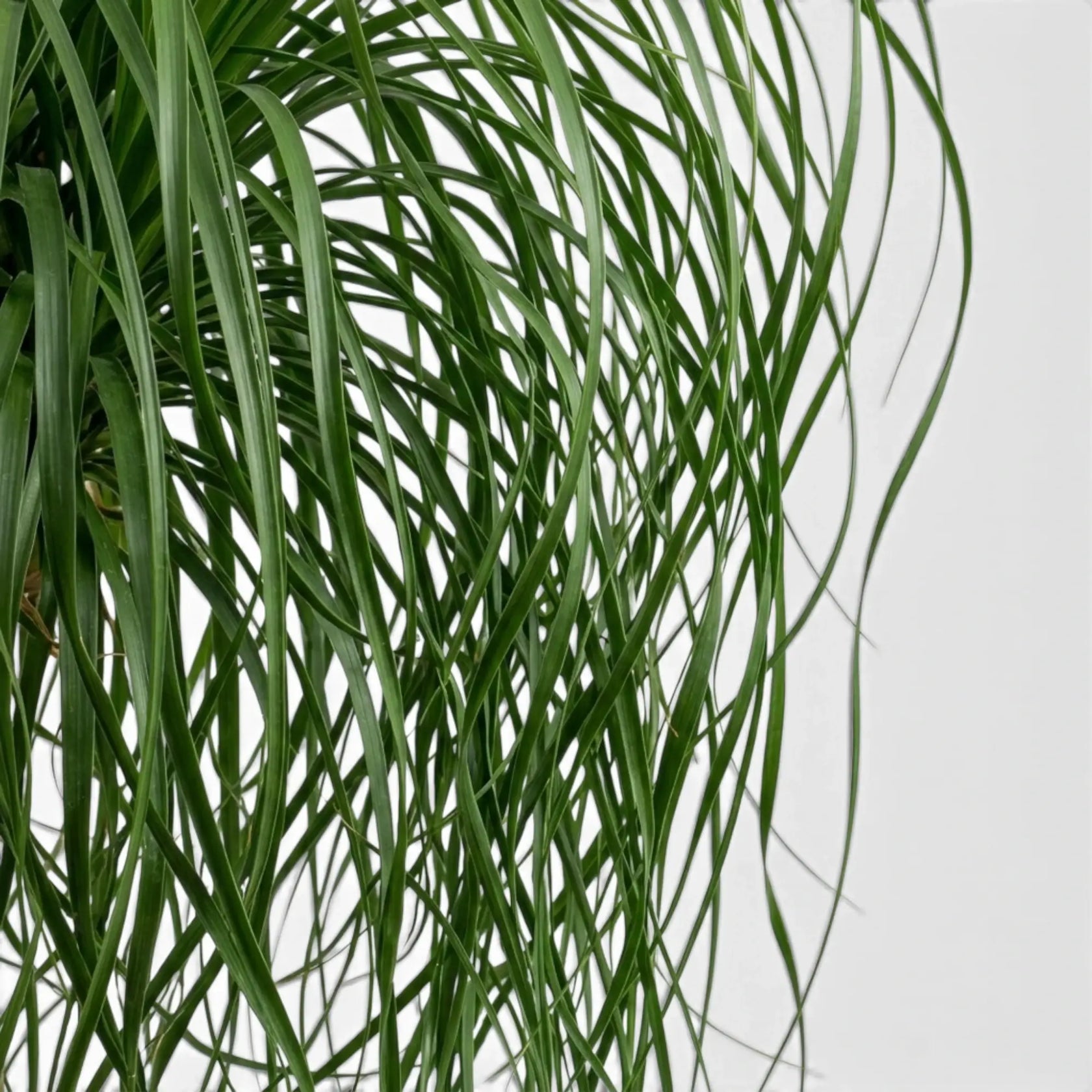
Beaucarnea recurvata, known as Ponytail Palm or Elephant’s Foot, is a slow-growing plant with a swollen water-storing base and a crown of long, narrow green leaves. The leaves curve back from the top of the trunk, which is where the common name Ponytail Palm comes from. It belongs to Asparagaceae.
The thick base, or caudex, stores water and shapes the way this plant should be watered. It prefers a thorough soak followed by a clear drying period. Young plants usually have one rounded base and one crown, while older plants can branch and develop a more tree-like outline over time.
Caudex and recurved crown
- Swollen water-storing caudex
- Long, narrow leaves that curve back from the crown
- Slow container growth
- Native to dry regions of Mexico
- Considered non-toxic to cats, dogs and horses
Mexican dryland origin and slow growth
Beaucarnea recurvata belongs to Asparagaceae and is native to Mexico, including dry shrubland and semi-desert regions. In the wild, plants can grow into large caudex trees over long periods. In containers, they stay much smaller and grow slowly.
Mature plants may produce creamy white flowers, but this is mainly seen on older outdoor or greenhouse-grown specimens. Indoors, the swollen base, trunk and leaf crown are the parts you will notice most. Wild populations are critically endangered; nursery-propagated plants avoid pressure on wild plants.
Indoor Ponytail Palm care
- Light: Give bright light with some direct sun where possible. Rotate the pot occasionally so the crown grows evenly.
- Watering: Water thoroughly, then let the substrate dry well before watering again. The caudex stores water, so constant moisture around the roots causes trouble.
- Substrate: Use a sharply draining cactus or succulent mix with mineral material. The root zone should dry evenly after watering.
- Pot choice: Choose a stable pot with drainage holes. A slightly snug pot reduces excess wet substrate around the roots.
- Temperature: Keep warm and frost-free. Protect from cold glass, cold floors and winter draughts.
- Humidity: Average to dry indoor air suits this plant. Warmth, light and drainage matter more than high humidity.
- Feeding: Feed lightly during active growth. Slow growth means heavy fertilising adds little benefit.
- Repotting: Repot only when the roots have filled the pot or the substrate has degraded. Keep the caudex visible above the substrate line.
- Leaf care: Remove fully dry lower leaves by hand or with clean scissors. Brown tips can be trimmed along the natural leaf shape.
- Outdoor summer placement: Move outdoors only after gradual acclimation to stronger light and cooler nights. Bring indoors before autumn temperatures drop.
Caudex, leaf and root checks
- Soft or dark caudex: Usually caused by prolonged wet substrate, cold exposure or root damage. Check the roots and reset the plant into a drier, mineral-rich mix if needed.
- Brown leaf tips: Can come from irregular watering, physical damage, salts in the substrate or very dry heat. Check watering depth and flush the mix occasionally during active growth.
- Pale, stretched crown: Indicates insufficient light. Move gradually to a brighter position.
- Wrinkled base: A slight change can happen during dry periods. If the roots are healthy, deep watering after the mix has dried should restore firmness.
- Mealybugs, scale or spider mites: Inspect the crown and the leaf bases, where pests can hide.
Long-term shape
Beaucarnea recurvata thickens its caudex slowly over many years. The crown renews from the centre, while older lower leaves dry naturally. Bright light, warmth and fast drainage help the base stay firm and the crown grow more compactly.
Large cuts to the trunk or crown change the plant’s future shape. Routine care is usually limited to removing dry leaves, cleaning dust from the leaves and adjusting watering to light and season.
Pet safety and placement
Beaucarnea recurvata is considered non-toxic to dogs, cats and horses. The long leaves can still be damaged if pets play with or nibble them. Mature plants can become heavy, so place larger pots securely.
Name and older synonyms
The genus name Beaucarnea is linked to Jean-Baptiste Beaucarne. The species name recurvata means curved backwards, referring to the leaves. Older names seen in literature include Nolina recurvata and Dasylirion recurvatum.
Shipping Notes
- Free Standard Shipping on $100+ Orders to the USA.
- Except Preorder products are shipped in 48 hours.
- Delivery to the USA:
- Standard Shipping : 3-10 business days
- If time is of the essence, please consider selecting expedited delivery for faster service.
Exchange/Return Notes
- We offer a 30-day return/exchange service after receiving.
- Final sale items are not eligible for returns or exchanges.
- To process your return/exchange, please contact us at [email protected]
- Please click here for more details>>> Return & Exchange Policy