Pay in installments of $6.82 with
 ,
,
 and
and

Shipping Estimate
USA
- USA
- CAN
- USA
- CAN
Ships within 48 hours · Estimated delivery Sep 6 - Sep 11
 Promo Codes Available:
For Your Every Summer RSVP, with Code: SUMMER15
Description
aglaonema commutatum uses Aglaonema commutatum – Classic Chinese EvergreenAglaonema commutatum Aglaonema commutatum is an accepted Aglaonema species from Central Malesia, with narrow, firm leaves marked by pale bars along the side veins. The leaves are oblong to lance shaped, and young plants hold them on upright stems. Older stems can lengthen and lean over time, so mature plants may sit wider in the pot than young stock. The pale bars stay tied to the side vein structure while the stem gradually extends as the plant
Aglaonema commutatum
Aglaonema commutatum is an accepted Aglaonema species from Central Malesia, with narrow, firm leaves marked by pale bars along the side veins. The leaves are oblong to lance-shaped, and young plants hold them on upright stems.
Older stems can lengthen and lean over time, so mature plants may sit wider in the pot than young stock. The pale bars stay tied to the side-vein structure while the stem gradually extends as the plant develops.
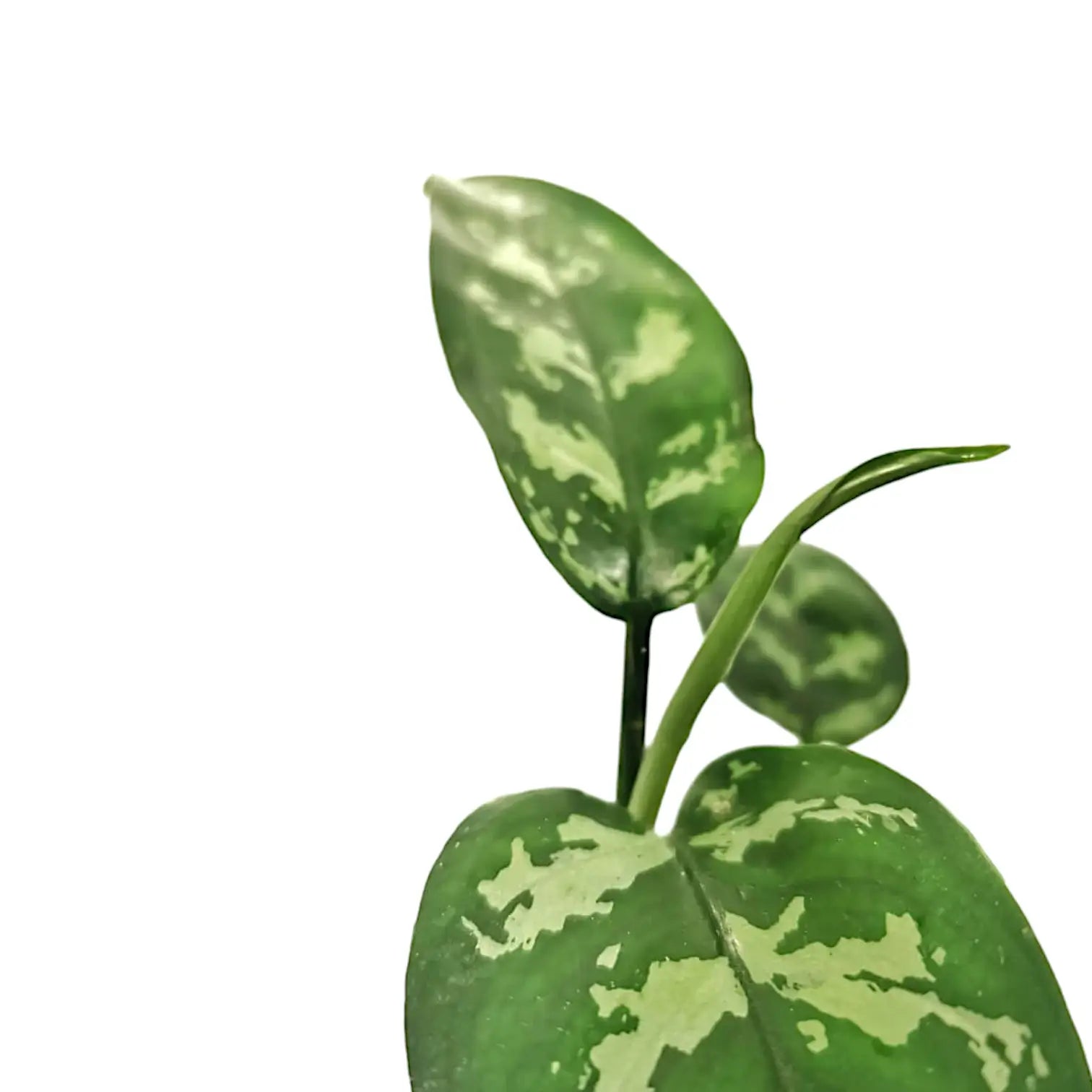
Aglaonema commutatum with barred leaves
- Central Malesia: A wet-tropical Araceae species with narrow leaves and pale side-vein markings.
- Leaf shape: Narrow oblong to lance-shaped leaves create a slim, elongated outline.
- Pattern: Pale markings usually appear as broken bars along the primary side veins.
- Texture: The leaves have a firm, slightly leathery surface suited to warm, stable indoor conditions.
- Growth habit: Young plants grow upright, while older stems can become more leaning or decumbent.
- Forest background: The species is native to wet tropical forest regions in Central Malesia.
Stem development in Aglaonema commutatum
Aglaonema commutatum forms elongated leaves with visible side-vein patterning. The pale markings sit within the natural vein structure and give individual leaves a broken striped pattern.
In a pot, the stem can gradually lengthen and lean as the plant ages. A stable planting depth and a substrate with enough air around the roots keep the lower stem area firmer, especially when the plant is grown warm and evenly moist.
Care for Aglaonema commutatum
- Light: Bright filtered light helps avoid stretched stems while limiting scorch risk on pale leaf markings.
- Water: Water when the upper layer has started to dry, then let excess water drain fully from the pot.
- Substrate: Use a loose houseplant or aroid mix with bark, coir and mineral drainage for air around the roots.
- Temperature: Keep the plant warm; cold wet substrate can damage roots and mark the lower leaves.
- Humidity: Moderate to higher humidity helps new leaves open cleanly, especially during warm active growth.
- Feeding: Feed lightly during active growth, as salt build-up can mark leaf edges and fine root tips.
- Potting: Choose a pot that balances the stem base without holding a heavy, wet mass around the roots.
Common issues with Aglaonema commutatum
- Yellow lower leaves: Check for wet substrate, cold roots or a pot that stays heavy for too long after watering.
- Brown dry patches: Move the plant away from direct sun or cold glass if leaf surfaces become marked.
- Dark leaf spots: Improve airflow, remove badly affected leaves and keep water from sitting on the leaf surface.
- Soft stem base: Inspect the roots and lower stem if the pot smells sour or the plant leans suddenly.
- Pests: Check petiole bases and the underside of leaves for mealybugs, scale and mites.
Safety information for Aglaonema commutatum
Aglaonema commutatum contains calcium oxalate crystals that can irritate the mouth, throat and digestive tract if chewed. Keep it away from pets and children who may bite leaves or stems.
Botanical background of Aglaonema commutatum
The genus name Aglaonema combines Greek roots linked to brightness and thread-like stamens. Aglaonema commutatum was published by Heinrich Wilhelm Schott in 1856, and the species epithet commutatum comes from Latin wording linked to change or alteration.
Aglaonema commutatum develops narrow barred leaves on stems that can lean as they lengthen.
Shipping Notes
- Free Standard Shipping on $100+ Orders to the USA.
- Except Preorder products are shipped in 48 hours.
- Delivery to the USA:
- Standard Shipping : 3-10 business days
- If time is of the essence, please consider selecting expedited delivery for faster service.
Exchange/Return Notes
- We offer a 30-day return/exchange service after receiving.
- Final sale items are not eligible for returns or exchanges.
- To process your return/exchange, please contact us at [email protected]
- Please click here for more details>>> Return & Exchange Policy