Pay in installments of $6.07 with
 ,
,
 and
and

Shipping Estimate
USA
- USA
- CAN
- USA
- CAN
Ships within 48 hours · Estimated delivery Sep 16 - Sep 21
 Promo Codes Available:
For Your Every Summer RSVP, with Code: SUMMER15
Description
monstera deliciosa prezzo Monstera deliciosaLa Monstera deliciosa, conosciuta anche come costola di Adamo, appartiene alla famiglia delle Araceae. Originaria delle foreste tropicali dellAmerica Centrale e Meridionale, questa pianta spesso chiamata erroneamente Philodendron monstera, un nome comune che viene attribuito da chi non conosce il vero nome scientifico. Tuttavia, il Philodendron monstera non esiste ufficialmente come specie distinta: il nome corretto Monstera deliciosa. La confusione
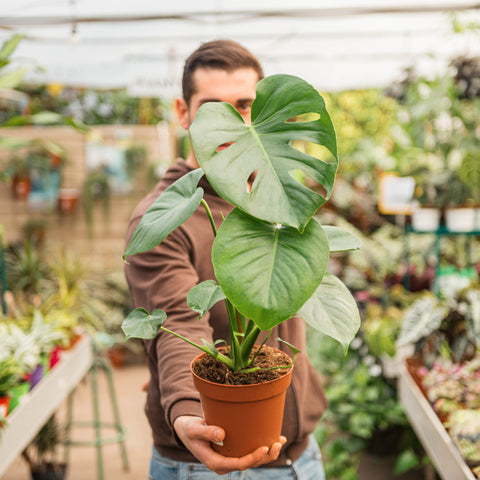
La Monstera deliciosa, conosciuta anche come costola di Adamo, appartiene alla famiglia delle Araceae. Originaria delle foreste tropicali dell’America Centrale e Meridionale, questa pianta è spesso chiamata erroneamente Philodendron monstera, un nome comune che viene attribuito da chi non conosce il vero nome scientifico. Tuttavia, il Philodendron monstera non esiste ufficialmente come specie distinta: il nome corretto è Monstera deliciosa. La confusione deriva dalla somiglianza tra le foglie della Monstera e alcune specie di Philodendron pertusum, che appartengono alla stessa famiglia, le Araceae. Entrambe sono piante tropicali da appartamento con crescita rampicante sempreverde e foglie con buchi naturali, ma presentano differenze botaniche significative. In natura, cresce come una pianta rampicante, arrampicandosi sugli alberi grazie alle sue radici aeree.
Sinonimi della Monstera deliciosa
Secondo fonti autorevoli come ipni.com, i seguenti nomi sono considerati sinonimi del nome scientifico attuale Monstera deliciosa:
- Monstera borsigiana
- Monstera deliciosa var. borsigiana
- Monstera deliciosa var. sierrana
- Monstera lennea
- Philodendron anatomicum
- Philodendron fenestratum
- Philodendron pertusum
Monstera deliciosa: caratteristiche e varietà
Le grandi foglie della Monstera deliciosa sono una delle sue peculiarità più affascinanti: verdi, lucide e caratterizzate da tipici buchi e fenditure, che le conferiscono un aspetto unico. È una pianta tropicale ornamentale ideale sia come pianta da appartamento che da esterno, purché le temperature siano adeguate.
Questa pianta d'appartamento a foglia larga può raggiungere dimensioni considerevoli, tanto da essere chiamata Monstera deliciosa gigante. Alcune varietà come la Monstera deliciosa variegata, la Monstera borsigiana variegata, la Monstera albo variegata, la Monstera deliciosa minima e la Monstera deliciosa borsigiana sono molto ricercate per il loro fogliame raro e variegato.
Monstera deliciosa: luce ed esposizione
La Monstera deliciosa preferisce una posizione luminosa, ma non la luce diretta del sole. L'ideale è un’esposizione in luce indiretta brillante per favorire la crescita ottimale delle sue foglie a buchi.
Se coltivata in esterno, la Monstera deliciosa va posizionata in mezz'ombra, evitando le ore più calde del giorno. Durante l’inverno, la pianta va protetta dal gelo: la sua temperatura minima ideale è intorno ai 10°C, mentre in estate può tollerare fino a 30°C.
Monstera deliciosa: quanta acqua serve?
L'acqua è essenziale per la crescita della Monstera deliciosa, ma bisogna evitare ristagni idrici. La regola generale è innaffiare quando il terriccio per monstera è asciutto in superficie. In estate, le annaffiature devono essere più frequenti, mentre in inverno si riducono.
La Monstera deliciosa in acqua è una pratica comune per la propagazione e può essere mantenuta in idrocoltura con le giuste cure. Tuttavia, per la crescita ottimale, è preferibile coltivarla in un substrato per monstera ben drenante.
Terriccio e Rinvaso della Monstera deliciosa
Per garantire una crescita rigogliosa, è importante scegliere un terriccio per monstera ben drenante e ricco di sostanze nutritive. L’ideale è un mix con torba, fibra di cocco e perlite. Il vaso per monstera grande deve essere abbastanza capiente per ospitare le sue radici aeree lunghe. Il rinvaso della monstera va effettuato ogni 2-3 anni o quando le radici fuoriescono dal vaso.
Monstera deliciosa: propagazione e talea
La Monstera deliciosa si riproduce facilmente tramite talea in acqua o direttamente nel terreno per monstera. Basta prelevare un segmento con almeno un nodo e immergerlo in acqua fino alla comparsa delle radici aeree in acqua. Questa tecnica è molto usata anche per la Monstera variegata talea.
Le radici aeree della monstera possono essere guidate verso il substrato per migliorare l’assorbimento di nutrienti. Se diventano troppo lunghe, possono essere recise senza danni alla pianta.
Cura della Monstera deliciosa
La cura della Monstera deliciosa è piuttosto semplice:
- Concimazione: utilizzare un concime per monstera specifico ogni 2 settimane in primavera ed estate.
- Potatura: rimuovere foglie danneggiate con la potatura monstera.
- Pulizia delle foglie: pulire regolarmente con un panno umido per eliminare la polvere e favorire la fotosintesi.
- Monitoraggio delle radici aeree: possono essere guidate nel vaso o tagliate se troppo ingombranti.
Problemi Comuni della Monstera deliciosa
Se la Monstera deliciosa presenta foglie gialle, potrebbe essere un segnale di eccessiva irrigazione. Le foglie accartocciate indicano mancanza d’acqua, mentre le foglie marroni possono essere sintomo di aria troppo secca. La pianta può soffrire di tripidi, acari, cocciniglia e attacchi fungini: è fondamentale monitorare la salute del fogliame.
Monstera deliciosa: frutto e curiosità
Il frutto della Monstera deliciosa è commestibile, noto come pianta del pane americana. Quando maturo, ha un sapore che ricorda ananas e mango. Tuttavia, il frutto monstera acerbo è tossico a causa della presenza di ossalati di calcio.
Monstera deliciosa e animali domestici
La Monstera deliciosa è velenosa per i gatti e altri animali domestici, quindi è consigliato posizionarla fuori dalla loro portata.
Dove Acquistare la Monstera deliciosa Online
Puoi acquistare una Monstera deliciosa online su Simegarden.com, dove trovi piante da appartamento tropicali di diverse dimensioni, tra cui la Monstera deliciosa XXL, la Monstera deliciosa variegata e la Monstera deliciosa borsigiana.
Monstera deliciosa: resistenza alla coltivazione all'esterno in Italia
La Monstera deliciosa può essere coltivata all’esterno in Italia, ma solo nelle zone più miti. Se riparata dal vento freddo invernale e protetta dalle possibili gelate invernali, può essere mantenuta in ombra all'esterno tutto l’anno.
In regioni come Campania, Calabria, Puglia, Sicilia e Sardegna, ci sono numerosi esempi di Monstera deliciosa coltivata all’esterno con successo. Per chi desidera sperimentare questa coltivazione, è consigliato iniziare il processo a partire dalla primavera, quando le temperature sono più favorevoli. Invece, nelle zone con clima rigido, la coltivazione all'esterno è altamente sconsigliata.
Un enorme esemplare di Monstera deliciosa coltivato nel Giardino Botanico di Lisbona, questa foto è stata scattata da Emanuele Simeoli nel 2017.
Questa pianta può essere utilizzata per creare combinazioni suggestive con altre piante tropicali appartenenti alla stessa famiglia delle Araceae, come:
- Alocasia macrorrhiza
- Philodendron bipinnatifidum (conosciuto anche come Thaumatophyllum bipinnatifidum o Philodendron sellum)
- Philodendron xanadu
- Rhaphidophora decursiva
Può essere anche abbinata a piante tropicali rustiche come:
- Aspidistra elatior
- Howea forsteriana (nota come Kentia)
- Diverse Begonie tropicali
- Farfugium japonicum
- Aralia (Fatsia japonica)
-
E molte altre piante tropicali resistenti.
Esemplare di Monstera deliciosa, coltivato a Napoli, in un aiuola del giardino di Emanuele Simeoli.
La Monstera deliciosa è una pianta ornamentale da interno perfetta per chi desidera un tocco esotico in casa o in giardino. Con la giusta cura, questa pianta rampicante crescerà rigogliosa, regalando un aspetto decorativo unico agli ambienti. Se desideri acquistare una Monstera deliciosa shop online, visita Simegarden.com per trovare la soluzione più adatta a te.
Shipping Notes
- Free Standard Shipping on $100+ Orders to the USA.
- Except Preorder products are shipped in 48 hours.
- Delivery to the USA:
- Standard Shipping : 3-10 business days
- If time is of the essence, please consider selecting expedited delivery for faster service.
Exchange/Return Notes
- We offer a 30-day return/exchange service after receiving.
- Final sale items are not eligible for returns or exchanges.
- To process your return/exchange, please contact us at [email protected]
- Please click here for more details>>> Return & Exchange Policy