SKU: 74151486935
silver snake plant care

silver snake plant care Moonshine Snake Plant

Sale price$26.20 Regular price$29.11
Save 10%

Pay in installments of $7.28 with ShopPay, AfterPay and Klarna

Shipping Estimate
USA
  • USA
  • CAN

Ships within 48 hours · Estimated delivery Jul 16 - Jul 21

Promo Codes Available:

For Your Every Summer RSVP, with Code: SUMMER15

Description

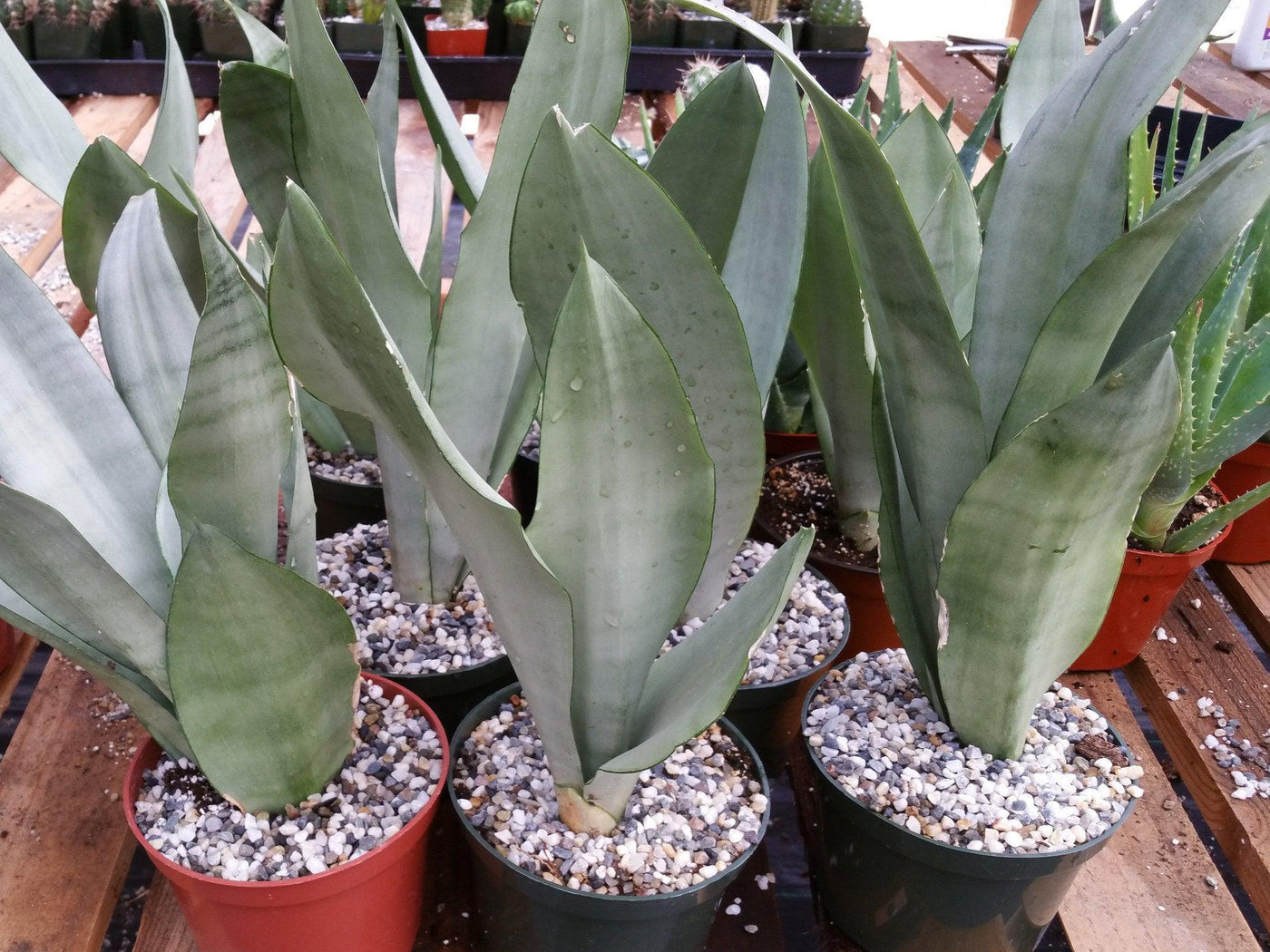
silver snake plant care Moonshine Snake PlantIntroducing, the moonshine snake plant, known as Sansevieria Moonshine, a popular houseplant that belongs to the Sansevieria genus. Native to West Africa, it is a variety of the Sansevieria trifasciata. It has several other common names such as the Sansevieria trifasciata Moonshine, Silver Snake Plant, Silver Sansevieria, Sansevieria moonglow, or Dracaena moonshine, highlighting its attractive silver coloration. The Moonshine Snake Plant is a popular

Introducing, the moonshine snake plant, known as Sansevieria Moonshine, a popular houseplant that belongs to the Sansevieria genus. Native to West Africa, it is a variety of the Sansevieria trifasciata. It has several other common names such as the Sansevieria trifasciata Moonshine, Silver Snake Plant, Silver Sansevieria, Sansevieria moonglow, or Dracaena moonshine, highlighting its attractive silver coloration. The Moonshine Snake Plant is a popular choice for indoor plant enthusiasts, with its silvery-green leaves that have a moonlight glow. 

This moonshine snake plant features long, upright leaves that grow in a rosette pattern. The leaves are thick with a smooth texture of a beautiful silvery-green hue and bold green edges. They have a unique cylindrical shape, narrowing towards the tips, which adds to their visual appeal. The Moonshine Snake Plant can grow up to 4 feet tall in its natural habitat and 2 feet tall indoors, making it suitable for both small and large spaces. 

Sansevieria Moonshine blooms in spring and summer, with fragrant green and white flowers on tall spikes. These sweet-smelling flowers will last 2 to 3 weeks. While the blooms are not the main attraction of these indoor plants, they can add a touch of elegance to their overall appearance. 

Propagating Snake Plant moonshine is relatively easy. It can be propagated through leaf cuttings or by dividing the plant's rhizomes. Leaf cuttings can be placed in water or directly in well-draining soil until they develop roots. Dividing the plant involves separating the offshoots or rhizomes and planting them in separate pots to get new plants. 

Moonshine Snake plants, known for their hardiness, low maintenance, and style, are commonly found in offices, lobbies, stores, and homes. The most common types of snake plants include Sansevieria trifasciata (Mother in law’s tongue plant), Sansevieria trifasciata 'Laurentii' (Variegated snake plant), and Sansevieria zeylanica (Zeylanica snake plant), which is gaining popularity in various settings. 

Watering Needs 

Like other tropical plants, this drought-tolerant Sansevieria Moonshine prefers moderate watering. Allow the soil line to completely dry out between waterings. Overwatering can lead to root rot, so it's best to err on the side of underwatering rather than overwatering. Before watering, check the moisture level of the soil by sticking your finger about an inch deep into the soil. If it feels dry at that depth, it's time to water. If it's still slightly moist, wait a bit longer. 

In the spring and summer months, during the growing season, water your Sansevieria Moonshine every 2-3 weeks. While in the fall and winter months, during the dormant period, reduce watering to once every 4-6 weeks. 

When watering, make sure to thoroughly saturate the soil in the pot, allowing water to seep out of the drainage holes. This ensures that the roots receive adequate moisture without sitting in stagnant water. 

These moonshine snake plants are known for their ability to tolerate drought, so they can handle periods of dryness. Observing the moisture level of the soil and adjusting your watering accordingly will help keep your Sansevieria Moonshine happy and healthy. 

Light Requirements 

If you are growing your Sansevieria moonshine indoors, it prefers bright, indirect light for at least 4-6 hours a day. If you have a spot near a window with filtered or indirect sunlight, that would be ideal. However, this moonshine snake plant can also thrive in areas with medium light, making it a perfect choice for those with less sunny spaces in their homes. 

If you decide to move your Sansevieria Moonshine outdoors, it's important to consider its light requirements. Your moonshine snake plant can tolerate full sunlight, but it's best to provide it with bright indirect light or partial shade. Too much direct sun can scorch the leaves, so finding a spot with filtered sunlight or placing it under a shade structure would be beneficial. If you live in a region with intense sunlight, it's a good idea to acclimate the plant gradually to prevent leaf burn. 

Remember, finding the right balance of light is crucial for this beautiful plant. Too little light can result in leggy growth, while too much direct sunlight can cause leaf damage. Observing your snake plant's moonshine response to its current light conditions and adjusting accordingly will help ensure its health and growth. 

Optimal Soil & Fertilizer Needs 

The Sansevieria moonshine prefers very airy, porous, nutrient-rich soil with a pH of 6.5 - 7.5. Succulents require fast-draining soil that dries completely between waterings. Your soil must have a sandy texture and a low water-holding capacity, just like desert soil. Soggy wet soil can damage your moonshine snake plant and contribute to bacterial and fungal rot. In addition, because of a lack of oxygen, soggy soil substitutes air pockets with water, resulting in an anaerobic environment that can kill your snake plant. 

As an alternative, you can create your own potting mix by combining equal portions of perlite, coarse sand, and good natural potting soil. Ideally, you want to use our specialized succulent potting mix that contains 5 natural substrates and organic mycorrhizae to promote the development of a strong root system that helps your succulent to thrive. 

The Sansevieria Moonshine is a relatively low-maintenance plant when it comes to fertilizing. During the growing season in the spring, you can feed your Moonshine Snake Plant with a balanced (5-10-5), water-soluble NPK fertilizer once a year. However, be careful not to over-fertilize, as it can lead to salt buildup in the soil. 

It's important to note that the Sansevieria Moonshine is a slow-growing snake plant, so it doesn't have high nutrient requirements. As long as you provide it with well-drained soil and occasional fertilization during the growing season, it should thrive. 

Remember, it's always a good idea to observe your plant's response to the soil and fertilizer you provide. Adjusting the watering and fertilizing routine based on its growth and overall health will help ensure its well-being. 

Hardiness Zones & More 

When growing indoors, the Sansevieria Moonshine can tolerate a warm temperature between 60°F to 85°F. It's important to avoid exposing it to extreme temperature fluctuations, as this can stress the plant. Keep it in a spot where the temperature remains relatively stable throughout the day. 

If you decide to move your Sansevieria Moonshine outdoors, it can thrive in USDA zones 10-11, where the average temperature stays above 50°F. If you live in a colder zone, it's important to protect the plant from freezing temperatures by keeping it indoors during the winter months. It can tolerate higher temperatures, but it's important to protect it from scorching direct sunlight, especially in hotter climates. 

The Sansevieria Moonshine is a relatively low-humidity plant. It can tolerate a range of humidity levels, from dry to moderate. It's well-suited for indoor environments with average humidity levels. If you live in a particularly dry climate, you can increase humidity around the plant by placing a tray of water nearby or using a humidifier. This snake plant is one of the hardiest houseplants and is extremely adaptable. 

Remember, providing the Sansevieria Moonshine with the appropriate temperature and humidity conditions will contribute to its overall health and growth. Whether you choose to keep it indoors or move it outdoors, maintaining a suitable environment will help ensure its well-being. 

Final Thoughts 

Overall, the Sansevieria Moonshine (Moonshine Snake Plant) is a low-maintenance snake plant for succulent plant lovers of all levels. With its striking silvery-green leaves, easy propagation methods, and ability to thrive in various indoor conditions, this moonshine snake plant adds a touch of elegance to any space. While it occasionally produces small, fragrant flowers, its main allure lies in its unique foliage. It thrives in bright, indirect light and only needs to be watered when the top inch of soil is dry. Additionally, it is important to avoid overwatering as this can lead to root rot. You can grow your plant indoors in warm temperatures between 60°F to 85°F, and outdoors in USDA zones 10-11. We think you will love this snake plant order your very own Sansevieria moonshine snake plant for sale today and start enjoying its beauty in no time! 

Shipping Notes
  • Free Standard Shipping on $100+ Orders to the USA.
  • Except Preorder products are shipped in 48 hours.
  • Delivery to the USA:
  1. Standard Shipping : 3-10 business days
  • If time is of the essence, please consider selecting expedited delivery for faster service.
Exchange/Return Notes
  • We offer a 30-day return/exchange service after receiving.
  • Final sale items are not eligible for returns or exchanges.
  • To process your return/exchange, please contact us at [email protected]
  • Please click here for more details>>> Return & Exchange Policy
SKU: 74151486935

Discover Niche Categories That Outsell silver snake plant care

Top-Converting Item to Boost Your Average Order

4.0 ★★★★★
Based on 17 reviews
Sort
Highest Rating
Newest First
Oldest First
Product Reviews
R
Verified Purchase
Robert Higginson
Chelsea, US
★★★★★ 5
Skeptical...... to Believer
Style: Modifier, Style: Modifier
I've waited awhile to write this review, to see how time effected my opinion. A little background, my daughter really wanted a 328i, so I went out and found a clean, single owner vehicle with a little over 100k on it. Its the family's first BMW, but as a mechanic I've seen and worked on them all. The BMW N52 engine seems overly complicated for what it does. Power output and economy are just average even though its got just about every bell and whistle including variable valve timing. One thing that struck me was how noisy it was. Kinda like a quiet sewing machine. I changed the oil to Mobil 1 0w/40 Euro blend and she drove it for 7k miles. During this time I read up on all the LL/01 oils for this car, so next oil change I used Castrol Edge, which is LL/01 certified. No difference. Car runs well, still sounds like a sewing machine. 7k more miles go by, and I learn about this CeraTec additive, and decide to give it a try based on all the good reviews. Yup, looks like a Orange Julius!! Well, I dump it it, and take it around the block. Engine seems a little quieter and smoother, but figure its my brain screwing with me. I slam the hood, and give my daughter the keys back, and off she goes. And here's where it gets interesting.... My 19 year old daughter doesnt know squat about cars. She a 100% gas it up and go girl. So about 2 weeks after the CeraTec goes in we are sitting at the dinner table and she says... " Oh Daddy, I forgot to thank you for tuning up my car". I ask her what makes her think I did? She replies that since the last service its much smoother idling at red lights and its quieter. (Remember, she's driven it for 7500 miles at this point) I asked her how could she tell, as the radio is always at least half volume. She says when its running and she's got the window down ordering at a drive -thru it used to go "tickity-tickity" ( her words)as it echo'ed off the building.. and now its silent. I go out and fire it up and roll down the window and stick my head out.... yup. Silent and verrry smooth. She also has average MPG constantly on display , and its improved about .65 mpg. So, if you add all that up, it seems to work. Liqui-Moly says its lasts 30k miles. I service the car every 7k, so we'll see if this all stays the same after a service, which is coming up soon. The car uses zero oil between services, so I cant comment on that. But from a smoothness, quietness point of view, if my daughter noticed it without me prompting her, I would say thats what made me a believer more than anything. Thanks Liqui-Moly.
WAS THIS REVIEW HELPFUL?YesReportShare
Reviewed in the United States on February 1, 2019
R
Verified Purchase
Ricardo
Boise, US
★★★★★ 5
Great product
Style: Modifier
Noticed a more smooth engine idle and less tick noise in my Tacoma. Is a win
WAS THIS REVIEW HELPFUL?YesReportShare
Reviewed in the United States on April 1, 2026
B
Verified Purchase
Brian Kolley
Massapequa, US
★★★★★ 5
My 2018 Mustang GT BBQ Tick went away but came back.
Style: Modifier
Update 1-26-2019: The BBQ/Typewriter tick came back this morning. So, I'd say that if you're trying to use the Ceratec to quiet the tick, it will work for a little while, but will eventually return. I don't think there's anything else that can be done to quiet the tick and it's a crap shoot if you get it serviced. In my case, it only ticks during warm up after the transition from high idle, and goes away completely once the entire engine is fully warmed up, so I'm just going to live with it. I'm still giving the Ceratec a 5 because it did reduce my friction enough for a small MPG improvement, so I believe it works as advertised and I'm not going to blame them for not silencing the tick. Update 1-20-2019: After a few days with only the one bottle poured in, my tick came back. Since one bottle is only 1/2 the recommended concentration for the 10 quarts in a 2018 Mustang GT, I bought another bottle and added it and the tick is now gone again. We'll see if it lasts. I can tell you that my fuel economy has improved. I have a little over 11,000 miles now and I always display my fuel economy meter and I use it. I've never reset my average fuel economy meter since the day I bought the car new. I've been pretty well stuck at 21.6 MPG for the last couple months. Since I've put in the Ceratec, my average fuel economy has increased to 21.8 MPG, so it's jumped 0.2 MPG in roughly 2 weeks. With over 11,000 miles included in the average, it takes a pretty significant improvement in friction to make that average move that much in that short a time. Even if my tick comes back again, I'm sold on Ceratec for the friction reduction alone. I'll update the review again if the tick comes back. Original Review: My 2018 Mustang GT developed the infamous BBQ/Typewriter tick immedaitely after my first oil change. I used Mobil One synthetic at 3500 miles on my first oil change. I did my 2nd oil change at 10K miles with Mobile One, but the tick was still present. After seeing people on YouTube having success eliminating their tick with Ceratec and after reading the one other review of a 2018 Mustang GT owner here on Amazon, I decided to try it. I ordered 1 bottle. It arrived on a Friday and poured it in immediately after I got home from work. It's an hour drive one way to work, so the engine was at operating temperature, where, in my case, the tick goes away. I only get it when the engine switches from high idle to normal idle after a cold start and the tick is quite loud for at least the 15 minutes it takes for me to get to the drive through where I get my morning coffee, where I can really hear the tick echoing off the wall. After pouring it in, I started the car and let it idle, but didn't really notice any change. I then took it for a drive and did some hard pulls to get the engine to rev under load to the red line. After that, I put the car in the garage until I drove to work on Monday. When I went to the drive through to get my morning coffee, there was no tick! It was gone! I listened real hard, but all I could hear was the normal direct injector pump noise. Then, after my hour long drive to work, I left car running and got out to listen. With the hood closed, it was quieter than at any time since I bought it. It was virtually silent. Even the DI pump noise was barely audible. The car also sounded and felt different during the drive to work. The engine seemed like it was smoother somehow. It might have been my imagination, but after the silence in my parking spot at work, I wouldn't be surprised if the engine did run smoother. At any rate, I only used 1 bottle to treat the 10 quarts of oil, which is half the amount the mfg says to use. So, I'll see how long it lasts, but it definitely worked even at half its normal concentration. I highly recommend it for anyone who has the 2018 Mustang GT tick.
WAS THIS REVIEW HELPFUL?YesReportShare
Reviewed in the United States on January 14, 2019
M
Verified Purchase
Mike L
Massapequa, US
★★★★★ 5
Must have in modern high compression GDI engines!
Style: Modifier
So bought this for my new Mazda 3 Turbos' first oil change. I was originally going to use Liqui Moly MoS2, due to the OE Mazda oil using a very high Moly PPM (800ish) formula and not having easy access to a similarly formulated oil. After doing some more reading i decided to use Ceratec instead, mostly because it doesn't make the oil look super dark (for warranty purposes, If for some reason i do have a problem with the engin i don't want the dealer saying I just didn't change my oil). So initial results are awesome, the valve noise is pretty much gone. And the engin just feels smoother, and sounds like is not even trying when reving it out. With that success I bought another one for my girlfriends non turbo CX30 when i changed her oil. Her engine has always been just a little noisier than my old non turbo mazda 3, and my new Turbo model. I've used the same oil in both (Pennzoil Ultra Platinum 0w20 or 5w30 in the turbo). It had the normal lifter noise, but it always sounded raspy when accelerating hard, like it was really at the edge when floored. So as a before and after test I changed the oil fist with NO Ceratec, engin sounded happier, ran a little smoother, but basically the same as before, Normal stuff after an oil change. So I added the Ceratec, literally you could hear the lifter noise melt away as it mixed with the oil, I was in my garage so the effect was even more stark. The engine also idled smoother, to the point if you were in the car, you wouldn't know it was on without the engine RPM readout. So i took it for a test drive down the road and stepped on it after getting it up to Temp. The raspiness was completely gone, it sounded like it was happy as a clam reving right up to redline. This wasn't a "i think it might be better" differance, it was a night and day difference, a wow that impressive difference. As for fuel consumption reduction claims, i don't know yet, from what i read you need to dive it 300-400 miles to get a valid result. I only have 150ish on mine and 75 on hers. First impressions were really positive, highly recommend to anyone wanting to keep a car for a really long time. Only downside is the price, this stuff is really expensive... but i look at it like this, $600 over the life if the vehicle if you keep it to 150K miles, with 6k oil change intervals is pretty cheap insurance. compared to an engine rebuild.
WAS THIS REVIEW HELPFUL?YesReportShare
Reviewed in the United States on July 21, 2021
W
Verified Purchase
William L Rose Jr.
New York, US
★★★★★ 4
Results after 1500 miles....
Style: Modifier
Seems to have made my engine a little less noisy at startup.
WAS THIS REVIEW HELPFUL?YesReportShare
Reviewed in the United States on March 3, 2026

recommand products