SKU: 75092572109
can i use succulent soil for peperomia

can i use succulent soil for peperomia Shop 'Peperomia axillaris' Care and Growing Guide

Sale price$20.35 Regular price$22.61
Save 10%

Pay in installments of $5.65 with ShopPay, AfterPay and Klarna

Shipping Estimate
USA
  • USA
  • CAN

Ships within 48 hours · Estimated delivery Sep 17 - Sep 22

Promo Codes Available:

For Your Every Summer RSVP, with Code: SUMMER15

Description

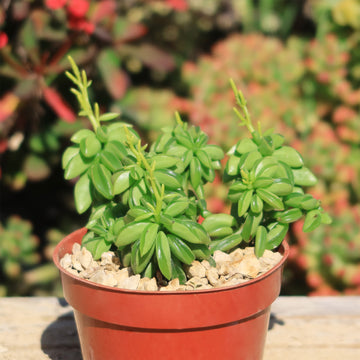
can i use succulent soil for peperomia Shop 'Peperomia axillaris' Care and Growing GuideIntroducing the Peperomia axillaris, which is a charming and popular houseplant that belongs to the Peperomia genus. This perennial epiphyte native to South America, is also known as the taco leaf plant or radiator plant, that thrives in warm and tropical regions. This delightful plant is loved for its unique foliage and compact size, making it a great addition to any indoor or outdoor space. The Peperomia axillaris with bright green pea pod shaped

Introducing the Peperomia axillaris, which is a charming and popular houseplant that belongs to the Peperomia genus. This perennial epiphyte native to South America, is also known as the taco leaf plant or radiator plant, that thrives in warm and tropical regions. This delightful plant is loved for its unique foliage and compact size, making it a great addition to any indoor or outdoor space. 


The Peperomia axillaris with bright green pea pod-shaped foliage, thrives in a shady jungle understory with translucent "leaf windows" that allow sunlight to irradiate the leaf interior, allowing it to survive.

Peperomia axillaris is a compact plant that typically reaches a mature height of around 12 inches tall.

This petite size makes it an excellent choice for small spaces, such as desks, shelves, or terrariums.

Its compact growth habit also makes it suitable for hanging baskets or as a trailing plant.

The Peperomia axillaris flower is usually greenish-white and appears on thin Peperomia flower stalks that emerge from the leaf axils.

These teeny tiny flowers bloom in the spring. However, it's important to note that flowering is relatively rare in indoor settings. 

When it comes to Peperomia axillaris propagation, this unique shrub-like succulent can be easily propagated through stem cuttings. To propagate a healthy stem cutting, remove lower leaves, place in a well-draining potting mix, keep soil moist, and provide indirect light. Roots should develop within weeks. 

Watering Needs 

When it comes to watering, the peperomia axillaris prefers a slightly different approach compared to other houseplants. It thrives when the top inch of soil dries out between waterings. This means you should allow the soil to dry out a bit before giving it a good drink. It's critical to strike the correct balance because overwatering can result in root rot and other problems. 

To determine when it's time to water, you can use the "finger test." Simply stick your finger into the soil up to the first knuckle. If the soil feels dry at that depth, it's time to water. If it still feels slightly moist, it's best to wait a bit longer.

Another important aspect of watering the peperomia axillaris is to avoid getting water on the leaves. This plant is prone to rot if water sits on its leaves for too long. To prevent this, it's best to water the soil directly at the base of the plant, rather than overhead watering. 

Remember, every plant is unique, and factors like temperature, humidity, and the type of potting mix used can affect watering needs. Observing your peperomia axillaris closely and adjusting your watering routine accordingly will help you provide the right amount of water for optimal growth. 

Light Requirements 

When growing indoors, the Peperomia axillaris prefers bright, indirect light. It thrives in a spot where it receives bright, filtered sunlight throughout the day. Placing it near a north or east-facing window is usually ideal. Avoid placing it in direct sunlight, as this can scorch the leaves. 

If you don't have access to natural bright light indoors, you can also provide artificial light using fluorescent or LED grow lights. Position the lights about 6 to 12 inches above the plant and keep them on for about 12 to 14 hours a day to mimic natural daylight. 

When growing outdoors, this Peperomia axillaris plant does well in partial shade to filtered sunlight. It can tolerate some direct morning sunlight, but it's best to protect it from intense afternoon sun, which can cause leaf burn. Consider placing it in a location that receives dappled sunlight or where it is shaded by taller plants or structures during the hottest part of the day. This will help maintain the right balance of light for optimal growth. 

Optimal Soil & Fertilizer Needs 

The Peperomia axillaris prefers sandy, well-drained soil, as excess moisture can promote root and stem rot. Planet Desert specializes in succulents and has specialized succulent potting soil that includes an organic substrate with mycorrhizae to help with the growth of a healthy root system to help your succulents thrive. As an okay alternative, you can create your own potting mix by combining equal portions of perlite, coarse sand, and good natural potting soil. 

For fertilization, the Peperomia axillaris don't require heavy feeding. You can use a balanced, water-soluble NPK fertilizer with a ratio of 5-10-5 or a similar NPK (nitrogen, phosphorus, and potassium) ratio. Dilute the fertilizer to half or quarter strength and apply it once a month during the growing season, which is typically spring and summer. 

Remember to always follow the instructions on the fertilizer packaging for proper dilution and application. An accumulation of salt in the soil caused by overfertilization may be detrimental to the plant. 

It's better to err on the side of caution and provide a little less fertilizer than too much. 

Additionally, it's a good practice to flush the soil occasionally to remove any excess salts. You can do this by thoroughly watering the plant until water drains out from the bottom of the pot. This helps prevent salt buildup and keeps the soil fresh.

Hardiness Zone & More 

When growing indoors, the peperomia axillaris thrives in average room temperatures between 65°F and 75°F. It can tolerate slightly cooler temperatures down to 60°F but should be protected from drafts and sudden temperature fluctuations. Avoid placing it near heating vents or air conditioning units as these can create hot or cold spots. 

In terms of humidity, the peperomia axillaris prefers moderate to high humidity levels. Aim for a humidity range of 50% to 60% to keep the plant happy. You can increase humidity by placing a tray filled with water near the plant or using a humidifier in the room. Misting the leaves occasionally can also help provide a boost of moisture. 

For outdoor cultivation, it is suitable in USDA zones 9-11.  It can tolerate temperatures as low as 50°F but is most comfortable in temperatures between 70°F and 85°F. If you live in a dry climate, you can create a microclimate for the plant by grouping it with other plants or placing it in a shaded area where it can benefit from the natural humidity created by nearby foliage. 

Final Thoughts 

Overall, the Peperomia axillaris is a wonderful plant among Peperomia varieties, that offers a variety of appealing features. With its compact size, unique teardrop-shaped leaves, and glossy green foliage, it adds a touch of beauty and freshness to any space. Whether you choose to grow it indoors or outdoors, this charming plant is relatively easy to care for. It prefers bright, indirect light and well-draining soil. Water it moderately, allowing the top inch of soil to dry out between waterings. Additionally, it appreciates a bit of humidity, so misting the leaves occasionally can be beneficial. 

Shipping Notes
  • Free Standard Shipping on $100+ Orders to the USA.
  • Except Preorder products are shipped in 48 hours.
  • Delivery to the USA:
  1. Standard Shipping : 3-10 business days
  • If time is of the essence, please consider selecting expedited delivery for faster service.
Exchange/Return Notes
  • We offer a 30-day return/exchange service after receiving.
  • Final sale items are not eligible for returns or exchanges.
  • To process your return/exchange, please contact us at [email protected]
  • Please click here for more details>>> Return & Exchange Policy
SKU: 75092572109

Discover Niche Categories That Outsell can i use succulent soil for peperomia

Top-Converting Item to Boost Your Average Order

4.2 ★★★★★
Based on 12 reviews
Sort
Highest Rating
Newest First
Oldest First
Product Reviews
T
Verified Purchase
Terry Anne
Waukegan, US
★★★★★ 3
Only holds towels in place when it is full or 1/2 full
Color: 01-silver
If you are buying this for the feature of holding the paper towels in place so you can just rip one, I think you will be disappointed. Once the roll becomes smaller (and I tried changing the arm) the arm does not touch the towels. I do like the firm grip on the counter. My other dissatisfaction is the base gets water spots. Being near the sink this happens frequently. It does its job and is attractive.
WAS THIS REVIEW HELPFUL?YesReportShare
Reviewed in the United States on May 21, 2026
J
Verified Purchase
Jay
Chelsea, US
★★★★★ 5
Stylish
Color: 01-silver
Good sturdy stand for paper towels. Has small suction cups on bottom for stability. Good finish and good fit under the counter. Heavy base and not flimsy feeling. Brushed aluminum matched other appliances well.
WAS THIS REVIEW HELPFUL?YesReportShare
Reviewed in the United States on January 6, 2026
T
Verified Purchase
The product comes in multiple colors, but the function is terrible
Louisville, US
★★★★★ 5
Goodbye for the value
Color: 02-black
Great value looks wonderful very adorable
WAS THIS REVIEW HELPFUL?YesReportShare
Reviewed in the United States on May 31, 2026
J
Verified Purchase
Jonathan Bailey
Battle Creek, US
★★★★★ 5
Required Reading for Egyptologists
Format: Paperback
To say the very least, this book is an enlightening read. The author attempts to design a new chronology of Egypt based on a number of archaeological observations he made which pointed to certain anomolies in the standard chronology of the Third Intermediate Period of Egyptian history. The TIP is one of those points in history where information is scanty and there is much room for error in interpreting existing archaeological evidence. Rohl posits that the 21st and 22nd pharaonic dynasties were at least partly contemprary in a period of balkanization of Egypt, contrary to the conventional chronology's view that they were successive. He therefore shifts the entire preceding dynastic histories downward from 200 to 300 years. That is, what we previously though to occur at 1250 BC actually happened at 1000 BC according to Rohl. In so doing Rohl has done much to synchronize Egyptian chronology with the chronology of the bible. Rohl claims that the Amarna letters were not to be compared to Joshua's conquest of Canaan, a period where they clearly do not fit, but rather tell the tale of Saul's and David's claiming of Israel from Phillistine Egyptian vassals. He synchonizes Ramesses II's conquests of Asia Minor with the biblical invasion of Shishak. Also, he identifies the Egyptian 'Hyksos' with the Amalekites of the book of Exodus. There are many other enlightening points of connection with the bible that Rohl makes, but my point here is not to explain them all. The true value of this book for any egyptologist, student of biblical history, or any student of the ancient world at all, is this book's popular presentation of the field of archaeology and ancient history. So rare are books that actually connect a lay reader with the methodologies and evidence upon which researchers base their works. In order to show a need for a revision of Egyptian chronology, Rohl shows how the entirety of Egyptian chronology depends on all but of a handful of archaeological finds, many of them of dubious reliability. Even if Rohl's opponents find more pieces of evidence supporting the standard chronology, the number will still be very small and they will quite likely be as subject to interpretation, as are the ones that Rohl has pointed out. Rohl goes to great lengths to show the history of the observations that scholarship has made, thereby showing us where they may have gone wrong. (As a popular book, I must confess that parts of Rohl's historical narratives depict events in which one expects to find Indiana Jones) Next, when building his own chronology, Rohl puts us close to the texts and archaeological evidence upon which he bases his theories. Rohl's conclusions are in many cases impressive, but in some cases I had to shake my head and come to the conclusion that he was grasping at straws. For instance, I believe that his work in astronomical retrocalulations to find the dates of eclipses recorded in ancient texts is pretty shaky. I even doubt that the text that he is talking about is even mentioning an eclipse. This information has proved to be incredibly valuable to me, however, as I now know that astronomy based chronology, something I though would give absolute and undisputable dates, is as foggy an area of research as any. I do not know if I will eventually embrace Rohl's ideas or not, or if partially. I do know that reading this book has shown me the types of reasoning and observations that old world historians make, and can now make an informed decision about how firm our grip on dating events of the past is. My conclusion: if somebody tells you some biblical event did not happen because the dates don't line up with scientific knowledge, don't be disheartened. We have a LONG way to go before we can truly be confident about such statements, if indeed we will ever arrive at that sort of knowledge. This uncertainty that I have gained from Rohl's book is corroberated by the "Oxford History of Ancient Egypt" which provides wonderful information on Egyptian chronology. Everyone who wants to study ancient history, whether it be Egyptian, biblical, Middle Eastern, or even Chinese for that matter, should read this book, so the next time they read somewhere that 'such and such happened at 3200 BC', they will know to take that statement with a grain of salt. Whether Rohl is right or not, I am forever indebted to him for showing me how chronologists operate. Lastly, I would like to say, after all this talk about archaeology and methodology of Egyptologists, that this book is very readable and comprehensible to the lay reader. Though a smattering of knowledge of biblical and/or Egyptian history will make the book more interesting to the reader, no such knowledge is required in order to understand the book or find value in it. It is truly a popular book intended for the average interested person. I recommend it to all.
WAS THIS REVIEW HELPFUL?YesReportShare
Reviewed in the United States on February 10, 2001
S
Verified Purchase
Stone Dog
Louisville, US
★★★★★ 5
Exciting reinterpretation of ancient history.
Format: Paperback
In "Pharoahs And Kings", author David Rohl offers the reader a stunning new interpretation of the events of the ancient world in Egypt and the Levant. In doing so, he ties in Biblical events to their proper place in history. This is a stunning reordering of events and personalities and brings both Egyptian and Biblical history to a much closer synchronization. The book begins in Egypt where Rohl lays out his evidence for condensing the chronology of Egypt. Though we use AD/BC as a method of numbering our years, the ancients did not do so and used regnal dates ("In the third year of Pharoah So-And-So's reign, something happened."). By counting all Pharoahs and their reign lengths, historians felt they had a handle on when, according to our dating system, things happened. When they did so, they discovered the events portrayed in the Bible didn't match. When they date Solomon's reign in Israel to the Iron Age, for example, they find economic development to be poor - a far cry from the Biblical accounts of Solomon's reign as a flowering of culture and rich in trade. Likewise, Jericho's walls did not fall in the time period most historians would place the Exodus and entrance into the Levant of the Hebrews. Therefore, the Biblical accounts are simply myth, nothing more. David Rohl is a historian, not a religious believer and his point of view is as a historian. His focus is to find a more accurate timeline for the events in the ancient Middle East. He begins in Egypt because that is his area of expertise and he gives convincing arguements for re-ordering the events of Egypt. The clincher, for me, was the tombs of Tanis (among other inconsistencies in the conventional dating such as the number of Apis Bulls) in which the tomb of Psusennes I cuts into the tomb of King Oskoron II and was obviously built after the tomb of Oskoron II. The problem? Oskoron II was from the 22nd dynasty while Psusennes was from the 21st! It is quite obviously reversed! Rohl's conclusion is that two dynasties were contemporary and that about 140 years needs to be removed from the timeline of Egypt. When this is done, events in the Levant match the events in the Old Testament very closely. In the New Chronology, Jericho falls just when the Hebrews are entering Canaan according to the Bible. Solomon's Israel is now placed in the Late Bronze Age where there is evidence of prosperous cities and flourishing trade. There is evidence of mentions of both Saul and David in the Amarna Letters. This was a page turner and Rohl's work, although controversial, is backed up by fact and evidence. There is less evidence for some of his conclusions than others (in my mind), but it is well researched and never strays from a scholarly interpretation of the evidence written and on the ground. I actually enjoyed this book! David Rohl writes in a very engaging fashion, often using humor. His writing skill keeps subjects that may seem dull very frsh and exciting. He often uses humor and engages the reader, challenges the reader and forces the reader to think. This is not the usual dry tome on archeology that puts you to sleep! He assists the reader with many and high quality photos and drawings of the evidence and includes "side bars" with definitions and explanations in the margins to help the layman navigate the technical aspects of history and archeology without getting bogged down and overwhelmed. This is a fine book and more than deserving of five stars. It's a very eye-opening and interesting read that doesn't seem like a college textbook. Instead, he challenges the reader while entertaining at the same time. I recommend this book with five stars!
WAS THIS REVIEW HELPFUL?YesReportShare
Reviewed in the United States on September 29, 2012

recommand products