Pay in installments of $5.93 with
 ,
,
 and
and

Shipping Estimate
USA
- USA
- CAN
- USA
- CAN
Ships within 48 hours · Estimated delivery Sep 18 - Sep 23
 Promo Codes Available:
For Your Every Summer RSVP, with Code: SUMMER15
Description
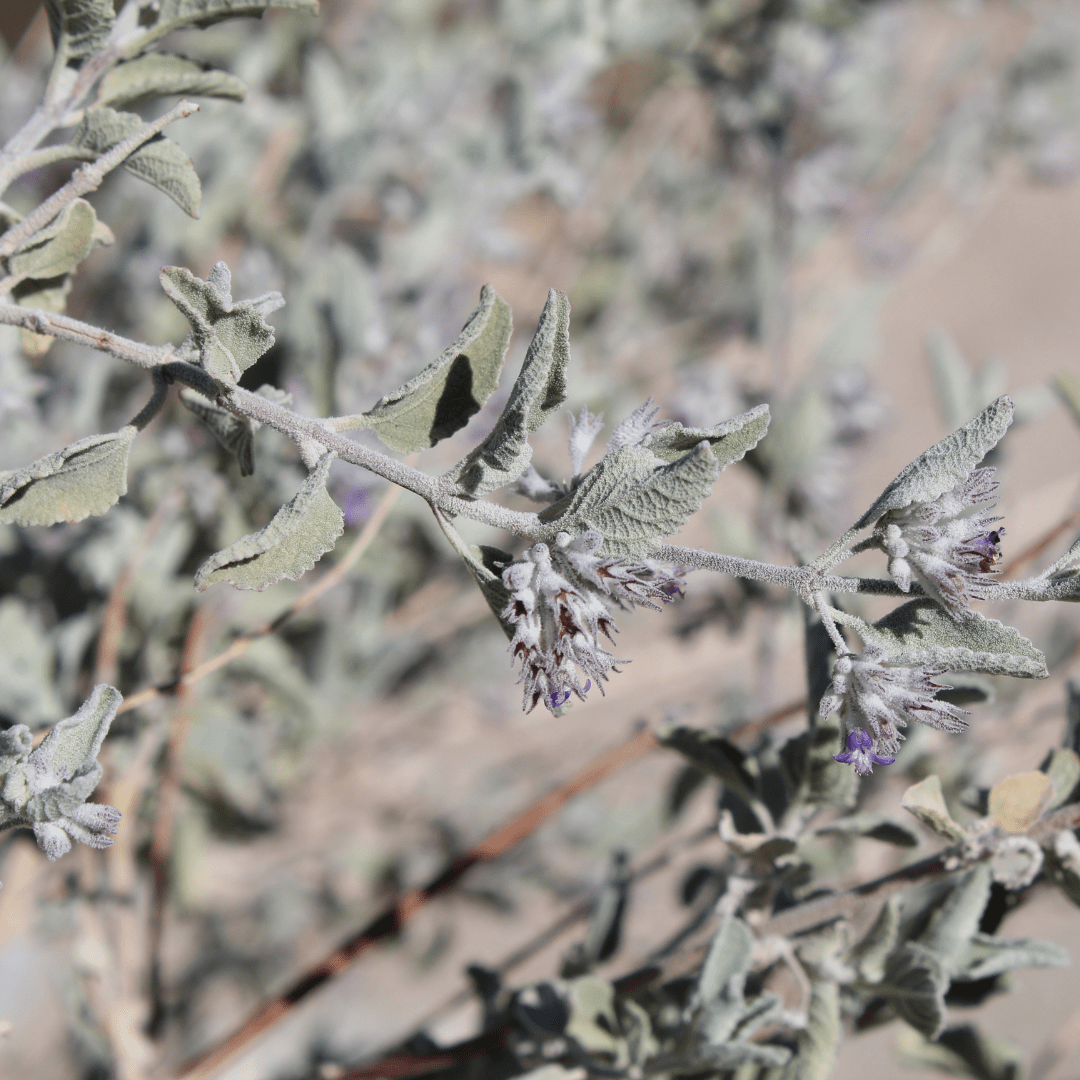
lavender plants to buy Buy Desert Lavender Phoenix, AZ | Hyptis emoryiPhoenix's Most Fragrant Native Shrub Desert Lavender Desert Lavender (Hyptis emoryi) is one of the most aromatic and beautiful native shrubs available for Phoenix Valley landscapes. Growing 36 feet tall and 48 feet wide, it fills the garden with silvery foliage and lavender to light purple blooms that attract hummingbirds and bees all season long. Incredibly drought tolerant and built for full sun, Desert Lavender is the perfect choice whether you're
Phoenix's Most Fragrant Native Shrub — Desert Lavender
Desert Lavender (Hyptis emoryi) is one of the most aromatic and beautiful native shrubs available for Phoenix Valley landscapes. Growing 3–6 feet tall and 4–8 feet wide, it fills the garden with silvery foliage and lavender to light-purple blooms that attract hummingbirds and bees all season long. Incredibly drought-tolerant and built for full sun, Desert Lavender is the perfect choice whether you're creating a sensory garden in Scottsdale, adding privacy in Chandler, or designing a wildlife corridor in Gilbert — all with almost zero water once established.
Desert Lavender Plant Details
| Attribute | Detail |
|---|---|
| Scientific Name | Hyptis emoryi |
| Common Names | Desert Lavender, Bee Sage, Emory's Hyptis |
| Mature Height | 3–6 feet |
| Mature Width | 4–8 feet |
| Growth Rate | Moderate — 1–2 feet per year in Phoenix conditions |
| Sun | Full sun (6+ hrs). Thrives in reflected heat from walls and pavement. |
| Water | Very low once established. One of the most drought-tolerant natives available. |
| USDA Zones | 8–11 (Phoenix is Zone 9b–10a) |
| Soil | Well-draining. Tolerates rocky, sandy, and Arizona caliche soils perfectly. |
| Foliage | Evergreen — soft, silvery-gray aromatic foliage year-round |
| Bloom Color | Lavender to light purple |
| Fragrance | Strong lavender-mint scent when foliage is touched or brushed |
| Native | Yes — Sonoran Desert, native to Arizona and Baja California |
Desert Lavender Uses in Phoenix Landscapes
Fragrant Sensory Gardens
Desert Lavender is unmatched for sensory garden designs in Scottsdale, Paradise Valley, and Tempe. Its silver foliage releases a strong lavender-mint fragrance when touched, making it a standout plant for pathways, patios, and seating areas where people can brush against it. Plant 3–5 together for a fragrant hedge, or use individually as an accent near entryways and outdoor living spaces.
Privacy Screening and Hedging
At 3–6 feet tall and 4–8 feet wide, Desert Lavender forms an effective privacy screen when planted in a row. For a 20-foot fence line — plant 3–4 plants spaced 5–6 feet apart. For a 40-foot border — plant 6–8 plants. Its dense, silver foliage creates year-round screening without the water demands of traditional hedging plants. Pair with Texas Sage or Green Hopseed for a mixed native privacy hedge.
Wildlife and Pollinator Gardens
Desert Lavender's lavender blooms are a critical nectar source for hummingbirds, native bees, and butterflies throughout the Phoenix growing season. It pairs beautifully with Autumn Sage, Chuparosa, and Desert Bird of Paradise in wildlife garden designs that bloom in waves from spring through fall.
Low-Water Desert Borders
With its silver foliage and upright mounding habit, Desert Lavender provides strong textural contrast in xeriscape borders throughout Mesa, Peoria, and Glendale. Use it as a mid-border shrub behind lower-growing Globemallow or Damianita, and in front of taller Desert Bird of Paradise or Baja Fairy Duster for a layered, naturalistic planting.
Best Time to Plant Desert Lavender in Phoenix
Fall (October–November) is the ideal planting time. The warm soil temperatures encourage root development while cooler air temperatures reduce transplant stress. Plants get 6–8 months to establish before their first Phoenix summer. Spring (February–April) is also a good option. Avoid planting in peak summer when new plants require intensive irrigation to survive.
How to Plant Desert Lavender
- Dig wide, not deep — 2–3x the root ball width, same depth as the container.
- Check for caliche — break through any hardpan layer to ensure proper drainage.
- Backfill with native soil — a light 20% organic amendment is acceptable; avoid heavy compost.
- Spacing — 5–6 feet apart for privacy hedges; 6–8 feet for individual specimens.
- Water basin — build a 3–4 inch berm around each plant to direct water to the root zone.
- Mulch — apply 2–3 inches of gravel or decomposed granite to retain moisture.
Watering Desert Lavender in Phoenix
First Year Watering Schedule
- Weeks 1–2: Every 1–2 days, deep and slow (20–30 minutes per session)
- Months 1–2: Every 3–4 days
- Months 3–6: Every 7–10 days (every 5–7 days during peak summer heat)
- After Year 1: Every 2–3 weeks in summer; rely on natural rainfall in fall and winter
Drip Irrigation
Place emitters 18–24 inches from the plant crown. Use 1 GPH emitters for 1-gallon plants and 2 GPH for 5-gallon plants. Once established, Desert Lavender is one of the most self-sufficient shrubs in Phoenix — many established plants survive on rainfall alone through cooler months.
How fast does Desert Lavender grow in Phoenix?
Desert Lavender grows at a moderate rate of 1–2 feet per year in Phoenix's climate. In ideal conditions with warm soil and regular first-year watering, it can reach 3 feet within its first 2 seasons. After establishment, growth slows slightly but the plant fills out beautifully.
Does Desert Lavender smell like lavender?
Yes — Desert Lavender has a strong lavender-mint fragrance that's released when its foliage is brushed or touched. While it's a different species from culinary lavender, the scent is strikingly similar and makes it one of the most popular fragrant plants for Phoenix outdoor living spaces.
Is Desert Lavender deer resistant?
Yes — Desert Lavender's strong fragrance makes it highly unpalatable to deer, making it an excellent choice for properties bordering the desert preserve or open spaces in North Scottsdale, Cave Creek, and similar communities.
Can Desert Lavender handle Phoenix's intense summer heat?
Absolutely. Desert Lavender is native to the Sonoran Desert and is built for extreme heat. It thrives in full sun exposure and handles reflected heat from walls, driveways, and south-facing exposures where many other shrubs struggle.
You May Also Like
- Texas Sage — A stunning silver-leaved native shrub with purple blooms that pairs perfectly with Desert Lavender in low-water border designs.
- Baja Fairy Duster — A feathery, fast-growing native shrub with bright pink pompom blooms that adds soft color alongside Desert Lavender's silver foliage.
- Damianita — A low-growing native with bright yellow daisy-like blooms that provides color contrast at the base of Desert Lavender plantings.
- Desert Bird of Paradise — A bold, fast-growing shrub with yellow and orange blooms that adds vertical interest behind Desert Lavender in layered borders.
- Autumn Sage — A compact, hummingbird-attracting native with red or pink blooms that extends the pollinator season in Desert Lavender garden designs.
How Many Desert Lavender Do I Need?
Desert Lavender matures 4 to 8 feet wide, so space plants about 5 feet apart for a fragrant privacy hedge or screen. Use this table to estimate counts:
| Run Length | Plants Needed (5 ft spacing) |
|---|---|
| 10 ft | 2 plants |
| 20 ft | 4 to 5 plants |
| 30 ft | 6 to 7 plants |
| 40 ft | 8 to 9 plants |
For a single fragrant accent near a path or patio, give it 6 to 8 feet of space so the silver mound can fill out and people can brush the foliage.
Desert Lavender Season-by-Season in Phoenix
- Spring (Feb to Apr): Lavender blooms open and draw bees and hummingbirds. New silver growth flushes. A strong second planting window.
- Summer (May to Sep): Built for extreme heat and reflected heat, blooming on and off through the season. Monsoon rain from July through September often covers its water needs entirely.
- Fall (Oct to Nov): Prime planting season, with a second flush of bloom as temperatures ease.
- Winter (Dec to Jan): Evergreen and aromatic through the cool months. Hardy to about 20 degrees F, so it holds its silver foliage through normal Valley frost with little to no damage.
At a Glance
✔ Arizona Native ✔ Pollinator-Friendly ✔ Hummingbird-Friendly ✔ Heat-Loving (Reflected-Heat Tolerant) ✔ Drought-Tolerant ✔ Evergreen ✔ Low-Maintenance ✔ Deer & Rabbit-Resistant ✔ Cold-Hardy to 20°F
Plant It With
- Texas Sage: a silver-leaved native with purple blooms that pairs perfectly in a low-water border.
- Baja Fairy Duster: feathery foliage and red pompom blooms for soft color against the silver foliage.
- Damianita: a low native with bright yellow daisies for color contrast at the base.
- Desert Bird of Paradise: a bold yellow bloomer that adds height behind the lavender mound.
Is Desert Lavender Right for Your Yard?
It is a superb fit for sensory gardens, fragrant pathways, native hedges, and low-water borders in full sun with caliche or rocky soil. It loves reflected heat and asks for almost no water once established. Not a fit for damp, poorly drained spots or deep shade, where the silver foliage thins and the plant can rot.
Shipping Notes
- Free Standard Shipping on $100+ Orders to the USA.
- Except Preorder products are shipped in 48 hours.
- Delivery to the USA:
- Standard Shipping : 3-10 business days
- If time is of the essence, please consider selecting expedited delivery for faster service.
Exchange/Return Notes
- We offer a 30-day return/exchange service after receiving.
- Final sale items are not eligible for returns or exchanges.
- To process your return/exchange, please contact us at [email protected]
- Please click here for more details>>> Return & Exchange Policy