SKU: 75779526261
buy san pedro cactus usa

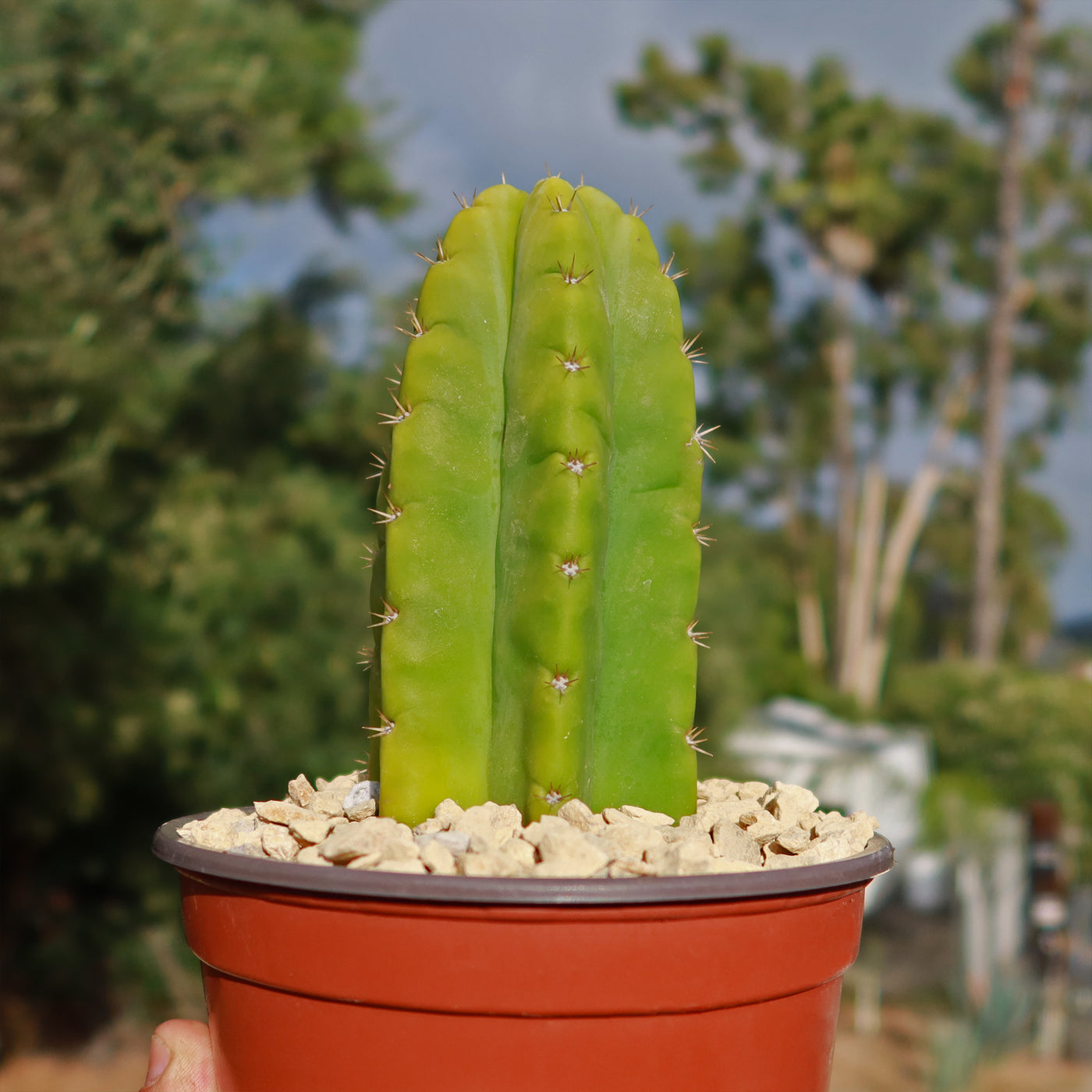
buy san pedro cactus usa Shop 'San Pedro Cactus - Echinopsis pachanoi' Care and Growing Guide

Sale price$20.95 Regular price$23.28
Save 10%

Pay in installments of $5.82 with ShopPay, AfterPay and Klarna

Shipping Estimate
USA
  • USA
  • CAN

Ships within 48 hours · Estimated delivery Sep 1 - Sep 6

Promo Codes Available:

For Your Every Summer RSVP, with Code: SUMMER15

Description

buy san pedro cactus usa Shop 'San Pedro Cactus - Echinopsis pachanoi' Care and Growing GuideIntroducing the San Pedro cactus, also known as Echinopsis pachanoi (Syn. Trichocereus pachanoi) or Trichocereus Echinopsis pachanoi, which is among the superstars of the cactus world. This fast growing columnar cactus is also known as the Wachuma and Huachuma. Standing tall and proud, this magnificent San Pedro cactus columnar beauty can reach heights of up to 20 feet and spread its branches wide, up to six feet! With stems that range from vibrant

Introducing the San Pedro cactus, also known as Echinopsis pachanoi (Syn. Trichocereus pachanoi) or Trichocereus Echinopsis pachanoi, which is among the superstars of the cactus world. This fast-growing columnar cactus is also known as the Wachuma and Huachuma. 

Standing tall and proud, this magnificent San Pedro cactus columnar beauty can reach heights of up to 20 feet and spread its branches wide, up to six feet! With stems that range from vibrant green to mesmerizing blue-green shades, San Pedro is a true showstopper in any landscape. As your San Pedro cactus plant matures, its colors deepen and intensify, adding even more charm to its already captivating presence.  


When the San Pedro cactus flowers bloom, they emit a sweet fragrance that attracts pollinators like bees and butterflies.

The flowers are usually large and trumpet-shaped and come in various colors, including white, cream, and yellow. The petals have a delicate texture and often have a waxy appearance.

The fragrant flowers usually open during the day and close at night. They have a short blooming period, typically lasting for a day or two.

During the blooming season, which usually occurs in late spring or early summer, multiple flowers can bloom at once, creating a captivating sight.

The San Pedro cactus flowers are not only visually appealing but also have cultural significance. In some indigenous cultures, the flowers are used in traditional ceremonies and rituals. They are believed to have spiritual and healing properties.

The San Pedro cactus also has Pitahaya red San Pedro cactus fruits. These fruits are known for their sweet and refreshing flavor, making them a popular choice for consumption. Additionally, they are rich in antioxidants and vitamins, providing numerous health benefits.  

When and How to Water Your San Pedro Cactus 

San Pedro cactus is a drought-tolerant plant that can survive in dry conditions for long periods of time. However, regular watering is still needed to stay healthy. Generally, the San Pedro needs to be watered once every two weeks. During the summer months, when temperatures are high and the plant is actively growing, it may need to be watered more frequently.  

When watering your Trichocereus Echinopsis pachanoi, be sure to soak the soil thoroughly and allow it to drain completely. To prevent root rot and other issues, avoid overwatering.The leaves may become dry and brittle, and the cactus may stop growing if it is underwater. Over time, the San Pedro cacti may start to lose their shape and become misshapen.  

In addition to these physical symptoms, underwatering can also make the cactus more susceptible to pests and diseases. To keep your San Pedro cactus healthy and thriving, it is important to water it regularly and provide it with the right growing conditions. 

Light Requirements - Where to Place Your San Pedro Cactus

When grown indoors, your San Pedro cactus should be placed in a bright, sunny location where it can receive at least six hours of direct sunlight each day.

For outdoor cultivation, the San Pedro cactus requires a lot of sunlight to grow and thrive.

In its natural habitat, this cactus is exposed to direct sunlight for 4-6 hours each day.

If you live in an area with a lot of cloud cover or limited sunlight, you may need to supplement your cactus's light with artificial grow lights.

So, let's give your San Pedro cactus plant what it deserves—just the right amount of light to bloom into the ultimate showstopper! 

But beware; too much sun can lead to burns, so make sure you gradually increase exposure or bring it indoors during a heatwave. And if your Echinopsis pachanoi isn't getting enough light, it'll start stretching toward its source.

Optimal Soil & Fertilizer Needs 

Use well-drained soil that is designed specifically for your Echinopsis pachanoi cactus. These specialty soil mixes have been precisely developed to imitate well-draining desert soils. Commercial cactus soil is affordable and available online or at Home Depot.

Planet Desert specializes in cacti and has a specialty cactus potting mix that contains 5 natural substrates and organic mycorrhizae to promote the development of a strong root system that helps your San Pedro cactus thrive. 

When it comes to fertilizing your San Pedro cactus plant, it only needs a small amount of fertilizer applied once a year in the spring. Cacti prefer fertilizer with lower doses of NPK, with a maximum ratio of 5-10-5 which is higher in phosphorus than nitrogen. Remember, overfertilization can lead to root rot or even the death of the plant, so be cautious! 

Hardiness Zones & More 

San Pedro cactus is a hardy plant that can grow in a variety of different climates. It is native to the Andes Mountains, where it can be found growing at high altitudes in a range of temperatures. In the United States, San Pedro cactus is typically grown in warm, dry climates such as those found in the southwestern states. 

When growing indoors, the San Pedro cactus prefers a warm and dry environment. It thrives in temperatures ranging from 55°F to 75°F. Aim for a humidity level of around 40% to 50% to create an ideal indoor environment for your San Pedro cactus.

For outdoor cultivation, this cactus is hardy in USDA zones 8–11, which means that it can tolerate temperatures as low as 20 degrees Fahrenheit.

If you live in an area with extreme temperatures, you may need to take extra precautions to ensure that your San Pedro cactus Echinopsis pachanoi, stays healthy. 

In addition to its hardiness zone, it is also important to consider the humidity requirements of the San Pedro cactus. This cactus is adapted to dry, arid environments and does not require a lot of humidity to grow. In fact, high levels of humidity can be detrimental to the health of the plant, as they can promote the growth of mold and fungal diseases. 

When growing San Pedro cactus, it is important to provide good air circulation and avoid overwatering to prevent the buildup of excess moisture around the base of the plant.

Wildlife - San Pedro Cactus Attracts the Following Friendly Pollinators

The San Pedro Cactus flowers attract several friendly pollinators such as bees, butterflies, and hummingbirds. These pollinators are essential for the reproduction of the cactus and play a crucial role in maintaining the ecosystem's biodiversity.

Butterflies
Bees
Hummingbirds
Lady Bugs
Multi Pollinators
Other Birds

According to ASPCA, the San Pedro Cactus is safe for humans but can be mildly toxic to cats and dogs if ingested in a large amount. However, it is safe to touch and handle, making it a popular choice for ornamental cactus gardens. However, it is important to keep San Pedro Cactus out of reach of pets to prevent accidental ingestion.

How to Propagate Your San Pedro Cactus

Propagating the San Pedro cactus can be done through seeds or cuttings, but each method has its pros and cons. While cuttings are a quicker option, this method involves cutting off the top of the plant, which permanently alters its tall, elegant columnar form. For this reason, propagation by cuttings is only recommended if the plant has already broken or been damaged. In such cases, you can take a healthy segment, allow it to be callous for about a week, and plant it in well-draining soil to root. However, this approach is less ideal for those who wish to maintain the plant's natural aesthetics.

Seed propagation is a method for cultivating new cacti plants, and preserving their beauty. Harvested from mature cacti's fruit, seeds are cleaned, dried, and sown onto a well-draining soil mix. Despite the patience required, this method allows for healthy plants without compromising the parent cactus's appearance, despite the need for indirect sunlight or grow light.

Key Takeaways

  1. Unlike many other cacti, the San Pedro grows quickly, often reaching heights of 10–20 feet under ideal conditions, making it a popular choice for ornamental gardens.
  2. This cactus is highly adaptable, thriving in a variety of climates and requiring minimal care. It is drought-tolerant, hardy in USDA zones 8–11, and grows well in nutrient-rich, well-draining soil.
  3. San Pedro Cactus is a drought-tolerant that thrives in arid conditions and requires minimal watering. It is a popular choice for xeriscaping and landscaping in dry climates due to its ability to store water in its fleshy stems.

Final Thoughts

Overall, the San Pedro cactus (Echinopsis pachanoi) is a remarkable plant with unique features. It is characterized by its tall, columnar shape and beautiful white or yellow flowers. The cactus can grow to impressive heights, reaching up to 20 feet in optimal conditions. Its spines are relatively short and are arranged in clusters along the ridges of the cactus. The San Pedro cactus is a low-maintenance plant that thrives in well-draining potting soil and enjoys ample sunlight. It prefers a dry environment and can tolerate drought, so it should be watered sparingly, allowing the soil to dry out between waterings.

Don't miss out on this opportunity to add something truly exceptional to your garden. Buy San Pedro cactus for sale today to enhance your collection! 

Shipping Notes
  • Free Standard Shipping on $100+ Orders to the USA.
  • Except Preorder products are shipped in 48 hours.
  • Delivery to the USA:
  1. Standard Shipping : 3-10 business days
  • If time is of the essence, please consider selecting expedited delivery for faster service.
Exchange/Return Notes
  • We offer a 30-day return/exchange service after receiving.
  • Final sale items are not eligible for returns or exchanges.
  • To process your return/exchange, please contact us at [email protected]
  • Please click here for more details>>> Return & Exchange Policy
SKU: 75779526261

Discover Niche Categories That Outsell buy san pedro cactus usa

Top-Converting Item to Boost Your Average Order

4.2 ★★★★★
Based on 19 reviews
Sort
Highest Rating
Newest First
Oldest First
Product Reviews
D
Verified Purchase
Desmond Yuen
Port Orchard, US
★★★★★ 5
The past is the future? Focus on the big picture
Format: Hardcover
This book isn’t just about economics; it also takes a captivating look at history. Written in a style similar to his previous book, "Big Debt Crises," Ray presents history in cycles. To make things easier to grasp, he added some helpful features: passages are bolded for a quick read, and a red dot marks principles that are considered timeless and universal truths. I really appreciate the QUICK-READ option. It’s so easy to overlook key points in a long book, but the bolded sections help me focus. For example, one universal truth is, "Throughout time, the formula for success has been a system in which well-educated people operating civilly with each other, come up with innovations, receive funding through capital markets, and own the means by which their innovation..." The book is divided into three parts: How the world works, How it has worked over the last 500 years, and the Future. The first part explores the rise and fall of empires. The second offers an in-depth look at the Dutch Empire, the British Empire, the United States, and China. The last part looks ahead at what’s to come. The appendix even includes a computer-generated power score for 11 world-leading countries. I haven’t finished the entire book yet, but after reading some chapters, I can say Ray did a fantastic job condensing 500 years of history into an accessible, engaging format. The graphs also help clarify his points. It answered many questions I had, like how pandemics have impacted the world. Instead of flipping through multiple books to find answers, I can find everything I need here. What I also really appreciate is Ray’s honesty. He doesn’t shy away from tough issues. If he's not an expert on something, he clearly states where he learned it from. He’s straightforward, sincere, and speaks his mind. Even if you do not believe that history will repeat itself, you will still enjoy reading this book.
WAS THIS REVIEW HELPFUL?YesReportShare
Reviewed in the United States on December 1, 2021
K
Verified Purchase
Kindle Customer
Chelsea, US
★★★★★ 5
Phenomenal book, one major criticism
Format: Kindle
Great book. Dalio does a remarkable job seeing the bigger picture and providing confidence through historical events/ever repeating cycles that you can predict at a high level what is coming next for a given country or the world and plan accordingly. The corkscrew of evolution analogy is a perfect one, where the human race has up and down cycles but always trends up longer term thanks to technological innovation. My one criticism is he speaks out of both sides of his mouth in one instance, presumably because he doesn’t want to upset any high ranking politicians or leaders he may be friends with, which I found to be disappointing. On the one hand, he notes at the start of the book that no two democracies have waged war with each other, wars have only been fought between dictators/police states and democracies or just dictators/police states. Then later on when discussing China, he all but excuses and rationalizes their increasingly authoritarian state, as seen by Xi crowning himself leader until death and abolishing the precedent of 2 5 year term limits as of 2018. He blesses the Chinese approach of a few rulers knowing what’s best for all, as if those rulers are acting in the broader interest of Chinese people, and that’s an acceptable alternative to democratic rule. He cites the recent video game ban as having merit or at least being understandable, suggesting that he thinks the ends can justify the means. All the while there’s no mention of the atrocities of Mao under this authoritarian type of rule, no mention of the Muslim genocide going on now, the suppression of free speech and jailings and beating and murders of those that oppose the current regime, no mention of internet censorship, etc. To bring the criticism full circle, he doesn’t link his first point on wars and authoritarians always being involved in them, with the fact that China is an authoritarian state and therefore it’s rise threatens the free world and human progress. Ironically, he does correctly acknowledge China’s opening up to market and establishment of capitalist principles for rocketing them toward the US in terms of power, while refuses to critique the political system despite its history of failings, violence and pain. Russia invading Ukraine couldn’t drive this point (ie the civil or political system being as important as the economic system to the long term success of a country and world peace) home any harder.
WAS THIS REVIEW HELPFUL?YesReportShare
Reviewed in the United States on March 12, 2022
H
Verified Purchase
Harold Hall
Boise, US
★★★★★ 5
Can be effectively used as a working tool for the predictor (not just for investments)
Format: Hardcover
This is one of the best works on the declining economy and US, associated possible revolution/civil war and later major power war, that is presented in a clear, convincing and replicable way. Kudos to Dalio!! More importantly, the contents of the book can be used to predict upcoming events rather than just perceiving the world on fire with several likely upcoming breakouts (e.g., war with China over Taiwan, the likely loss of our reserve currency, the unsustainable and uncontrollable burgeoning national debt which grows by a trillion USD every 100 days). The author makes a valid case that significant events are moving very rapidly and, for the rest of the 2020s, things are going to get a whole lot worse for the non-elites in our society. Of note, the book was actually written in 2020, published the next year, which then allows the readership now in 2025 to verify the accuracy the observations and predictions. Right on target!
WAS THIS REVIEW HELPFUL?YesReportShare
Reviewed in the United States on June 4, 2025
P
Verified Purchase
Peter Ganavazos
Lowell, US
★★★★★ 5
Great book for understanding how the world works!
Format: Hardcover, Format: Hardcover
Dalio has a unique perspective on the topic of the changing world order. He is a successful businessman who has spent his career analyzing economic trends and patterns, and this book is a culmination of his findings. His writing is clear and concise, making complex economic concepts easy to understand. One of the best features of the book is its organization. The book is broken down into 14 chapters, each focusing on a different aspect of the changing world order. Dalio starts with the big picture, examining the major forces driving the changing world order, before delving into the specifics of each major empire, including the Dutch, British, American, Chinese, Soviet, and Japanese empires. Ultimately, he brings everything full circle by discussing the changing world order today and what the future may hold. Another great aspect of the book is the way that Dalio weaves history and economics together. He doesn't just present economic theories in a vacuum; he uses real-world examples to show how they have played out over time. For example, in Chapter 5, he discusses the Great Depression and how it shaped the changing world order in the 1930s and 1940s. He also uses the rise of populism in Chapter 7 to illustrate how economic inequality can lead to political instability. Overall, I would highly recommend "The Changing World Order" to any intelligent human interested in economics, history, or politics. This book is a must-read for anyone who wants to understand the forces shaping our world today and what the future may hold. As Dalio himself puts it, "understanding how the world works is essential if you want to accomplish your goals and live a fulfilling life." Here are some key takeaways from the book: The changing world order is driven by three major forces: the changing relative powers of countries, the changing relative productivity of countries, and the changing values of countries. The rise and fall of empires is a natural part of the changing world order. Each empire has its own unique characteristics, but they all follow a similar pattern of rise, peak, and decline. The post-World War II order was built on the idea of free trade and cooperation between nations. However, this order is now under threat due to rising nationalism and protectionism. China is currently on the rise and is likely to become the world's dominant economic power in the coming decades. However, although this rise is not guaranteed, and there are many challenges that China will need to overcome, the US needs to step up its game on several fronts to compete. The future of the world order is uncertain, but there are a few things we can say with some degree of certainty. For example, the rise of automation and artificial intelligence is a hot topic today likely to have a major impact on the global economy in the coming years. Overall, "The Changing World Order" is a well-written and informative book that is sure to appeal to a wide range of readers. Whether you're a history buff, an economics nerd, or just someone who wants to better understand the world we live in, this book is well worth your time. As Dalio himself says, "The more you know, the more you'll understand, and the more you'll be able to make informed decisions about your own life." Five stars from me, give it a read!
WAS THIS REVIEW HELPFUL?YesReportShare
Reviewed in the United States on May 9, 2023
J
Verified Purchase
Jayme
Omaha, US
★★★★★ 5
10/10 Recommend
Format: Hardcover
I took Jeffrey Sachs's Globalization class on EDX Academy and somehow stumbled upon this book in between class and finding books around the subject. I watched his youtube video that generalizes the book and was blown away by how my current class I was taking aligned with it. This book is an easy read, and especially for those who aren't well-versed about world history and world economics. I will admit that I do love history, and am learning economics, so this book was a beautiful way merge all these timelines together. The book breaks down and summarizes key points in world history and economics to make points to get the message across each chapter. Font size is great! Might even be considered larger compared to other books. The only thing I wish this book provided was thicker paper in the physical book itself, especially for the hardcover version. If Ray Dahlio ever comes out with a special edition of this with a higher quality paper, I would gladly purchase it for my collection.
WAS THIS REVIEW HELPFUL?YesReportShare
Reviewed in the United States on March 2, 2025

recommand products