Pay in installments of $7.28 with
 ,
,
 and
and

Shipping Estimate
USA
- USA
- CAN
- USA
- CAN
Ships within 48 hours · Estimated delivery Sep 7 - Sep 12
 Promo Codes Available:
For Your Every Summer RSVP, with Code: SUMMER15
Description
who sells elephant ear plants Alocasia odora 'California'Alocasia odora California Alocasia odora California is a compact green elephant ear Alocasia with broad upright leaves, softly waved margins and prominent sunken veins. It has the broad green leaves typical of Alocasia odora, but stays smaller than many giant elephant ear types. Established plants often produce offsets, so a single plant can gradually form a fuller pot. The leaves are smooth green, broad and slightly oval, with softly wavy to slightly
Alocasia odora ‘California’
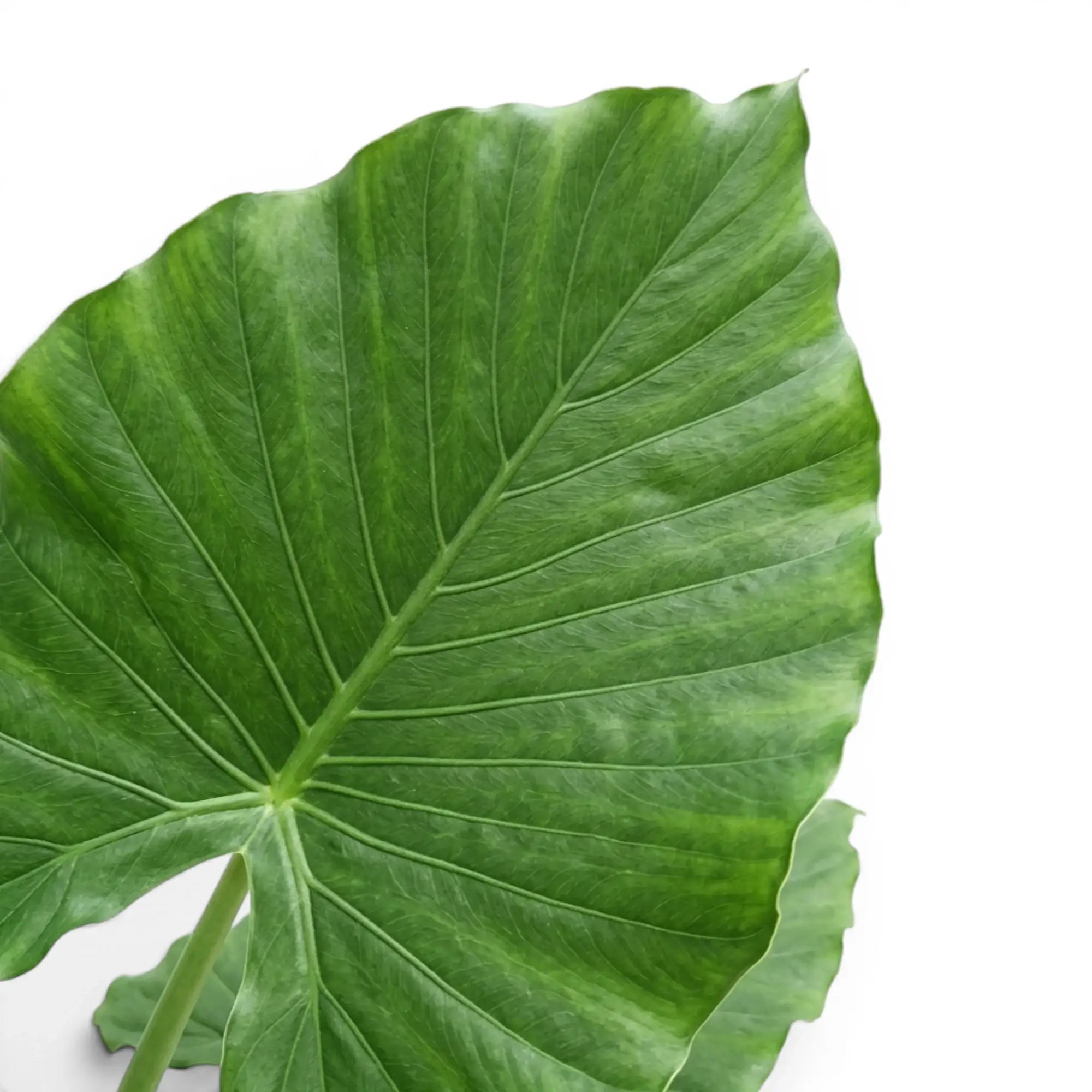
Alocasia odora ‘California’ is a compact green elephant-ear Alocasia with broad upright leaves, softly waved margins and prominent sunken veins. It has the broad green leaves typical of Alocasia odora, but stays smaller than many giant elephant-ear types. Established plants often produce offsets, so a single plant can gradually form a fuller pot.
The leaves are smooth green, broad and slightly oval, with softly wavy to slightly uneven margins. The midrib and primary veins are prominent and set into the leaf surface. Compared with Alocasia macrorrhizos, this plant stays more compact and has a more oval leaf shape.
Alocasia odora has a broad Asian range, from eastern India through parts of mainland and island Asia to southern Japan and Borneo. This plant has often been sold as Alocasia gageana, but Alocasia odora ‘California’ is now the better name for it.
The accepted species name, Alocasia odora (G.Lodd.) Spach, was published in 1846. The epithet odora refers to fragrance, linked with the scented flower structures of the species. ‘California’ is a cultivated name and does not mean the plant comes from California.
This plant grows larger and uses more water than small jewel Alocasia types, so it needs a steadier water supply and a more stable pot. It can work as a bright indoor floor plant, conservatory plant or sheltered warm-season outdoor plant after acclimation. It grows well indoors with bright light, root space and a stable container as the leaves increase in size.
Care
- Light for broad green leaves: Give bright indirect light. It can take gentle morning or late-day sun after acclimation, but avoid harsh midday sun behind glass.
- Watering a larger pot plant: Water when the top layer or upper 20–30% of the mix has dried. Large active plants should be watered before the whole pot dries completely.
- Cooler periods: Reduce watering when light and temperature drop. This plant is more cool-tolerant than many tender Alocasia, but a cool wet pot can still damage the base.
- Fertile open mix: Use a fertile but airy mix with bark, coco chips, perlite or pumice and a moisture-holding component.
- Stable container: Use a pot that balances the leaf weight. Increase pot size gradually as roots fill the space.
- Temperature range: Active growth is best around 18–30 °C. Keep cooler plants drier rather than wet and cold.
- Moderate humidity: Average indoor humidity is usually fine when light, warmth and watering are steady.
- Steady feeding: Feed regularly but moderately during active growth. Reduce feeding when growth slows.
- Gradual repotting: Repot when roots fill the container or the mix breaks down. Move up gradually instead of placing it straight into a very large pot.
- Offset division: Divide rooted offsets or firm rhizome sections only when each piece has roots and a clear growing point.
- Warm-season outdoor use: If used outdoors in warm weather, acclimate gradually and bring it back inside before cool wet periods.
Issues
- Soft lower stems or base: Usually cold wet substrate, oversized pots or poor drainage. Check roots before the base collapses.
- Large leaves drooping: Can come from underwatering, root loss, sudden temperature shifts or an unstable pot.
- Lower leaves yellowing: One ageing leaf is normal. Several yellow leaves at once usually point to root stress, low light or a wet pot.
- Brown margins: Drying too far, fertiliser salts, hard water or low humidity during leaf expansion can mark the edges.
- Small new leaves: Often caused by weak light, depleted substrate, restricted roots or recent division.
- Leaning growth: Large leaves can pull the plant toward the light. Rotate the pot occasionally and use a heavier container as the plant grows.
- Crowded offsets: Offsets can make watering uneven when the pot becomes packed. Separate them only once they have roots.
- Mites and thrips: Spider mites and thrips can settle on undersides and new leaves, especially in warm dry indoor air.
Safety
Alocasia odora ‘California’ contains calcium oxalate crystals, so plant material can irritate the mouth, throat and stomach if ingested. Keep it out of reach of pets and children, and wash hands after pruning or dividing offsets.
A stable pot, bright light and steady moisture help this compact elephant-ear form grow broad green leaves.
Shipping Notes
- Free Standard Shipping on $100+ Orders to the USA.
- Except Preorder products are shipped in 48 hours.
- Delivery to the USA:
- Standard Shipping : 3-10 business days
- If time is of the essence, please consider selecting expedited delivery for faster service.
Exchange/Return Notes
- We offer a 30-day return/exchange service after receiving.
- Final sale items are not eligible for returns or exchanges.
- To process your return/exchange, please contact us at [email protected]
- Please click here for more details>>> Return & Exchange Policy