Pay in installments of $5.96 with
 ,
,
 and
and

Shipping Estimate
USA
- USA
- CAN
- USA
- CAN
Ships within 48 hours · Estimated delivery Sep 10 - Sep 15
 Promo Codes Available:
For Your Every Summer RSVP, with Code: SUMMER15
Description
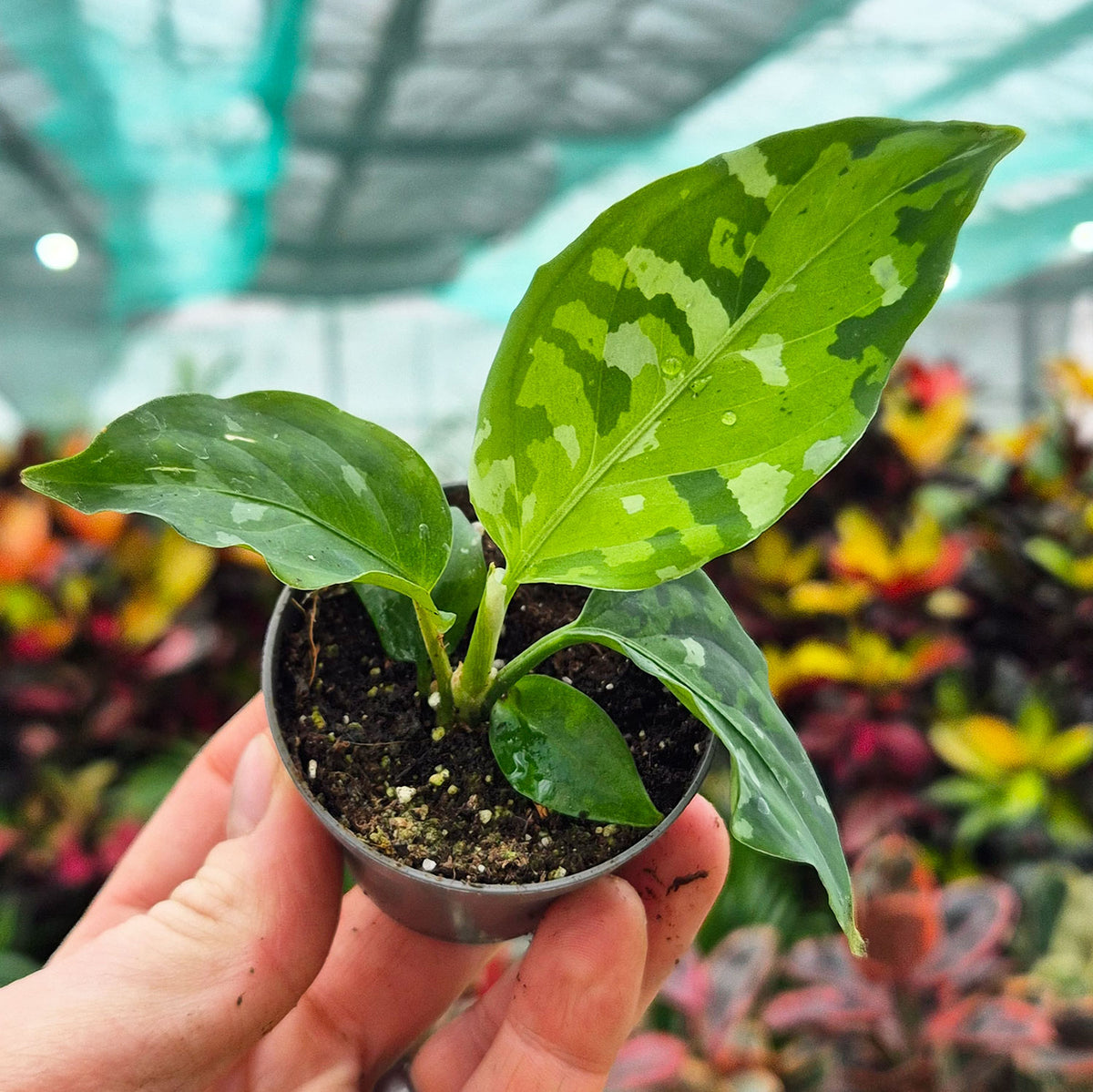
philodendron pictum Aglaonema Pictum Tricolour Camouflage Chinese Evergreen House Plant 6c – Plants For All SeasonsAglaonema pictum Tricolour, often referred to as the Camouflage Aglaonema, is one of the most striking and highly sought after foliage plants in the world. Native to the rainforests of Sumatra, Indonesia, this slow growing species belongs to the Araceae family and is celebrated for its remarkable, camouflage patterned leaves that look almost hand painted. The elongated, lance shaped leaves display an intricate mix of three distinct shades of green
Aglaonema pictum ‘Tricolour’, often referred to as the Camouflage Aglaonema, is one of the most striking and highly sought-after foliage plants in the world. Native to the rainforests of Sumatra, Indonesia, this slow-growing species belongs to the Araceae family and is celebrated for its remarkable, camouflage-patterned leaves that look almost hand-painted.
The elongated, lance-shaped leaves display an intricate mix of three distinct shades of green — deep emerald, mid-green, and silvery sage — forming irregular, mosaic-like patches across the surface. This variegation gives the plant its “camouflage” name and makes each leaf completely unique. The leaf texture is velvety and dense, adding a luxurious depth to its tropical appearance.
Compact and elegant, Aglaonema pictum ‘Tricolour’ grows in a bushy form, perfect for desks, shelves, or shaded corners. Although relatively rare in cultivation, its manageable size and exotic look make it one of the most prized collector’s plants among Aglaonema enthusiasts.
Aglaonema pictum ‘Tricolour’ – Care Guide
Light
Prefers bright, indirect light. Too little light may cause slower growth and muted variegation, while direct sunlight can scorch the delicate leaves. It thrives best in dappled shade, similar to its natural rainforest environment.
Watering
Keep the soil lightly moist but never soggy. Water when the top 2–3 cm of soil feels dry. Avoid letting the plant sit in water, as this species is sensitive to overwatering and root rot. Reduce watering slightly in winter when growth slows.
Temperature and Humidity
-
Temperature: Prefers warmth, 20–28°C. Protect from draughts and avoid temperatures below 16°C.
-
Humidity: High humidity (60–80%) is essential for maintaining lush, vibrant leaves. Use a humidifier or mist regularly, especially in centrally heated homes.
Soil and Potting
Use a loose, well-draining aroid mix — peat-free compost blended with orchid bark, perlite, and coco coir works well. Ensure the pot has good drainage to prevent root rot.
Feeding
Feed every 4–6 weeks during spring and summer with a diluted, balanced liquid fertiliser. Do not fertilise in winter.
Pruning and Maintenance
Remove any yellowing or damaged leaves at the base to maintain a tidy appearance. Wipe leaves occasionally with a soft, damp cloth to enhance their natural shine and display the camouflage pattern clearly.
Growth and Maturity
A slow-growing plant that typically reaches 30–50 cm in height indoors. Mature specimens develop denser foliage and more pronounced variegation with consistent care.
Common Issues
-
Yellowing leaves: Overwatering or poor drainage.
-
Crisping leaf edges: Low humidity or exposure to cold air.
-
Faded variegation: Insufficient light.
-
Pests: Occasionally thrips or spider mites — maintain humidity to deter infestations.
Background and Benefits
Discovered in the rainforests of Sumatra, Aglaonema pictum ‘Tricolour’ is admired globally for its incredible camouflage-like variegation and ornamental appeal. It symbolises elegance and adaptability and remains a collector’s “grail plant.” While slower growing than other Aglaonemas, its beauty more than compensates for its patience-demanding nature.
✅ Quick Care Summary
-
Light: Bright, indirect; avoid direct sun
-
Water: Lightly moist; allow topsoil to dry slightly
-
Temperature: 20–28°C; protect below 16°C
-
Humidity: High (60–80%)
-
Soil: Loose, free-draining aroid mix
-
Feed: Every 4–6 weeks in spring/summer
-
Growth: Compact upright plant, 30–50 cm; three-toned green camouflage-patterned leaves
Shipping Notes
- Free Standard Shipping on $100+ Orders to the USA.
- Except Preorder products are shipped in 48 hours.
- Delivery to the USA:
- Standard Shipping : 3-10 business days
- If time is of the essence, please consider selecting expedited delivery for faster service.
Exchange/Return Notes
- We offer a 30-day return/exchange service after receiving.
- Final sale items are not eligible for returns or exchanges.
- To process your return/exchange, please contact us at [email protected]
- Please click here for more details>>> Return & Exchange Policy