Pay in installments of $5.20 with
 ,
,
 and
and

Shipping Estimate
USA
- USA
- CAN
- USA
- CAN
Ships within 48 hours · Estimated delivery Jul 21 - Jul 26
 Promo Codes Available:
For Your Every Summer RSVP, with Code: SUMMER15
Description
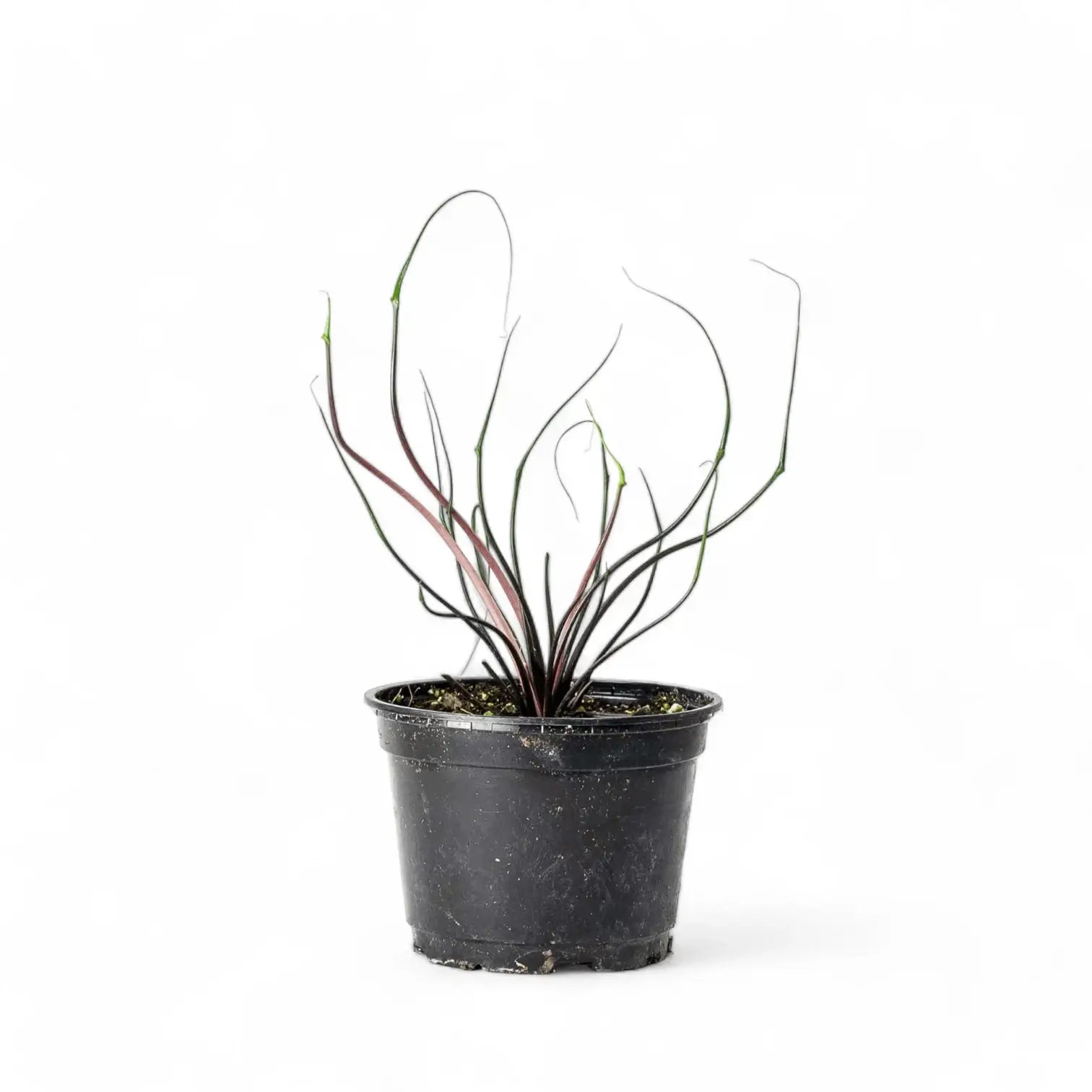
squid air plant Alocasia macrorrhizos 'Flying Squid' – Foliage FactoryAlocasia macrorrhizos 'Flying Squid' Alocasia macrorrhizos 'Flying Squid' is a compact dwarf form associated with the macrorrhizos 'Plumbea' line, grown for slender upright petioles and very small spear like leaf tips. Narrow stalks rise from the base in a loose fountain shape, giving the plant a fine, upright outline. Each petiole ends in a tiny blade, giving the base its tentacle like look. Alocasia macrorrhizos is a wet tropical giant taro with a
Alocasia macrorrhizos 'Flying Squid'
Alocasia macrorrhizos 'Flying Squid' is a compact dwarf form associated with the macrorrhizos 'Plumbea' line, grown for slender upright petioles and very small spear-like leaf tips. Narrow stalks rise from the base in a loose fountain shape, giving the plant a fine, upright outline. Each petiole ends in a tiny blade, giving the base its tentacle-like look.
Alocasia macrorrhizos is a wet-tropical giant taro with a thick base, large leaves and strong upright petioles. 'Flying Squid' has the warmth and root requirements of Alocasia macrorrhizos, while the plant remains much smaller and more sculptural. The cultivated form has reduced leaves; well-held petioles, active roots and clean new growth show that the plant is established.
Tentacle-like growth and reduced leaves
Slender stalks rise upright and lean outward slightly from the base. At the end of each petiole, the blade is reduced to a small spear, narrow tip or wispy piece of leaf tissue. The narrow petiole outline remains visible in a compact pot.
New growth can appear as a thin spear before the petiole finishes extending. An established plant may produce several upright stalks at once. With limited broad green surface, warm active roots and light fertilising allow upright petioles to continue forming.
- Leaf form: very small spear-like tips or reduced blades at the ends of upright petioles.
- Petioles: slender, vertical to outward-arching and visually tentacle-like.
- Growth habit: compact dwarf base with narrow upright petioles.
- Scale: compact presentation with a narrow, upright growth.
- Indoor outline: sculptural and narrow, with thin upright lines visible at shelf scale.
Dwarf macrorrhizos growth
Alocasia macrorrhizos is native from Central Malesia to Queensland’s Murray Group and grows in wet tropical conditions. The full species can develop a thick trunk-like base, very large petioles and broad arrow-shaped leaves. Alocasia macrorrhizos 'Flying Squid' carries a reduced, dwarf expression in cultivation, while the root system still responds to the same essentials: warmth, filtered light, moisture and air through the substrate.
The smaller base uses water slowly in a pot. A compact plant with reduced leaves uses water slowly, especially in cooler rooms or lower light. A modest pot close to the root mass lets the mix dry evenly. The base looks delicate above the substrate and reacts poorly to frequent changes in pot moisture or temperature.
Care for the Flying Squid base
- Light: Give clear indirect light or soft filtered morning sun. This allows upright petioles to form while protecting the reduced leaf tips from scorch.
- Watering: Let the surface dry and the pot lighten, then water evenly and allow fresh air back into the mix.
- Substrate: Use a structured aroid substrate with bark, coco husk, perlite or mineral granules and a moisture-retentive base. The pot should drain evenly after watering.
- Temperature: Use an even, warm root area; cold damp mix is harder for the plant to tolerate.
- Humidity: Humid air lets thin petioles extend smoothly and reduces dry tips.
- Fertilising: Apply diluted balanced fertiliser lightly in the growing season. Use gentle nutrition for the small root system and limit salt build-up.
- Pot choice: Use a snug, weighty pot with drainage. A smaller pot reduces the wet lower layer around the compact root system.
- Mineral substrates: Alocasia macrorrhizos 'Flying Squid' can adapt to inert mineral or semi-hydro substrates after careful transition, with warmth and balanced nutrients.
Base hygiene and petiole spacing
Give Alocasia macrorrhizos 'Flying Squid' enough clearance for the petioles to rise and spread. Leave the base clear of neighbouring plants, glass and shelving so new petioles can extend freely. Thin stalks can bend or mark while they are soft, so delay heavy handling until the new growth has firmed.
The plant may pause after transport, repotting or seasonal change while roots re-establish. During that period, maintain warmth around the pot, maintain bright filtered light and let the drying pattern guide watering. A firm new petiole rising from the base is a clear recovery sign.
Stress at the base and shoots
- Soft petioles: Check root warmth, pot weight and recent watering. Thin stalks lose firmness quickly when roots are cold or stressed.
- Yellowing stalks: Inspect the lower mix and root condition. Several yellowing petioles together often indicate wet substrate or reduced root activity.
- Dry spear tips: Review humidity, heat load and mineral build-up. Reduced leaf tips show dry stress quickly.
- Leaning base: Rotate the pot gradually and give the petioles even light. A weighty pot holds the narrow base upright.
- Slow growth: Check light, warmth and root space. This form produces new petioles more reliably when roots are active and the pot is proportionate.
- Pest marks: Spider mites, thrips and mealybugs can hide near the petiole bases and along the tiny leaf tips. Inspect new growth closely.
Leaf turnover and propagation
Remove fully yellowed or collapsed petioles close to the base once they have faded. Leave firm green stalks in place because the small plant relies on each active petiole. Cleaning focuses on old sheaths and the base, since the plant has reduced leaf surface.
Propagation is by division, offsets or firm rhizome sections while the plant is actively growing. Small divisions need warmth, a modest container and an open substrate while roots re-establish. Mature plants can flower with a spathe and spadix, while the fine petioles and reduced blades give 'Flying Squid' its indoor shape.
Reduced foliage and curious pets
Alocasia macrorrhizos 'Flying Squid' contains irritating calcium oxalate crystals. Place the plant away from pets and young children, especially around narrow petioles and cut pieces. Wear gloves when removing thin petioles or dividing the plant.
Flying Squid and macrorrhizos
Alocasia macrorrhizos (L.) G.Don was published under Alocasia in 1839, with Arum macrorrhizon L. as the basionym. The name macrorrhizos refers to the large-rooted nature of the species. “Flying Squid” refers to the dwarf form’s thin upright petioles and tiny spear-like leaf tips, which create its squid-like outline.
Grow Alocasia macrorrhizos 'Flying Squid' warm, bright and slightly snug so new petioles rise upright from a firm base.
Shipping Notes
- Free Standard Shipping on $100+ Orders to the USA.
- Except Preorder products are shipped in 48 hours.
- Delivery to the USA:
- Standard Shipping : 3-10 business days
- If time is of the essence, please consider selecting expedited delivery for faster service.
Exchange/Return Notes
- We offer a 30-day return/exchange service after receiving.
- Final sale items are not eligible for returns or exchanges.
- To process your return/exchange, please contact us at [email protected]
- Please click here for more details>>> Return & Exchange Policy